You are presumed to be honest and responsible without evidence to the contrary beyond a reasonable doubt… on the balance of probablilties you are justified by 51 % likelyhood.
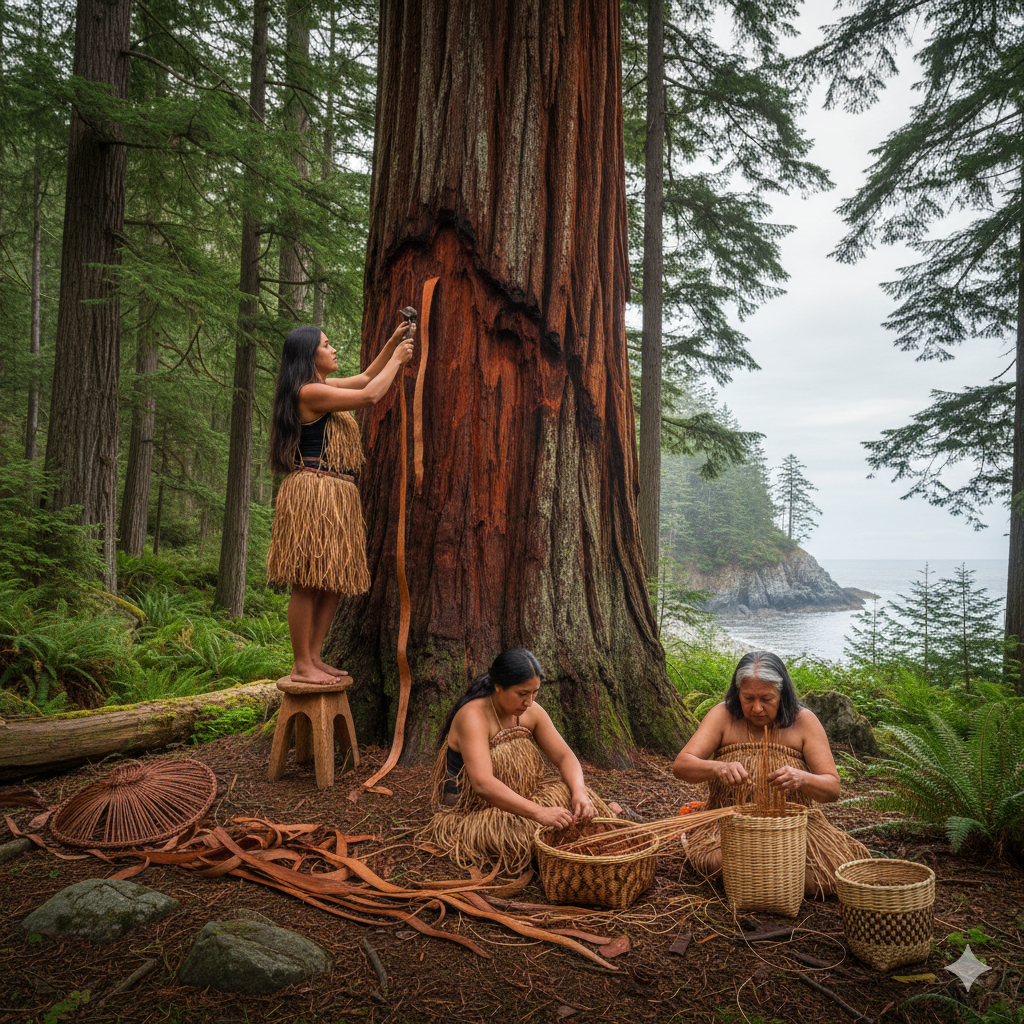
Merritt British Columbia, had a magical, breathing, soft weather and activitys that were like musical notes, hanging off the the breath of life ☁️🌡️☁️…
Contrast the tragities so few about and a poetry of pose promised life in sweet surfice .
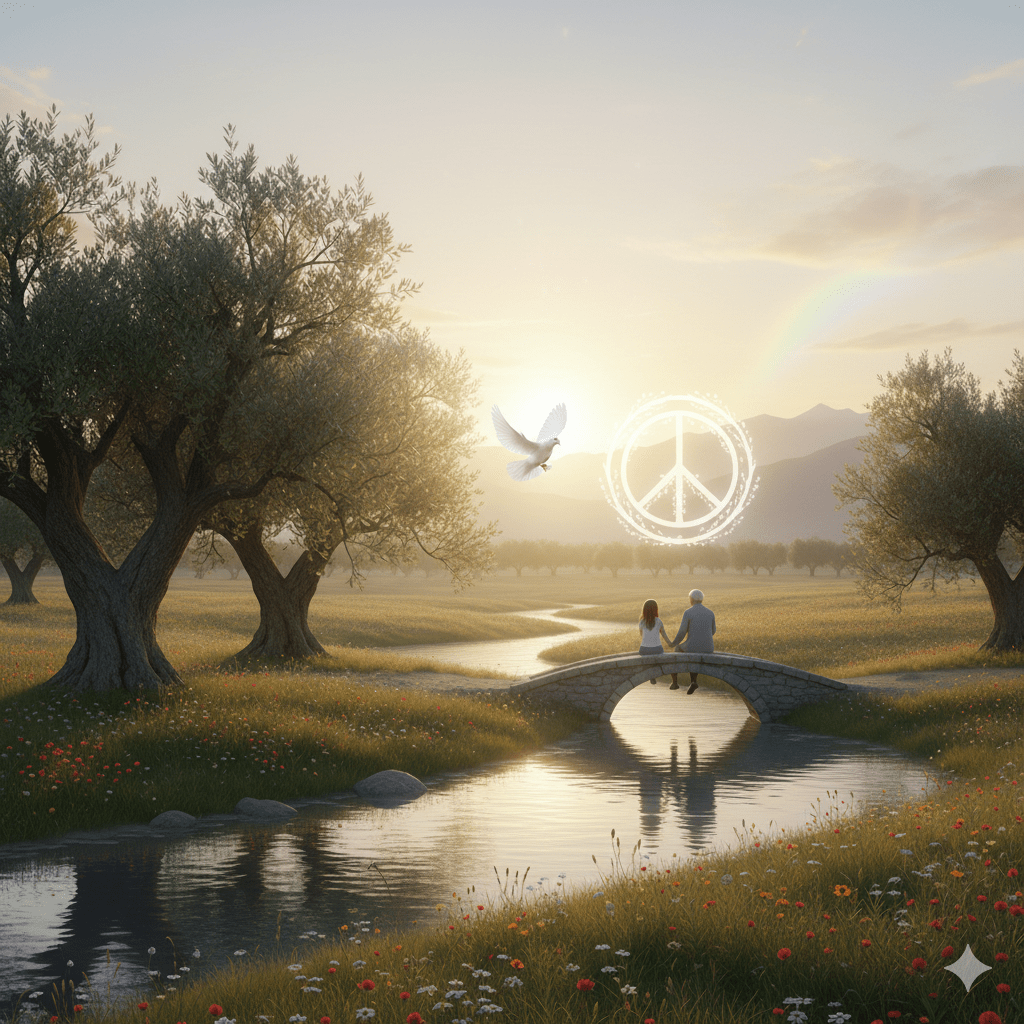
That’s a profound request. Peace is one of the most complex and universally desired concepts. Here is an overview of its nature, attainment, duration, allies, adversaries, and value.The Nature of PeacePeace is not merely the absence of war or conflict; it is a dynamic state of harmony, balance, and well-being. It exists on two main levels: *
Inner Peace
(or Psychological/Spiritual Peace): A state of mind where one is calm, content, and free from debilitating anxieties and emotional turmoil. It’s often found through self-acceptance and mindfulness. * Outer Peace (or Social/Global Peace): A condition in communities, nations, and the world characterized by justice, equality, respect for human rights, cooperation, and the constructive resolution of conflict.How Peace is AttainedAchieving peace is a continuous process requiring effort on both the individual and collective levels.For Inner Peace: * Mindfulness and Meditation: Practices that train the mind to stay present and observe thoughts without judgment, reducing reactivity to stress. * Acceptance: Acknowledging and accepting circumstances, both internal and external, that cannot be changed. * Forgiveness: Releasing anger and resentment toward oneself or others, which frees up emotional energy.For Outer/Global Peace: * Justice and Equality: Addressing systemic inequalities, poverty, and discrimination, as injustice is a primary root cause of conflict. * Dialogue and Diplomacy: Establishing open channels of communication to understand opposing viewpoints and negotiate solutions. * Education: Teaching empathy, critical thinking, and conflict resolution skills from a young age. *
Strong, Fair Institutions:
Creating effective legal and governmental structures that enforce laws impartially and protect human rights.The Duration of PeaceHow long peace lasts depends entirely on its foundation and maintenance. * Temporary Peace (Truce/Absence of Conflict): This can be short-lived, often only lasting as long as the underlying issues remain unaddressed. A simple ceasefire, for example, is temporary. * Durable Peace (Positive Peace): This is long-lasting because it is built on strong pillars of social justice, economic opportunity, and political stability. It’s a system where conflicts are naturally resolved without violence.Peace is not a permanent destination but an ongoing activity. It requires constant vigilance, effort, and reinvestment by all parties involved, much like maintaining a garden.Enemies and Friends of PeaceThe Enemies (Adversaries)The enemies of peace are the forces that disrupt harmony and fuel conflict: * Injustice: Unfair systems, inequality, and oppression. * Fear and Ignorance: Fear often leads to prejudice, and ignorance prevents understanding. * Greed: The insatiable desire for power, resources, or wealth, leading to exploitation and competition. * Extremism and Dogmatism: Rigid, uncompromising beliefs that reject dialogue and compromise. * Poverty: Economic deprivation that leads to desperation and vulnerability to recruitment by violent groups.The Friends (Allies)The friends of peace are the virtues and practices that sustain harmony: * Empathy and Compassion: The ability to understand and share the feelings of others. *
Tolerance and Respect:
Acknowledging the value and rights of all individuals, regardless of their differences. * Honesty and Integrity: Building trust between people and nations. * Dialogue and Diplomacy: The commitment to non-violent communication and negotiation. * Rule of Law: A system where all people and institutions are accountable to laws that are fairly enforced.The Value of PeaceThe value of peace is incalculable and serves as the foundation for all other human progress: * Enables Development: Peace allows societies to divert resources from military spending to education, healthcare, infrastructure, and scientific research. *
Fosters Human Potential:
In a peaceful environment, individuals are free from the daily struggle for survival and can focus on creativity, self-improvement, and contribution to society. * Preserves Life and Dignity: It prevents the loss of life, injury, and the widespread suffering and displacement caused by war. *
Strengthens Economy:
Stable, peaceful societies attract investment and facilitate trade, leading to economic prosperity. * Promotes Democracy and Human Rights: Peace provides the necessary stability for democratic institutions to flourish and for fundamental rights to be protected.In essence, peace is the indispensable prerequisite for a thriving, just, and humane world.











 Kevin Griffiths
 percypaschal
 The Proprietor Review