Look east after sunset…
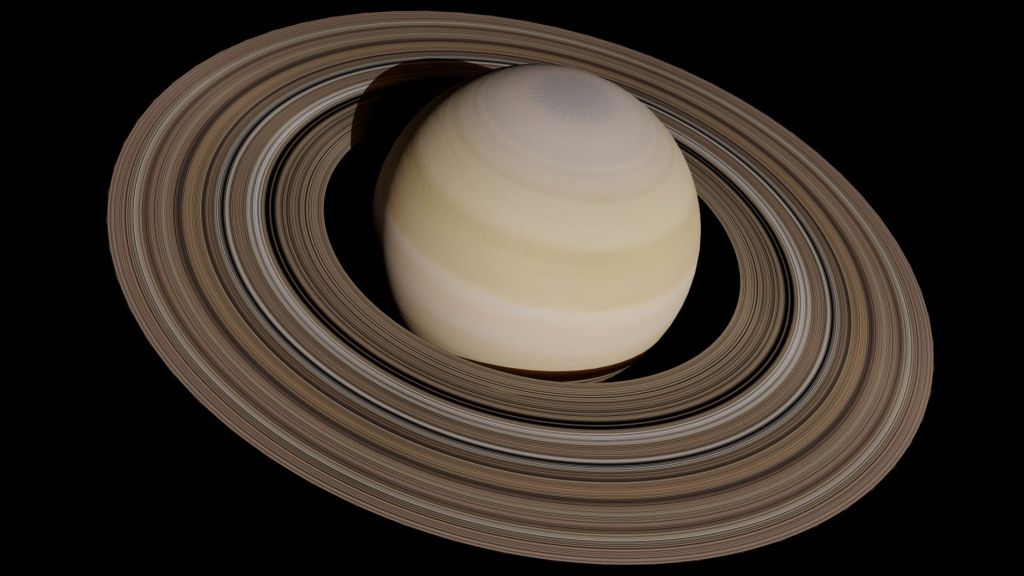
Merritt BC clear over Night temperature low Four Degrees C

To the seasons of life

Look east after sunset…
Merritt BC clear over Night temperature low Four Degrees C
By physical definition, a solar eclipse cannot occur at night because it requires the Sun to be above the horizon so that the Moon can block its light relative to an observer on Earth. If you were witnessing a dramatic celestial alignment overhead in the night sky over Merritt, British Columbia, it was actually a lunar eclipse—where the Earth passes directly between the Sun and the Moon, casting a deep reddish shadow across the lunar surface. While daytime observers in the Nicola Valley most recently caught a minor partial solar eclipse on the morning of August 12, 2026, any nocturnal eclipse seen locally is always lunar in nature.
For a fascinating look into how visual shadows behave during solar alignments, check out The LAST Eclipse in History, which explains the unique twilight lighting conditions caused by moon shadows.
British Columbia has moved on to a permanent daylight saving time, meaning November 1st will not be a time change. We will stay on this particular Pacific time for one more time change on March 8th 2027 and that’ll be it.
Look Up Weather permitting…
That Lunar Lime drink looks good…
The Genesis of this may have come from character from comic books nearly a century ago, he was called Buck Rogers, January 7th 2029 first comic strip published.
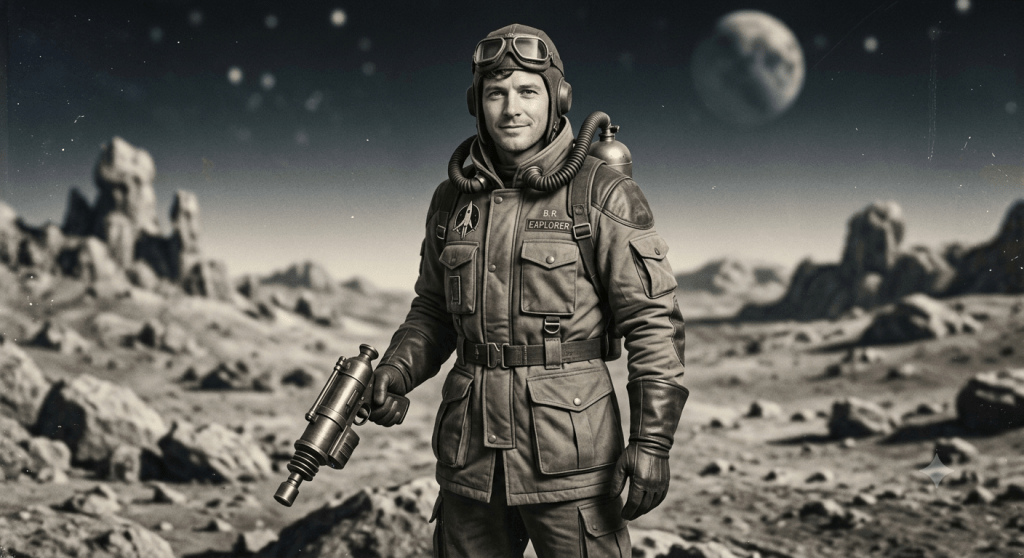
Concept photo for 1929….
Beaver Moon, November 23 and 24 2026
O Canada, frost moon beaver moon strong and free…

Our partner in the solar orbit…
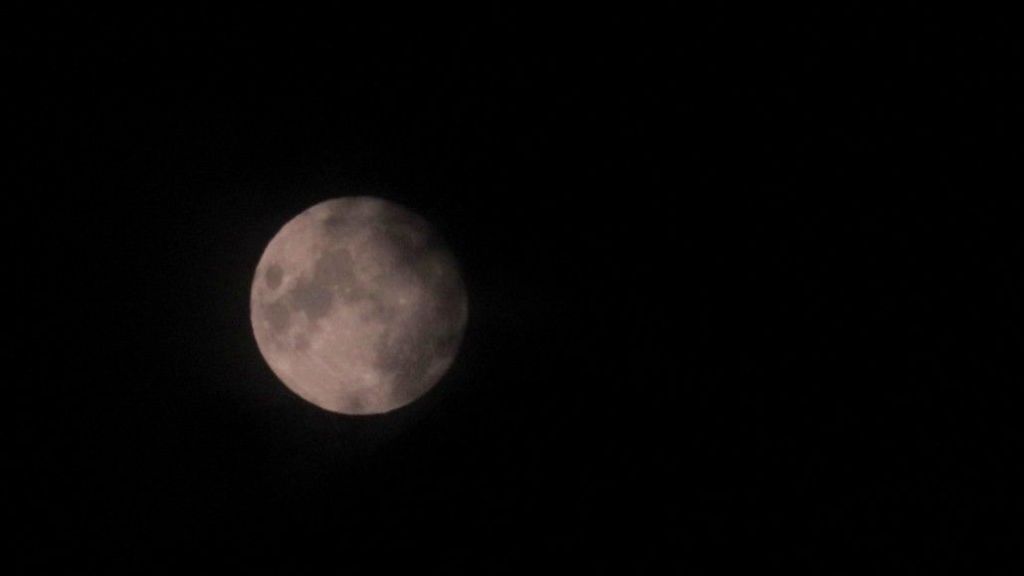
Summer skies, long days, look up the best is coming soon..

mimic:The universe mirrors your soul.
What do others expect for admiration from you?
June 8 to 14 th 2026, the night sky
Magic storms are still a possibility, go to Environment ,Canada Space weather FMI
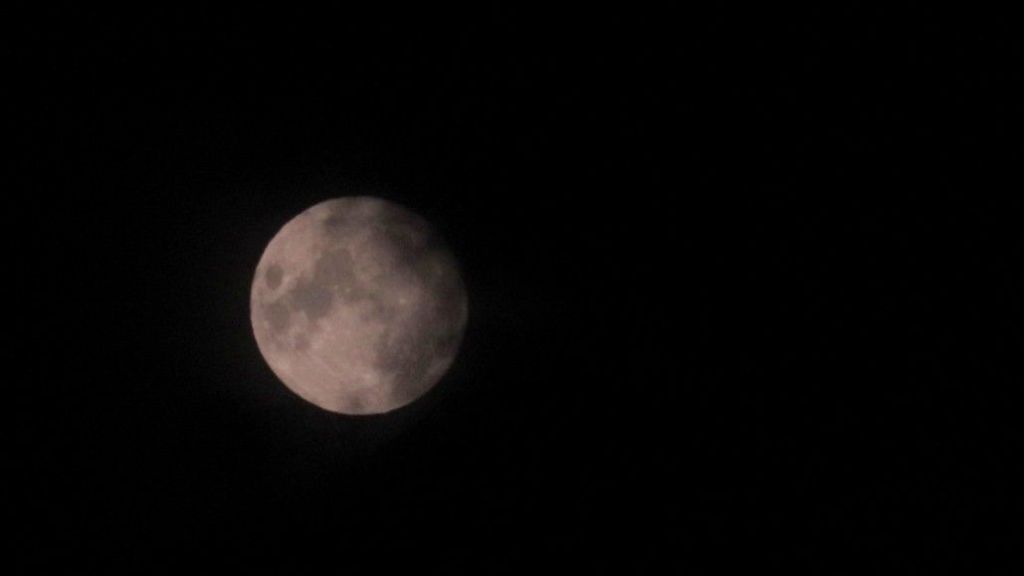
On Sunday, May 31, 2026, skywatchers in Merritt, British Columbia, will treated to a functionally full moon that officially reaches its peak illumination earlier that morning at 1:45 AM. For evening viewing on Sunday, the moon will rise at **10:17 PM PDT**, emerging from the east-southeast at an azimuth of **124°**. What makes this particular celestial event highly unusual—and a stellar target for a camera setup or binoculars—is that it is a **seasonal Blue Moon** (the third of four full moons in a single astronomical season) and a **Micromoon**. Because the moon is currently sitting near apogee—its farthest point from Earth in its elliptical orbit at roughly 252,349 miles away—it will appear about 14% smaller and notably dimmer than a typical supermoon. Furthermore, because it tracks low across the southern sky at this time of year, hitting a maximum altitude of just 12.3° over the horizon at midnight, you can look forward to a prolonged, striking “moon illusion” where it mimics a massive size against the local Nicola Valley landscape, despite its technically smaller physical scale.
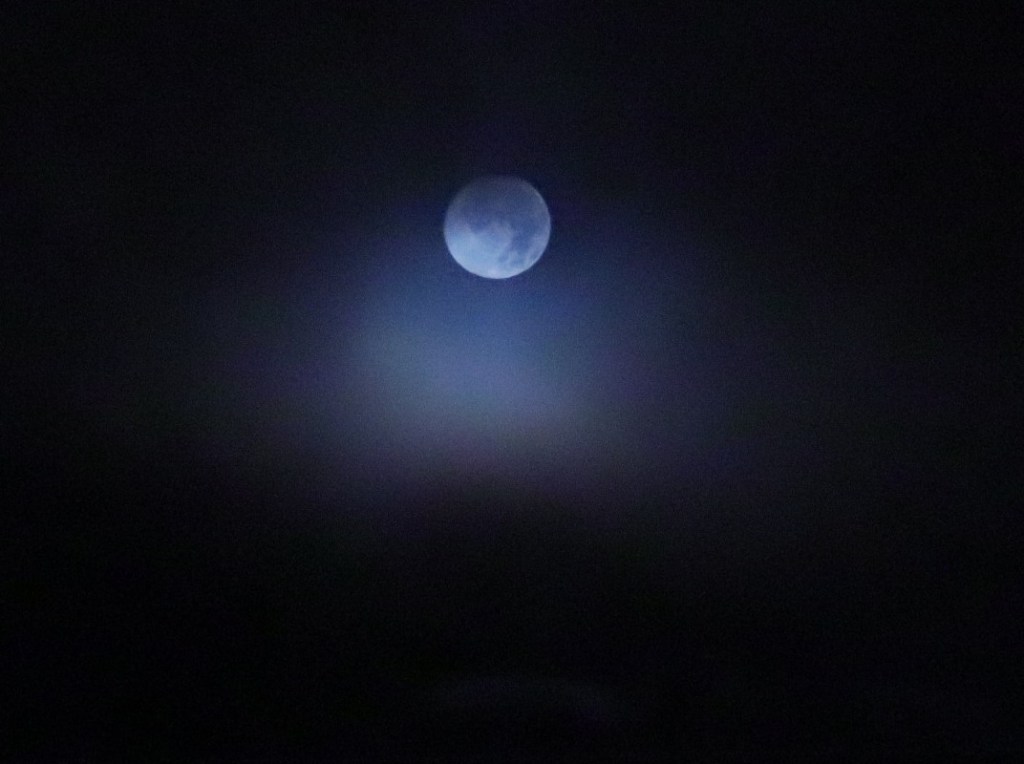
How does the moon create tides on Earth?
https://youtube.com/@starwalkapp?si=QUca45L9z3RDbuck
Moon is key to you and me…
The gravitational pull of the Moon pulls equally on the Earth’s surface as it goes around. However oceans move up with the pull and the Earth rotates underneath them giving title rises from continent to continent.KDG
Share a story about the furthest you’ve ever traveled from home.
May Day Flower Moon, Blue Moon Second moon in May. Meteor shower of the remains or off givings of Halley’s comet from its flyby.
Moon city
Hey if you could just Terraform the moon and went to work there where would that go.

Hey Merit what do you say?


 Kevin Griffiths
 percypaschal
