You are presumed to be honest and responsible without evidence to the contrary beyond a reasonable doubt… on the balance of probablilties you are justified by 51 % likelyhood.
Yes, you will be able to see it, provided the sky is clear. Because of time zones, the primary action for Merritt occurs late on Thursday evening, August 27, stretching just past midnight into Friday, August 28. This is a very deep partial lunar eclipse, with nearly 96% of the Moon entering Earth’s dark inner shadow (umbra). At its maximum, almost the entire lunar disk will take on a noticeable coppery-red tint. | Phase | Local Time (PDT) |
What to Look For |
|—|—|—| | Partial Eclipse Begins | 7:33 PM (Aug 27) | Below the horizon at start; Moon rises at ~7:48 PM. | | Maximum Eclipse | 9:12 PM (Aug 27) | Peak deep-red coverage low on the ESE horizon (~11.5° altitude). | | Partial Phase Ends | 10:51 PM (Aug 27) | The dark shadow completely leaves the Moon. | | Penumbral Phase Ends | 12:01 AM (Aug 28) | The faint outer shading vanishes entirely. | Viewing Strategy for Merritt: * Sightline: At 9:12 PM, the Moon will sit quite low in the east-southeast sky. You’ll want an elevated vantage point or a clear line of sight over the surrounding hills toward the ESE to catch maximum coverage.
* Equipment:
No eye protection is required for lunar eclipses. It is completely safe to view with the naked eye, though binoculars or a telephoto lens will bring out extra texture and detail along the shadowed edge.
It was about a quarter of 10 on one of those nights when I was quiet, solemnly calm. The calm was so on that you wondered if everything had stopped and you and your thoughts were the only thing left in the universe.
Largely involved in that moment, we percolated our thoughts to slip beside the night’s intent.
Free from those that bore regulation, we again coalesce to our moment.
Where are we now?
Grief stalked us separately, I hear. Loss and tragedy sought us out and worked its ways;I being that is the right word, through us.
The gravitational pull of the Moon pulls equally on the Earth’s surface as it goes around. However oceans move up with the pull and the Earth rotates underneath them giving title rises from continent to continent.KDG
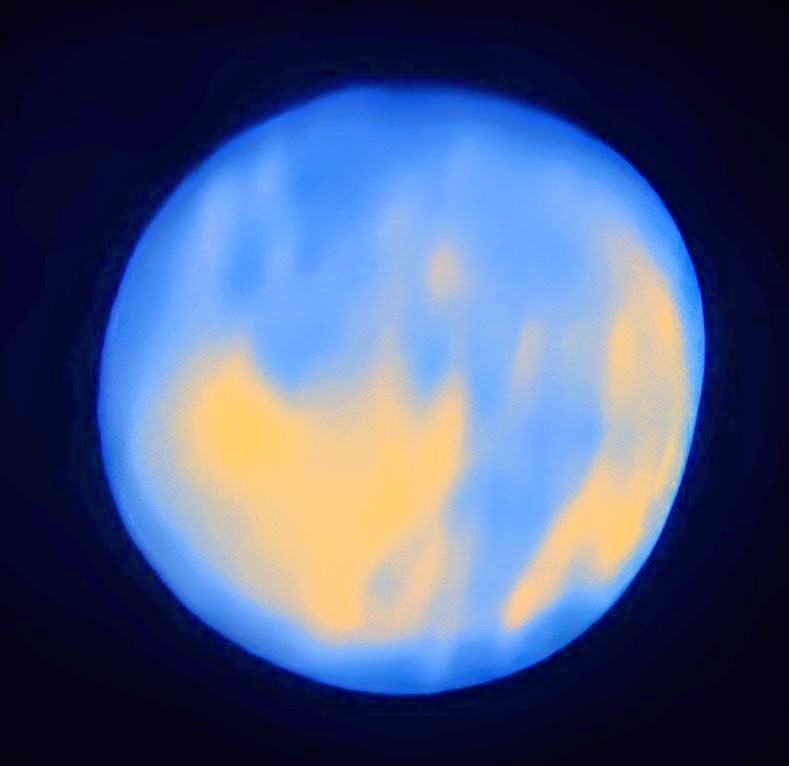
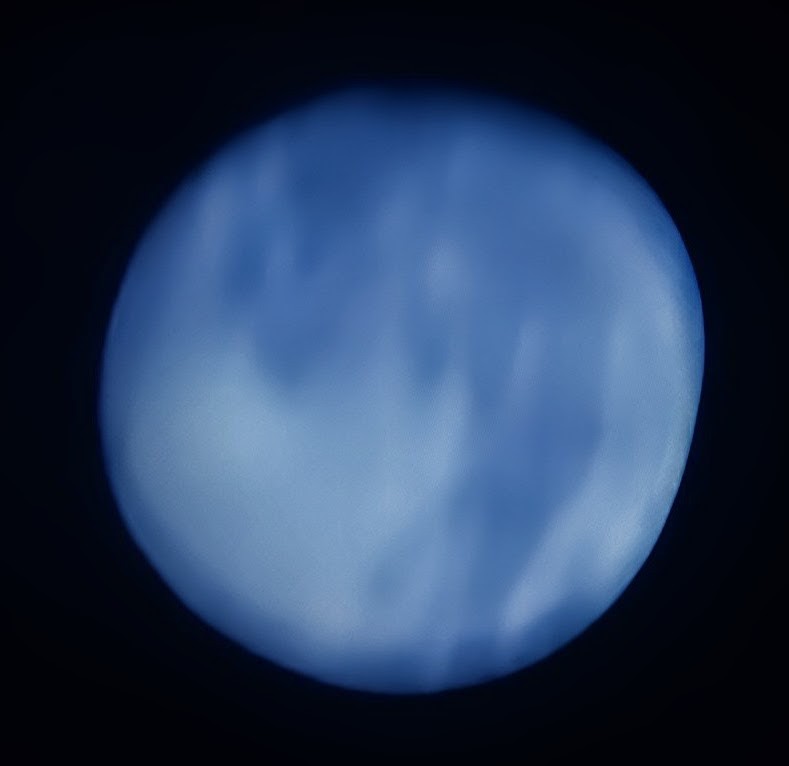
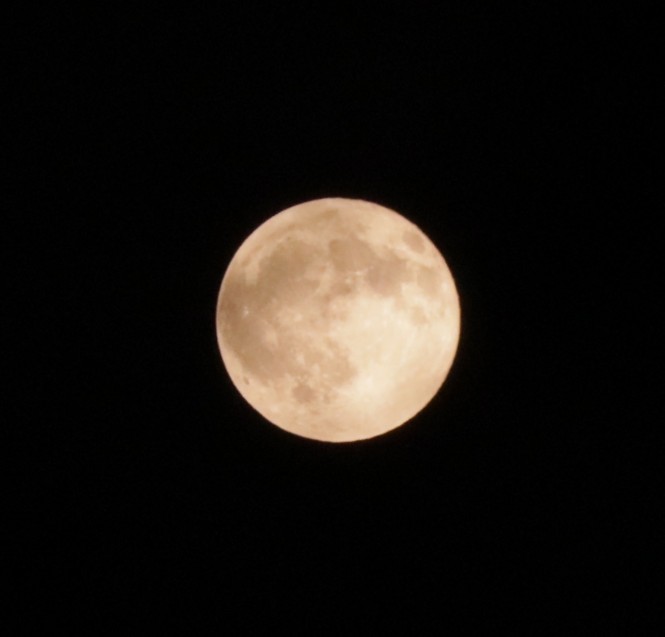
Not a clear photo of the moon I snaped. But in unblur mode, goggle photos; it came out with land and oceans. Poetry, no green cheese at all, or is that Atoll.
Editors Note:
The Chinese robotic mission on the dark side of the Moon is interested in the amount of hydrogen that’s captured in the soils up there. At this time there’s a bit of excitement about that.
Careful with facts
If it’s sensational it’s worth a another look at sources.
While NASA is currently working to establish a **sustained human presence** on the Moon through the Artemis program, the idea of “rehabilitating” it (terraforming it into a lush, Earth-like world) is considered significantly more difficult than terraforming Mars. As of 2026, the consensus is that the Moon cannot support a global ecology with current or even near-future technology. Here is why: ### 1. The Gravity Problem (The “Leaky Bucket”) The Moon’s most fundamental limitation is its size. Its gravity is only about **16.5%** (1/6th) of Earth’s. * **Atmospheric Escape:** To have an ecology, you need an atmosphere. However, the Moon’s gravity is so weak that gas molecules move faster than the Moon’s “escape velocity.” * **The Result:** Even if we created a thick atmosphere today, it would drift off into space almost immediately. Unlike Mars, which might hold an atmosphere for millions of years, the Moon would lose its air in a geological heartbeat. ### 2. The Radiation and Shielding Issue The Moon lacks a global magnetic field and a thick atmosphere to block cosmic rays and solar flares. * **Current Strategy:** NASA’s 2026 plans involve burying habitats under several meters of **lunar regolith** (Moon soil) or placing them in deep lava tubes to protect astronauts from radiation. * **Ecology Barrier:** You cannot have a “surface ecology” (like forests or open lakes) because the radiation would sterilize the soil and kill most complex life forms. ### 3. The 708-Hour Day/Night Cycle The Moon rotates very slowly. One “day” (sunrise to sunrise) lasts about **29.5 Earth days**. * **Extreme Temperatures:** This results in two weeks of blistering heat (up to **127°C**) followed by two weeks of total darkness and freezing cold (down to **-173°C**). * **Biological Stress:** Most Earth plants and animals cannot survive 14 days of total darkness followed by 14 days of direct, unfiltered solar radiation. ### Comparison: Moon vs. Mars for Life Support | Feature | The Moon | Mars | |—|—|—| | **Gravity** | 1.62 \text{ m/s}^2 (Very Low) | 3.71 \text{ m/s}^2 (Moderate) | | **Atmosphere Potential** | None (Escape velocity too low) | Low (Needs massive CO_2 input) | | **Day Length** | ~708 hours (1 month) | ~24.6 hours (Similar to Earth) | | **Water Availability** | Ice in dark polar craters only | Subsurface ice and polar caps | ### NASA’s 2026 Reality: “Pockets of Life” Instead of rehabilitating the whole Moon, NASA and its partners (like SpaceX and Blue Origin) are focused on **In-Situ Resource Utilization (ISRU)**. * **Oxygen from Dust:** We have the technology to bake oxygen out of lunar rocks (which are about 45% oxygen). * **Lunar Bases:** By 2028, NASA aims to have the first permanent “basecamp” at the South Pole. * **Closed-Loop Systems:** Life will be sustained in **artificial ecologies**—pressurized greenhouses and pods where air and water are recycled with 98% efficiency. **Summary:** We have the technology to put “life” **on** the Moon inside pressurized cans, but we do not have the technology to make the Moon itself a “living” world.
Mars Rehabilitation
As of April 2026, **NASA’s official position** remains that rehabilitating Mars’s atmosphere and ecology (terraforming) is **not possible with current technology**. While science fiction often makes it look like a matter of willpower, NASA-funded studies and current mission data highlight several “hard stops” that we cannot yet overcome. ### 1. The Carbon Dioxide Shortage The most significant hurdle is a lack of raw materials. To make Mars warm enough for liquid water and life, we would need to thicken its atmosphere using greenhouse gases, primarily CO_2. * **The Problem:** A 2018 NASA-sponsored study concluded that there simply isn’t enough CO_2 trapped in Mars’s polar ice caps or soil to create a thick enough atmosphere. * **The Reality:** Even if we successfully vaporized every bit of CO_2 on the planet, the atmospheric pressure would only rise to about **7%** of Earth’s—not enough to prevent your blood from boiling or to keep the planet warm. ### 2. The Missing Magnetic Shield Even if we could magically “import” an atmosphere (by crashing comets into the planet, for example), Mars has no global magnetic field to protect it. * **Atmospheric Erosion:** Without a magnetosphere, the **solar wind** (a stream of charged particles from the sun) would eventually strip any new atmosphere away into space, just as it did billions of years ago. * **Current Research:** NASA’s **ESCAPADE** mission (which launched in late 2025 and is currently en route) is specifically studying this “atmospheric escape” to better understand how the sun interacts with the Martian environment. ### 3. “Living Off the Land” vs. Terraforming NASA has shifted its focus from **rehabilitating the planet** to **sustaining human life in small pockets**. This is known as **In-Situ Resource Utilization (ISRU)**. * **MOXIE:** The Mars Oxygen In-Situ Resource Utilization Experiment on the Perseverance rover proved we can extract oxygen from the Martian CO_2 atmosphere. * **2026 Strategy:** NASA’s current “Moon to Mars” objectives focus on building pressurized habitats and using local ice for water and fuel, rather than trying to change the entire planet’s climate. ### Comparison: Current vs. Required Technology | Feature | Current Capability (2026) | Needed for Rehabilitation | |—|—|—| | **Atmospheric Pressure** | ~0.6% of Earth’s | ~100% of Earth’s | | **Oxygen Production** | Small-scale (grams per hour) | Planetary-scale (billions of tons) | | **Protection** | Lead-lined habitats / Underground | Artificial Global Magnetic Shield | | **Temperature** | Average -62°C (-80°F) | Average ~15°C (59°F) | > **Bottom Line:** NASA views Mars as a place where humans might live in “indoor” colonies within the next few decades, but “rehabilitating” the planet’s exterior ecology is considered a task for the distant future—likely centuries away—requiring technologies that do not yet exist. >
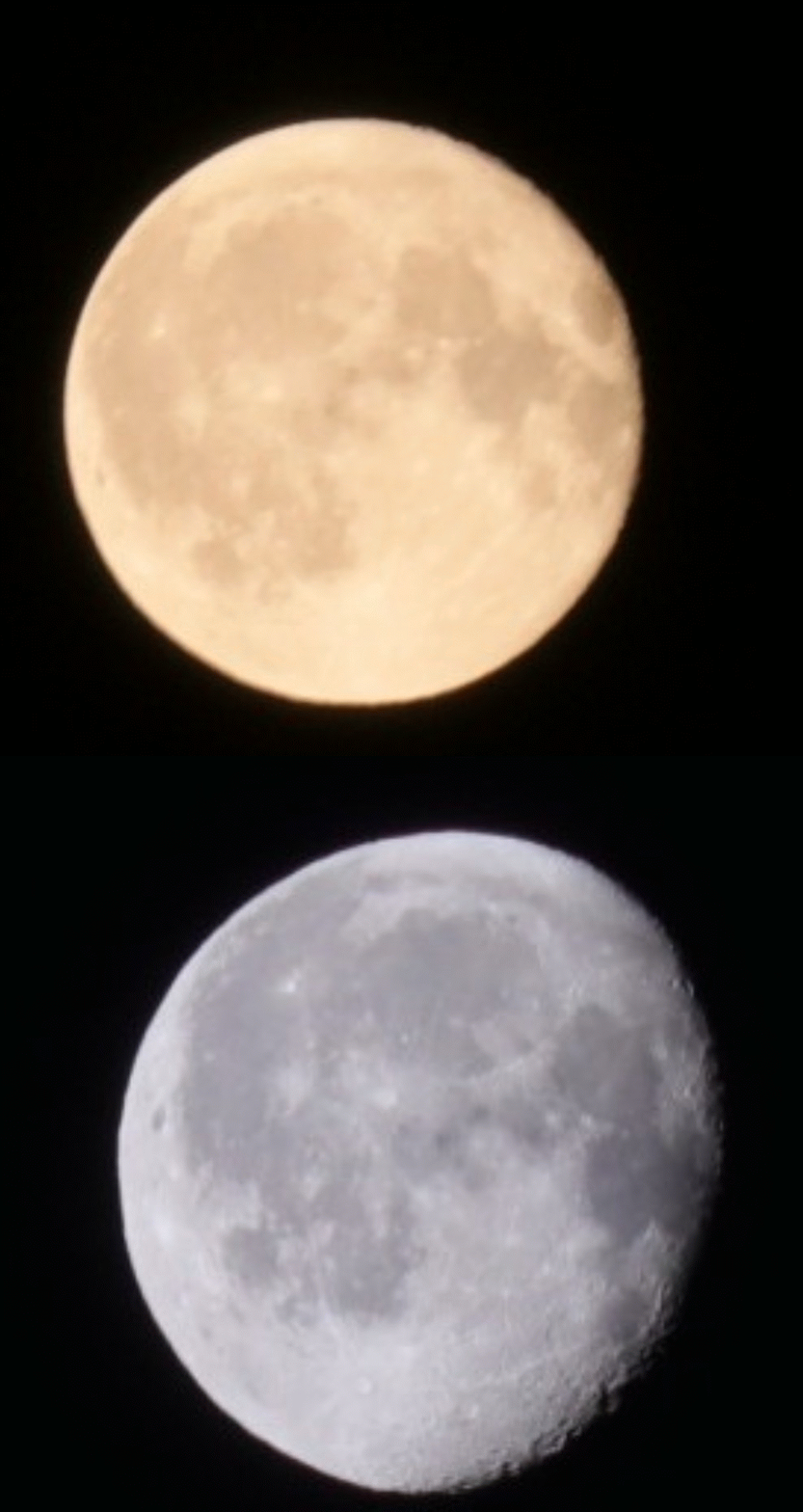
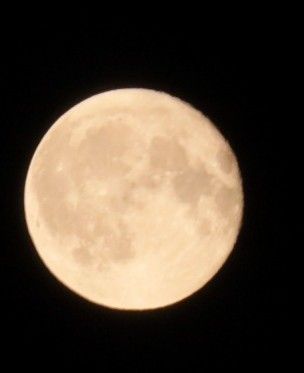
Is “Non-AI Picture” an Oxymoron?No, “non-AI picture” is not an oxymoron. An oxymoron uses two contradictory terms together (like “deafening silence”). The word “picture” is a general term for an image, and “non-AI” simply specifies that the image was created without the use of generative artificial intelligence (i.e., it was taken with a camera, drawn, painted, etc.). The phrase is commonly used today to distinguish traditional photography and art from AI-generated images.Best Recent Photo of the Harvest MoonHere is one of the best recent photographs of the Harvest Moon:
Photo KDG
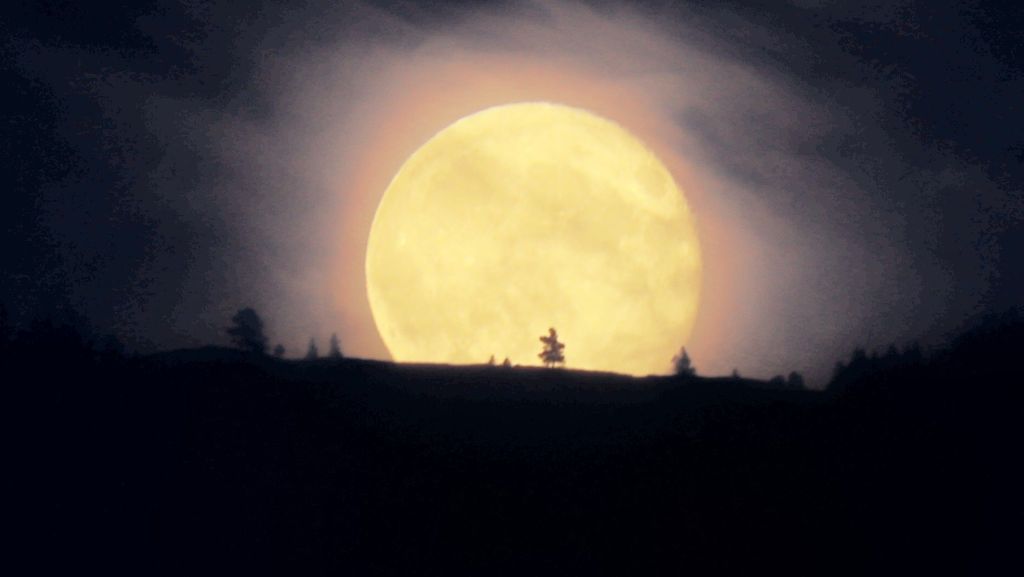
The contouring full moon will not be pink so much as the expectations of pink flowers coming as it’s namesake…
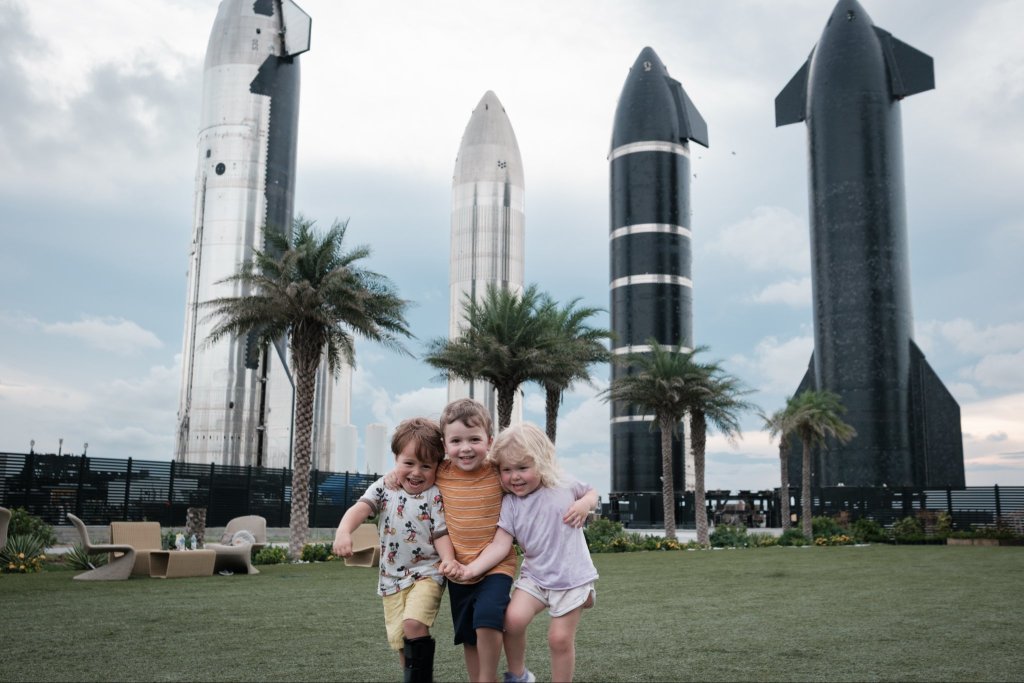
SpaceX has its first launch accomplished for 2026. As Donald Trump announces a policy of superiority in space.
Like a Roman mile, the gods have always followed exploration without letting it get out of its grip.
So, that’s the way of this world.As The four astronauts who have been training for the moon landing including one black and one woman one Canadian we think of the excitement of this adventure and the luxury that it’s enjoyed by a portion of the world that will never see it.
Strangely enough this happens to be published post number 4666. On this site. Just a coincidence… Ya think …
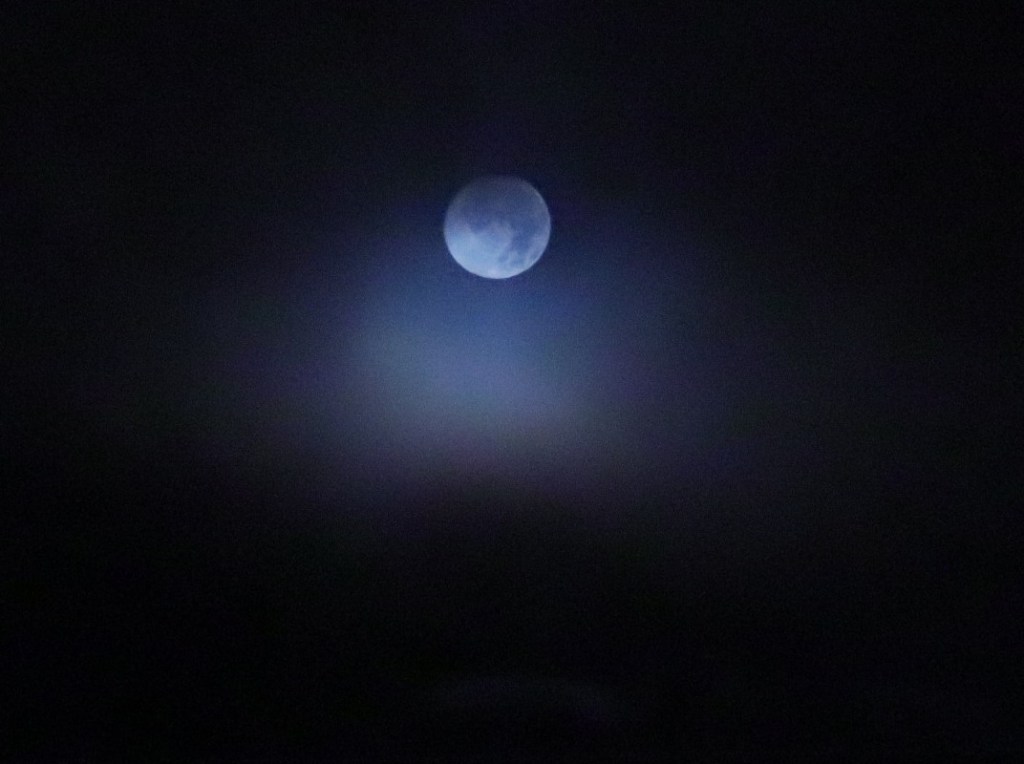
Moon all done with blood
So, the Moon is back 22:15 hrs approximately, and our moon is back without its blood colouring. I can’t help feeling that we miss something. It’s calm right now. You know getting on to 10:30 on Sunday night and the forest fire smoke is abated and it doesn’t seem 110° anymore. I think it only got to 100° f here something’s over with. I don’t know what it is. People kind of a emptiness in my spirit like something missed.
Well, if it was conflict we missed out on. Well that’s good. Peace and prosperity to all my friends and adherence people. I follow those that follow me. The world may have had some surgery, and recovery was just beginning. Enjoy!
The Dart mission only used a spacecraft to hit an asteroid and the results according to NASA are that the bump moved the course of the test target was changed.
There is little atmosphere in space and is generally referred to as a vacuum. We are used to seeing the results of explosives as they work on air blasts with destructive force. This may mean that atomic weapons would be muted as an asteroid breaker but it’s very hopeful to have the ability to intercept them.
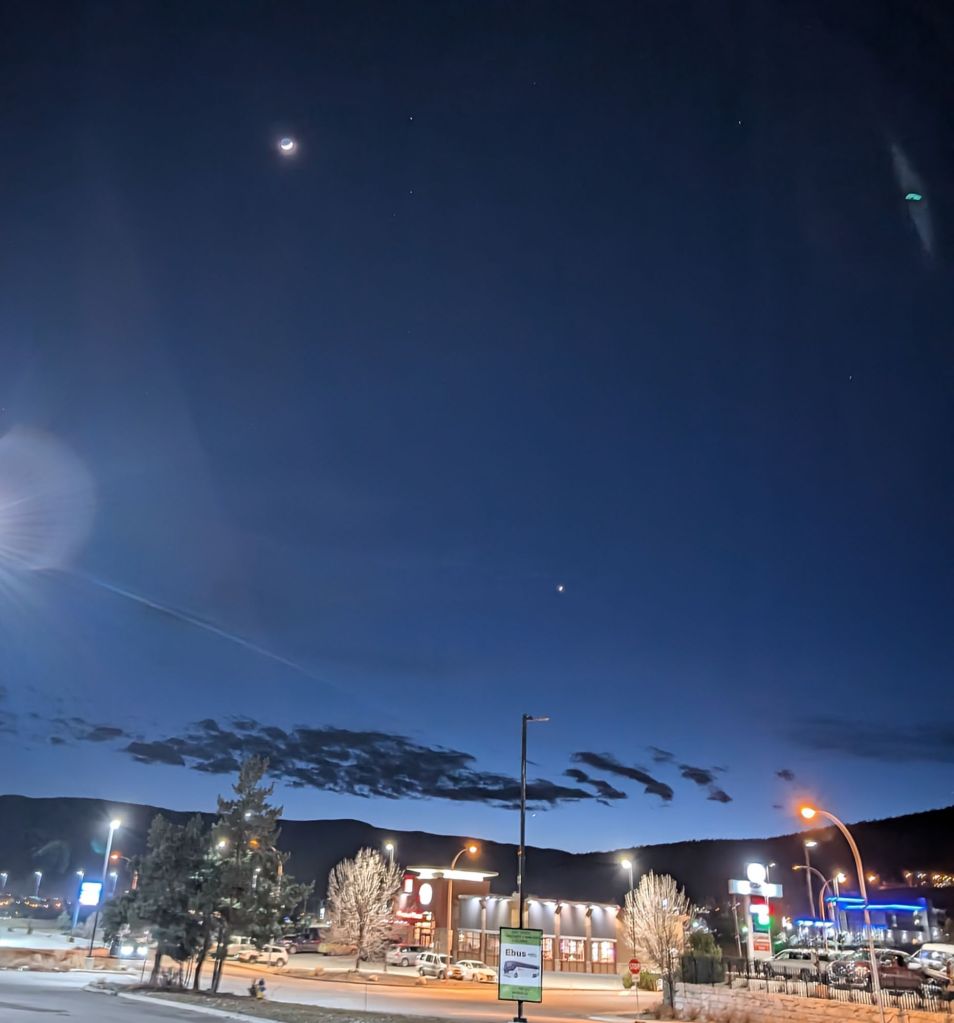
Outside Mr. Mike’s restaurant on Monday the 3rd of March 2025 we noticed this alignment between the Moon and what we think was Venus and the point of the triangle would be. What is it?
February is a fantastic month for stargazing, with a planet parade happening! Here are some tips to help you make the most of it: When to Watch: * Early February: The planet parade is happening from February 1st to 9th. This is your prime time to see multiple planets lined up. * Throughout February: While the main parade is early in the month, February offers other great stargazing opportunities, including the Full Snow Moon on February 12th and Venus at its brightest on February 16th. What to Look For: * Planet Parade: During the first week of February, you’ll have a chance to see six planets (Mercury, Venus, Mars, Jupiter, Uranus, and Neptune) aligned in the sky. * Moon and Planet Pairings: Keep an eye out for the Moon passing close to different planets throughout the month. These pairings make for beautiful sights. * Venus: Venus will be particularly bright this month, reaching its peak brightness on February 16th. Tips for Viewing: * Find a Dark Spot: The less light pollution, the better. Try to get away from city lights if possible. * Check the Weather: Clear skies are essential for stargazing. Check the forecast before you head out. * Use Binoculars or a Telescope: While some planets are visible to the naked eye, binoculars or a telescope will enhance your viewing experience and allow you to see fainter objects. * Be Patient: It takes time for your eyes to adjust to the darkness, so be patient and allow yourself time to take in the night sky. * Use a Sky Chart or App: A sky chart or stargazing app can help you identify planets and other celestial objects. * Dress Warmly: February nights can be cold, so dress in layers to stay comfortable. Specific Dates to Note: * February 1st: The crescent moon will be close to Venus and Saturn. * February 5th: The moon will be near Uranus. * February 6th: The moon will be close to Jupiter. * February 9th: The moon will be near Mars. * February 12th: The Full Snow Moon will be visible. * February 16th: Venus will be at its brightest. Remember to check online resources or stargazing apps for the most up-to-date information on celestial events and their visibility in your location. Enjoy the show!
To find a picture of the November 15th moon, you can: * Check Astronomy Websites and Apps: * NASA’s Astronomy Picture of the Day (APOD): This website often features stunning images of celestial objects, including the Moon. * Space.com: This website frequently publishes images of the Moon and other celestial bodies. * Sky & Telescope: This magazine and website offer in-depth coverage of astronomy, including lunar phases. * Stargazing Apps: Apps like SkySafari, Stellarium, and Star Walk allow you to simulate the night sky and view the Moon’s phases. * Search Online Image Databases: * Google Images: Search for “November 15th Moon” or “Beaver Moon 2024.” * Other Image Search Engines: Try Bing, DuckDuckGo, or Pinterest. * Social Media: * Twitter: Search for relevant hashtags like #BeaverMoon, #FullMoon, or #Astronomy. * Instagram: Look for accounts of astrophotographers who might have captured the November 15th Moon. Remember that the exact appearance of the Moon can vary depending on factors like weather conditions, atmospheric haze, and your location. However, these methods should help you find a visually appealing image of the November 15th Moon.






 Kevin Griffiths
 percypaschal
