You are presumed to be honest and responsible without evidence to the contrary beyond a reasonable doubt… on the balance of probablilties you are justified by 51 % likelyhood.
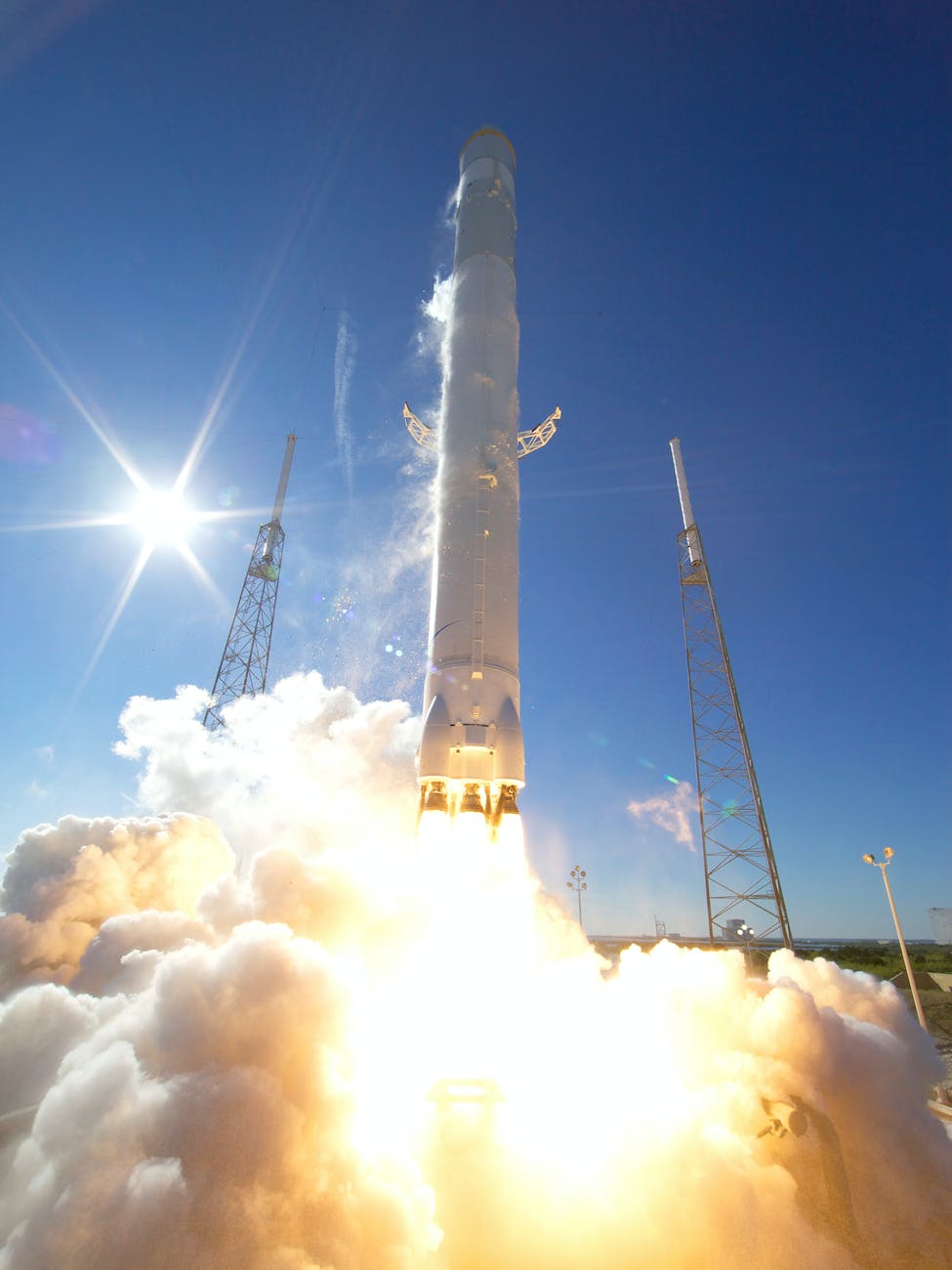
One of SpaceX’s rockets put up another space telescope up there. It’s said to have some particular questions to answer, particularly about black. Sorry dark matter and dark energy and the forces that give us a universe.
Ahead of schedule and under budget. Seems to have provoked an admiration for the project. K
We inadvertedly referred to a catch on the return of this test flight. I’m presuming that it would follow from the last one. But it seems that they touched down in the water and it was initially successful. Good luck to SpaceX!.. and their IPO.
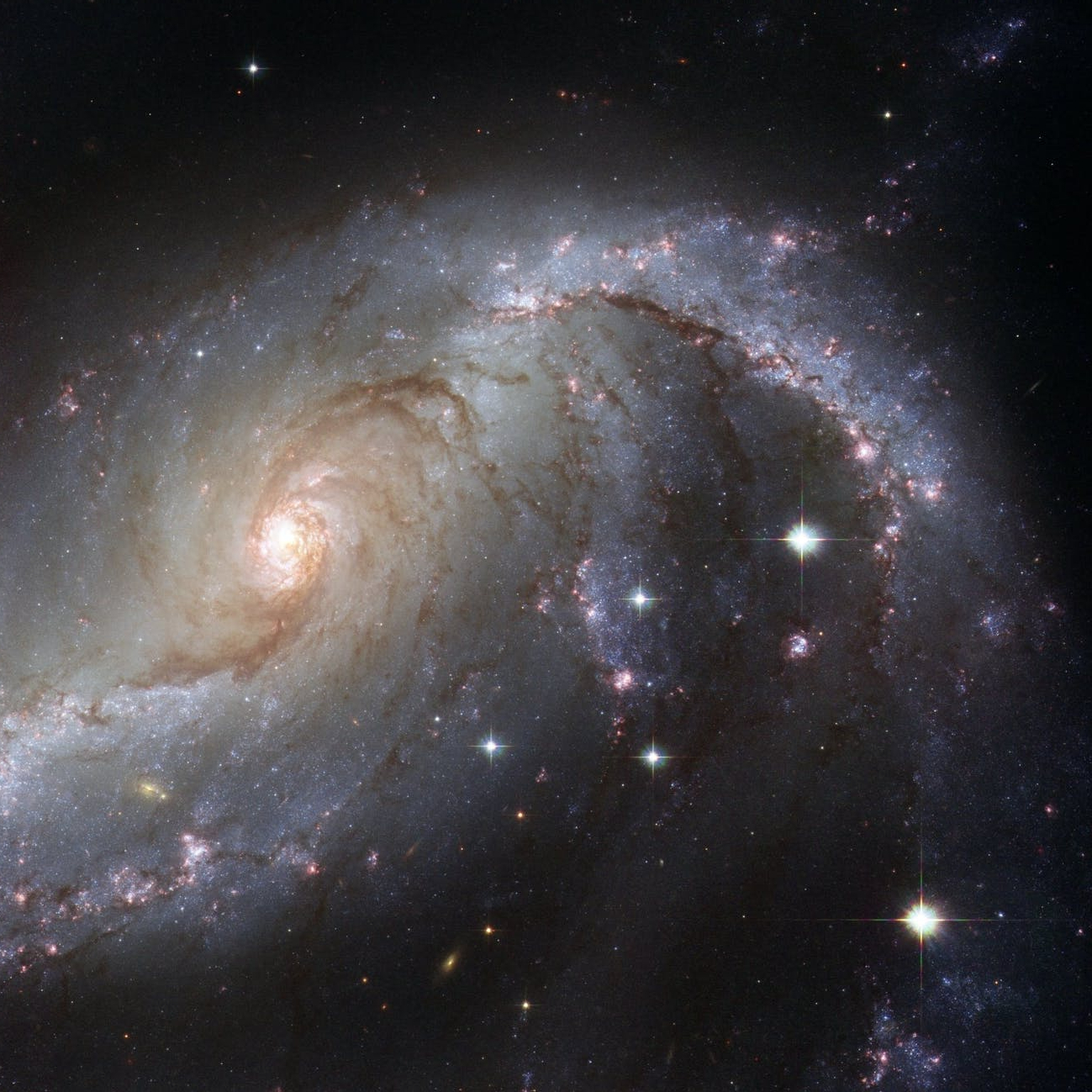
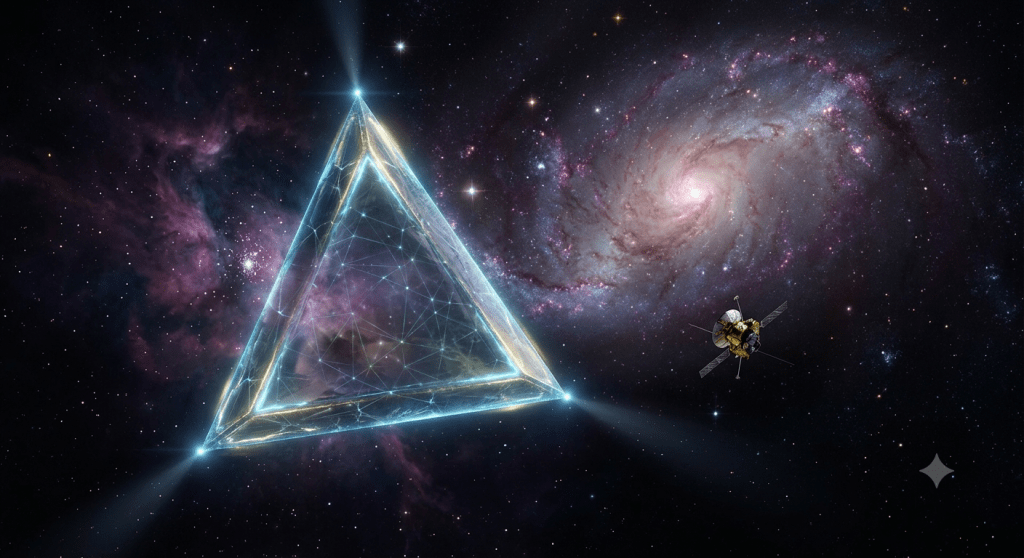
By leveraging the fundamental geometry of triangulation—most notably through the method of stellar parallax—space telescopes like Hubble and Gaia precisely map celestial objects and pinpoint their absolute positions across our galaxy and beyond. Because space telescopes operate above the distorting layer of Earth’s atmosphere, they can detect imperceptible, sub-milliarcsecond shifts in a distant star’s apparent location as the observatory changes vantage points over six-month intervals along Earth’s orbit around the Sun. Using this immense orbital baseline, astronomers construct giant right triangles where the observed shift forms a precise angle, allowing basic trigonometry to yield direct, highly accurate physical distances. These triangulated positions form the foundational “rungs” of the cosmic distance ladder, transforming two-dimensional optical images into intricate three-dimensional stellar maps that reveal the true architecture, clusters, and motion of structures within galactic space.
Egypt and capitalism
It all started with ropes 12 feet long and knots every foot in ancient Egypt.
The ancient Egyptians surveyed land up from the river with a triangle with a rope because the floods came every year bringing silt and nutrients in the flood for good for agriculture. However, they’d wash out every year and they’d have to resurvey them from records and for private ownership.
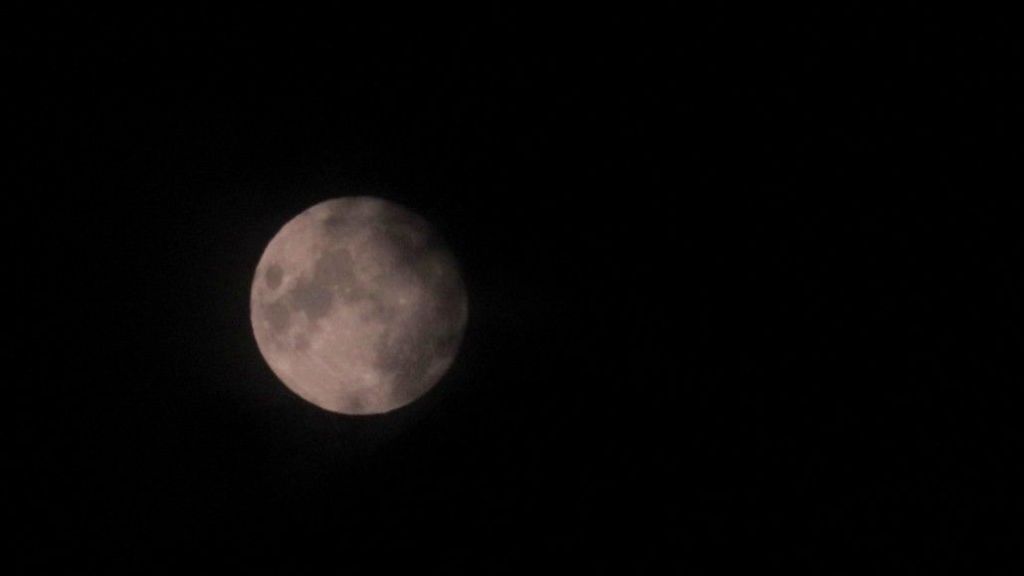
The gravitational pull of the Moon pulls equally on the Earth’s surface as it goes around. However oceans move up with the pull and the Earth rotates underneath them giving title rises from continent to continent.KDG
Stephen Hawking’s, the planetary scientist and the theological physicist passed away at the age of 76 a number of years ago on March 14th. So we remember him fondly today as somebody. That was very curious and was a good example for us to be curious and at the same time, productive, stable, and personable.
Since we are already halfway through the month, the first half’s events like the Quadrantids and Jupiter’s official opposition have passed. Here are four significant astronomical events occurring after January 16, 2026, that offer great scientific intrigue and visual appeal.
1. New Moon “Dark Sky” Window (January 18)
On January 18, the Moon reaches its New Moon phase, meaning it will be positioned between the Earth and the Sun and will not be visible in the night sky. * Scientific Value: For astronomers, the days surrounding a New Moon are the most critical for “deep-sky” observation. Without the interference of reflected moonlight (light pollution from space), faint objects like the Andromeda Galaxy and the Orion Nebula become visible even through standard binoculars. * What to look for: This is the best time to head to a dark-sky location to see the Milky Way’s winter arm in its full, dusty detail.
Comet Wierzchos reaches its perihelion (closest approach to the Sun) on January 20. As it swings around the Sun, the heat causes the comet’s ice to sublimate, creating a glowing “coma” and a tail of dust and gas. * Intrigue: Comets are essentially “time capsules” of the early solar system. While this specific comet is expected to be around magnitude 8 (requiring a small telescope or good binoculars), its appearance provides a real-time look at primitive solar system material. * Viewing Tip: Look low toward the southwest horizon shortly after sunset.
3. Conjunction of the Moon, Saturn, and Neptune (January 22–23)
On these two evenings, a thin, waxing crescent Moon will drift remarkably close to the ringed planet Saturn and the distant ice giant Neptune. * Scientific Value: These alignments (conjunctions) are perfect for “star-hopping.” Neptune is usually incredibly difficult to find because of its distance and dimness. On January 23, Saturn and the Moon act as celestial signposts, allowing amateur astronomers to point their telescopes at the exact spot needed to glimpse the tiny, blue-hued disk of the solar system’s outermost major planet.
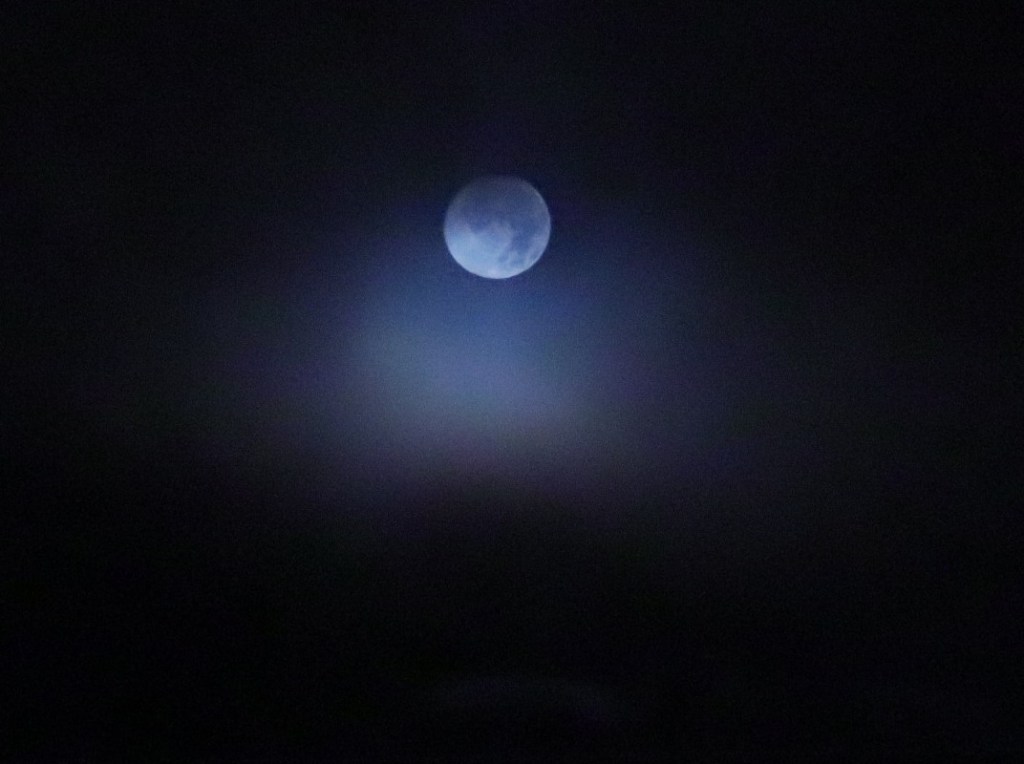
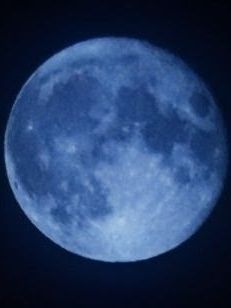
* Visual: The “Earthshine” effect—where the dark part of the Moon is dimly lit by sunlight reflecting off Earth—will be particularly beautiful on these nights.
4. First Quarter Moon & The Pleiades (January 25–27)
As the month closes, the Moon will reach its First Quarter phase on January 25, moving steadily toward the famous Pleiades (Seven Sisters) star cluster. * Scientific Intrigue: This is a “high-contrast” period. The shadows along the Moon’s terminator line (the line between light and dark) are at their longest, making it the best time to see the staggering vertical relief of lunar mountains and the deep bowls of craters like Copernicus. * The Highlight: On the night of January 27, the Moon will appear very close to the Pleiades. This provides a stunning scale comparison between our singular, rocky Moon and a “nursery” of hundreds of young, hot-blue stars located 444 light-years away.
Would you like me to find the exact coordinates for Neptune during the January 23rd conjunction, or perhaps a guide on how to spot the Orion Nebula during the New Moon?Ai
SpaceX has its first launch accomplished for 2026. As Donald Trump announces a policy of superiority in space.
Like a Roman mile, the gods have always followed exploration without letting it get out of its grip.
So, that’s the way of this world.As The four astronauts who have been training for the moon landing including one black and one woman one Canadian we think of the excitement of this adventure and the luxury that it’s enjoyed by a portion of the world that will never see it.







 Kevin Griffiths
 percypaschal
