Category: Stars


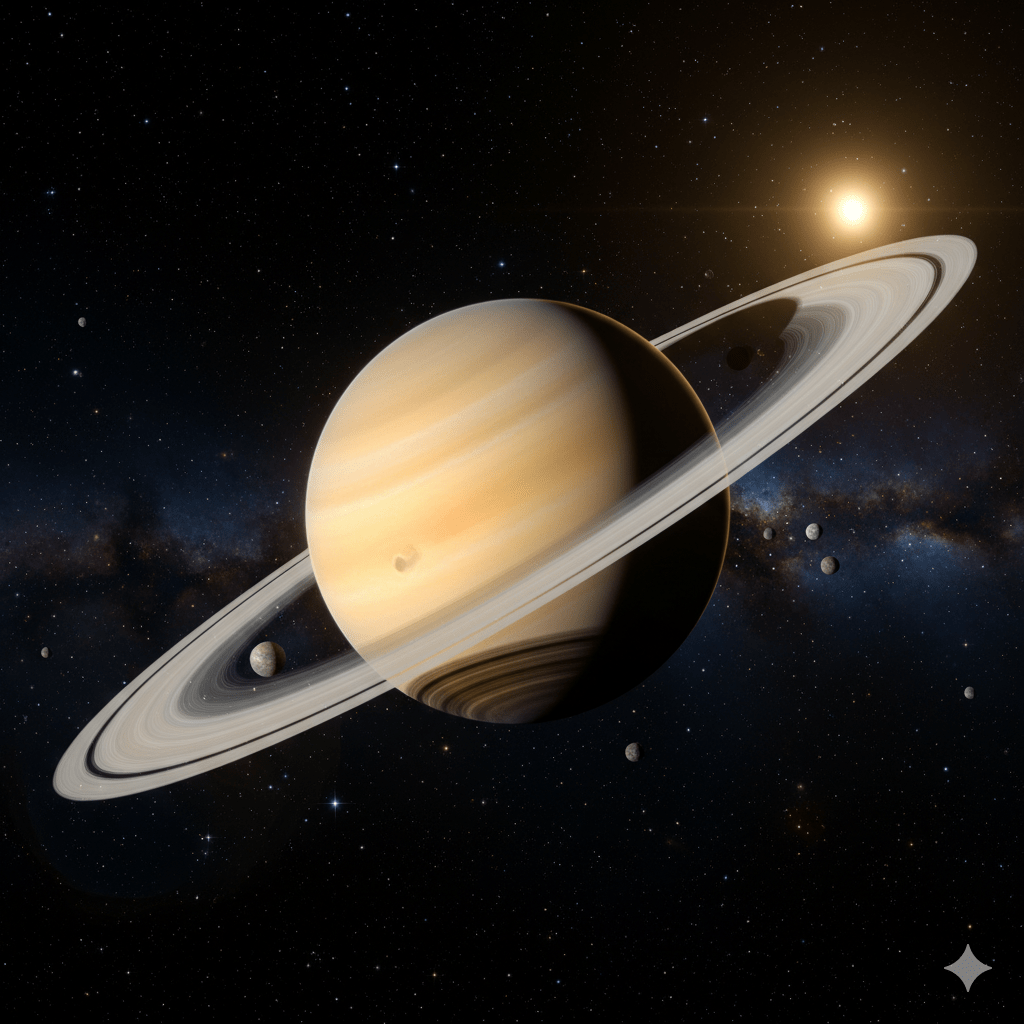
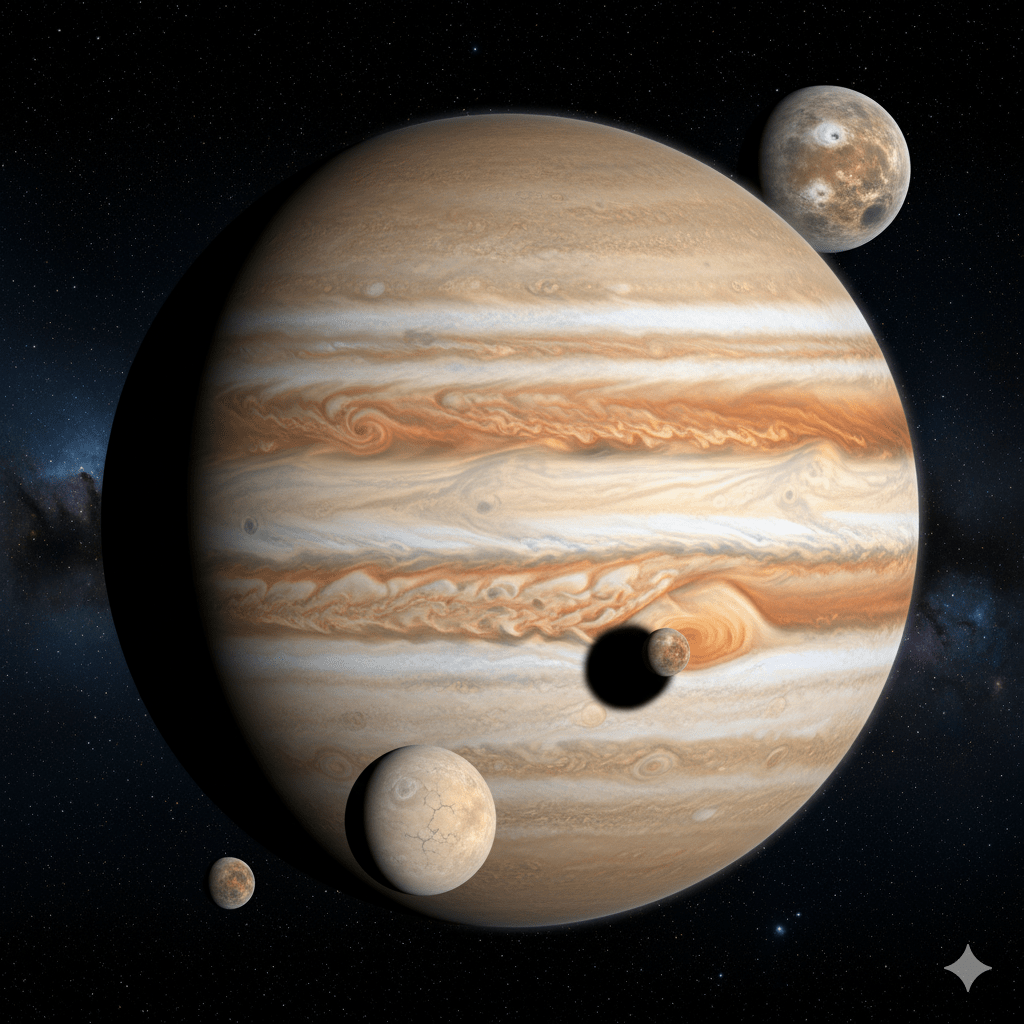
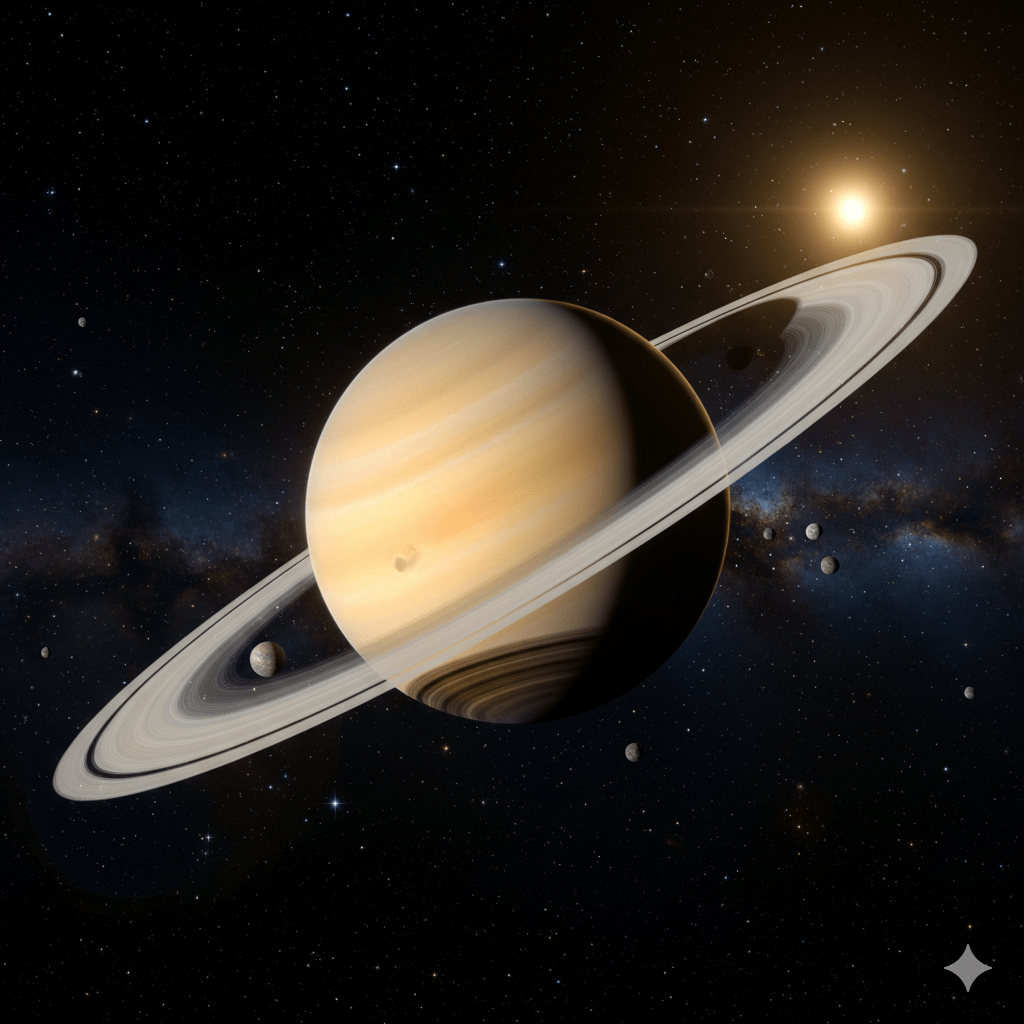
Jupiter eating his sun

The myth of Jupiter eating his son is a Roman version of the Greek myth of Cronus (the Titan god of time) and his children. It’s a foundational story in ancient mythology, explaining the succession of power among the gods.
Here is what the myth is about:
The Prophecy and the Act
The story begins with a prophecy that Cronus would be overthrown by one of his own children, just as he had overthrown his father, Uranus (the Sky). Driven by paranoia and a desire to retain his power, Cronus devoured each of his children as they were born. His wife, Rhea, was heartbroken and, when her sixth child, Zeus (Jupiter in Roman mythology), was born, she decided to save him.
Rhea hid the infant Zeus in a cave on the island of Crete and, to deceive Cronus, she gave him a stone wrapped in swaddling clothes. Cronus, not noticing the deception, swallowed the stone, believing he had successfully consumed his final child.
Zeus grew up in secret and, once he was an adult, he returned to confront his father. He forced Cronus to regurgitate his siblings—Hestia, Demeter, Hera, Hades, and Poseidon—who had been living inside him the whole time. The siblings, along with Zeus, then waged a ten-year war against Cronus and the other Titans, known as the Titanomachy. Zeus and the Olympians were victorious, and he became the ruler of the gods, fulfilling the prophecy.
The Omen and its Meaning
The myth was not an omen for a specific, future time. Instead, it was a symbolic story about the cyclical nature of power and the inevitability of change. It illustrates the idea of a “self-fulfilling prophecy,” where the very actions taken to prevent a fate from happening ultimately cause it to come to pass. Cronus’s fear and cruelty led directly to his downfall, as his attempt to avert the prophecy created the very enemy—his son Zeus—who would one day overthrow him.
The myth is often interpreted as a commentary on a few different themes:
* The passage of time: Cronus, who was also associated with the god of time (Chronos), devours his children, which can be seen as a metaphor for time consuming all things.
* The conflict between generations: It reflects the struggle between the older, tyrannical generation and the younger, more dynamic one.
* The triumph of a new order: The victory of the Olympians over the Titans represents a shift from a primal, chaotic world to a more civilized and orderly one, with Zeus establishing a new reign of justice.

A new rain, sounds good.

Tic

Rain or reign they both need to be timely to be effective.

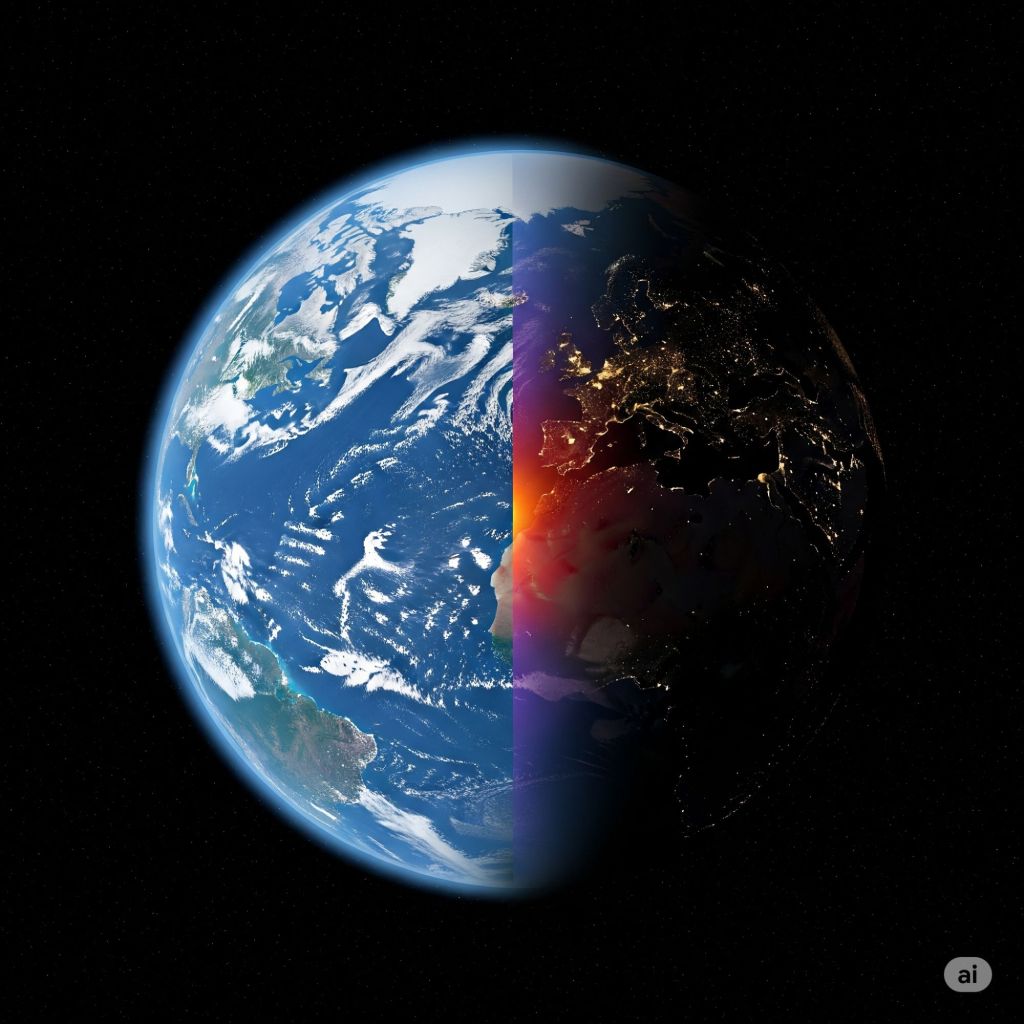
There has been some attention on a “short day” on August 5, 2025, due to a slight acceleration in the Earth’s rotation. This phenomenon is not something to be concerned about and will not have any noticeable impact on your daily life.
Here’s a breakdown of what this means:
* What is a “short day”? This refers to a day that is slightly shorter than the standard 24 hours (or 86,400 seconds). The Earth’s rotation speed isn’t perfectly constant and can vary by tiny amounts. In recent years, the Earth’s rotation has been speeding up, leading to a series of these shorter days.
* How short is it? The “short day” on August 5 is predicted to be shorter than a regular day by a matter of milliseconds, specifically about 1.51 milliseconds. This is an extremely small amount of time, far too small for any human to notice.
* Why is this happening? Scientists are still investigating the exact causes of these short-term fluctuations, but they are believed to be related to a combination of factors, including the complex motion of Earth’s liquid core, mass redistribution from melting polar ice, and tidal effects from the Moon. On August 5, the Moon’s position will be at a point that contributes to the acceleration of the Earth’s spin.
* Should you be concerned? No. The effects of this change are so minuscule that they are only detectable by highly precise atomic clocks used by scientists. The primary impact of these “short days” is a discussion among global timekeepers about the potential need for a “negative leap second” to keep our clocks in sync with the Earth’s rotation. This is a scientific and technical matter, not something that will affect your schedule or well-being.

What a marvel.

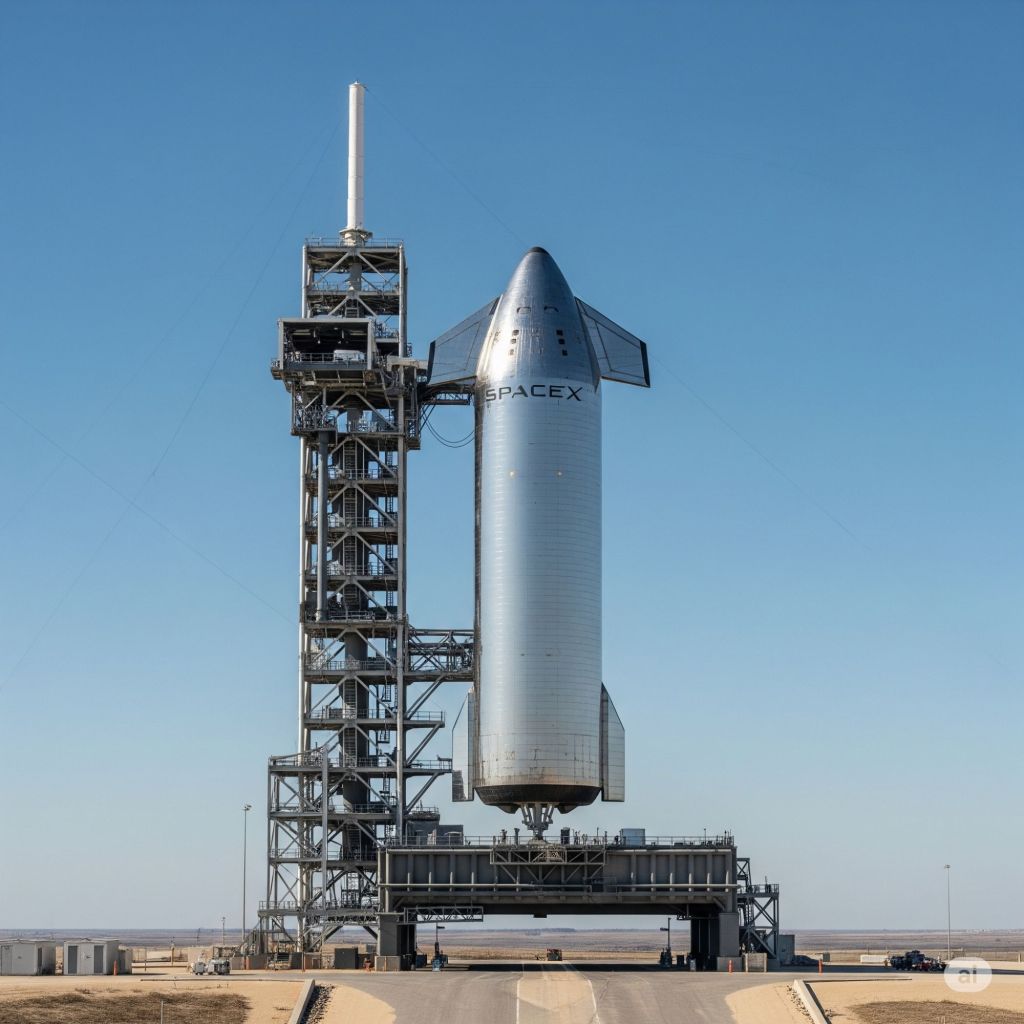
Version Two starship…

The second version of the Mars flying starship has been moved to Texas.

Mars readying

One heavy lifter and away they go…
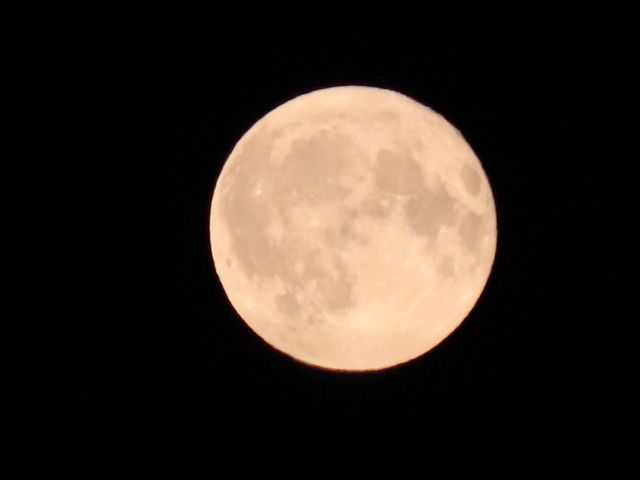
Photo KDG, Strawberry Moon Merritt BC.

The interest in all things lunar continues as mankind’s March to knowledge grows exponentially everyday.

Artemis program

Is the US serious…

The Artemis program is indeed going ahead, though with some shifts in its timeline and potential scope.
Artemis Program Status:
* Artemis I, an uncrewed test flight, successfully completed its mission to lunar orbit and back in late 2022.
* Artemis II, the first crewed mission to orbit the Moon (but not land), is now projected for April 2026, a delay from earlier targets.
* Artemis III, which aims to land humans on the lunar South Pole, is currently targeted for mid-2027, also delayed from previous schedules.
* There are ongoing discussions and potential budget cuts that could impact the program beyond Artemis III, with proposals to phase out the Space Launch System (SLS) and Orion spacecraft, and even cancel the Lunar Gateway. This highlights the political and financial challenges alongside the technical ones.
China’s Lunar Program:
China is actively pursuing its own ambitious lunar exploration program, known as the Chang’e Project.
* This program has already achieved significant robotic milestones, including orbiters, landers, rovers, and sample return missions.
* Crucially, China has publicly announced its goal to land astronauts on the Moon before 2030. They are developing key components like the Long March-10 carrier rocket, Mengzhou manned spacecraft, Lanyue lunar lander, and a lunar rover.
* China also plans to establish an International Lunar Research Station (ILRS) at the Moon’s south pole, aiming for international collaboration.
Is Competition Worthwhile?
The competition between the Artemis program (primarily US-led with international partners) and China’s lunar ambitions is often framed as a “new space race.” There are several arguments for why this competition can be worthwhile:
* Accelerates Innovation: Competition can spur rapid technological development and push the boundaries of what’s possible, as each nation strives to achieve milestones first or more efficiently.
* Reduces Costs: In some cases, competition, especially with the rise of private companies, can drive down the cost of space access and operations.
* Inspires and Engages: A visible “race” to the Moon can inspire public interest in science, technology, engineering, and mathematics (STEM) fields, and foster a sense of national pride and achievement.
* Redundancy and Resilience: Having multiple nations developing lunar capabilities can create redundancy, ensuring that human access to space and lunar exploration continue even if one program faces setbacks.
* Geopolitical Influence: Leadership in space exploration is often seen as a marker of a nation’s technological prowess and global influence.
However, there are also arguments against intense competition or for emphasizing cooperation:
* Duplication of Effort: Parallel programs can lead to redundant efforts and inefficient use of resources that could be pooled for greater scientific return.
* Increased Risk of Conflict: While currently peaceful, a heightened “space race” could potentially lead to increased geopolitical tensions or even weaponization of space, though most nations advocate for peaceful use.
* Missed Opportunities for Collaboration: Cooperation can lead to shared knowledge, expertise, and resources, potentially achieving more complex and ambitious scientific goals.
In summary, the Artemis program is pushing forward with its aim to return humans to the Moon, while China is a serious and active competitor with its own independent and ambitious lunar plans. Whether this competition is “worthwhile” depends on the perspective, but it undoubtedly drives innovation and maintains a dynamic environment in lunar exploration. Many argue that a balance of healthy competition and strategic cooperation could yield the most beneficial outcomes for humanity’s presence in space.

June  night sky

June 11th Full moon…

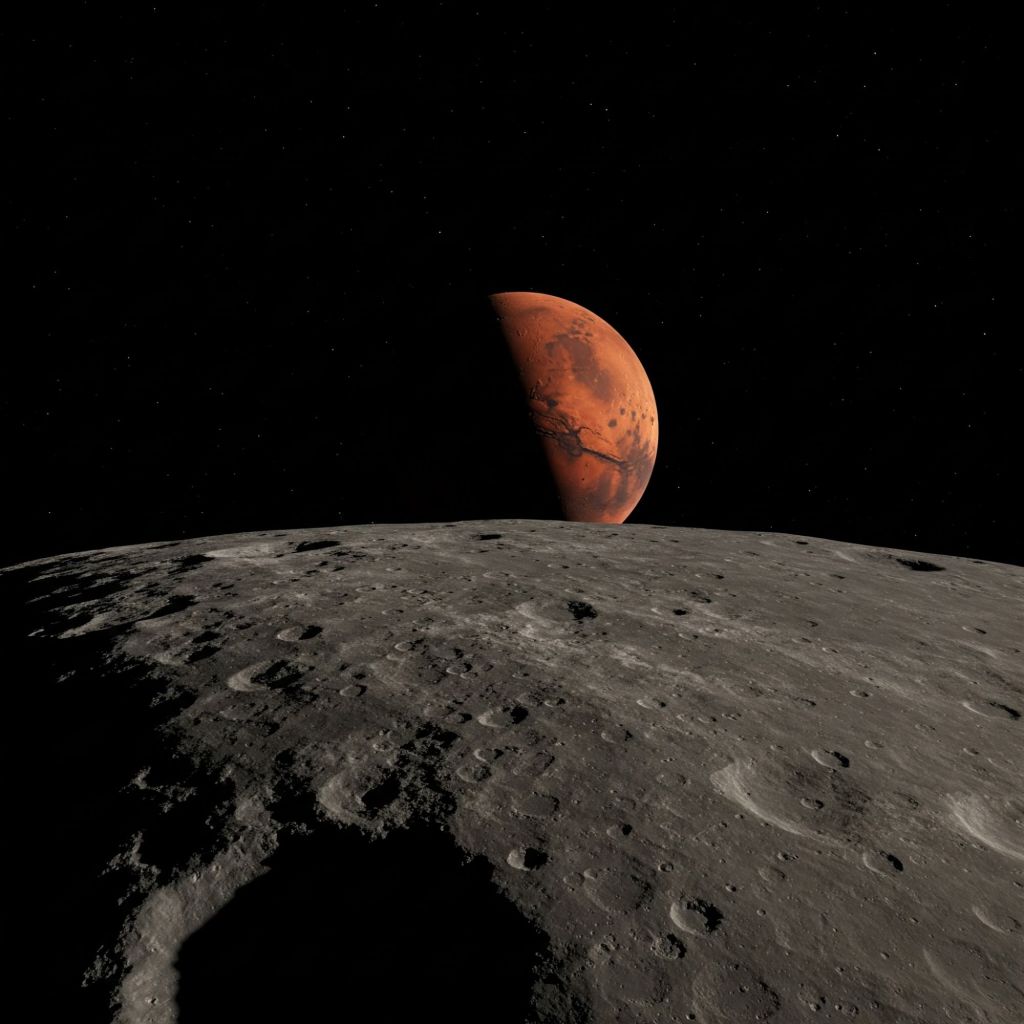
Lunar ovulation of Mars June 30th 2025

Fly me to the Moon/Mars…

Atmospheric dome is busy.

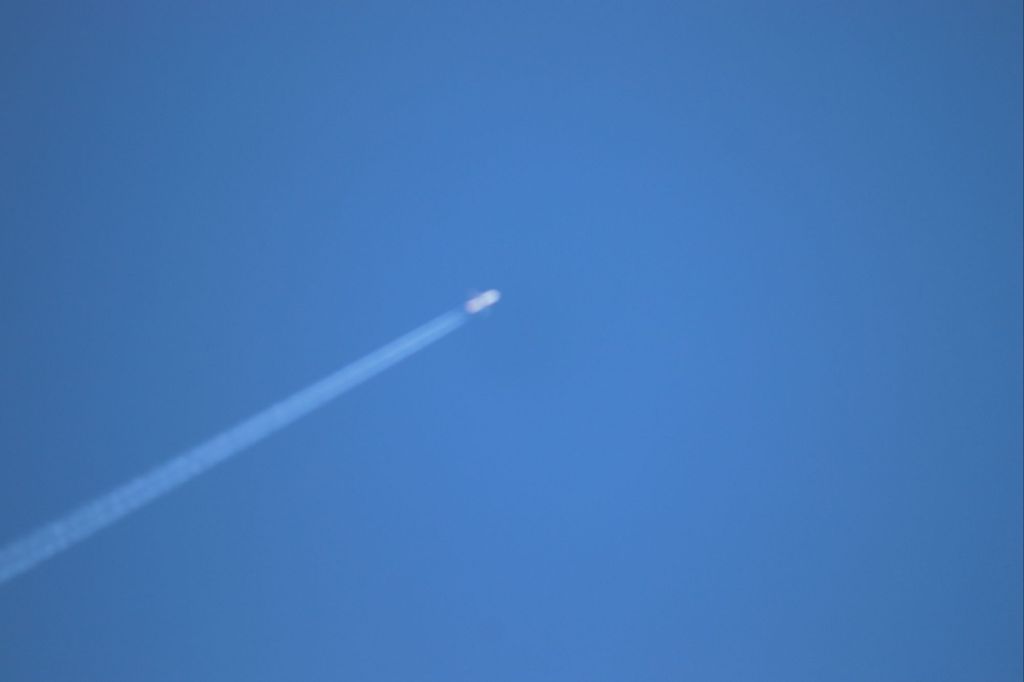
UFO 18:58:03 Pacific time May 27th 2025 over Merritt BC.

Space X

Test failed at tasks

So, not the Moon or Mars this week.

Rapid movement

This guy should be in government.

Fast trains mean less trains.KDG
Model train set in local library had a car stuck in a tunnel! Trains are a big part of our heritage! File photo KDG

Science Fictional or just Diction

The Mag train or fast train appears to be science fiction affirmed but in reality it’s just the repulsion of magnets doesn’t lift anything by nuclear activity or anything like that. Any bubble technology or speed of light and anything like that. It’s just magnetic repulsion that takes a lot of electricity to generate. However, fast trains are the product of them. And they are attractive. You be the judge.

New moon tonight,

Black sky on West coast of North America

The new moon will occur on Sunday, April 27, 2025, at 12:31 PM PDT on the west coast of North America.Visibility on the West Coast of North America:A new moon is the first lunar phase, which occurs when the Moon lies between the Earth and the Sun. At this phase, the sunlit side of the Moon faces away from Earth, making the Moon generally invisible to the naked eye. It rises and sets at roughly the same time as the Sun.Therefore, on the night of April 27th, 2025, and the days immediately surrounding it, the new moon will not be visible from the west coast of North America. The sky will appear dark (assuming clear weather and minimal light pollution), which makes it an excellent time for observing stars and other fainter celestial objects.General Information about the New Moon: * The Start of the Lunar Cycle: The new moon marks the beginning of the approximately 29.5-day lunar cycle. * Alignment: During a new moon, the Moon is positioned between the Earth and the Sun. * Earthshine: Although the sunlit side faces away, sometimes a very faint glow called “earthshine” can make the unlit portion of the new moon subtly visible. This is due to sunlight reflecting off the Earth and onto the Moon. * Solar Eclipses: New moons are the only phase during which a solar eclipse can occur. This happens when the new moon passes directly between the Sun and Earth, and the Moon’s shadow falls on Earth. However, a solar eclipse will not occur on April 27th, 2025. * Stargazing: The dark skies during the new moon phase provide the best conditions for observing faint stars, galaxies, and other deep-sky objects since there is no bright moonlight to interfere. * Tides: New moons (along with full moons) contribute to higher high tides and lower low tides, known as spring tides, due to the combined gravitational pull of the Sun and the Moon.So, while you won’t be able to see the new moon itself on April 27th from the west coast of North America, you will have a dark sky perfect for stargazing!

Good sky gazing, good luck 🤞

Mars on track…

Lunar landing

Well would a tariff  opportunity speed things up … Tic…

The Artemis program is currently underway, with several missions planned to establish a sustainable presence on the Moon as a stepping stone for human missions to Mars. Here’s an update on its progress and the outlook for a Mars landing:
Artemis Program Status:
The Artemis program is organized into a series of increasingly complex missions. Here’s the current status of the initial missions:
* Artemis I: This uncrewed test flight successfully orbited the Moon and returned to Earth in November 2022, serving as the first integrated test of the Space Launch System (SLS) rocket and the Orion spacecraft.
* Artemis II: This mission will be the first crewed flight of the Orion spacecraft, sending a crew of four astronauts around the Moon. It is currently targeted for launch no earlier than April 2026.
* Artemis III: This mission aims to land astronauts on the Moon’s South Pole region. It is currently scheduled for mid-2027. This mission will use the SpaceX Starship Human Landing System (HLS) to transport two astronauts to the lunar surface.
* Artemis IV: This mission is planned for late 2028 and will involve docking with the Lunar Gateway, a small space station that will orbit the Moon. Astronauts will transfer through the Gateway to the HLS for their descent to the lunar surface.
* Artemis V: Planned for March 2030, this mission will also dock with the Gateway and is expected to involve a longer stay on the lunar surface, contributing to the establishment of a permanent lunar habitat.
When to Expect a Landing on Mars:
The Artemis program’s long-term goal is to prepare for human expeditions to Mars. While there isn’t a specific date set, NASA’s planning indicates that a crewed mission to Mars could plausibly happen in the mid to late 2030s.
* Some sources mention a potential three-year crewed expedition to Mars with a return planned between 2035 and 2038. The duration of the stay on Mars could vary from 90 to 500 Earth days, depending on favorable return windows.
It’s important to note that the timeline for Mars missions is more fluid and depends on the success of the Artemis lunar missions, the development of necessary technologies, and continued funding. The experience gained from establishing a sustained presence on the Moon, including testing technologies and understanding the challenges of long-duration deep space missions, is crucial for the eventual human exploration of Mars.

Good luck, we will not hold our breath…

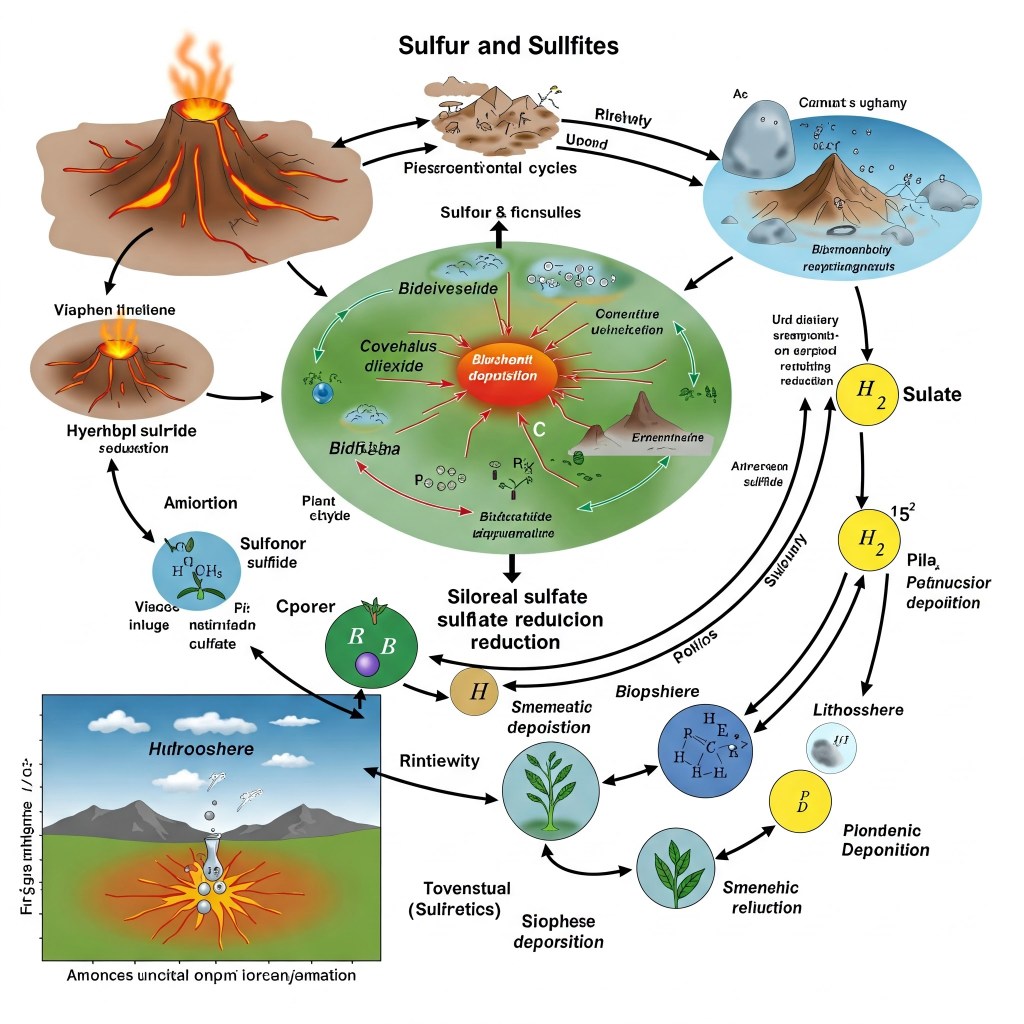
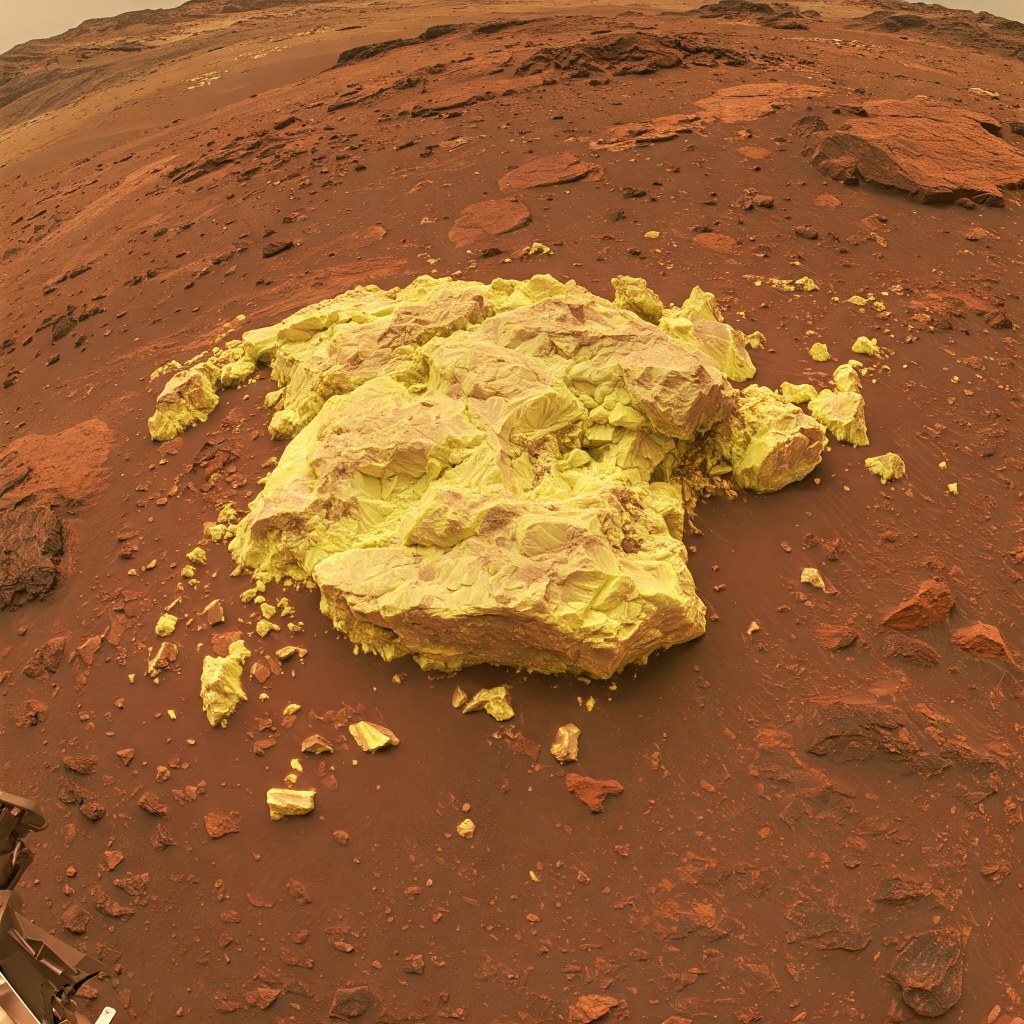
Sulfur an indication of ancient…

Sulphur a clue …

TGIF- NASA on February Moon engagements…

There’s no moon like a Snow Moon.
Line up… and engage…