Since 1970
This year’s theme:
AI and digital planning for tourism.
Tourism contributed 10% to world GDP in 2024 according to this source.
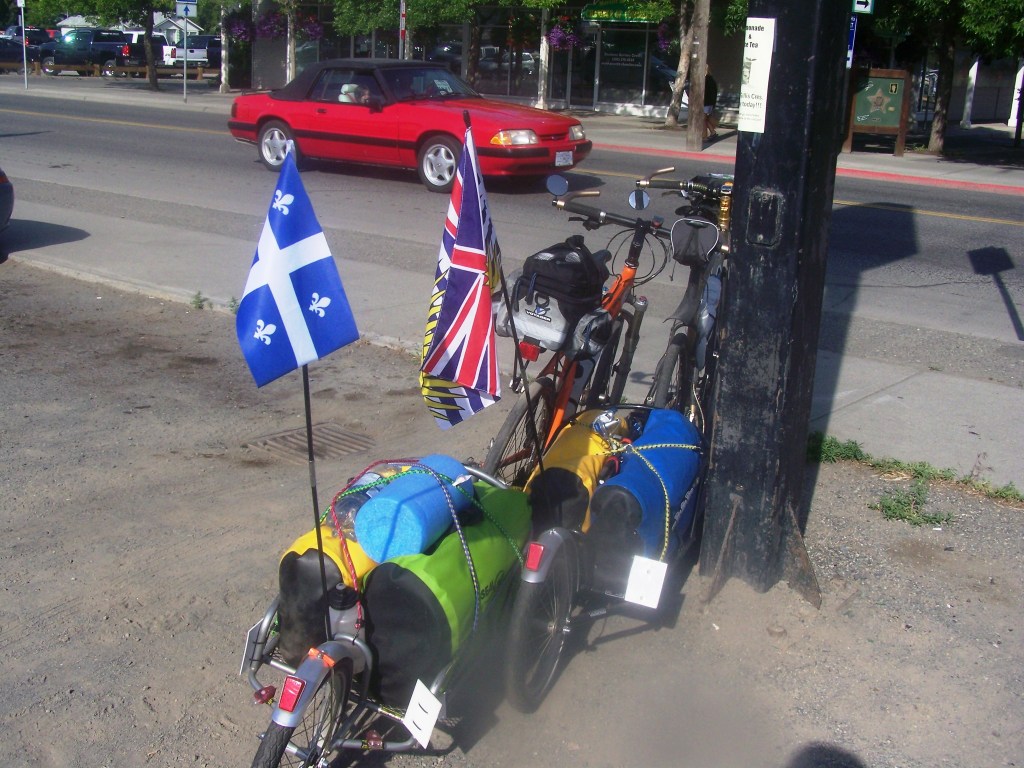


Truth, Presumption Responsibility
To the seasons of life

Since 1970
This year’s theme:
AI and digital planning for tourism.
Tourism contributed 10% to world GDP in 2024 according to this source.
Featuring Ryan Bellville,season 29
break a bone:a funny bone…

Photo: Pexels.com
preseason and reg schedule
At this writing, the Merritt centennials are playing with a five to one lead over The Columbia Rockies… 12 minutes left in the 3rd period.
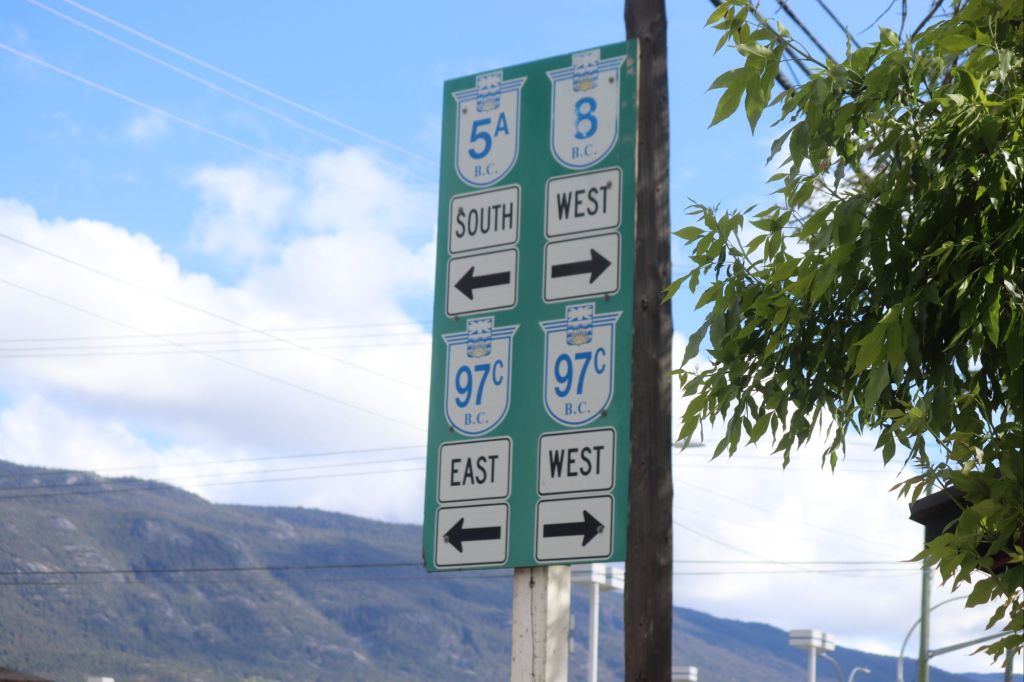
Elk and moose open September 10th and run through November accordingly to the jurisdiction or the area that it’s in.
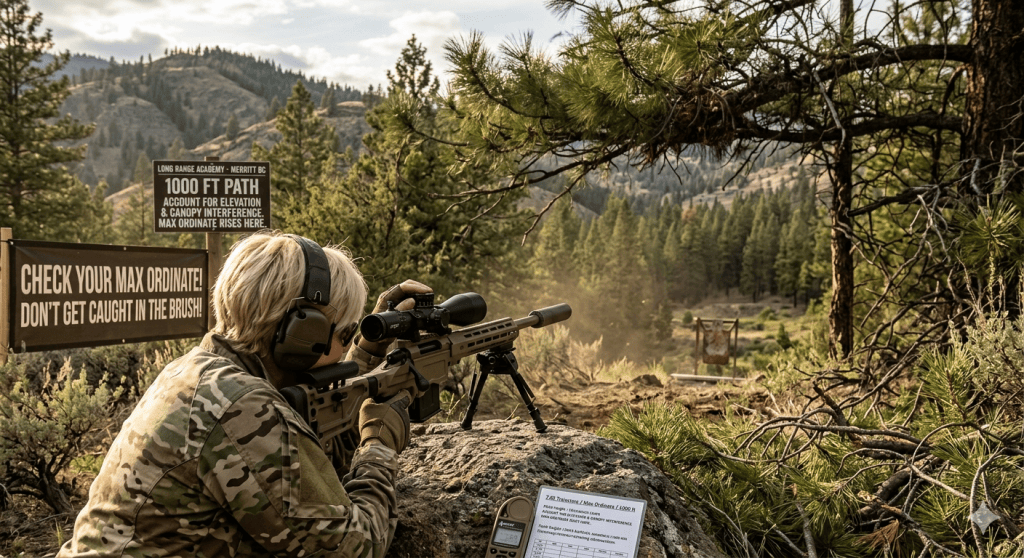
When a bullet is fired from a rifle, it doesn’t travel in a perfectly straight line; instead, it follows a parabolic trajectory called an **arc**. The moment the bullet leaves the muzzle, gravity begins pulling it downward, while atmospheric drag slows its forward velocity. To hit a target 1,000 feet away, the rifle barrel must be slightly elevated, forcing the bullet to climb to a **peak height** (known as the ordinate) before gravity coaxes it back down to the target’s level.Because different cartridges carry varying bullet weights and gunpowder capacities, their trajectories—and how high they must fly to cover that distance—differ significantly.Here is the typical peak height (maximum ordinate) for each caliber when zeroed for a 1,000-foot (approximately 333-yard) target:### **.30-Caliber / 7.62mm (e.g., .308 Winchester / 7.62x51mm NATO)** *
Approximately **1.5 to 1.8 feet** (18 to 22 inches) above the line of sight. * **The Arc:** A standard 147-grain or 168-grain .30-caliber bullet leaves the barrel at around 2,600 to 2,800 feet per second. To hit a target 1,000 feet out, it reaches its highest point roughly 550 to 600 feet downrange, coasting just under two feet higher than your point of aim before dropping back down.### **.50-Caliber (.50 BMG)** * **Peak Height:** Approximately **1.0 to 1.2 feet** (12 to 14 inches) above the line of sight. *
*The massive 647-grain to 750-grain .50-caliber bullet travels at a similar muzzle velocity (around 2,700 to 2,800 feet per second) as the .30-caliber, but its immense weight gives it a much higher ballistic coefficient. It retains its velocity incredibly well and cuts through air resistance effortlessly, resulting in a noticeably flatter trajectory and a lower peak height over a 1,000-foot distance.Are you looking at these trajectories for a specific ballistics project, or perhaps a scene you are writing?
Yes, your shot can absolutely be spoiled by interference above the line of sight. This is a classic hazard for hunters, target shooters, and tactical marksmen alike.Because a shooter looks through a scope or iron sights in a perfectly straight line, they only see the **line of sight**. They cannot see the actual, curved **line of departure** (the arc the bullet takes).Here is how that arc can cause unexpected trouble when dealing with overhead obstacles:
Whenyou are aiming at a target 1,000 feet away, you might have a perfectly clear view of the target through your optics. However, because a .30-caliber bullet loops up to nearly 2 feet above that straight line of sight, any low-hanging tree branches, thick brush, or structural ceilings (like the roof of a shooting pavilion or a cave opening) sitting within that upper window can intercept the bullet.### What Happens Upon ImpactIf the bullet nicks a branch or brush at the peak of its arc, a few things happen instantly:
*Even a tiny twig can drastically alter the bullet’s flight path, sending it feet wide or high of the target by the time it travels the remaining distance. * **Tumbling and Deformity:** Hitting an object causes the bullet to lose its aerodynamic stability. It will begin to tumble, lose velocity rapidly, and shed accuracy. * **Fragmentation:** Depending on the bullet type (especially softer hunting rounds), hitting an obstacle mid-flight can cause it to break apart prematurely.### The Proximity FactorWhere the brush is located along that 1,000-foot path matters immensely: * **Near the muzzle:** The bullet is still rising quickly. Obstacles just above your line of sight close to you are a high risk. * **At the mid-point (500–600 feet):** This is where the bullet reaches its **maximum ordinate** (its highest point). This is the danger zone for low-hanging ceilings or tree canopies that look perfectly clear through your scope.
** The bullet is on its descent, meaning obstacles lower to the ground near the target become the primary threat.In short, just because you can see the target doesn’t mean the bullet has a clear path to get there. Marksmen always have to account for that invisible “loop” in the zone above their crosshairs.
Moose and Elk season opens September 10th 2026. Please be careful for each other. Follow regulations and local experts such as the is Ponderosa’s Sport shop?
Merritt is a fishing destination,
One of the sure things, and because it’s illegal and dumb, never shoot a rifle across water.
Join Ella Chow interm host of The British Columbia Hotels Association, Check In series.
Merritt Centennials up for Junior A 26/27. Now with the…
Opps wrong one


Thats better…
Editors Note: These are not paid adds but sharing of published material in the public interest and available for comment.PP

New cooler,new visable choice, new tone,It was a Happy BC Day weekend!.
Downtown tourist information center 2202 Voght Merritt BC…
https://share.google/vkkqgxNH67HNMlwzt
At its simplest, a **bot** (short for *robot*) is a software program designed to perform automated, repetitive tasks on a schedule or in response to specific triggers—much faster and at a far higher volume than a human could ever manage.
### Common Types of Bots
Bots make up a huge portion of internet traffic, serving both helpful and annoying (or harmful) purposes:
* **Search Engine Crawlers (Web Spiders):** Google and Bing use bots like *Googlebot* to scan, index, and organize web pages so they show up in search results.
* **Chatbots & Virtual Assistants:** AI models and automated messaging tools that help answer questions, handle customer support, or draft text.
* **Monitoring Bots:** Tools that constantly check if a website is online or functioning properly.
* **Data Feed Bots:** Programs that automatically sync weather updates, news feeds, or financial tickers.
L
* **Spambots:** Programs designed to harvest email addresses or flood contact forms and comment sections with spam advertisements.
* **Scraper Bots:** Programs that steal published text, images, or content from websites without permission.
* **Scalper / Ticket Bots:** Bots programed to buy up limited-availability event tickets or retail items the microsecond they go on sale.
* **Credential Stuffers:** Automated scripts trying thousands of stolen username/password combinations to breach user accounts.
* **Botnets:** Networks of thousands of infected computers or devices controlled by a central attacker to launch cyberattacks (like DDoS attacks).
“`
Input / Trigger ──> Algorithm / Logic ──> Automated Action
(e.g. Schedule, (e.g. “If X happens, (e.g. Send message,
User message) do Y”) index page)
“`
1. **Trigger:** A bot receives an instruction—such as a timer going off, an incoming user message, or a web page loading.
2. **Logic Processing:** It processes the input using pre-set rules, scripts, or (in modern systems) machine learning models.
3. **Action:** It performs the task instantaneously, whether that’s submitting a web form, sending a message, or grabbing a piece of data.
For more info search for: Identifying bots from humans…

Viewing wild orcas in British Columbia is a world-class experience. The coastal waters surrounding Vancouver Island and the BC mainland provide some of the richest marine habitats on Earth, attracting two primary distinct populations (ecotypes) of orcas.
### **1. Key Orca Ecotypes in BC**
* **Bigg’s (Transient) Orcas:** These are mammal-eating orcas that hunt seals, sea lions, and porpoises. Their populations are thriving along the BC coast, and they move continuously throughout the Salish Sea and outer coastal inlets, making year-round sightings frequent.
* **Resident Orcas (Northern & Southern):** These orcas feed almost exclusively on fish, especially Chinook salmon.
* **Northern Residents:** Frequently sighted in the waters around Northern Vancouver Island (Johnstone Strait and Broughton Archipelago) during summer and early fall.
* **Southern Residents:** Found around southern Vancouver Island, the Gulf Islands, and the Salish Sea. Due to conservation efforts, strict distance regulations apply when viewing them to protect their population.
### **2. Top Locations for Orca Viewing**
#### **Telegraph Cove & Johnstone Strait (Northeast Vancouver Island)**
* **Highlights:** Widely recognized as one of the best locations in the world for orca watching. Home to the **Robson Bight (Michael Bigg) Ecological Reserve**, a protected sanctuary famous for its “rubbing beaches,” where Northern Resident orcas come to rub against smooth gravel on the ocean floor.
* **How to Experience:** Boat tours, multi-day sea kayaking expeditions, or zodiac excursions based out of Telegraph Cove, Port McNeill, or Alert Bay.
#### **Victoria & Sooke (Southern Vancouver Island)**
* **Highlights:** Prime entry point to the Salish Sea and Strait of Juan de Fuca. Excellent for spotting Bigg’s orcas and humpback whales.
* **How to Experience:** Daily Zodiac and covered cruiser tours depart directly from Victoria’s Inner Harbour or Sooke.
#### **Vancouver & Steveston (Lower Mainland)**
* **Highlights:** Convenient access for travelers staying on the mainland. Tours navigate the Strait of Georgia, the Gulf Islands, and Howe Sound to follow active pods.
* **How to Experience:** Day-trip operators depart out of Granville Island, Coal Harbour, and Steveston Village (Richmond).
#### **Campbell River & Cowichan Bay / Parksville (Central Salish Sea)**
* **Highlights:** Sheltered waters between Vancouver Island and the mainland, offering high success rates for spotting transient pods navigating channel passes.
#### **Prince Rupert & The North Coast**
* **Highlights:** For a remote, off-the-beaten-path experience, northern BC waters offer encounters with migrating orcas following salmon runs alongside humpbacks and grizzly bear viewing.
### **3. Prime Season**
* **Best Months:** **May through October**
* **July to September** is peak season, offering calm sea conditions, long daylight hours, and high concentrations of both resident and transient orcas following migrating salmon or hunting marine mammals.
* **Year-Round Potential:** Because Bigg’s (transient) orcas travel constantly in search of seals and sea lions, they can be spotted in BC waters in winter and spring as well.
### **4. Ways to Tour**
* **Covered Motor Vessels / Cruisers:** Ideal for family comfort, shelter from wind and spray, photography with stable platforms, and onboard naturalists.
* **Zodiacs:** Open-air, high-speed boats that offer an adventurous, closer-to-the-water feel.
* **Guided Kayaking Trips:** Multi-day basecamp or expedition tours (especially in Johnstone Strait / Hanson Island) allow quiet, immersive encounters with wildlife.

* **Distance Laws:** Marine mammal regulations in Canada require vessels to maintain a minimum distance (typically **400 metres** for all killer whales in BC coastal waters, or **200 metres** in specific designated areas for non-resident populations) to prevent boat noise from interfering with their echolocation and feeding.
* **Eco-Certified Operators:** Choose operators accredited by the *Pacific Whale Watching Association (PWWA)* or local eco-tourism boards that follow strict wildlife viewing protocols and contribute to marine conservation research.

This is an international association members are linked below. We suggest to be safe to engage the people that have the cumulative experience to ensure your safety.
From the Editor:
While some interactions can naturally happen closely, there are strict guidelines in place today to ensure the animals are protected and not disturbed.
Junior A Hockey, Merritt
Tonight the Merritt Centennials ended 51 consecutive years of play, positive presence posed…
Itelca Gillispie, Merritt Centennials.

Good luck Merritt Centennials hockey players and your move to the KHL league.
The end of 51 years,they remain a force in Merritt.
Looking ahead
CBC Gem offers many services including sports broadcasting. Get the free app and link your phone…
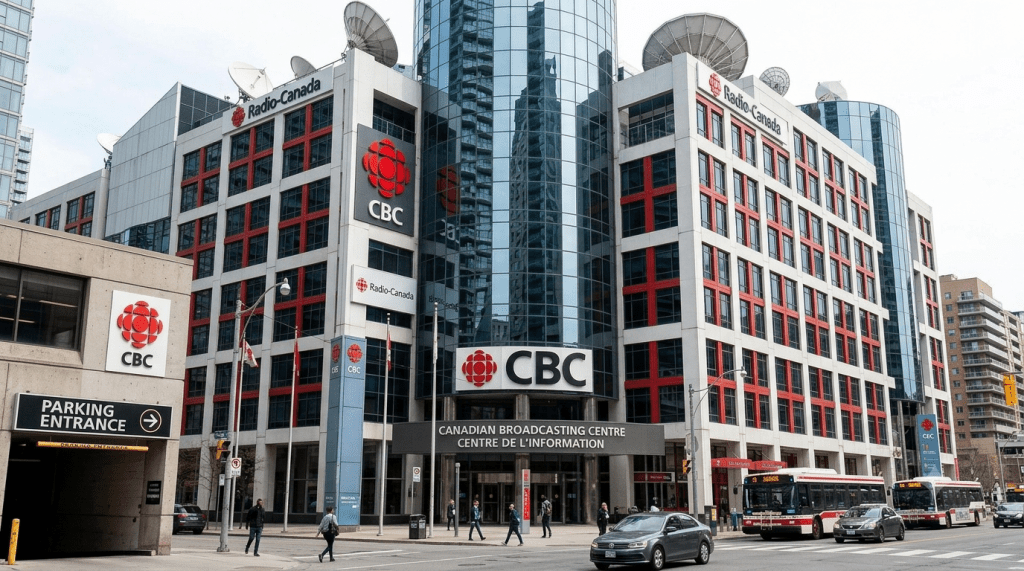
Happy sports viewing…
Disclaimer: This is not an ad; it is posting news and soliciting comment interaction and viewpoints.
Henry Acers profile at hiring July 2026
(twenty years Experience)
British Columbia hockey conference, 22 teams launched.

The game opener for the new season in the new league for the Merritt experience was on September 27th 2024, Friday night in the Nicola Valley memorial arena off Garcia Street in the recreational mall
There’s nothing you can say about a loss except next time, the new Merritt team took on Kamloops and presented a good game that resulted in an overtime win to the Kamloops Team.
Now a privately owned team in the the Kooteny Junior League. The Merritt centennials have verbal commitments and fan support as they start this new experience
The 51 years of BCJHL hockey is going into the dust + din of the past and the nostalgia will not carry for long new fans. New players and new owners need to be kept presenting their best as a new pride of place opportunity also presents.

That’s a major development! The British Columbia Hockey Conference has been approved by BC Hockey to become a fully sanctioned Junior A league. The Merritt Centennials are among the 22 teams that will be competing in this new conference for the upcoming season, marking a big step up in their competitive status.
Researched July 18th 2026, KDG
as of: no schedule has been released yet. However the 22 teams most probably will have their first game in the middle of September.

Hey Merit what do you say?


 Kevin Griffiths
 percypaschal
