Category: Space


Off to black star wonder…

Wow…

Deep Space 9…

CBC

Countdown

The countdown is officially on! As of today, Tuesday, March 31, 2026, Artemis II is scheduled to launch tomorrow, Wednesday, April 1, 2026.NASA and the Space Force are currently reporting an 80% chance of favorable weather for the launch. Here is the specific timing if everything stays on track:Launch Details * Target Date: Wednesday, April 1, 2026 * Launch Window Opens: 6:24 PM EDT (3:24 PM in Merritt) * Window Duration: 2 hours * Location: Launch Complex 39B, Kennedy Space Center, FloridaBackup OpportunitiesIf there is a “scrub” due to technical issues or local weather, NASA has several backup windows already lined up: * Daily backups: April 2 through April 6 * Extended backup: April 30The Mission at a GlanceThis is a historic 10-day mission that will send four astronauts—including Canadian astronaut Jeremy Hansen—on a trajectory around the far side of the moon. It’s the first time humans have left low Earth orbit since 1972.Since you’re in British Columbia, you can catch the live coverage on NASA’s YouTube channel or NASA+ starting around 9:50 AM PDT tomorrow if you want to watch the fueling process, with full broadcast coverage beginning at 9:50 AM PDT.Would you like me to find the specific streaming links or local TV listings for the launch?

Trip around the Moon, Artemis 2…

Next week 🔧📐🌡️🫰

NASA’s Artemis II mission, the first crewed flight in the Artemis program, is scheduled to launch next week from Launch Complex 39B at the Kennedy Space Center in Florida. The target launch date is Wednesday, April 1, 2026, with the launch window opening at 6:24 PM EDT. Therefore, the launch is scheduled for the evening.

If you are watching from other time zones, this corresponds to 10:24 PM UTC, or early Thursday morning, April 2, for locations such as India (3:54 AM IST). NASA has additional backup launch opportunities available through April if a delay is necessary.

Good Luck

Stephen Hawking’s, the planetary scientist and the theological physicist passed away at the age of 76 a number of years ago on March 14th. So we remember him fondly today as somebody. That was very curious and was a good example for us to be curious and at the same time, productive, stable, and personable.

K

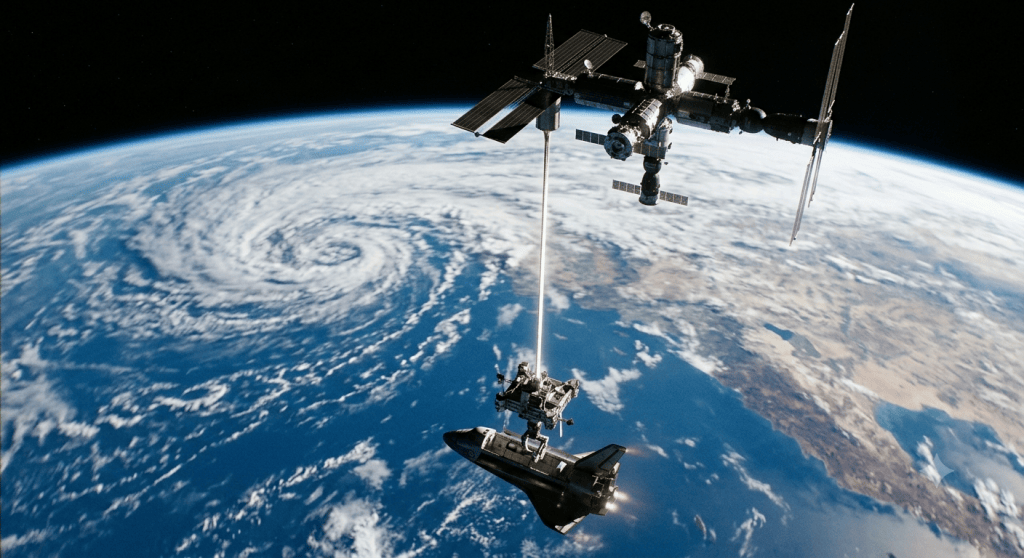
Space station transfer

Thankyou all who dare….

Today’s milestone actually centers on the successful restoration of the Baikonur Cosmodrome’s Site 31, which was finally declared ready for action today following critical repairs. This pad, Russia’s only active site for launching crews to the International Space Station (ISS), had been sidelined since November 2025 after a launch damaged its service infrastructure. With these repairs finalized, Roscosmos is now moving into immediate preparations for the launch of the Progress MS-33 cargo ship on March 22, 2026. This mission is vital for the orbiting laboratory, as it will deliver roughly 2.5 tons of fuel, water, and food—a far cry from “five elephants” (which would weigh closer to 30 tons), but still a significant haul for a vehicle designed to dock autonomously with the station.The rocket tasked with this heavy lifting is the Soyuz-2.1a, a digital-age workhorse of the legendary R-7 family that costs approximately $35 million to $48 million per launch. It has a proven track record with over 160 launches, having successfully transitioned from the older analog systems to digital flight controls that allow for more precise orbital insertions. Looking ahead, Russia is balancing its ISS commitments with a pivot toward its own national project, the Russian Orbital Station (ROS). While they have agreed to support the ISS through 2028, they are already planning the first module for their independent station for 2027, signaling a slow “dive” away from international collaboration as the ISS nears its planned retirement around 2030.Would you like me to look up the specific cargo list for the upcoming March 22nd mission once it’s released?

Blood moon,

Four eclipses and…

Moon

https://www.facebook.com/share/p/16pAhTLDAP/

Artemis February 2nd

“for all humanity”

The path to the future

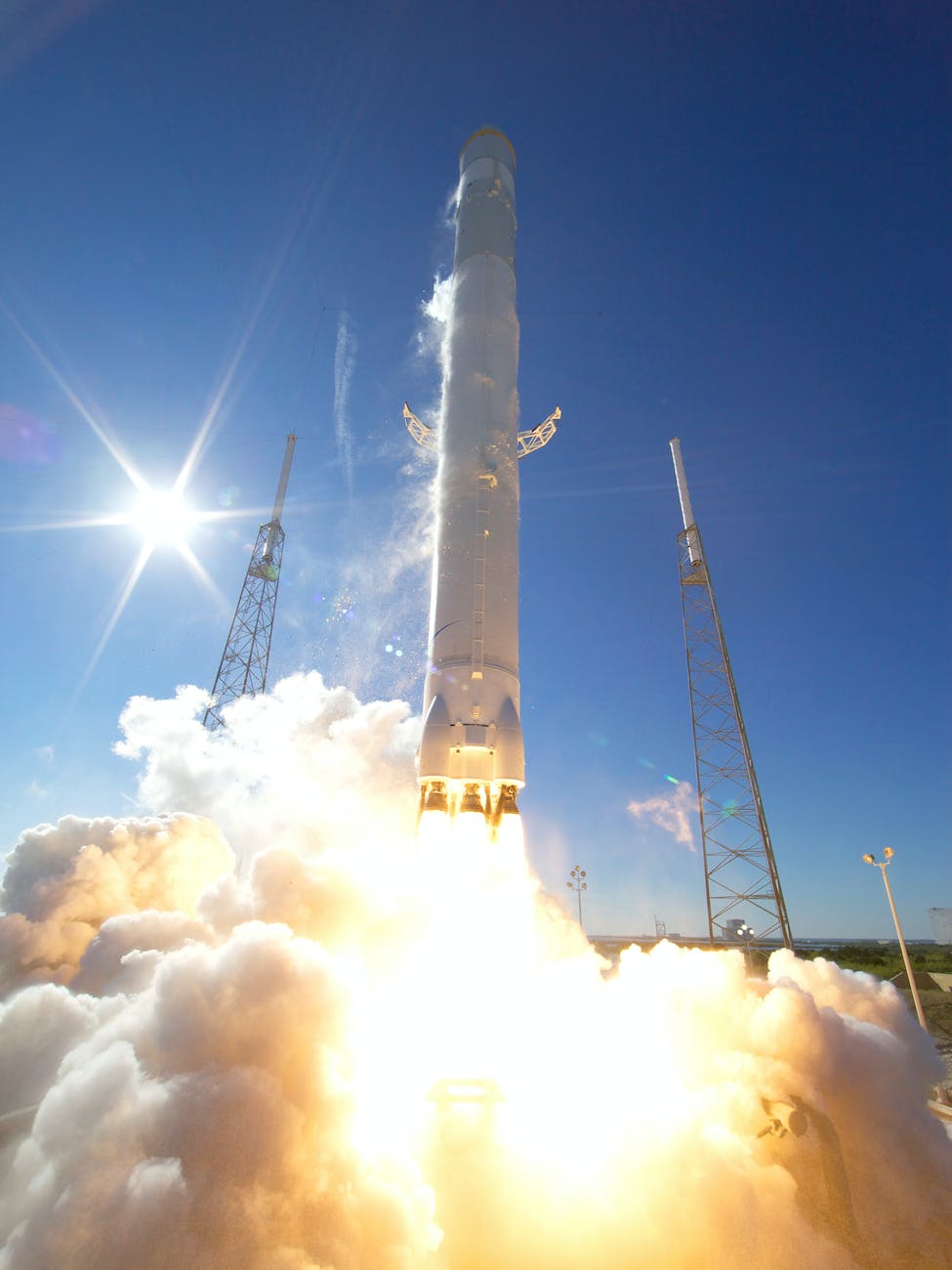
SpaceX

SpaceX has its first launch accomplished for 2026. As Donald Trump announces a policy of superiority in space.

Like a Roman mile, the gods have always followed exploration without letting it get out of its grip.

So, that’s the way of this world.As The four astronauts who have been training for the moon landing including one black and one woman one Canadian we think of the excitement of this adventure and the luxury that it’s enjoyed by a portion of the world that will never see it.

November Sky

Secrets of the universe…

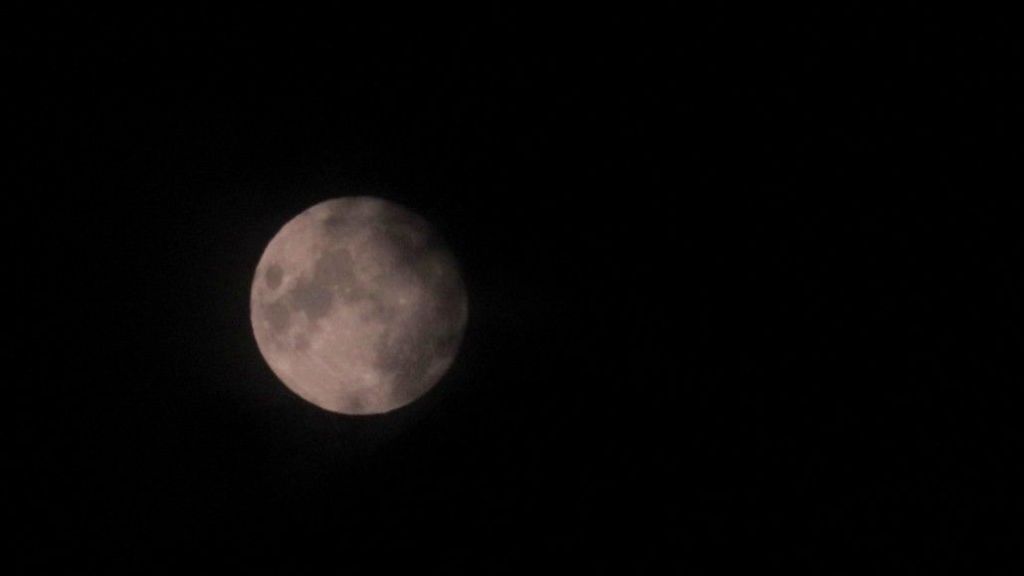
The November 2025 sky promises a spectacular display, headlined by the closest and brightest Supermoon of the year!🌕 The November 5 Supermoon in British ColumbiaThe Full Moon in November is traditionally called the Beaver Moon. This year, it’s also a Supermoon, meaning the Full Moon coincides with the Moon’s closest approach to Earth (perigee), making it appear slightly larger and brighter than an average Full Moon. In fact, this is being called the biggest Supermoon of 2025.| Detail |

Time (PST – Pacific Standard Time) ||—|—|| Exact Peak Illumination | Wednesday, November 5 at 5:19 AM PST || Approximate Moonrise (Vancouver) | Tuesday, November 4 around 4:00 PM PST || Approximate Moonset (Vancouver) | Wednesday, November 5 around 7:37 AM PST |Note on Timing:The Moon is technically “Full” at the exact moment of peak illumination (5:19 AM PST on Nov 5th), but it will appear full to the eye for about three days, from the evening of November 4th through the evening of November 6th.What to Look For 👀The best viewing for the “super” effect is actually when the Moon is low on the horizon on the evenings of November 4th and 5th.

* The “Moon Illusion”:

When the Moon is near the horizon, a psychological phenomenon known as the “Moon Illusion” makes it look even larger next to foreground objects like trees and buildings. This will enhance the Supermoon’s effect.

* Color and Clarity:Photo KDG

Look for a deep orange or yellow colour as the Moon rises due to the Earth’s atmosphere scattering light. Since the Moon is closer, its features may appear slightly sharper if you’re using binoculars or a telescope.✨ 7 Other Celestial Events in November 2025November offers excellent viewing opportunities for planets and two notable meteor showers.1. Planets in the Evening Sky

* Saturn

(All Month):

The ringed planet is an excellent viewing target throughout November. Look to the southeast after sunset; it will be a bright, yellowish “star” visible well into the night. On November 2nd and again on November 29th, the Moon will pass close by Saturn. * Mercury (Early November): The tiny planet reaches its highest altitude in the evening sky around November 1st–2nd. Look low in the west shortly after sunset. It’s usually difficult to spot, so this is your best chance for the month.2. Planets in the Morning Sky

* Jupiter (Late Evening/Morning):

The largest planet rises in the late evening and is brilliantly visible high in the south before dawn. Its Great Red Spot and four largest moons are great targets for a small telescope. * Venus (Early Morning): This incredibly bright “Morning Star” is visible low in the east just before sunrise in the beginning of the month.3. Meteor Showers

* Northern & Southern Taurids

(Peaks Nov 4–5 & Nov 11–12): The Taurids are known for producing slow, bright meteors called fireballs, though their hourly rate is low (around 5 per hour). Look for them after midnight in the region of the constellation Taurus.

* Leonids Meteor Shower

(Peak Nov 17–18):

The Leonids are famous for being one of the fastest meteor showers. It peaks on the night of November 17th into the morning of the 18th. With the Moon being a thin crescent, the skies will be dark, allowing for better viewing of its typical rate of 10–15 meteors per hour. The radiant is in the constellation Leo, best viewed after midnight.

Uranus at Opposition…

* November 21st: The planet Uranus reaches opposition, meaning Earth passes directly between it and the Sun. This is when Uranus is closest to us and at its brightest for the year. Although it will still be too dim to see with the naked eye, it can be spotted with binoculars or a small telescope in the constellation Taurus. Look for its faint, blue-green disk.

Good viewing! Happy Star trails!

it’s a good month to get rings in…

Spacex upgrade

SpaceX’s Starship Flight 11 was a significant success, achieving every major objective and marking the final flight of the Version 2 Starship and first-generation Super Heavy booster.Starship Flight 11 SuccessesThe test, which launched on October 13, 2025, from Starbase, Texas, demonstrated critical capabilities for Starship’s future development and reusability: * Flawless Ascent and Staging: The Super Heavy booster successfully ignited all 33 Raptor engines, and a successful hot-staging maneuver separated the booster and the Starship upper stage.

*

Booster Soft Splashdown:

Super Heavy completed its boostback burn and a new, unique 13-engine landing burn designed for the next generation of the booster. It then successfully hovered above the water before executing a soft splashdown in the Gulf of Mexico, providing valuable data for future landing-tower catch attempts. * Starship Milestones: The upper stage achieved its planned velocity and trajectory, successfully deployed eight Starlink simulators, and performed the third in-space relight of a Raptor engine—a crucial capability for deorbit burns.

* Controlled Re-entry and Splashdown:

Starship gathered extensive data on its heatshield performance during atmospheric re-entry, intentionally stressing the vehicle. It then successfully executed a final landing flip, landing burn, and soft splashdown in the Indian Ocean.The complete success of this mission provided crucial data as SpaceX pivots to the next generation of Starship, the Block 3 vehicles.Upcoming Starship Flight 12Starship Flight 12 is highly anticipated as it will debut the new Block 3 vehicle version and is expected to launch from the renovated Pad 1 or the new Pad 2 at Starbase. * Launch Timeline: A precise launch date has not been finalized, but speculation from industry observers and polls suggests a potential window around the end of 2025 or early 2026. * New Vehicle: Flight 12 will feature the first use of the Block 3 Starship and Super Heavy vehicles, which are intended to have enhanced reliability, reusability, and payload capacity.

* Objectives:

The flight is expected to repeat the suborbital flight profile of its predecessors, with the ship falling slightly short of reaching a full orbit. It may also pursue more aggressive tests related to reusability, such as further refinement of the landing burn in preparation for the eventual booster “chopsticks” catch. The focus for Block 3 vehicles will be on performing orbital launches and subsequent reusability and recovery.The next flight is a critical step in finalizing the Starship Version 3, the iteration that will be used for orbital launches and ultimately for crewed missions to the Moon and Mars.Here’s an overview of the most recent successful test: SpaceX Starship Stuns With Perfect Splashdown | Musk Celebrates Historic 11th Test Flight Success – YouTube.This video is relevant as it provides coverage of the successful Flight 11 test and its key achievements.

Good Luck

Wednesday charm

Get your air Miles…

post script

Yes we have Space

Super Moon

233581 Miles; this harvest Moon is the first super moon of the year and it is the closest one as yet. Today October 8th 2025 it came as close as it will, as it begins to wane, it will still appear full for a couple days. Enjoy weather permitting. Cloud cover committing.

Total eclipse of the Moon, September 7th and 8th,

September blood noon not  visible in NA

While there is no total solar eclipse on September 7th or 8th, 2025, there will be a total lunar eclipse visible during that time. A partial solar eclipse will occur later in the month, on September 21st.
The total lunar eclipse on September 7-8 is a significant event, often called a “Blood Moon.” It will be visible in Europe, Africa, Asia, and Australia, but not in North America. Several organizations are planning to provide live broadcasts of the lunar eclipse.
Organizations that may provide a live broadcast include:
* Timeanddate.com is a well-known resource for eclipse live streams and has a dedicated page for this event.
* The Virtual Telescope Project has also announced an online observation of the eclipse.
* The Dubai Astronomy Group is a partner with timeanddate.com and will be providing a live feed from their location.
To find the live stream, you can look for announcements from these organizations closer to the date of the event.
The following video discusses the upcoming total lunar eclipse in September.
The 7 Sept. 2025 Total Lunar Eclipse: online observation
This video provides information about the total lunar eclipse and a live stream for the event.

YouTube video views will be stored in your YouTube History, and your data will be stored and used by YouTube according to its Terms of Service

Live on Sept 7, 10:25 AM