Tag Archive: Mars


NASA says Mars rehabilitation not possible

Land on moon,oceans…
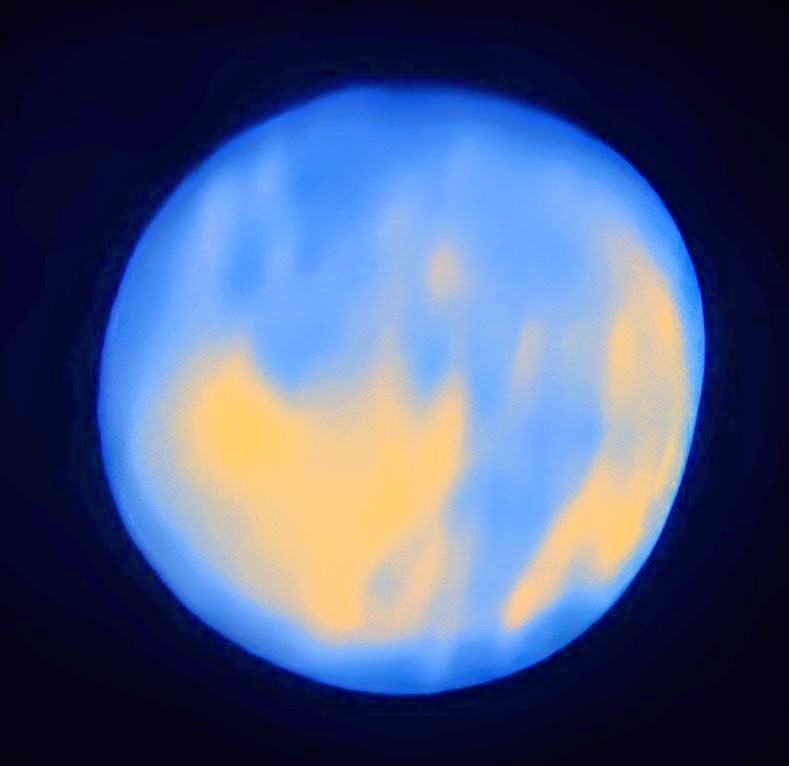
Not a clear photo of the moon I snaped. But in unblur mode, goggle photos; it came out with land and oceans. Poetry, no green cheese at all, or is that Atoll.

Editors Note:

The Chinese robotic mission on the dark side of the Moon is interested in the amount of hydrogen that’s captured in the soils up there. At this time there’s a bit of excitement about that.

Careful with facts

If it’s sensational it’s worth a another look at sources.

*NASA Mars lightning,

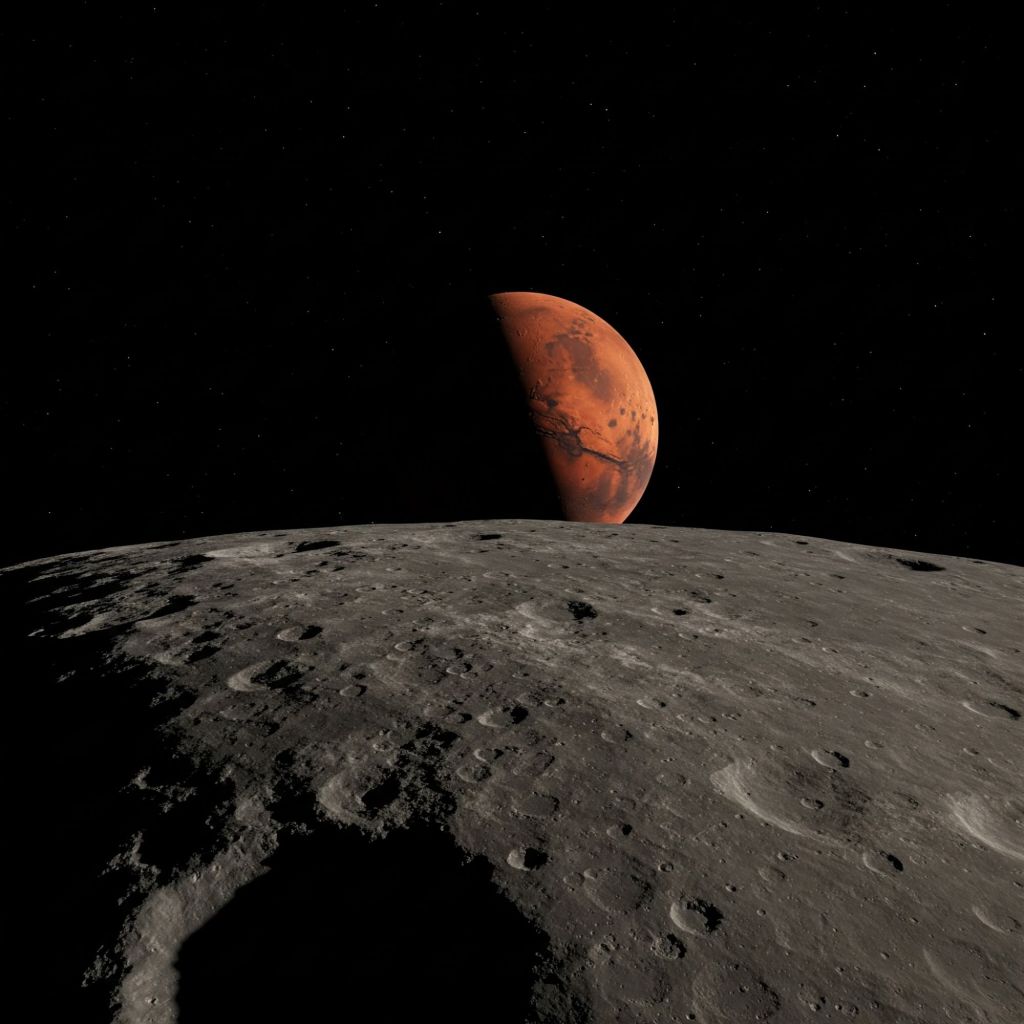
Our moon

While NASA is currently working to establish a **sustained human presence** on the Moon through the Artemis program, the idea of “rehabilitating” it (terraforming it into a lush, Earth-like world) is considered significantly more difficult than terraforming Mars.
As of 2026, the consensus is that the Moon cannot support a global ecology with current or even near-future technology. Here is why:
### 1. The Gravity Problem (The “Leaky Bucket”)
The Moon’s most fundamental limitation is its size. Its gravity is only about **16.5%** (1/6th) of Earth’s.
* **Atmospheric Escape:** To have an ecology, you need an atmosphere. However, the Moon’s gravity is so weak that gas molecules move faster than the Moon’s “escape velocity.”
* **The Result:** Even if we created a thick atmosphere today, it would drift off into space almost immediately. Unlike Mars, which might hold an atmosphere for millions of years, the Moon would lose its air in a geological heartbeat.
### 2. The Radiation and Shielding Issue
The Moon lacks a global magnetic field and a thick atmosphere to block cosmic rays and solar flares.
* **Current Strategy:** NASA’s 2026 plans involve burying habitats under several meters of **lunar regolith** (Moon soil) or placing them in deep lava tubes to protect astronauts from radiation.
* **Ecology Barrier:** You cannot have a “surface ecology” (like forests or open lakes) because the radiation would sterilize the soil and kill most complex life forms.
### 3. The 708-Hour Day/Night Cycle
The Moon rotates very slowly. One “day” (sunrise to sunrise) lasts about **29.5 Earth days**.
* **Extreme Temperatures:** This results in two weeks of blistering heat (up to **127°C**) followed by two weeks of total darkness and freezing cold (down to **-173°C**).
* **Biological Stress:** Most Earth plants and animals cannot survive 14 days of total darkness followed by 14 days of direct, unfiltered solar radiation.
### Comparison: Moon vs. Mars for Life Support
| Feature | The Moon | Mars |
|—|—|—|
| **Gravity** | 1.62 \text{ m/s}^2 (Very Low) | 3.71 \text{ m/s}^2 (Moderate) |
| **Atmosphere Potential** | None (Escape velocity too low) | Low (Needs massive CO_2 input) |
| **Day Length** | ~708 hours (1 month) | ~24.6 hours (Similar to Earth) |
| **Water Availability** | Ice in dark polar craters only | Subsurface ice and polar caps |
### NASA’s 2026 Reality: “Pockets of Life”
Instead of rehabilitating the whole Moon, NASA and its partners (like SpaceX and Blue Origin) are focused on **In-Situ Resource Utilization (ISRU)**.
* **Oxygen from Dust:** We have the technology to bake oxygen out of lunar rocks (which are about 45% oxygen).
* **Lunar Bases:** By 2028, NASA aims to have the first permanent “basecamp” at the South Pole.
* **Closed-Loop Systems:** Life will be sustained in **artificial ecologies**—pressurized greenhouses and pods where air and water are recycled with 98% efficiency.
**Summary:** We have the technology to put “life” **on** the Moon inside pressurized cans, but we do not have the technology to make the Moon itself a “living” world.

Mars Rehabilitation

As of April 2026, **NASA’s official position** remains that rehabilitating Mars’s atmosphere and ecology (terraforming) is **not possible with current technology**.
While science fiction often makes it look like a matter of willpower, NASA-funded studies and current mission data highlight several “hard stops” that we cannot yet overcome.
### 1. The Carbon Dioxide Shortage
The most significant hurdle is a lack of raw materials. To make Mars warm enough for liquid water and life, we would need to thicken its atmosphere using greenhouse gases, primarily CO_2.
* **The Problem:** A 2018 NASA-sponsored study concluded that there simply isn’t enough CO_2 trapped in Mars’s polar ice caps or soil to create a thick enough atmosphere.
* **The Reality:** Even if we successfully vaporized every bit of CO_2 on the planet, the atmospheric pressure would only rise to about **7%** of Earth’s—not enough to prevent your blood from boiling or to keep the planet warm.
### 2. The Missing Magnetic Shield
Even if we could magically “import” an atmosphere (by crashing comets into the planet, for example), Mars has no global magnetic field to protect it.
* **Atmospheric Erosion:** Without a magnetosphere, the **solar wind** (a stream of charged particles from the sun) would eventually strip any new atmosphere away into space, just as it did billions of years ago.
* **Current Research:** NASA’s **ESCAPADE** mission (which launched in late 2025 and is currently en route) is specifically studying this “atmospheric escape” to better understand how the sun interacts with the Martian environment.
### 3. “Living Off the Land” vs. Terraforming
NASA has shifted its focus from **rehabilitating the planet** to **sustaining human life in small pockets**. This is known as **In-Situ Resource Utilization (ISRU)**.
* **MOXIE:** The Mars Oxygen In-Situ Resource Utilization Experiment on the Perseverance rover proved we can extract oxygen from the Martian CO_2 atmosphere.
* **2026 Strategy:** NASA’s current “Moon to Mars” objectives focus on building pressurized habitats and using local ice for water and fuel, rather than trying to change the entire planet’s climate.
### Comparison: Current vs. Required Technology
| Feature | Current Capability (2026) | Needed for Rehabilitation |
|—|—|—|
| **Atmospheric Pressure** | ~0.6% of Earth’s | ~100% of Earth’s |
| **Oxygen Production** | Small-scale (grams per hour) | Planetary-scale (billions of tons) |
| **Protection** | Lead-lined habitats / Underground | Artificial Global Magnetic Shield |
| **Temperature** | Average -62°C (-80°F) | Average ~15°C (59°F) |
> **Bottom Line:** NASA views Mars as a place where humans might live in “indoor” colonies within the next few decades, but “rehabilitating” the planet’s exterior ecology is considered a task for the distant future—likely centuries away—requiring technologies that do not yet exist.
>


There is little air blast in Space.

According to NASA

The Dart mission only used a spacecraft to hit an asteroid and the results according to NASA are that the bump moved the course of the test target was changed.

There is little atmosphere in space and is generally referred to as a vacuum. We are used to seeing the results of explosives as they work on air blasts with destructive force. This may mean that atomic weapons would be muted as an asteroid breaker but it’s very hopeful to have the ability to intercept them.

Starship moon…

Fly by the seat of your pants…

Star ship 💥

The next Starship test flight, Flight 10, is scheduled for August 4th, 2025. This flight will be another uncrewed test to gather more data on the Starship’s performance.

Waiting for a crewed test launch, concerned about the Artemis Partner Program in the current geo political atmosphere it’s heartening to know a starship test is coming in August.

1000 Starships

Maintained by space x that 1000 Starships will bring 1 million colonists to Mars. This I

Is for permanent settlement.

The ambitious goal of making Mars a habitable planet and sending a million people there is primarily driven by SpaceX, led by Elon Musk. While other space agencies like NASA have plans for human missions to Mars, SpaceX has the most public and aggressive timeline for large-scale colonization.
Here’s a breakdown of the key aspects of this program:
SpaceX’s Vision for Mars Colonization:
* Self-Sufficient City: The ultimate goal is to establish a self-sufficient, large-scale settlement and a democratic, self-governing colony on Mars. This means not just sending people, but building the infrastructure for them to live, work, and thrive independently of Earth.
* Starship System: The core of SpaceX’s plan is the Starship spacecraft and Super Heavy rocket. This fully reusable transportation system is designed to carry both crew and massive amounts of cargo to Mars.
* Massive Transportation: To achieve the goal of a million people, SpaceX envisions launching thousands of Starships during Mars launch windows (which occur approximately every 26 months). They talk about launching more than 10 times per day to maximize these windows.
* Phased Approach: The plan involves initial cargo missions to deliver equipment, habitats, and supplies before any humans arrive. The first crewed missions would focus on setting up propellant plants (to produce fuel on Mars using local resources), power systems, and rudimentary bases.
* Resource Utilization (ISRU): A crucial part of self-sufficiency is In-Situ Resource Utilization (ISRU). This involves using resources available on Mars, such as harvesting CO2 from the atmosphere and splitting it into its components to create oxygen and fuel.
* Timeline: While highly ambitious and subject to change, Elon Musk has spoken about a first crewed mission as early as 2029 and the development of a self-sustaining colony by 2050.
Terraforming Mars:
“Terraforming” refers to the hypothetical process of transforming a planet hostile to life into one that can sustainably host humans and other lifeforms without protection. While SpaceX’s immediate focus is on establishing a base that uses local resources, the long-term vision of a truly Earth-like Mars involves terraforming.
* Challenges: Terraforming Mars presents immense challenges with current technology. Key issues include:
   * Thin Atmosphere: Mars has a very thin atmosphere with extremely low surface pressure.
   * Lack of Magnetic Field: Mars lacks a global magnetic field, which makes its atmosphere vulnerable to erosion by solar winds.
   * Cold Temperatures: Mars is very cold.
* Proposed Methods (Hypothetical):
   * Greenhouse Gases: Releasing greenhouse gases (like CO2, which is abundant in Mars’s atmosphere and polar caps) to thicken the atmosphere and warm the planet.
   * Artificial Magnetic Field: Creating an artificial magnetic field to protect the atmosphere from solar wind erosion.
   * Engineered Dust Particles: Some researchers have proposed releasing engineered dust particles into the atmosphere to trap heat.
   * Localized Habitats: A more achievable near-term approach might be creating localized habitable environments using materials like silica aerogel, which could provide shelter and warmth for small areas.
NASA’s Role:
While NASA doesn’t have a plan for colonizing Mars with a million people in the same way SpaceX does, they are actively working towards human exploration of Mars. Their goals include:
* Scientific Discovery: Understanding whether life ever existed on Mars, characterizing its climate and geology, and preparing for human exploration.
* Technology Development: Testing technologies for oxygen production (like MOXIE on the Perseverance rover), developing sustainable food and water systems, power generation, and advanced habitats.
* Artemis Program: NASA’s Artemis program is laying the groundwork for long-term human presence on the Moon, which will serve as a stepping stone and testing ground for missions to Mars.
In essence, SpaceX is the primary driver behind the “million people on Mars” goal, with their Starship system being the core technology. Terraforming, while a long-term aspiration, faces significant scientific and technological hurdles. NASA, meanwhile, is focused on incremental steps towards human exploration, scientific discovery, and developing the foundational technologies needed for future long-duration missions to the Red Planet.

Test   number 10

TGIF- we wish

Broken sign 🛑

Stoke the fires of Hades.

Between gas, magma and temper it’s a hot old place sometimes.

A captivating aerial view of a tectonic rift, showcasing the fiery geological activity beneath the Earth’s surface.

Mars on track…

Lunar landing

Well would a tariff  opportunity speed things up … Tic…

The Artemis program is currently underway, with several missions planned to establish a sustainable presence on the Moon as a stepping stone for human missions to Mars. Here’s an update on its progress and the outlook for a Mars landing:
Artemis Program Status:
The Artemis program is organized into a series of increasingly complex missions. Here’s the current status of the initial missions:
* Artemis I: This uncrewed test flight successfully orbited the Moon and returned to Earth in November 2022, serving as the first integrated test of the Space Launch System (SLS) rocket and the Orion spacecraft.
* Artemis II: This mission will be the first crewed flight of the Orion spacecraft, sending a crew of four astronauts around the Moon. It is currently targeted for launch no earlier than April 2026.
* Artemis III: This mission aims to land astronauts on the Moon’s South Pole region. It is currently scheduled for mid-2027. This mission will use the SpaceX Starship Human Landing System (HLS) to transport two astronauts to the lunar surface.
* Artemis IV: This mission is planned for late 2028 and will involve docking with the Lunar Gateway, a small space station that will orbit the Moon. Astronauts will transfer through the Gateway to the HLS for their descent to the lunar surface.
* Artemis V: Planned for March 2030, this mission will also dock with the Gateway and is expected to involve a longer stay on the lunar surface, contributing to the establishment of a permanent lunar habitat.
When to Expect a Landing on Mars:
The Artemis program’s long-term goal is to prepare for human expeditions to Mars. While there isn’t a specific date set, NASA’s planning indicates that a crewed mission to Mars could plausibly happen in the mid to late 2030s.
* Some sources mention a potential three-year crewed expedition to Mars with a return planned between 2035 and 2038. The duration of the stay on Mars could vary from 90 to 500 Earth days, depending on favorable return windows.
It’s important to note that the timeline for Mars missions is more fluid and depends on the success of the Artemis lunar missions, the development of necessary technologies, and continued funding. The experience gained from establishing a sustained presence on the Moon, including testing technologies and understanding the challenges of long-duration deep space missions, is crucial for the eventual human exploration of Mars.

Good luck, we will not hold our breath…

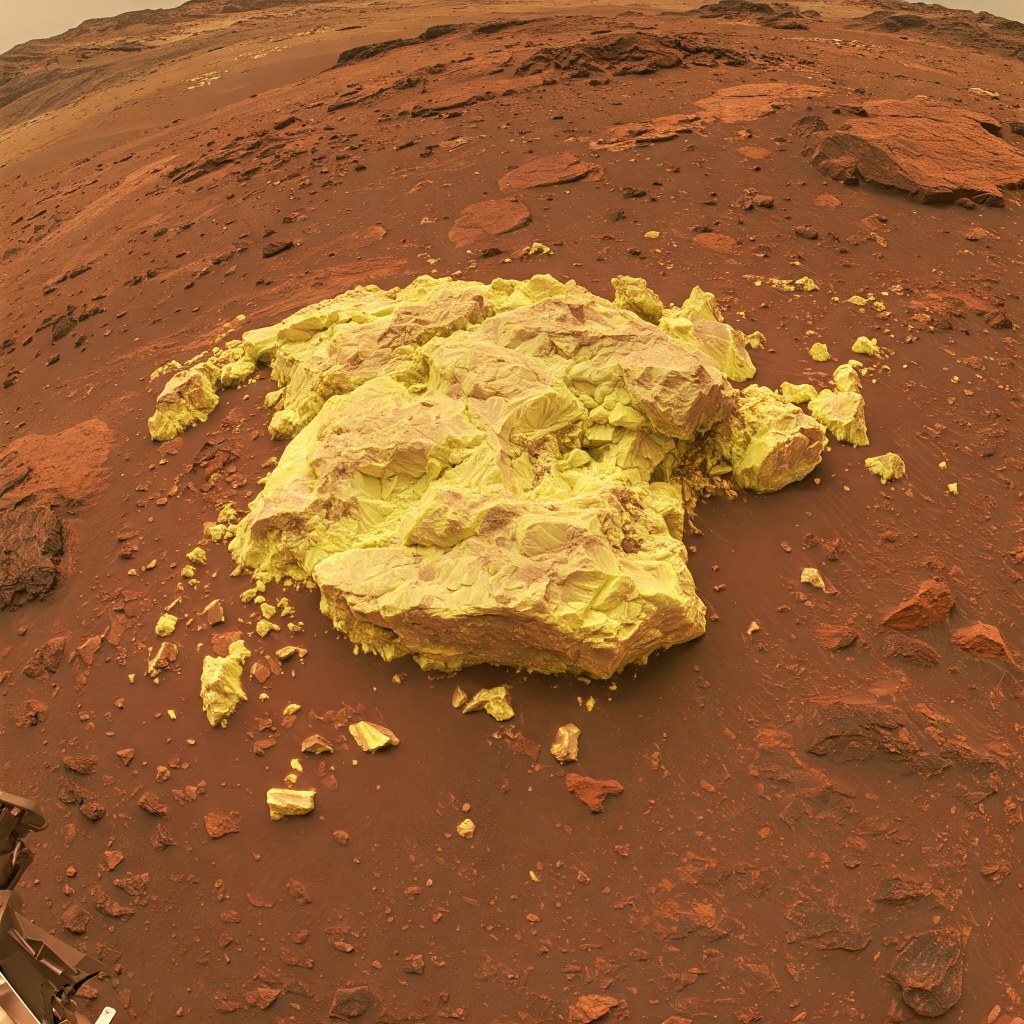
Sulfur an indication of ancient…

Sulphur a clue …

Conjunctions and such…

  • March 29th

The planet parade continues into 2025 conjunctions of interest and partial eclipse on the 29th. Mars is up to something on Valentine’s Day.

Observing conditions are not under our control. Please take the time to plan according to prognostications from authorities.

Mars,

Spacex is a private contractor brought along by NASA to commercially provide service to space projects and development. The company is involved with the Artimas return to the moon program that will send  four people back to the moon and have two of them land.

The view that we cannot rely on the earth to preserve our species existence drives  Spacex through its founder Elon Musk. The view  is strengthened by many nations taking it for strategic purposes that would result in permanent occupation of the moon and it  used as a base to do the same on Mars.

This is incredibly expensive and dangerous . The view that we would be better served making earth a better cared for and safer place is mitigated slightly by the advance of science involved in space exploration.

Test flight number five, Starship…

Spacex

Planets lining up, Western sky…

Weather permitting you will see.

Waxing moon, western sky…

👀

James Webb Space telescope, capture object in Martian sky..

Galaxy’s being discovered my telescope that may be bringing in to question The Big bang theory of the start of the universe..

file photo kdg

Something from nothing…

The question is asked often how can something come from nothing such as the Big bang? Albert Einstein and many other theoretical physicists have come up with a lot of science but mostly theory and science is meant to replace theory with either better theories or facts. We feel they are on the cusp of answers of the questions like is something coming from nothing at this time with the deployment of space telescopes rovers and missions manned and unmanned and within possibly a decade a manned mission to deeper space including the rocky planet Mars.

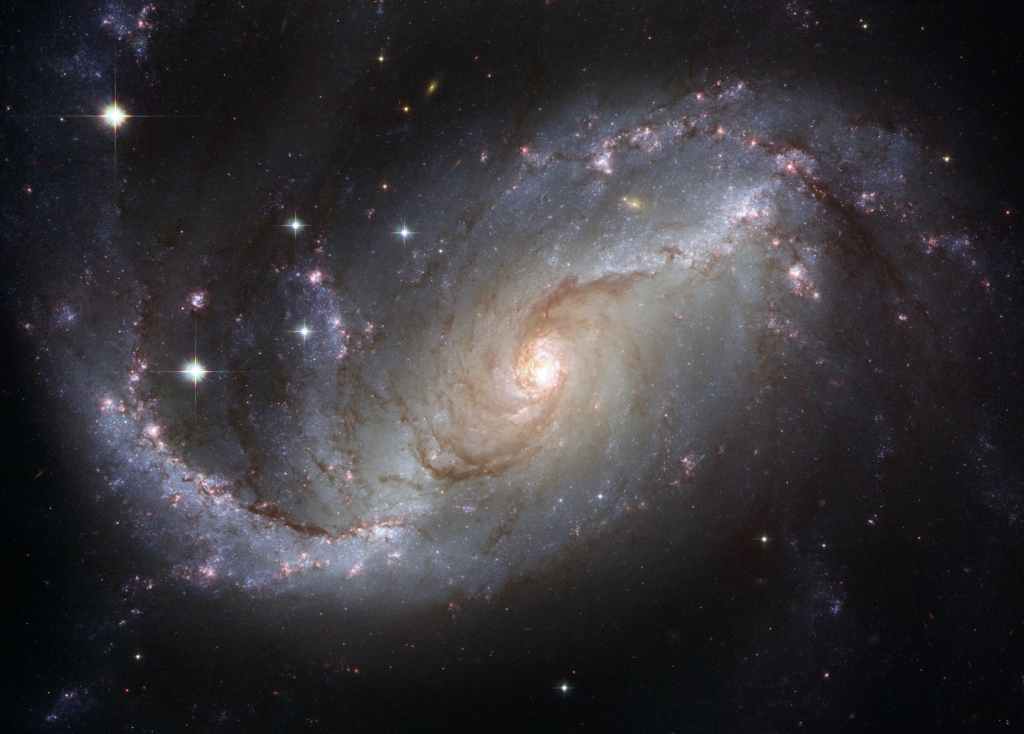
spiral galaxy, what is the big bang, click

photo Google pixel free photos

Artemis 1 Invincible, Eddie Vedder …

Launch Scrubbed September 3 2022.

The second attempt to launch the new heavy lifter taking the O’Ryan lunar system on a test mission around the Moon and back to a hotter entry back into the Earth’s atmosphere and safely to the Earth again was scrubbed today. Saturday September 3rd 2022’s scrub came from a 2 to 3 times higher hydrogen mixture in the ambient air inside the rocket that was considered safe. A four percent level is the limit that the triangle of ignition is considered unlikely. The three elements air hydrogen, oxygen and ignition. Last Mondays launch attempt had the issue being dealt with manually and was focused around a quick disconnect coupling.

NASA believes that an automated process needs to take the place up the manual. It is yet to be determined if the rocket will be rolled back away from the launch pad for work as that decision is out of the control of the managers and in the control of the range managers and when more information is available Monday or Tuesday negotiation will begin for that purpose to mitigate the 25-day barrier that the range people automatically invoke on a scrubbed event.

No one is Invincible.

However enjoy the sense of power of technology and effort that is possible when this creature becomes ready for mission again.

Mars on going rover mission, Perseverance…

Perseverance sampling rocks to determine the geology of a Delta.

On this Day: March 22nd 2022

Earth being hit hard, Space weather.