You are presumed to be honest and responsible without evidence to the contrary beyond a reasonable doubt… on the balance of probablilties you are justified by 51 % likelyhood.
The Lower Mainland in British Columbia is a broad geographic and cultural region that typically includes the Metro Vancouver Regional District and the Fraser Valley Regional District, extending from Vancouver in the west to Hope in the east, and from the U.S. border to the south, up to Whistler and the Sunshine Coast in the north. Here are many of the cities and municipalities you’ll find within this region: Metro Vancouver Regional District: * Vancouver * Burnaby * Richmond * Surrey * Coquitlam * Delta * Langley (City and Township) * Maple Ridge * New Westminster * North Vancouver (City and District) * Pitt Meadows * Port Coquitlam * Port Moody * West Vancouver * White Rock * Anmore (village) * Belcarra (village) * Bowen Island (island municipality) * Lions Bay (village) Fraser Valley Regional District (often considered part of the broader Lower Mainland): * Abbotsford * Chilliwack * Mission * Hope * Kent (includes Agassiz) It’s worth noting that the exact definition of “Lower Mainland” can sometimes vary, but these are generally the key urban centers and municipalities within that area.
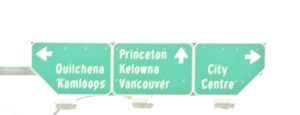
Highway access
Lower Mainland
Well a view of last fall in Merritt BC, In and around the art councils Gallery there. How are you for coming into the fall now, do you have some goals. Maybe participating in a gallery showing in Merritt BC in the South Central interior may have something to offer you. Go by the gallery and commit yourself for your fall coming up. Or a wonderful array of similar and related organizations just down the road
and the Lower Mainland, showcasing the primary transit corridors, cities, and critical highway junctions spanning southwestern British Columbia.[Rich media excluded from paste]## Major Corridor Reference## Highway
Connects to Central Burnaby and Brentwood.* Brunette Avenue (Exit 40): Splits traffic toward New Westminster and Coquitlam.* 200 Street (Exit 58): The major artery connecting North and South Langley.* ## Highway 99——————————[Bridgeport Road* Route* Richmond, BC](https://www.google.com/search?kgmid=/g/1v75rlq7)Direct access into central Richmond and YVR.——————————[Ladner Trunk Road* Route* Delta, BC](https://www.google.com/search?kgmid=/g/1tfg2shj)Main access hub for Delta and Ladner, situated just south of the George Massey Tunnel.If you are planning a trip through the region, tell me your starting point, your destination, or if you need to locate a specific bridge or tunnel crossing to avoid traffic.
” The amelioration of poverty” is too vague as the criteria that government intervention can be on Indian reserves.?”
The ameiliation of poverty on an Indian reserve
That specific phrase isn’t actually in the Canadian Constitution.Instead, the division of powers in Section 91(24) gives the federal government jurisdiction over “Indians, and Lands reserved for the Indians.”Canadian law does recognize the importance of programs aimed at improving the conditions of disadvantaged groups, which is often discussed in the context of Section 15(2) of the Charter of Rights and Freedoms, but that’s separate from the division of powers.
What is reconciliation mean to you? “No end in sight”…
So, The 2010 Olympics in Vancouver saw two experimental hydrogen buses. Powered by hydrogen fuel cells demonstrated for that event. They were put in service. Tags were half a million each. Never seen any for a while. Merritt DC had hydrogen service for fuel-celled powered trucks at the truck. Stop along the showers. They didn’t make shower water out of the hydrogen after they burned it. Sorry but that was a good stretch.
Merrit “positioned for freight”
If you’re looking for a history of hydrogen fueling stations operating over decades in Merritt, you might be chasing a bit of a ghost story—or perhaps thinking of early alternative fuels like propane and compressed natural gas (CNG). In reality, there were no historical hydrogen outlets for trucks in Merritt. For decades, the heavy flow of commercial freight and logging trucks moving through the Nicola Valley relied strictly on traditional diesel cardlocks. The technology to use hydrogen as a commercial heavy-duty trucking fuel simply didn’t exist in a viable way in the 20th century, so the infrastructure was never built.That said, hydrogen-powered trucks *are* finally becoming a reality on the highways around Merritt today. Over the last couple of years, companies have begun running commercial pilot projects with Class 8 hydrogen fuel cell trucks, specifically putting them to the test on the steep, grueling climbs of the Coquihalla Highway up to Merritt. Since there isn’t local fueling infrastructure yet, these trucks fuel up at modern stations in the Lower Mainland or Kelowna. They use those single fills to haul massive payloads up the mountain, proving that zero-emission transport can handle B.C.’s demanding interior grades without the severe weight penalties associated with battery-electric trucks.The ultimate outcome here is that Merritt is perfectly positioned for the *future* of freight, rather than having a hidden history of it. While the town doesn’t have a decades-old legacy of dispensing hydrogen, its strategic location at the junction of the Coquihalla, Highway 5, and the Okanagan Connector makes it an inevitable, critical node for B.C.’s emerging commercial hydrogen corridors. You won’t find any vintage hydrogen pumps hidden around town, but you are absolutely going to see more of these high-tech, water-emitting trucks pulling through the valley in the years to come.
Fashion statement
Photo: KDG
So, this in the first week of June or so we’re making statements of propriety diligence enjoyment fashion. Just having a cruise through Merritt BC beside the arena parking lot.
That small gas tank is as telling as anything, their enjoyment is a testimony against the unwise of this life that somehow thrive on strife, disruption and conflict.
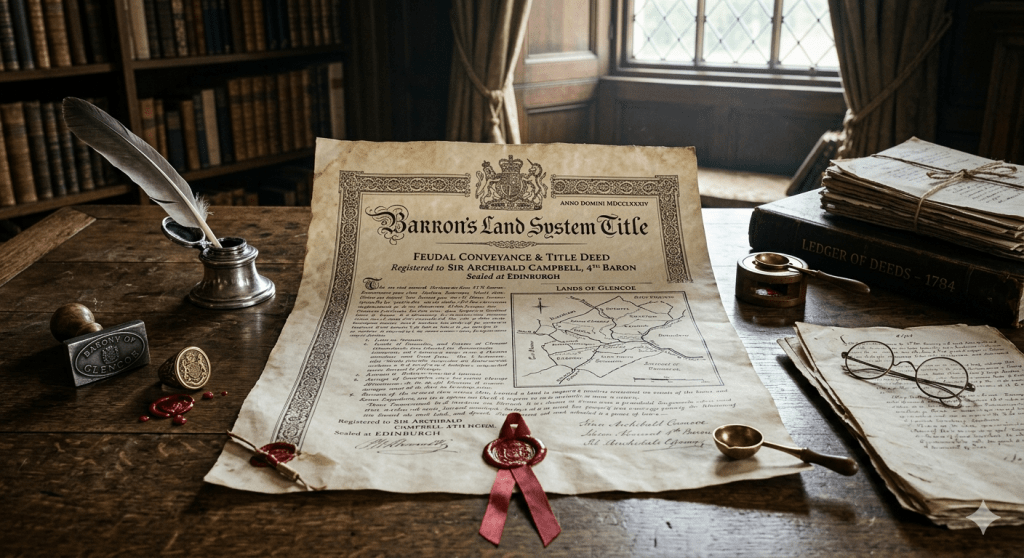
The terminology and the physical “possession” of property documents can be a bit confusing because the system has shifted from paper-heavy “deeds” to digital “titles” over the last few decades.In British Columbia, the system is governed by the **Land Title Act**, and here is how it works for a property owner:###
In modern BC law, a **Deed** is essentially the historical ancestor of the **Title**. *
**The Deed:**
Historically, this was a physical piece of paper signed by the seller and given to the buyer to prove the transfer.
* **The Title:**
Today, BC uses a “Torrens” system. This means the definitive proof of ownership isn’t a piece of paper in your drawer; it is the electronic record in the **Land Title Register**.If you own your home outright, you have “Indefeasible Title.” You can request a **State of Title Certificate**, which is a certified paper copy of what is in the computer system, but it is the digital record that truly counts as the law of the land.
### 2. Possession During a Mortgage
When you have a mortgage, the lender (the bank) registers a **charge** against your title. * **Who holds the “Title”?** Technically, the Land Title Office holds it in their database. However, the bank’s financial interest is “stapled” to that record. * **The Duplicate Indefeasible Title:** In the old days, a bank might physically hold a paper certificate. Today, if a mortgage is registered, the Land Title Office simply will not allow the owner to “withdraw” a physical Duplicate Indefeasible Title from the registry. This ensures the owner cannot sell the property or take out another loan without the first bank knowing.
### 3. Claims and Protected Rights
If someone else has a claim to the property (like a bank, a builder with a lien, or a spouse), those rights are protected by **Registration**: * **Priority:** Generally, the first person to register their claim at the Land Title Office has the highest priority.
* **Notice to the World:**
Once a claim is registered on the title, it serves as legal notice to everyone. You cannot sell the property with a “clear title” until those registered claims are paid off and “discharged.
“### 4. Paying it Off
Once you pay off your mortgage, the bank must provide a **Discharge of Mortgage**.
You (or your lawyer) then file this with the Land Title Office. * Only after this filing is the bank’s name “scratched off” the electronic record. * At that point, you truly have “clear title.” You don’t necessarily need a physical piece of paper in your safe to be the owner, but many people choose to order a **State of Title Certificate** just to have a physical record showing the mortgage has been removed.**Important Note:** If you ever have a physical “Duplicate Indefeasible Title” in your actual possession (at home), the Land Title Office will refuse to register any mortgages or transfers until you hand that physical paper back to them. It is a high-security document that effectively freezes the digital record while it’s in your hands.
Aboriginal Title
The introduction of **Aboriginal title** adds a significant layer of complexity to the scenario of property holding, because it is a fundamentally different kind of “title” than the one registered at the Land Title Office (LTSA).In British Columbia, this is a rapidly evolving area of law, particularly with recent court decisions like those involving the **Tsilhqot’in Nation** and the **Cowichan Tribes**.Here is how Aboriginal title fits into the concepts of holding and registration:### 1. Two Different Legal SystemsThink of it as two different maps laid on top of the same piece of ground: * **The Crown/LTSA Map:** This is the “Fee Simple” system you asked about. It tracks mortgages, owners, and deeds in a digital database. * **The Aboriginal Title Map:** This is a **collective right** held by an entire First Nation. It isn’t a “deed” granted by the government; the courts have ruled it is an inherent right that existed long before the current registry system was built.
### 2. Can They Co-exist on the Same Land?
This is the “million-dollar question” currently being settled in BC courts. * **Senior Right:** Courts have described Aboriginal title as a “burden” on the Crown’s underlying title. This means that even if you have a “clear title” in the LTSA system, the land might still be subject to a senior Aboriginal title claim. * **The Cowichan Precedent (2025/2026):** Recent rulings in BC have suggested that Aboriginal title and private “fee simple” title can co-exist. The private owner’s rights (to live there, sell it, or mortgage it) remain valid, but they are “constrained” by the First Nation’s senior interest. * **Negotiation vs. Litigation:** In many cases, if Aboriginal title is proven over private land, the First Nation and the Crown must negotiate how to reconcile those interests. Usually, this results in the First Nation having a say in how the land is managed or receiving compensation, rather than homeowners being evicted.
### 3. Registration and “Indefeasibility”
You mentioned that a registered title is “protected.” In the standard BC system, this is called **Indefeasibility**—the idea that the register is the final word on who owns what. * **The Conflict:** Recent court decisions have stated that the Land Title Act’s guarantees of “indefeasibility” **do not apply** to Aboriginal title. * **What this means for you:** If you have the title in your possession (or registered in your name), you are the owner in the eyes of the BC Provincial Government. However, if a court declares Aboriginal title over that area, it is a “constitutionally protected” right that sits *above* provincial law.
### 4. Holding the “Physical” Title
A First Nation holding Aboriginal title doesn’t get a “certificate of title” from the LTSA in the same way an individual does. * **Collective Ownership:** Aboriginal title cannot be sold to individuals (it can only be “ceded” back to the Crown) and it is held for the benefit of the whole community, including future generations.
* **Self-Governance:**
Some Nations, like the **Nisga’a**, have established their own independent Land Title Offices. They issue their own titles and manage their own registry, completely separate from the BC provincial system.### Summary Table| Feature | Fee Simple (Your Scenario) | Aboriginal Title ||—|—|—|| **Document** | State of Title Certificate / Digital Entry | Court Declaration / Treaty || **Holder** | Individual or Corporation | The Nation (Collective) || **Source** | The Crown (Provincial Government) | Inherent (Pre-dates the Crown) || **Transferable?** | Yes (Can be sold to anyone) | No (Only to the Crown) || **Registry** | BC Land Title Office (LTSA) | Usually Unregistered or Treaty Registry |In short, if a person has the title registered and no mortgage, they own the “fee simple” interest. If that land is also under Aboriginal title, it means there is a second, older, and more powerful “layer” of ownership that the government and the Nation must work together to resolve.
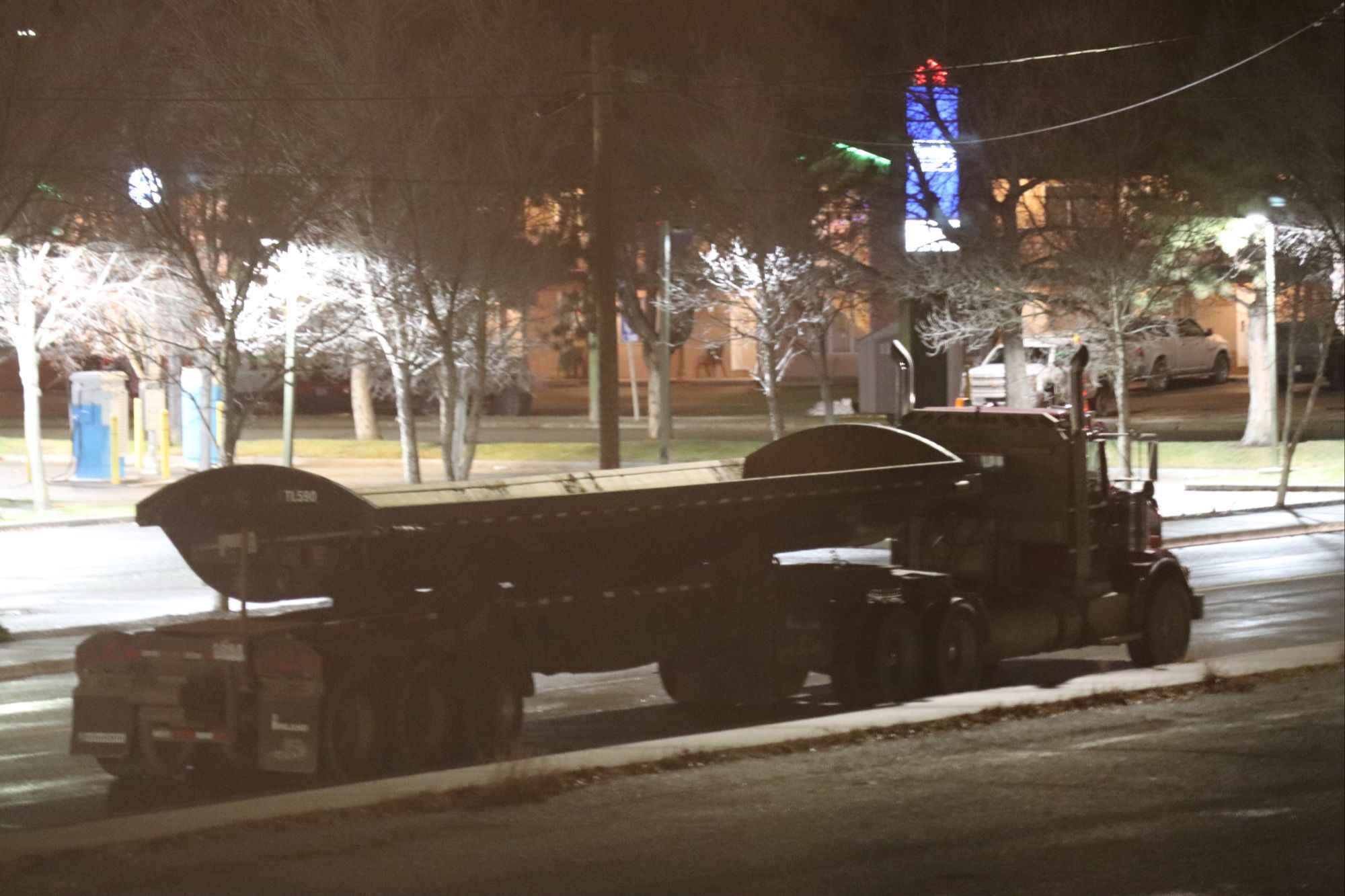
A heavy dump truck parked several nights, overnight, next to the BC hydro quick charging station, Voght Street and Merritt avenue, Merritt BC. Merritt is a small community and one of the members of the Thompson Nicola regional district government.
TNRD and City of Merritt Trends
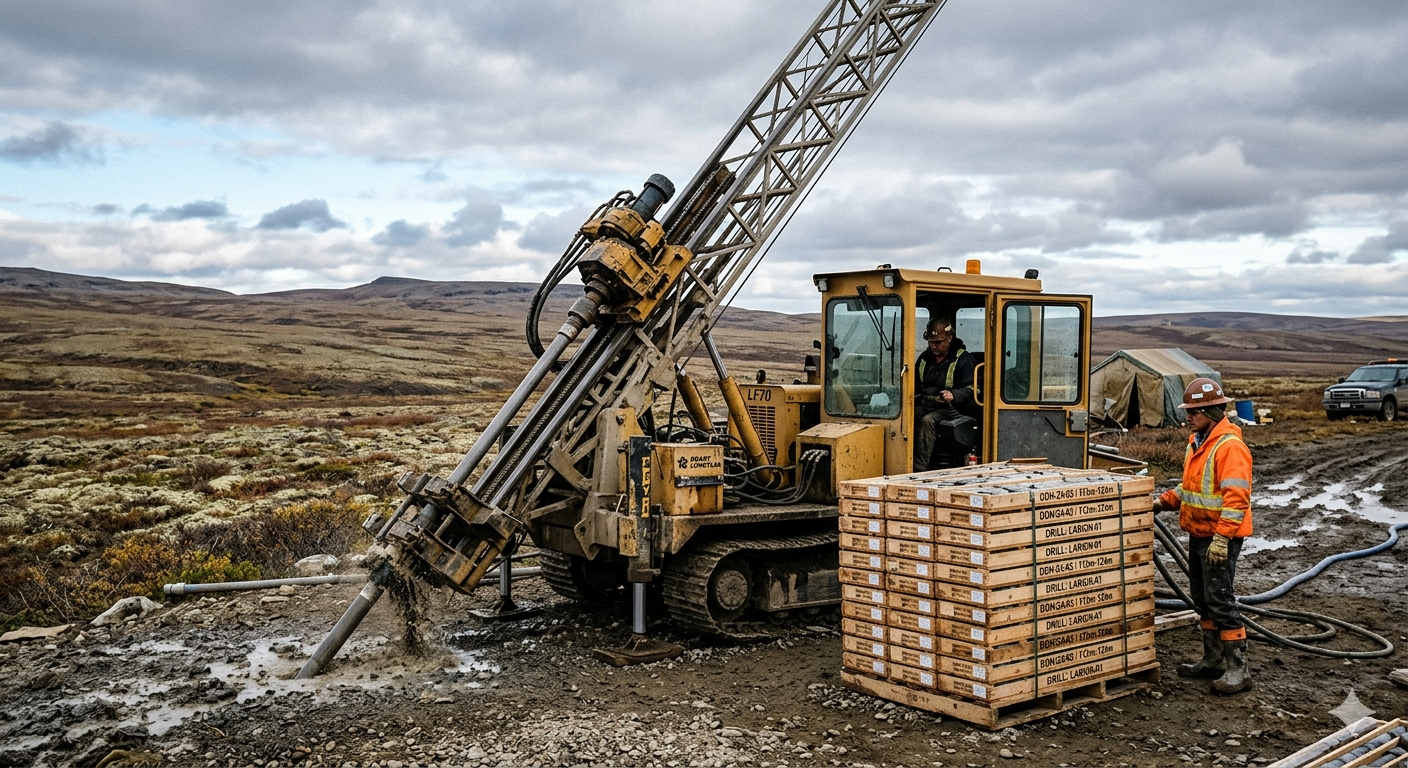
Construction and heavy infrastructure work in the Thompson-Nicola Regional District (TNRD) and the City of Merritt are currently driven by two primary forces: recovery from the 2021 atmospheric river and long-term climate resiliency planning.While residential “spec” home construction has slowed due to market pressures, public infrastructure spending remains at historic levels.🏗️
Thompson-Nicola Regional District (TNRD)
The TNRD’s construction landscape is currently dominated by large-scale utility and healthcare projects. * 2025 Capital Plan: The district has allocated $24.99 million for capital project costs in 2025. * Key Projects: * Pritchard Water & Wastewater: Significant upgrades to the community water and sewer systems.
* Healthcare Expansion:
The Thompson Regional Hospital District (TRHD) is preparing for the Kamloops Cancer Centre construction, with a 2025 tax requisition of $18.1 million specifically earmarked for RIH enhancements. * Emergency Services: Construction of a new Monte Creek Firehall and several fire rescue vehicle garages (Blackpool, Little Fort).
* Waste Management:
Construction and demolition waste accounts for 24% of the TNRD waste stream, leading to new 2025 initiatives (C&D Toolkit) to help builders manage costs through better sorting of wood, metal, and concrete.🛣️ City of Merritt:
Heavy & Road Construction
Merritt’s focus is almost entirely on “heavy construction”—specifically flood mitigation and road reinstatement. The city plans to invest up to $48.7 million in capital projects over the next five years.Major Infrastructure Projects (2025–2026)
* Claybanks Dike Project:
A massive flood defense initiative. Construction is set to begin in July 2025 and run through December 2025. * Highway 8 Rebuild: Permanent repairs on the highway between Merritt and Spences Bridge are ongoing. Staggered construction on sites 1–8 and 20–22 began in late 2024/early 2025, with completion slated for Winter 2027.
* Utility Corridors:
The East Merritt Utility Corridor is a major multi-year project with over $2.5 million in projected spending for 2025–2026.Roadwork & Overlays| Project | Estimated Cost | Timing ||—|—|—|| Airport Road Overlay | $600,000 | 2025/2026 || Houston Overlay (Bridge to Midday Valley) | $500,000 | 2025/2026 || River Ranch Rd (Mill & Inlay) | $365,000 | 2027 || Crawford Ave & Airport Rd Intersection | Active Maintenance | Late 2025
|🏠 Residential & Commercial Trends
In contrast to the heavy infrastructure boom, private residential construction has seen a shift: * Shift to Multi-Family: In the broader region, single-family home starts have dropped because “spec homes” at the $1.1 million price point are struggling to find buyers. Multi-family units and secondary suites (mortgage helpers) are now the primary drivers of residential permits.
* DCC Changes:
The City of Merritt is updating its Development Cost Charges
(DCCs) for 2026. This will shift more of the infrastructure cost burden onto developers to ensure growth-related water and road upgrades are funded.Would you like me to look up specific tender opportunities or contact details for the engineering departments in Merritt or the TNRD?
Technology often rises with the population being able to flex and look forward instead back.
Symptoms?
This is a complex question with nuances in both politics and economics. The current global landscape suggests that conservatism is on the rise in many parts of the world, and there is an ongoing discussion about whether this trend is stifling innovation.🌎
The Rise of Conservatism
There’s evidence suggesting a global resurgence of conservative and radical right political movements. This rise is attributed to several factors: * Reaction to Globalization: Many people feel alienated by the economic and social changes brought by globalization, leading to support for policies emphasizing national sovereignty and protectionism.
* Emphasis on Traditional Values:
Concerns over cultural identity, immigration, and demographic shifts have fueled support for policies that preserve traditional institutions, customs, and values.
* New Political Paradigms:
The emergence of “National Conservatism” and similar movements focus on reasserting the primacy of national identity and state authority in response to perceived crises of globalization and liberalism.This trend is observable in various nations across Europe, Asia, and the Americas, and in some contexts, includes a rise in social and economic conservatism among the electorate.💡
Impact on Innovation
The relationship between rising conservatism and innovation is highly debated, with some research suggesting a potentially negative correlation in certain areas:
* Aversion to Disruption:
Conservatism, by its nature, emphasizes continuity and a preference for established institutions. Innovations that significantly challenge the status quo or disrupt traditional industries and social cohesion may be met with greater resistance from conservative stakeholders. * Moral and Ethical Concerns: Research indicates that conservatives may exhibit lower acceptance of new technology—such as AI, gene editing, or lab-grown meats—when it is perceived as clashing with binding moral foundations (like social order, purity, or tradition).
* Policy and Regulation:
Conservative approaches to policy can affect innovation in different ways: * Some policymakers prioritize a limited government role to allow private business and free markets to flourish and incentivize technological innovation. * Other “anti-tech” conservative movements are willing to use government intervention to regulate or punish “Big Tech,” often driven by concerns over censorship, market power, and the erosion of conservative values. * In the context of local politics, some argue that federal pre-emption of state-level regulations (like on AI) could cripple the ability to develop innovative, evidence-driven approaches, while opponents argue a patchwork of state rules threatens national competitiveness.
* Inventor Mobility:
Studies have suggested that a shift toward a more conservative local ideology can be associated with a reduction in corporate innovation output, possibly through the mobility of innovative talent who may be more left-leaning and prefer to move away from the changing social environment.In summary, while conservatism is demonstrably on the rise globally, whether it is stifling innovation is contingent on the specific policy, the type of innovation (e.g., disruptive vs. incremental), and how that innovation is perceived to align with or threaten existing social and moral orders.The discussion about the global rise of the radical right and its implications for world order provides a useful context for this topic. The Rise of the Radical Right and the Future of World Order touches on the broader ideological project of radical conservatism and its impact on international institutions and cooperation.
Editor’s note:
Nostalgia feels good as a motivator but it’s very hard to live up to and recreate. It is often exaggerated and distorted to fit the mood of the listeners.
September 20th is a day marked by a variety of historical events, observances, and holidays. Here are some significant examples: Historical Events: * 1870: Capture of Rome. Italian troops entered Rome, a key event in the unification of Italy. This led to the city’s incorporation into the Kingdom of Italy and the end of the Papal States’ temporal power, with the Pope’s authority limited to the Vatican. * 1973: “Battle of the Sexes” tennis match. Billie Jean King defeated Bobby Riggs in a highly publicized and widely watched tennis match. The event became a landmark moment in the women’s liberation movement. * 2001: U.S. “War on Terror” declared. In a speech to Congress following the September 11th attacks, President George W. Bush formally declared a “War on Terror,” launching a global military campaign. * 2011: “Don’t Ask, Don’t Tell” repeal. The U.S. military policy that allowed gay and lesbian people to serve as long as they didn’t reveal their sexual orientation was officially ended, allowing openly gay and lesbian individuals to serve. Holidays and Observances: * National Care for Kids Day: A day to focus on the well-being of children. * National Pepperoni Pizza Day: A day to celebrate a classic pizza topping. * **National Fried Rice Day: A day to enjoy this popular dish. * German World Children’s Day: A day dedicated to children in Germany. * **Constitution Day (Nepal): A national holiday in Nepal. * Independence Day of South Ossetia: Celebrated in the self-declared state of South Ossetia.
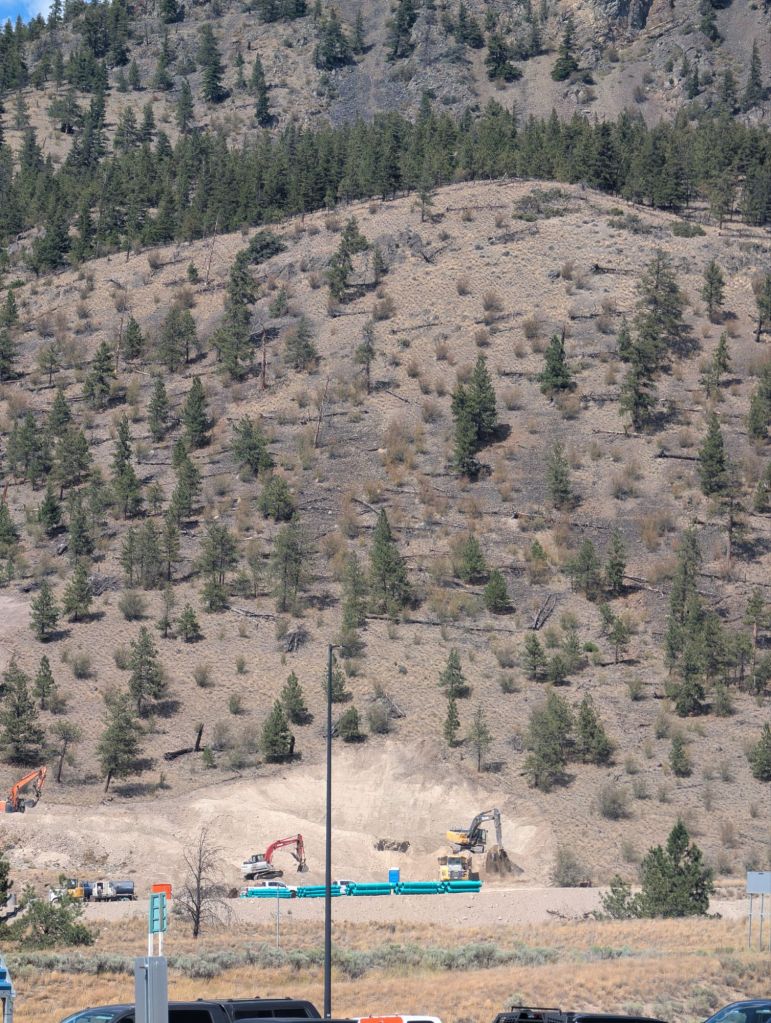
Construction by the North exit of Merritt BC Canada
Can we control our selfs
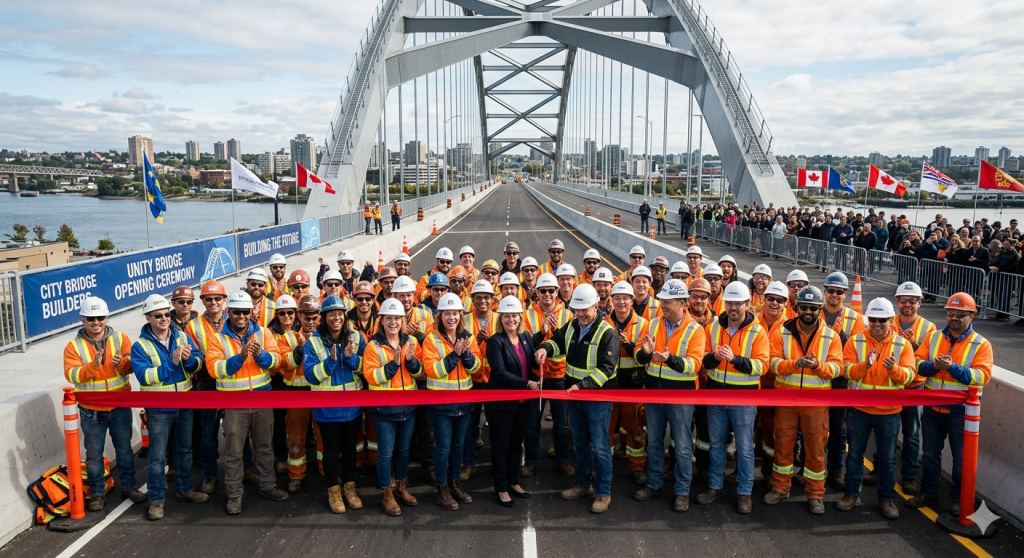
Merritt, British Columbia, is currently experiencing a good deal of construction and development, particularly in the wake of the 2021 atmospheric river event and ongoing efforts to enhance the community’s infrastructure and housing. Here’s a breakdown of what’s happening: Current Construction Projects: * Highway Flood Recovery Projects (Highway 8): Significant work is underway on permanent repairs to damaged sections of Highway 8 between Spences Bridge and Merritt. This includes bridge repairs, road reconstruction, and environmental enhancements to make the highway more resilient to extreme weather. Several sites along Highway 8 are actively under construction, with some sections still having gravel surfaces and reduced speed zones. * Trans Mountain Expansion Project: Cleanup and reclamation efforts related to the Trans Mountain pipeline expansion continue between Merritt and Coquihalla Summit, as well as between Kamloops and Merritt. Crews are working intermittently on right-of-way and access road cleanup, reseeding, replanting, and land reclamation. * Gateway 286 Development: This is a major redevelopment project at the former Visitor Information Centre site at Exit 286 (where the Coquihalla Highway meets Highway 97C). This commercial hub is expected to include restaurants, convenience stores, a gas station, a dog park, and what is planned to be Western Canada’s largest electric vehicle charging station. This project is a partnership with the five Nicola Valley First Nations and aims to provide economic opportunities and a vital transportation hub. Construction was expected to begin in Summer 2024. * Affordable Housing Developments: * A 52-unit affordable rental housing development for First Nations families, elders, and youth is currently under construction at 2640 Spring Bank Avenue. This four-storey building is expected to be completed by Spring 2025 and will include studio, one-, two-, and three-bedroom units, with many being accessible or adaptable. * Construction is also starting on a new family housing complex at the Nicola Valley Institute of Technology (NVIT) Merritt campus. This project will include 12 townhouses for primarily Indigenous families, with a mix of two- and three-bedroom units, and an expanded childcare facility with 36 spaces. This is expected to open by Fall 2027. * West Merritt Active Transportation Path: A 2.7 km multi-use path/active transportation corridor in West Merritt has been under construction and was expected to be completed in Spring 2023. * Collettville Lindley Creek Road Development: A multi-phased residential and industrial development is underway on Lindley Creek Road in Collettville. The conceptual plan included 98 townhomes, 95 mobile homes, and up to 180 condominium units, along with a significant park dedication. The residential portion is expected to provide quicker and more attainable housing, and the industrial development aims to attract new businesses and jobs. * Kasa Industrial Park: A 10-acre site at 3888 Voght Street is being developed into a distribution warehouse and precast concrete manufacturing facility, with a project value exceeding $15 million. * Bell Canada National AI Data Centre: Merritt has been selected as the site for a new Bell Canada National AI Data Centre, with updates as of June 2025. * Universal Water Meter Program: The City of Merritt is launching a universal water meter program, supported by a $3 million grant. Building Permits and Property Makeup (Industrial vs. Residential): While specific numbers for current permits entered into by the City of Merritt and a precise breakdown of the current makeup of industrial and residential properties are not readily available in general public searches, here’s what we know about permits and the general landscape: * Building Permits: Building permits are required for most new construction, alterations, additions, or demolitions in Merritt. This ensures projects comply with the BC Building Code and local regulations for safety and integrity. The City of Merritt has a Development Services department that processes building, demolition, plumbing, and sign permits. You would generally need to contact the City directly for detailed statistics on the number of permits issued and their classification (e.g., residential vs. industrial). * Development Permits: For multiple-unit residential, commercial, or industrial developments, a Development Permit (DP) is often required in addition to a building permit. These are processed by the Planning staff and are necessary if the land is within a designated Development Permit Area. * Industrial and Residential Mix: Merritt is seeing growth in both residential and industrial sectors. The affordable housing projects and the Collettville development indicate an expansion of residential options, while the Kasa Industrial Park and the industrial component of the Collettville development point to continued industrial growth. The Gateway 286 project is primarily a highway commercial center, which falls under commercial development but serves as a hub for both residents and travelers. The city’s focus on attracting new business and industry through projects like the Collettville industrial development suggests an effort to expand its industrial tax base. To get the most precise and up-to-date figures on building permits and the current ratio of industrial to residential properties, it would be best to contact the City of Merritt’s Development Services or Planning department directly. They would have the official records and statistics.
A piece of art from a recent art showing in Merritt offered poetic advice.
You can sometimes get a low down across the counter at the Nicola Valley Community Arts Council’s art gallery on the corner of Nicola and Voght.
Cibc in a report has indicated that Canadians are optimistic even though there’s adversity out there and at least 68% of them have made progress towards their goals in the last year.











 Kevin Griffiths
 percypaschal
