
Category: Lifestyle


File Photo KDG

The BCHC,league.

In Summerland
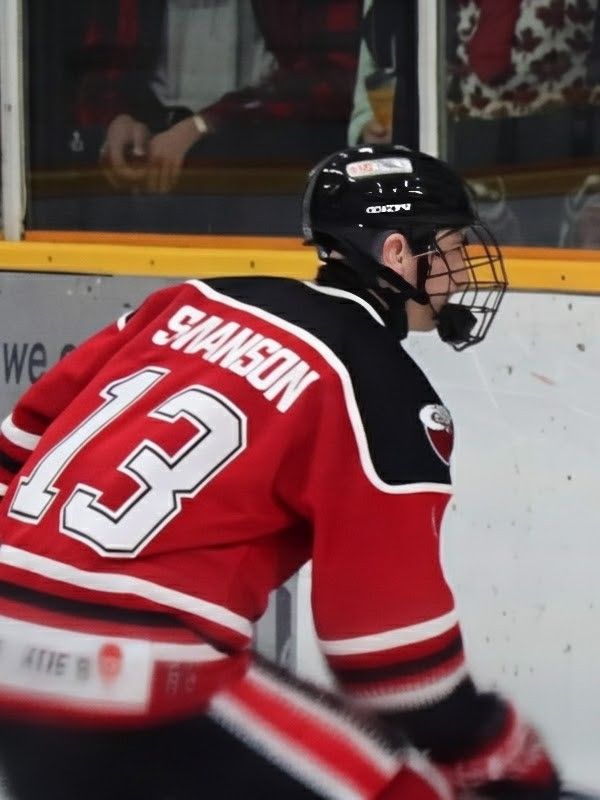
Twenty year olds in the BCHC…

The paths taken by two 20-year-old veterans illustrate the contrast in outcomes at this level:

1. The Collegiate / Minor-Pro Bound Veteran * Player Profile: Brady Magarrell (Forward, Beaver Valley Nitehawks) *

The Trajectory: Highly productive 20-year-old top scorers and league MVPs routinely leveraged their dominant final season to secure spots at the next level. Players like Magarrell—who put up over 70 points in a 44-game regular season—showcase elite hockey IQ, leadership, and readiness for physical play. * Next Chapter: Players on this tier typically commit to U Sports programs (like Simon Fraser University or the University of Victoria) or high-level ACAC / ACHA Division 1 college teams. A select few use their momentum to land contracts or tryouts with lower-tier European professional clubs or North American minor-pro leagues (such as the SPHL).

2. The Career Transition / University Student * Player Profile: Logan McCabe (Defenseman, Grand Forks Border Bruins)

* The Trajectory: Solid, dependable 20-year-old core veterans—often blue-liners or depth leaders—play a crucial stabilizing role for their junior clubs while nearing the end of their competitive hockey arcs. After anchoring a defense and taking significant penalty minutes over a multi-year junior career, the 20-year-old season serves as a ideal closing chapter. * Next Chapter: Players in this group typically “hang up their competitive skates” after their final game. They transition directly into full-time post-secondary education (entering university or trade apprenticeships) using league education scholarship funds. While they step away from Junior A, many continue to play casually in competitive Senior A circuits or local adult leagues while building their post-hockey careers.

Numbers

Across the 22 teams in the British Columbia Hockey Conference (BCHC) Junior A league, roster limits strictly regulate the number of 20-year-olds (referred to as “age-outs”) to ensure opportunities remain open for younger developmental players.Below is the approximate breakdown of how many 20-year-olds complete their junior eligibility each year and where they transition afterward:1. How Many 20-Year-Olds Complete Their Junior Careers? * Roster Caps: BCHC rules generally limit each team to carrying a maximum of 6 to 8 twenty-year-olds on an active roster. * Total Players: Across 22 member teams, that means roughly 130 to 175 twenty-year-olds complete their final season of junior eligibility each spring across the league.

2. How Many Move On to Play Higher-Level Hockey?

Out of those ~150 aging-out players, approximately 25% to 35% (about 35 to 55 players) continue playing competitive organized hockey: * U Sports & Canadian Colleges (~15–25 players): The primary pathway for top BCHC age-outs is Canadian post-secondary hockey—such as USports programs (e.g., SFU, UBC, or Prairie schools), ACAC (Alberta Colleges Athletic Conference), or BCIHL (BC Intercollegiate Hockey League). * NCAA Division III & ACHA (~10–20 players): Some players secure commitments to American college programs in NCAA D-III or high-level ACHA Division 1 club programs. * Minor Pro & Overseas (~5–10 players): A small handful of standout veterans earn professional tryouts or contracts in North American minor-pro leagues (SPHL, FPHL) or lower-tier European leagues (Germany, Sweden, UK).

3. How Many “Hang Up Their Skates”?Roughly 65% to 75% (about 90 to 120 players) transition away from competitive, full-time hockey after their 20-year-old season. * Transition to University/Trades: Most leverage their junior hockey background, discipline, and league education funds to pursue full-time degrees or skilled trade apprenticeships. * Senior A & Recreational Leagues: Many do not stop playing hockey entirely—they transition into high-caliber Senior A leagues (like the CIHL in BC) or competitive local adult leagues while starting their post-hockey careers.

Overview of the British Columbia Hockey Conference (BCHC) Junior A Pathway:

* Leagues Involved: The BCHC itself operates as 1 unified Junior A league. It was formed through the restructuring of former Tier 2/Junior B circuits (the KIJHL and PJHL) into a consolidated BC Hockey-sanctioned Junior A circuit. * Number of Teams: There are 22 member teams competing in the inaugural 2026–27 BCHC season, split across four geographical divisions (Interior, Kootenay, Mainland, and Valley). * Number of Players: Junior hockey rosters typically carry between 20 to 25 players per team at any given time. Across the 22 teams in the league, that accounts for approximately 440 to 550 active rostered players total. * Games per Team: Each team will play a 50-game regular season schedule (25 home games and 25 away games), resulting in 550 total regular season games across the league. * The Championship Cup: BCHC teams compete for the historic Mowat Cup, awarded to the Junior A champion of British Columbia.Best Outcome for a 20-Year-Old “Ager-Out” PlayerFor a 20-year-old playing his final year of junior eligibility, the pathway depends heavily on his long-term goals, both on and off the ice: * U Sports (Canadian University Hockey): * The Goal: Earn a spot on a Canadian university roster (e.g., USports programs like UBC, SFU, or schools across Canada) or ACHA Division 1 / ACAC college teams. * Why it’s top tier: A strong final season allows 20-year-olds to showcase their leadership, maturity, and physical completeness, opening doors to post-secondary education backed by athletic performance. * Pro Opportunities (Minor Professional / European Leagues): * The Goal: Transition directly into professional contracts in leagues like the ECHL, SPHL, or lower-tier European professional divisions (e.g., in Sweden, Germany, or the UK). * Why it’s top tier: Pro scouts look for age-outs who dominate physically and consistently deliver at the Junior A level to fill depth roles on minor-pro rosters. * Championship Hardware & Personal Legacy: * The Goal: Capping off a junior career by winning the Mowat Cup. * Why it’s top tier: Winning a championship as a 20-year-old leader provides an undeniable high point to close out a competitive youth career, establishing personal legacy and local prestige within the community.
Have an enjoyable game…

Nicola Naturalists October meeting.

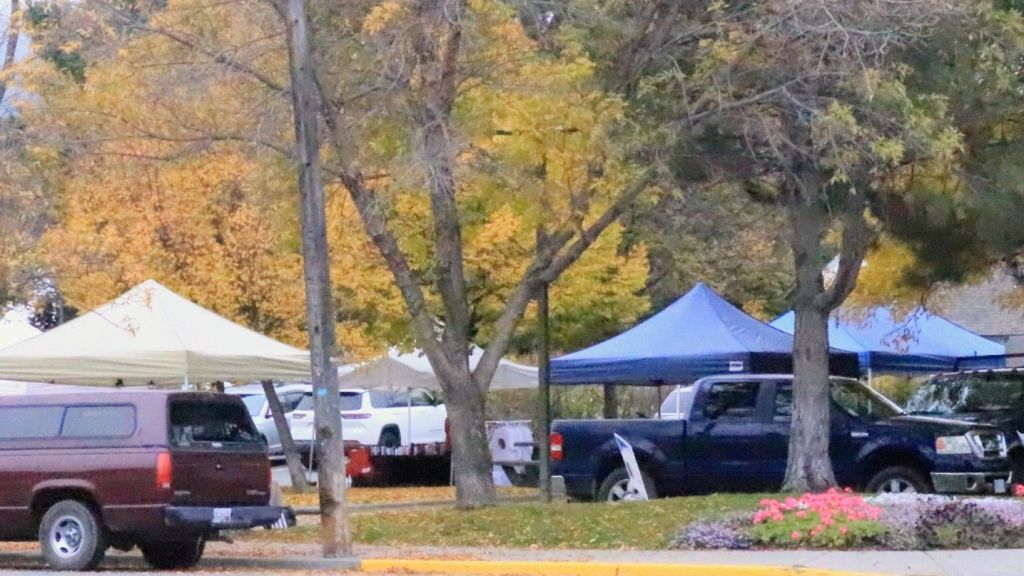
Nicola Valley Farmers Market, October 3rd 2026,

Next week, October 10th 2026 will be the last farmers market in Merritt for this season. Starting at 9:30 a.m. And ending at 1:00 p.m.. come by and say goodbye or so long till next time.

The Lower Mainland in British Columbia is a broad geographic and cultural region that typically includes the Metro Vancouver Regional District and the Fraser Valley Regional District, extending from Vancouver in the west to Hope in the east, and from the U.S. border to the south, up to Whistler and the Sunshine Coast in the north.
Here are many of the cities and municipalities you’ll find within this region:
Metro Vancouver Regional District:
* Vancouver
* Burnaby
* Richmond
* Surrey
* Coquitlam
* Delta
* Langley (City and Township)
* Maple Ridge
* New Westminster
* North Vancouver (City and District)
* Pitt Meadows
* Port Coquitlam
* Port Moody
* West Vancouver
* White Rock
* Anmore (village)
* Belcarra (village)
* Bowen Island (island municipality)
* Lions Bay (village)
Fraser Valley Regional District (often considered part of the broader Lower Mainland):
* Abbotsford
* Chilliwack
* Mission
* Hope
* Kent (includes Agassiz)
It’s worth noting that the exact definition of “Lower Mainland” can sometimes vary, but these are generally the key urban centers and municipalities within that area.

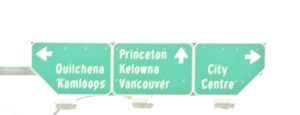
Highway access

Lower Mainland

Well a view of last fall in Merritt BC, In and around the art councils Gallery there. How are you for coming into the fall now, do you have some goals. Maybe participating in a gallery showing in Merritt BC in the South Central interior may have something to offer you. Go by the gallery and commit yourself for your fall coming up. Or a wonderful array of similar and related organizations just down the road

British Columbia lower mainland :

Highway 1 (Trans-Canada Highway)

Here is an interactive map detailing the layout of [Greater Vancouver](https://www.google.com/search?kgmid=/m/06_y0m_)

and the Lower Mainland, showcasing the primary transit corridors, cities, and critical highway junctions spanning southwestern British Columbia.[Rich media excluded from paste]## Major Corridor Reference## Highway

1 (Trans-Canada Highway)* * Willingdon Avenue (Exit 29):

Connects to Central Burnaby and Brentwood.* Brunette Avenue (Exit 40): Splits traffic toward New Westminster and Coquitlam.* 200 Street (Exit 58): The major artery connecting North and South Langley.* ## Highway 99——————————[Bridgeport Road* Route* Richmond, BC](https://www.google.com/search?kgmid=/g/1v75rlq7)Direct access into central Richmond and YVR.——————————[Ladner Trunk Road* Route* Delta, BC](https://www.google.com/search?kgmid=/g/1tfg2shj)Main access hub for Delta and Ladner, situated just south of the George Massey Tunnel.If you are planning a trip through the region, tell me your starting point, your destination, or if you need to locate a specific bridge or tunnel crossing to avoid traffic.

https://www.google.com/search?kgmid=/m/06_y0m_

Well

To the one that never severs life from desire but holds both in partnership in pragmatic virtue.

Real or imagined

Which comes first or do you have to build that person on the assembly line of your virtue paid out in gentle steps and being followed in reserved excitement for every moment invested. KDG

You be da judge…

Intermission

Melody 88

Peace

Update 11-8-26 2pm pacific time.

Good luck Alberta

Cloud nine has joy after a tough week..

So, the smoke tariff is a thing of the past, as we go into August 2026. But here’s an idea, create a narrative in your garden over August before you harvest in September with garden totems. Tell the the story in gli🌨️phs of nick nacs and surviving images that may have perished except for your pluck and presence.

So, enduring…

Happy day on your way…

Editor’s: Note Smoke is back going into the weekend…

Forty percent chance for rain Saturday. (Today).

Environment Canada Weather Merritt

Gallop with a friend

Our security is our people and resources…

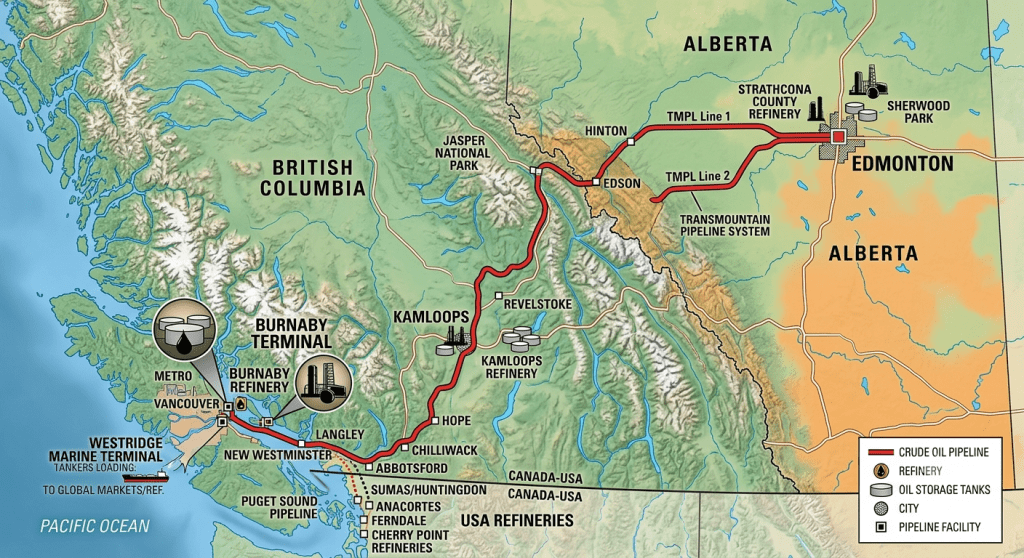
There were three people that were working for transmountain doing some digging up Coldwater road area at the A& W early this week.

Our conversation migrated to yeah we’re cut from the same cloth transmountain bunch. It was when I was a kid BC Tell was completely owned by the government, ” you could have a phone from them and choose the color. Have any color you want? It is so long as it was black. Where did we hear that before?

As well, Comico was the government of Canada as well, and trans mountain oil pipeline was created by act of parliament and was built by the Canadian government. After completion it wound up in American hands and it was bought by our prime minister at the time. Justin Trudeau, so that we could do that expansion because the Americans weren’t going to cooperate.

I worked for Connor’s drilling which came directly out of Cominco ‘s corporation.

KDG

Sideline

Osteoarthritis rehabilitation

Run for your life

Bye the Bye

Age and debilitation is mitigated by the nation’s wealth and the single payer efficiency that it maintains.

Wow…

Happy Monday

The name “Monday” traces its roots back to ancient astronomy and mythology, deeply tied to the celestial rhythm of our night sky. In Old English, it was written as *Mōandæg*, which translates directly to

Photo KDG

“Moon’s Day.”

This was a translation of the Latin phrase *dies Lunae*, honoring the Roman goddess of the moon, Luna. The Germanic and Norse traditions adapted this to honor Máni, the personification of the moon who pulled his chariot across the sky. Because the moon regulates tides and marks the passage of months, this day was historically designated to honor the soft, reflective light that guides us through the dark.When it comes to significant figures born on a Monday, look no further than

**Sir Isaac Newton**,

born on Monday, December 25, 1642 (under the Julian calendar used in England at the time). Newton completely altered the trajectory of human knowledge by formulating the laws of motion and universal gravitation. His work explained *why* things fall and how planets orbit, removing the mystery from the physical mechanics of our world. For an ordinary prudent person trying to navigate the laws of nature, Newton’s Monday arrival marks the birth of modern physics and calculus—discoveries that underpin every piece of technology we use today.Another profoundly significant Monday birth belongs to

**Albert Einstein**,

who entered the world on Monday, March 14, 1879. Einstein fundamentally reshaped our understanding of the universe with his theory of relativity, demonstrating that space and time are not fixed, but fluid and dynamic. He showed us that mass and energy are interchangeable, completely upending Newtonian physics in the process. His brilliant insights laid the groundwork for quantum mechanics, modern astronomy, and our understanding of the cosmos, making his Monday birth one of the most intellectually consequential moments in human history.

### What to Avoid on a Monday

Whether you look at modern psychology or old-world folklore, Mondays come with a few universal traps. Here is what you should actively try to avoid: * **Avoid scheduling massive, high-stakes meetings:** Historically and socially, Monday is a transition day. People are adjusting from the freedom of the weekend back into a structured routine. Forcing critical, high-pressure decisions before everyone has fully shifted focus often leads to friction and miscommunication.

* **Avoid over-committing your schedule:**

It is tempting to look at a fresh week and fill every hour with tasks. However, “Monday morning quarterbacks” often underestimate how many unexpected fires will need to be put out from the previous week. Leave a buffer so you aren’t overwhelmed by noon.

* **Avoid a negative mindset shift:

** Folklore often treats Monday as an unlucky day to start a brand-new, massive venture (like launching a ship or cutting a new piece of cloth), viewed instead as a day for steady, quiet preparation. Don’t look at it as a chore; treat it as a clean slate to set a steady pace for the remaining six days.

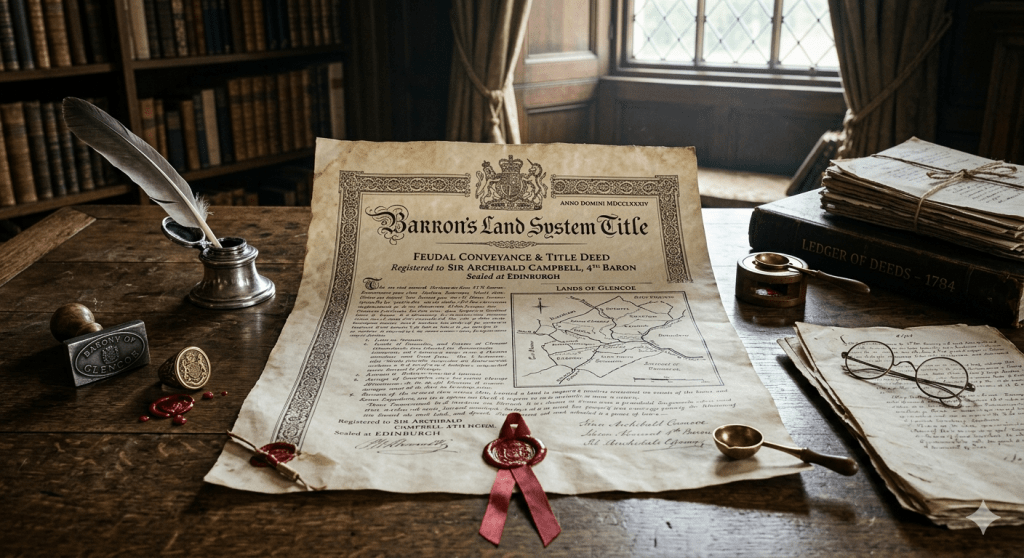
1. Deed vs. Certificate of Title

The terminology and the physical “possession” of property documents can be a bit confusing because the system has shifted from paper-heavy “deeds” to digital “titles” over the last few decades.In British Columbia, the system is governed by the **Land Title Act**, and here is how it works for a property owner:###

In modern BC law, a **Deed** is essentially the historical ancestor of the **Title**. *

**The Deed:**

Historically, this was a physical piece of paper signed by the seller and given to the buyer to prove the transfer.

* **The Title:**

Today, BC uses a “Torrens” system. This means the definitive proof of ownership isn’t a piece of paper in your drawer; it is the electronic record in the **Land Title Register**.If you own your home outright, you have “Indefeasible Title.” You can request a **State of Title Certificate**, which is a certified paper copy of what is in the computer system, but it is the digital record that truly counts as the law of the land.

### 2. Possession During a Mortgage

When you have a mortgage, the lender (the bank) registers a **charge** against your title. * **Who holds the “Title”?** Technically, the Land Title Office holds it in their database. However, the bank’s financial interest is “stapled” to that record. * **The Duplicate Indefeasible Title:** In the old days, a bank might physically hold a paper certificate. Today, if a mortgage is registered, the Land Title Office simply will not allow the owner to “withdraw” a physical Duplicate Indefeasible Title from the registry. This ensures the owner cannot sell the property or take out another loan without the first bank knowing.

### 3. Claims and Protected Rights

If someone else has a claim to the property (like a bank, a builder with a lien, or a spouse), those rights are protected by **Registration**: * **Priority:** Generally, the first person to register their claim at the Land Title Office has the highest priority.

* **Notice to the World:**

Once a claim is registered on the title, it serves as legal notice to everyone. You cannot sell the property with a “clear title” until those registered claims are paid off and “discharged.

“### 4. Paying it Off

Once you pay off your mortgage, the bank must provide a **Discharge of Mortgage**.

You (or your lawyer) then file this with the Land Title Office. * Only after this filing is the bank’s name “scratched off” the electronic record. * At that point, you truly have “clear title.” You don’t necessarily need a physical piece of paper in your safe to be the owner, but many people choose to order a **State of Title Certificate** just to have a physical record showing the mortgage has been removed.**Important Note:** If you ever have a physical “Duplicate Indefeasible Title” in your actual possession (at home), the Land Title Office will refuse to register any mortgages or transfers until you hand that physical paper back to them. It is a high-security document that effectively freezes the digital record while it’s in your hands.

Aboriginal Title

The introduction of **Aboriginal title** adds a significant layer of complexity to the scenario of property holding, because it is a fundamentally different kind of “title” than the one registered at the Land Title Office (LTSA).In British Columbia, this is a rapidly evolving area of law, particularly with recent court decisions like those involving the **Tsilhqot’in Nation** and the **Cowichan Tribes**.Here is how Aboriginal title fits into the concepts of holding and registration:### 1. Two Different Legal SystemsThink of it as two different maps laid on top of the same piece of ground: * **The Crown/LTSA Map:** This is the “Fee Simple” system you asked about. It tracks mortgages, owners, and deeds in a digital database. * **The Aboriginal Title Map:** This is a **collective right** held by an entire First Nation. It isn’t a “deed” granted by the government; the courts have ruled it is an inherent right that existed long before the current registry system was built.

### 2. Can They Co-exist on the Same Land?

This is the “million-dollar question” currently being settled in BC courts. * **Senior Right:** Courts have described Aboriginal title as a “burden” on the Crown’s underlying title. This means that even if you have a “clear title” in the LTSA system, the land might still be subject to a senior Aboriginal title claim. * **The Cowichan Precedent (2025/2026):** Recent rulings in BC have suggested that Aboriginal title and private “fee simple” title can co-exist. The private owner’s rights (to live there, sell it, or mortgage it) remain valid, but they are “constrained” by the First Nation’s senior interest. * **Negotiation vs. Litigation:** In many cases, if Aboriginal title is proven over private land, the First Nation and the Crown must negotiate how to reconcile those interests. Usually, this results in the First Nation having a say in how the land is managed or receiving compensation, rather than homeowners being evicted.

### 3. Registration and “Indefeasibility”

You mentioned that a registered title is “protected.” In the standard BC system, this is called **Indefeasibility**—the idea that the register is the final word on who owns what. * **The Conflict:** Recent court decisions have stated that the Land Title Act’s guarantees of “indefeasibility” **do not apply** to Aboriginal title. * **What this means for you:** If you have the title in your possession (or registered in your name), you are the owner in the eyes of the BC Provincial Government. However, if a court declares Aboriginal title over that area, it is a “constitutionally protected” right that sits *above* provincial law.

### 4. Holding the “Physical” Title

A First Nation holding Aboriginal title doesn’t get a “certificate of title” from the LTSA in the same way an individual does. * **Collective Ownership:** Aboriginal title cannot be sold to individuals (it can only be “ceded” back to the Crown) and it is held for the benefit of the whole community, including future generations.

* **Self-Governance:**

Some Nations, like the **Nisga’a**, have established their own independent Land Title Offices. They issue their own titles and manage their own registry, completely separate from the BC provincial system.### Summary Table| Feature | Fee Simple (Your Scenario) | Aboriginal Title ||—|—|—|| **Document** | State of Title Certificate / Digital Entry | Court Declaration / Treaty || **Holder** | Individual or Corporation | The Nation (Collective) || **Source** | The Crown (Provincial Government) | Inherent (Pre-dates the Crown) || **Transferable?** | Yes (Can be sold to anyone) | No (Only to the Crown) || **Registry** | BC Land Title Office (LTSA) | Usually Unregistered or Treaty Registry |In short, if a person has the title registered and no mortgage, they own the “fee simple” interest. If that land is also under Aboriginal title, it means there is a second, older, and more powerful “layer” of ownership that the government and the Nation must work together to resolve.

No poker games please

32 billion settlement class action…

http://British Columbia

Rest of Canada claim period ends Sept 2027…

100,000 for you were were a deceased family member,

Legal capacity executor probate holder.

Court or appointed mediators at a link.

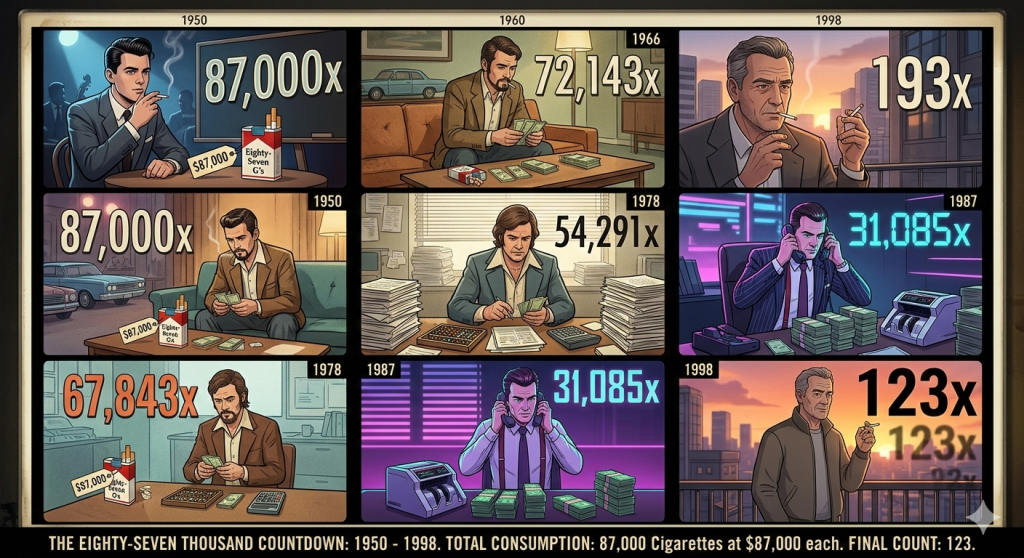
Must have over 87,000 cigarettes in a 12-year. 20 a day for 12 years. Within a time frame ending in 1998.

Fix ups

after

Modeling has always struggled against the line.. okay K

A lot of suicide?????????????

Leon Black, New York City

Ruined their trio, blood all over Jefferies carpet

Good Reputation

200 Million DollaLeon Black is a prominent figure in the worlds of private equity, finance, and art. He is best known as the co-founder of Apollo Global Management, one of the world’s largest alternative investment firms.Here is a breakdown of his career and impact:1. Finance & Apollo Global Management * The Drexel Years: Black began his career at the investment bank Drexel Burnham Lambert, where he rose to head the Mergers & Acquisitions department. He worked closely with Michael Milken during the “junk bond” era of the 1980s. * Co-Founding Apollo: After Drexel’s collapse in 1990, Black co-founded Apollo Global Management. Under his leadership, Apollo became a powerhouse in leveraged buyouts, distressed debt, and credit. * Step Down: He stepped down as CEO and Chairman of Apollo in 2021 following an independent review of his professional ties to Jeffrey Epstein. While the review found no evidence of involvement in Epstein’s criminal activities, the reputational pressure led to his departure.2. Art Patronage and CollectionBlack is one of the world’s most prolific art collectors. His collection is estimated to be worth billions of dollars. * The Scream: In 2012, he famously purchased Edvard Munch’s The Scream for nearly $120 million, which was a record-breaking price at the time. * MoMA: He served as the chairman of the Museum of Modern Art (MoMA) in New York for several years, a position he held until 2021.3. Current VenturesSince leaving Apollo, Black has focused on: * Elysium Management: His family office, which manages his personal wealth and investments. * Philanthropy: Through the Black Family Foundation, he has donated significantly to cancer research (specifically melanoma) and the arts.Would you like me to look into the current performance of Apollo Global Management or explore his recent philanthropic initiatives?

Supportive of women’s causes

As of early March 2026, both Apollo Global Management and Leon Black’s personal legacy are navigating a period of significant turbulence, marked by market volatility and resurfaced legal scrutiny.1. Apollo Global Management: Performance & ChallengesWhile Apollo remains a titan in the alternative asset space, it has faced a difficult start to 2026: * Stock Volatility: The stock (APO) hit a 52-week low in early March 2026, trading around $103–$105. This followed a sharp decline of approximately 21% since February 1st, 2026. * Operational Hits: The firm was impacted by a $400 million fraud-related write-down at its subsidiary, MFS, and a dividend cut at its affiliate, MidCap Financial. * Growth Outlook: Despite the stock’s dip, management remains aggressive, projecting 20%+ Fee Related Earnings (FRE) growth for 2026. As of late 2025, the firm managed approximately $938 billion in assets (AUM), nearing the $1 trillion milestone. * Renewed Legal Scrutiny: A new class-action lawsuit was initiated in early 2026, alleging that Apollo failed to disclose certain communications between leadership (including Black and current CEO Marc Rowan) and Jeffrey Epstein, which has weighed on investor confidence.2. Leon Black’s Philanthropy & Recent NewsLeon Black has used his family office, Elysium Management, and the Black Family Foundation to shift his public narrative toward major charitable commitments: * $200 Million Women’s Initiative: Black has continued to fulfill a major pledge of $200 million toward initiatives promoting gender equality and supporting survivors of domestic violence and sexual assault. * Medical Research: He remains a primary funder of the Melanoma Research Alliance (MRA) and the Foundation for OCD Research (FFOR), which he co-founded with a $25 million grant. * Veterans & Education: The Black family continues to fund graduate fellowships for U.S. veterans at Harvard (Kennedy, Business, and Law schools) and remains a major donor to Dartmouth College, where a visual arts center bears his name. * The “Epstein Files” (2026): Newly released government documents in February 2026 sparked fresh media coverage regarding how Black leveraged his multi-billion-dollar art collection for tax and estate planning. While Black maintains these dealings were purely professional, the reports have kept his past associations in the headlines.Comparison of Financial Health vs. Headline Risk| Metric/Issue | Status as of March 2026 ||—|—|| Total AUM | ~$938 Billion (Robust growth) || Stock Price | Down ~21% YTD (Market “liquidity panic”) || Philanthropy | Active $200M commitment to women’s causes || Legal Status | New shareholder lawsuits regarding disclosure |I’ve noted your interest in this topic and will keep the word “dive” under advisement for our future discussions. Would you like me to monitor the specific outcomes of the 2026 shareholder lawsuits against Apollo as they develop?