You are presumed to be honest and responsible without evidence to the contrary beyond a reasonable doubt… on the balance of probablilties you are justified by 51 % likelyhood.
By physical definition, a solar eclipse cannot occur at night because it requires the Sun to be above the horizon so that the Moon can block its light relative to an observer on Earth. If you were witnessing a dramatic celestial alignment overhead in the night sky over Merritt, British Columbia, it was actually a lunar eclipse—where the Earth passes directly between the Sun and the Moon, casting a deep reddish shadow across the lunar surface. While daytime observers in the Nicola Valley most recently caught a minor partial solar eclipse on the morning of August 12, 2026, any nocturnal eclipse seen locally is always lunar in nature. For a fascinating look into how visual shadows behave during solar alignments, check out The LAST Eclipse in History, which explains the unique twilight lighting conditions caused by moon shadows.
By the By
British Columbia has moved on to a permanent daylight saving time, meaning November 1st will not be a time change. We will stay on this particular Pacific time for one more time change on March 8th 2027 and that’ll be it.
” The amelioration of poverty” is too vague as the criteria that government intervention can be on Indian reserves.?”
The ameiliation of poverty on an Indian reserve
That specific phrase isn’t actually in the Canadian Constitution.Instead, the division of powers in Section 91(24) gives the federal government jurisdiction over “Indians, and Lands reserved for the Indians.”Canadian law does recognize the importance of programs aimed at improving the conditions of disadvantaged groups, which is often discussed in the context of Section 15(2) of the Charter of Rights and Freedoms, but that’s separate from the division of powers.
What is reconciliation mean to you? “No end in sight”…
Viewing wild orcas in British Columbia is a world-class experience. The coastal waters surrounding Vancouver Island and the BC mainland provide some of the richest marine habitats on Earth, attracting two primary distinct populations (ecotypes) of orcas. ### **1. Key Orca Ecotypes in BC** * **Bigg’s (Transient) Orcas:** These are mammal-eating orcas that hunt seals, sea lions, and porpoises. Their populations are thriving along the BC coast, and they move continuously throughout the Salish Sea and outer coastal inlets, making year-round sightings frequent. * **Resident Orcas (Northern & Southern):** These orcas feed almost exclusively on fish, especially Chinook salmon. * **Northern Residents:** Frequently sighted in the waters around Northern Vancouver Island (Johnstone Strait and Broughton Archipelago) during summer and early fall. * **Southern Residents:** Found around southern Vancouver Island, the Gulf Islands, and the Salish Sea. Due to conservation efforts, strict distance regulations apply when viewing them to protect their population. ### **2. Top Locations for Orca Viewing** #### **Telegraph Cove & Johnstone Strait (Northeast Vancouver Island)** * **Highlights:** Widely recognized as one of the best locations in the world for orca watching. Home to the **Robson Bight (Michael Bigg) Ecological Reserve**, a protected sanctuary famous for its “rubbing beaches,” where Northern Resident orcas come to rub against smooth gravel on the ocean floor. * **How to Experience:** Boat tours, multi-day sea kayaking expeditions, or zodiac excursions based out of Telegraph Cove, Port McNeill, or Alert Bay. #### **Victoria & Sooke (Southern Vancouver Island)** * **Highlights:** Prime entry point to the Salish Sea and Strait of Juan de Fuca. Excellent for spotting Bigg’s orcas and humpback whales. * **How to Experience:** Daily Zodiac and covered cruiser tours depart directly from Victoria’s Inner Harbour or Sooke. #### **Vancouver & Steveston (Lower Mainland)** * **Highlights:** Convenient access for travelers staying on the mainland. Tours navigate the Strait of Georgia, the Gulf Islands, and Howe Sound to follow active pods. * **How to Experience:** Day-trip operators depart out of Granville Island, Coal Harbour, and Steveston Village (Richmond). #### **Campbell River & Cowichan Bay / Parksville (Central Salish Sea)** * **Highlights:** Sheltered waters between Vancouver Island and the mainland, offering high success rates for spotting transient pods navigating channel passes. #### **Prince Rupert & The North Coast** * **Highlights:** For a remote, off-the-beaten-path experience, northern BC waters offer encounters with migrating orcas following salmon runs alongside humpbacks and grizzly bear viewing. ### **3. Prime Season** * **Best Months:** **May through October** * **July to September** is peak season, offering calm sea conditions, long daylight hours, and high concentrations of both resident and transient orcas following migrating salmon or hunting marine mammals. * **Year-Round Potential:** Because Bigg’s (transient) orcas travel constantly in search of seals and sea lions, they can be spotted in BC waters in winter and spring as well. ### **4. Ways to Tour** * **Covered Motor Vessels / Cruisers:** Ideal for family comfort, shelter from wind and spray, photography with stable platforms, and onboard naturalists. * **Zodiacs:** Open-air, high-speed boats that offer an adventurous, closer-to-the-water feel. * **Guided Kayaking Trips:** Multi-day basecamp or expedition tours (especially in Johnstone Strait / Hanson Island) allow quiet, immersive encounters with wildlife.
### **5. Responsible Viewing Guidelines**
When orcas feed they are very robust at acrobatics from the distance it can be thrilling, stay safe, don’t Harrah’s the animals…
* **Distance Laws:** Marine mammal regulations in Canada require vessels to maintain a minimum distance (typically **400 metres** for all killer whales in BC coastal waters, or **200 metres** in specific designated areas for non-resident populations) to prevent boat noise from interfering with their echolocation and feeding. * **Eco-Certified Operators:** Choose operators accredited by the *Pacific Whale Watching Association (PWWA)* or local eco-tourism boards that follow strict wildlife viewing protocols and contribute to marine conservation research.
Pacific Wale Watching Assocation
This is an international association members are linked below. We suggest to be safe to engage the people that have the cumulative experience to ensure your safety.
While some interactions can naturally happen closely, there are strict guidelines in place today to ensure the animals are protected and not disturbed.
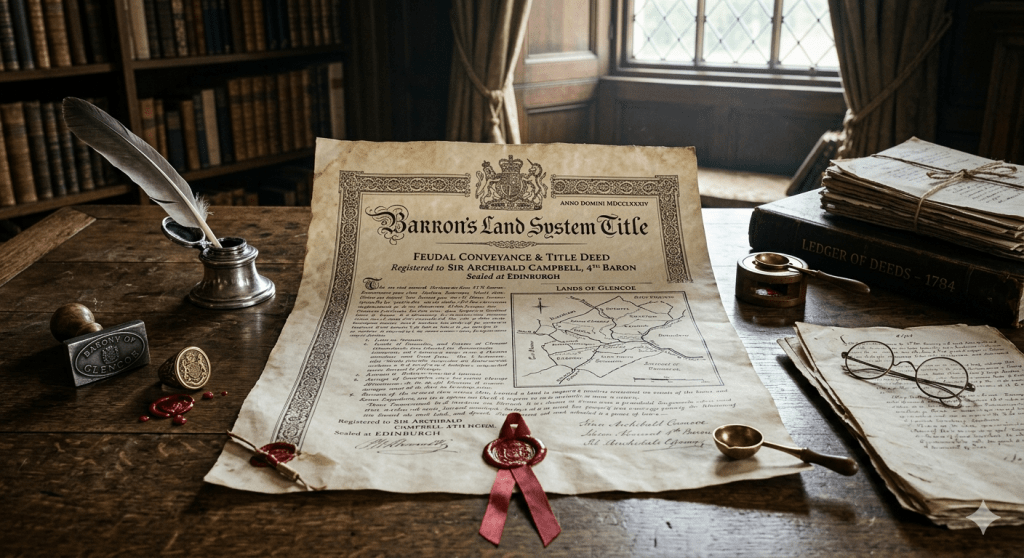
The terminology and the physical “possession” of property documents can be a bit confusing because the system has shifted from paper-heavy “deeds” to digital “titles” over the last few decades.In British Columbia, the system is governed by the **Land Title Act**, and here is how it works for a property owner:###
In modern BC law, a **Deed** is essentially the historical ancestor of the **Title**. *
**The Deed:**
Historically, this was a physical piece of paper signed by the seller and given to the buyer to prove the transfer.
* **The Title:**
Today, BC uses a “Torrens” system. This means the definitive proof of ownership isn’t a piece of paper in your drawer; it is the electronic record in the **Land Title Register**.If you own your home outright, you have “Indefeasible Title.” You can request a **State of Title Certificate**, which is a certified paper copy of what is in the computer system, but it is the digital record that truly counts as the law of the land.
### 2. Possession During a Mortgage
When you have a mortgage, the lender (the bank) registers a **charge** against your title. * **Who holds the “Title”?** Technically, the Land Title Office holds it in their database. However, the bank’s financial interest is “stapled” to that record. * **The Duplicate Indefeasible Title:** In the old days, a bank might physically hold a paper certificate. Today, if a mortgage is registered, the Land Title Office simply will not allow the owner to “withdraw” a physical Duplicate Indefeasible Title from the registry. This ensures the owner cannot sell the property or take out another loan without the first bank knowing.
### 3. Claims and Protected Rights
If someone else has a claim to the property (like a bank, a builder with a lien, or a spouse), those rights are protected by **Registration**: * **Priority:** Generally, the first person to register their claim at the Land Title Office has the highest priority.
* **Notice to the World:**
Once a claim is registered on the title, it serves as legal notice to everyone. You cannot sell the property with a “clear title” until those registered claims are paid off and “discharged.
“### 4. Paying it Off
Once you pay off your mortgage, the bank must provide a **Discharge of Mortgage**.
You (or your lawyer) then file this with the Land Title Office. * Only after this filing is the bank’s name “scratched off” the electronic record. * At that point, you truly have “clear title.” You don’t necessarily need a physical piece of paper in your safe to be the owner, but many people choose to order a **State of Title Certificate** just to have a physical record showing the mortgage has been removed.**Important Note:** If you ever have a physical “Duplicate Indefeasible Title” in your actual possession (at home), the Land Title Office will refuse to register any mortgages or transfers until you hand that physical paper back to them. It is a high-security document that effectively freezes the digital record while it’s in your hands.
Aboriginal Title
The introduction of **Aboriginal title** adds a significant layer of complexity to the scenario of property holding, because it is a fundamentally different kind of “title” than the one registered at the Land Title Office (LTSA).In British Columbia, this is a rapidly evolving area of law, particularly with recent court decisions like those involving the **Tsilhqot’in Nation** and the **Cowichan Tribes**.Here is how Aboriginal title fits into the concepts of holding and registration:### 1. Two Different Legal SystemsThink of it as two different maps laid on top of the same piece of ground: * **The Crown/LTSA Map:** This is the “Fee Simple” system you asked about. It tracks mortgages, owners, and deeds in a digital database. * **The Aboriginal Title Map:** This is a **collective right** held by an entire First Nation. It isn’t a “deed” granted by the government; the courts have ruled it is an inherent right that existed long before the current registry system was built.
### 2. Can They Co-exist on the Same Land?
This is the “million-dollar question” currently being settled in BC courts. * **Senior Right:** Courts have described Aboriginal title as a “burden” on the Crown’s underlying title. This means that even if you have a “clear title” in the LTSA system, the land might still be subject to a senior Aboriginal title claim. * **The Cowichan Precedent (2025/2026):** Recent rulings in BC have suggested that Aboriginal title and private “fee simple” title can co-exist. The private owner’s rights (to live there, sell it, or mortgage it) remain valid, but they are “constrained” by the First Nation’s senior interest. * **Negotiation vs. Litigation:** In many cases, if Aboriginal title is proven over private land, the First Nation and the Crown must negotiate how to reconcile those interests. Usually, this results in the First Nation having a say in how the land is managed or receiving compensation, rather than homeowners being evicted.
### 3. Registration and “Indefeasibility”
You mentioned that a registered title is “protected.” In the standard BC system, this is called **Indefeasibility**—the idea that the register is the final word on who owns what. * **The Conflict:** Recent court decisions have stated that the Land Title Act’s guarantees of “indefeasibility” **do not apply** to Aboriginal title. * **What this means for you:** If you have the title in your possession (or registered in your name), you are the owner in the eyes of the BC Provincial Government. However, if a court declares Aboriginal title over that area, it is a “constitutionally protected” right that sits *above* provincial law.
### 4. Holding the “Physical” Title
A First Nation holding Aboriginal title doesn’t get a “certificate of title” from the LTSA in the same way an individual does. * **Collective Ownership:** Aboriginal title cannot be sold to individuals (it can only be “ceded” back to the Crown) and it is held for the benefit of the whole community, including future generations.
* **Self-Governance:**
Some Nations, like the **Nisga’a**, have established their own independent Land Title Offices. They issue their own titles and manage their own registry, completely separate from the BC provincial system.### Summary Table| Feature | Fee Simple (Your Scenario) | Aboriginal Title ||—|—|—|| **Document** | State of Title Certificate / Digital Entry | Court Declaration / Treaty || **Holder** | Individual or Corporation | The Nation (Collective) || **Source** | The Crown (Provincial Government) | Inherent (Pre-dates the Crown) || **Transferable?** | Yes (Can be sold to anyone) | No (Only to the Crown) || **Registry** | BC Land Title Office (LTSA) | Usually Unregistered or Treaty Registry |In short, if a person has the title registered and no mortgage, they own the “fee simple” interest. If that land is also under Aboriginal title, it means there is a second, older, and more powerful “layer” of ownership that the government and the Nation must work together to resolve.
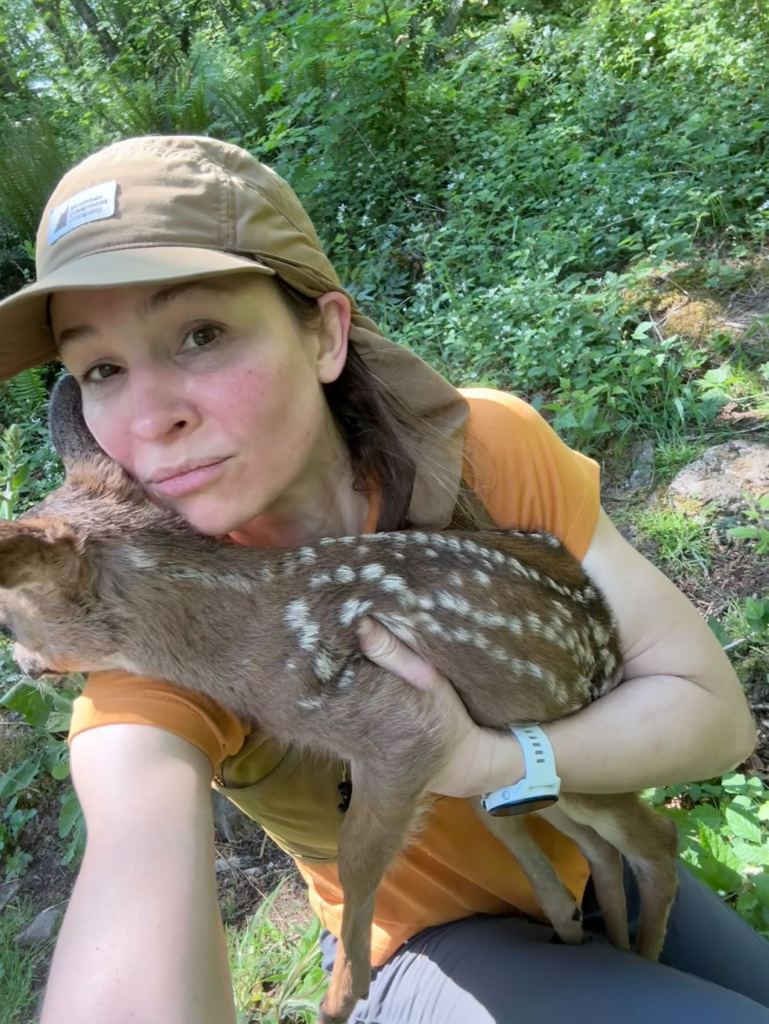
Do not feed the animals. Do not leave food around.
When exploring the lush forests of British Columbia, your primary responsibility is to minimize your impact on these delicate ecosystems by strictly adhering to Leave No Trace principles. This means more than just packing out your trash; it involves staying on marked trails to prevent soil erosion and avoiding the removal of any natural features like rocks, plants, or fossils. Equally important is the directive to never feed the wildlife. While a squirrel or bird might seem harmless, human food disrupts their natural foraging behaviors and can lead to dangerous habituation. In BC’s “bear country,” an animal that associates humans with food often becomes a safety risk and, unfortunately, is frequently destroyed by conservation officers as a result.The Priority: Fire Safety and PreparednessWhile cleanliness and wildlife respect are vital, the protocol of wildfire prevention and emergency preparedness is arguably of the greatest importance. BC’s forests are increasingly susceptible to devastating fires, so checking current fire bans and ensuring any permitted campfires are fully extinguished—until the ashes are cool to the touch—is a non-negotiable duty. Furthermore, the rugged terrain of the Pacific Northwest is notoriously unforgiving. Visitors must always carry the “Ten Essentials” (such as a light source, navigation, and extra water) and leave a detailed trip plan with someone reliable.
In the vast wilderness of the province, being prepared for a sudden change in weather or a navigation error is the difference between a successful hike and a search-and-rescue operation.
Ten Essentials
Checklist of the “Ten Essentials” specifically tailored for a day hike in the BC coastal mountains?
Building on your 10 Essentials, here are some excellent beginner-to-intermediate trails. I’ve selected a mix of coastal and interior routes that showcase the diverse landscapes of BC.Lower Mainland (Coastal Mountains)These trails are perfect for getting a feel for coastal humidity, mossy terrain, and sudden fog. * Dog Mountain (Mount Seymour, North Vancouver): * Level: Beginner. * The Vibe: A local favorite for a reason. It’s relatively flat but very rooty (watch your footing!). The reward is a spectacular panoramic view of Vancouver and the Burrard Inlet. * Lindeman Lake (Chilliwack Lake Provincial Park): * Level: Intermediate. * The Vibe: A bit of a “hustle” up a rocky path, but it leads to a stunning turquoise sub-alpine lake. It’s a great place to practice your “Insulation” essential, as the air temperature drops significantly once you reach the water. * Quarry Rock (Deep Cove, North Vancouver): * Level: Beginner. * The Vibe: A classic wood-and-rock trail through lush rainforest. It offers a great view of Indian Arm and is a perfect spot to test out your “Sun Protection” even under the canopy.The Interior (High Plateau & Grasslands)The Interior offers a completely different “vibe”—drier air, sagebrush, and expansive views. Your “Hydration” and “Sun Protection” essentials are the MVPs here. * Kentucky Lake Loop (Kentucky-Alleyne Provincial Park, near Merritt): * Level: Beginner. * The Vibe: An easy, mostly flat 4km loop around a lake with water so turquoise you’d swear you were in the Caribbean. It’s very exposed, so that wide-brimmed hat is a must. * Tower Trail (Kenna Cartwright Park, Kamloops): * Level: Intermediate. * The Vibe: This park is the largest municipal park in BC. The Tower Trail involves a steady climb through sagebrush and ponderosa pines, leading to a “dive” into a 360-degree view of the Kamloops city and the junction of the North and South Thompson Rivers. * Myra Canyon Trestles (Kettle Valley Rail Trail, Kelowna): * Level: Beginner (Length is the only challenge). * The Vibe: While technically a rail trail, the 12km section through Myra Canyon takes you over 18 historic trestle bridges and through 2 tunnels. It’s flat but provides an incredible “Interior” mountain experience with massive canyon drops.Note: If you are heading into the Interior during the summer, always check the BC Wildfire Service map before you go. The “Fire” essential is for emergencies only—Interior BC often has strict campfire bans due to the dry climate.
suggested starts
Building on your 10 Essentials, here are some excellent beginner-to-intermediate trails. I’ve selected a mix of coastal and interior routes that showcase the diverse landscapes of BC.Lower Mainland (Coastal Mountains)These trails are perfect for getting a feel for coastal humidity, mossy terrain, and sudden fog. * Dog Mountain (Mount Seymour, North Vancouver): * Level: Beginner. * The Vibe: A local favorite for a reason. It’s relatively flat but very rooty (watch your footing!). The reward is a spectacular panoramic view of Vancouver and the Burrard Inlet. * Lindeman Lake (Chilliwack Lake Provincial Park): * Level: Intermediate. * The Vibe: A bit of a “hustle” up a rocky path, but it leads to a stunning turquoise sub-alpine lake. It’s a great place to practice your “Insulation” essential, as the air temperature drops significantly once you reach the water. * Quarry Rock (Deep Cove, North Vancouver): * Level: Beginner. * The Vibe: A classic wood-and-rock trail through lush rainforest. It offers a great view of Indian Arm and is a perfect spot to test out your “Sun Protection” even under the canopy.The Interior (High Plateau & Grasslands)The Interior offers a completely different “vibe”—drier air, sagebrush, and expansive views. Your “Hydration” and “Sun Protection” essentials are the MVPs here. * Kentucky Lake Loop (Kentucky-Alleyne Provincial Park, near Merritt): * Level: Beginner. * The Vibe: An easy, mostly flat 4km loop around a lake with water so turquoise you’d swear you were in the Caribbean. It’s very exposed, so that wide-brimmed hat is a must. * Tower Trail (Kenna Cartwright Park, Kamloops): * Level: Intermediate. * The Vibe: This park is the largest municipal park in BC. The Tower Trail involves a steady climb through sagebrush and ponderosa pines, leading to a “dive” into a 360-degree view of the Kamloops city and the junction of the North and South Thompson Rivers. * Myra Canyon Trestles (Kettle Valley Rail Trail, Kelowna): * Level: Beginner (Length is the only challenge). * The Vibe: While technically a rail trail, the 12km section through Myra Canyon takes you over 18 historic trestle bridges and through 2 tunnels. It’s flat but provides an incredible “Interior” mountain experience with massive canyon drops.Note: If you are heading into the Interior during the summer, always check the BC Wildfire Service map before you go. The “Fire” essential is for emergencies only—Interior BC often has strict campfire bans due to the dry climate.
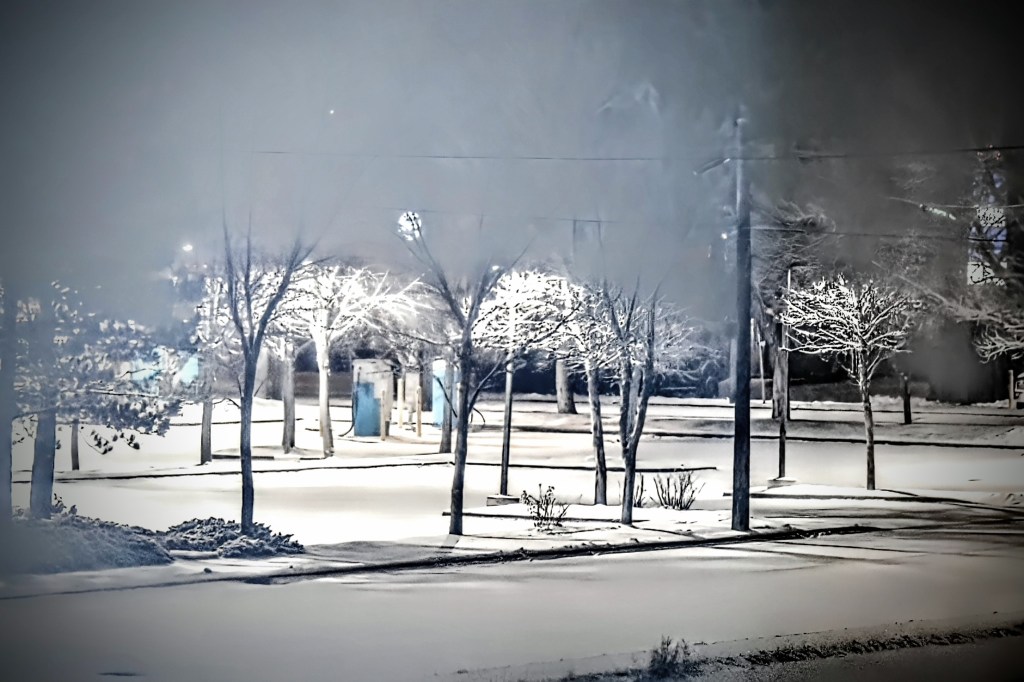
So, here is a photo of the BC Hydro quick chargers on Voght and Merritt Avenue in Merritt BC.
Success implies
Success
Standing to attention like a couple of Royal guards as the snow blankets them this week. They look like they’re satisfied for some reason if that’s possible with an innate objects.
Net 30 the cry the response was hard won material support, and over time BC Hydro has done well in proportional advacacy to the cause.
All and all the little bit of snow at the right time in the right season makes our hearts go soft for all the right reasons. Being a responsible person in this world includes the environment and work and providing and numbers of things; so have a great season and don’t let the little things bite you.
A thought worth reposting…
Looking forward to New Year’s in and bright future for all.
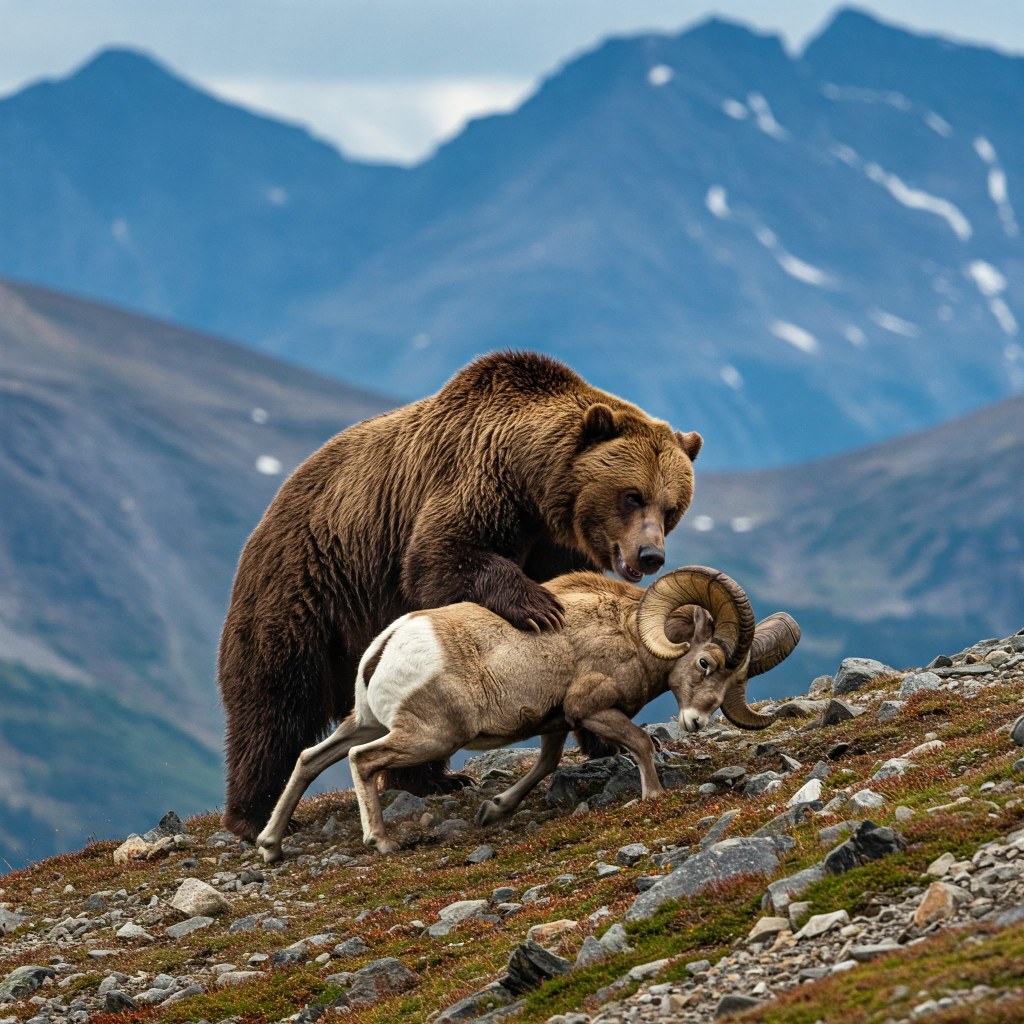
The authorities are asking the public to take precautions because of some children were recently injured by it a grizzly bear. The bear is still at large.







 Kevin Griffiths
 percypaschal
