You are presumed to be honest and responsible without evidence to the contrary beyond a reasonable doubt… on the balance of probablilties you are justified by 51 % likelyhood.
By physical definition, a solar eclipse cannot occur at night because it requires the Sun to be above the horizon so that the Moon can block its light relative to an observer on Earth. If you were witnessing a dramatic celestial alignment overhead in the night sky over Merritt, British Columbia, it was actually a lunar eclipse—where the Earth passes directly between the Sun and the Moon, casting a deep reddish shadow across the lunar surface. While daytime observers in the Nicola Valley most recently caught a minor partial solar eclipse on the morning of August 12, 2026, any nocturnal eclipse seen locally is always lunar in nature. For a fascinating look into how visual shadows behave during solar alignments, check out The LAST Eclipse in History, which explains the unique twilight lighting conditions caused by moon shadows.
By the By
British Columbia has moved on to a permanent daylight saving time, meaning November 1st will not be a time change. We will stay on this particular Pacific time for one more time change on March 8th 2027 and that’ll be it.
First day of last time change in British Columbia…
Spring ahead one more time with feeling ….
Clock Shock to end
Staying on Pacific Time throughout the year would mean staying on Pacific Standard Time (PST) and not observing Daylight Saving Time (DST). Based on the image you provided, which captures a tranquil morning scene in a cafe, here are some distinct advantages, particularly in terms of well-being and daily rhythm.
1. Alignment with Natural Rhythms (Circadian Health)
The image depicts people enjoying a relaxed morning, bathed in the natural, warm light of early day. This soft light is more readily available on Pacific Standard Time. * A Natural “Wake-Up” Call: PST ensures that natural light appears as early as possible in the morning. This is crucial for regulating our internal clocks. Waking up with the sun is a primary cue that synchronizes our circadian rhythms, making us feel more alert and less groggy.
* Better Sleep Quality:
In the image, people seem rested and calm. Forcing school children and workers to commute in the deep dark of morning (as would happen with a year-round DST clock) goes against our biology, which expects light upon waking. Year-round PST prioritizes quality, naturally timed sleep.2. Mental and Emotional Well-beingThe peaceful, unhurried atmosphere in the image would be a daily reality. The anxiety that often peaks during “spring forward” is completely eliminated.
* Removing the “Clock Shock”:
Eliminating the need to switch clocks twice a year avoids the widespread disruption of sleep that occurs during the “spring forward” (switching to Daylight Saving Time). This biannual change is scientifically linked to increased levels of stress, anxiety, cardiovascular incidents, and workplace and car accidents.
* Increased Productivity and Focus:
When our sleep is better and our circadian rhythms are in sync, our overall focus and mood improve. The balanced light environment suggested by the image—waking to light rather than fighting darkness—means more consistent productivity.
3. Safety and Practicality
The bright, visible street outside the window suggests a safe and clear environment for pedestrians and commuters.
* Safer Commutes:
Dark mornings are significantly more dangerous for driving and walking, particularly for school children. Year-round Pacific Standard Time (PST) ensures that for the vast majority of people, the morning commute, even in the middle of winter, is done in daylight. The light you see in the image would be a common feature of mornings, making everyone more visible and alert.
In summary, the key benefits of year-round Pacific Time (PST) align with the image’s tranquil, natural, and human-centric atmosphere. It prioritizes health, sleep, and a safer, more stable environment over artificially prolonging afternoon light.
March 8th 2026 will be the last spring ahead. The government of BC has decided to synchronize with permanent PDT time.
As pacific daylight comes on March 8th 2026, it is the intention of the British Columbia government that it retain retain it yearly. Also known as UTC 7,
[British Columbia](https://www.google.com/search?kgmid=/m/015jr&q=British+Columbia+adopting+permanent+daylight+time+after+one+final+change) is officially moving to permanent daylight time following a final “spring forward” on Sunday, March 8, 2026. [1, 2] Starting on this date, clocks in most of the province will move ahead by one hour and will never change again. This shift ends the twice-yearly ritual of seasonal time changes that B.C. has observed since 1918. [1, 3, 4, 5, 6] Key Details of the Transition* Final Change: Clocks move forward one hour at 2 a.m. on Sunday, March 8, 2026.* The “Fall Back” Cancellation: On November 1, 2026, when clocks would typically be turned back, no change will occur.* New Time Zone Name: The province’s year-round time zone will simply be called “Pacific Time”.* Time Offset: The new permanent time will be set at UTC-7, which is the same offset currently used during daylight saving time.* Affected Areas: The change applies to most of B.C. However, some communities in eastern B.C. that already observe Mountain Time or do not currently change their clocks (such as Dawson Creek and Fort St. John) will continue their existing practices. [1, 2, 3, 7, 8, 9]
Why B.C. is Making the Move NowWhile B.C. passed legislation for this change in 2019, the government previously stated it would wait for alignment with Washington, Oregon, and California. Premier David Eby announced on March 2, 2026, that the province is “done waiting” for U.S. federal approval, which remains stalled in Congress.
[3, 10, 11, 12] The decision is aimed at:
* Health and Safety: Reducing disruptions to sleep patterns, which have been linked to increased car accidents and health issues.* Family and Lifestyle: Providing an extra hour of evening light during winter months and simplifying schedules for families and pets.* Business Stability:
Removing the administrative burden and operational friction caused by twice-yearly adjustments. [2, 3, 7, 13, 14, 15]
The City of Merritt in the South Central Interior of British Columbia. Put up their street lights on and about the town and the Christmas tree is going up In Spirit square, center to the cultural and reflective hub off Granite Ave. There are pragmatic benefits to this endeavor in our view…
Photo:KDG
Seasonal affective disorder.
Well this is not a clinical diagnosis, we observed that this condition is out there and would say from a non-professional point of view then it must help with the people that suffer from it. So let your joy come from you but enjoy every little bit helps hey…
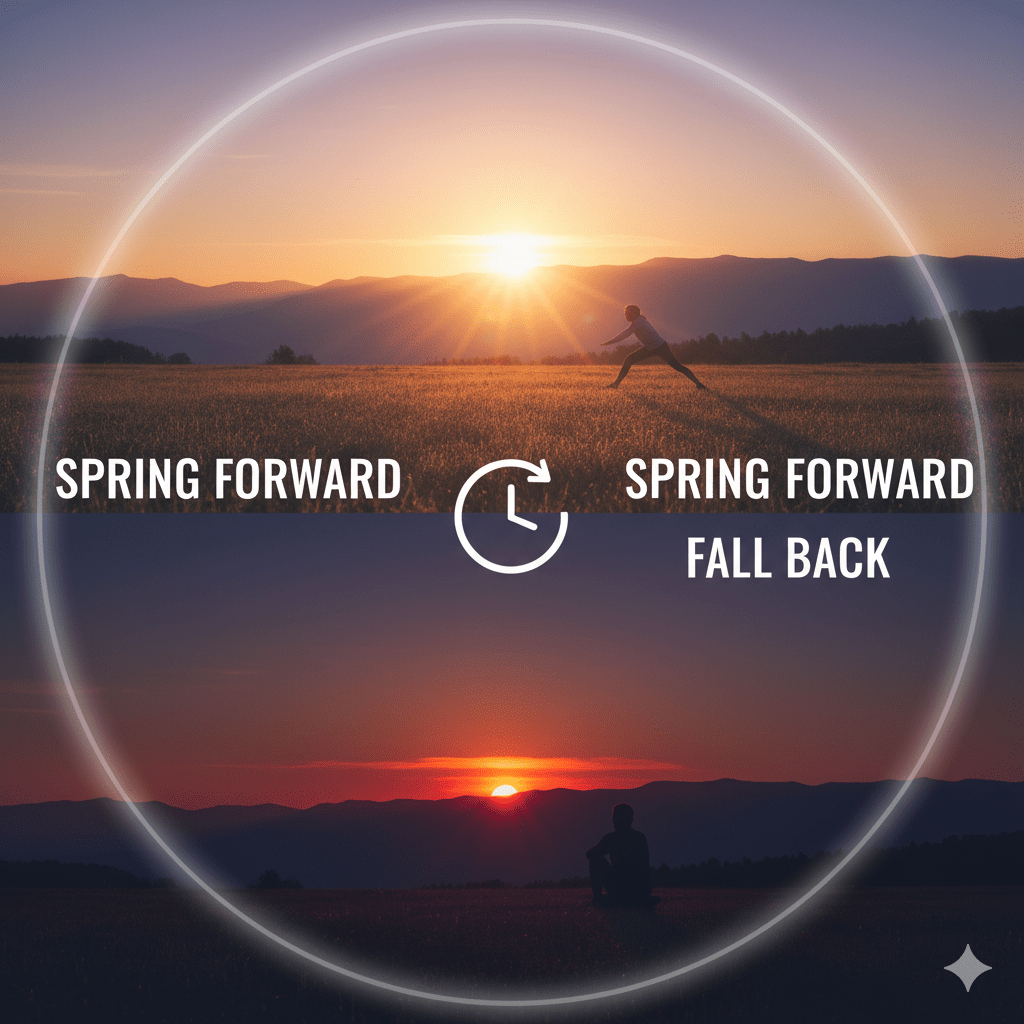
Spring ahead. Fall back. Well it’s fall. It really is fall back.
Clocks Back
On Sunday, November 2, 2025, most of British Columbia will end Daylight Saving Time by setting clocks back one hour at 2:00 a.m., giving residents an extra hour of sleep that night. This shift means the province will move back to Pacific Standard Time (PST), resulting in much earlier sunrises and earlier sunsets for the winter months. Despite B.C. passing legislation to move to permanent Daylight Time in 2019, the government has maintained the position that it will wait until the U.S. West Coast states (Washington, Oregon, and California) make the permanent move first to maintain economic alignment.
Editors note
Of course set it for 2:00 a.m. you don’t have to be up at 2:00 a.m. to do it when you go to bed at 9:00 p.m. The night before and you set it back. You will be okay
☀️ Daylight Saving Time (DST) Overview * DST is the practice of advancing clocks, usually by one hour, during the summer months. * The goal is to extend daylight into the evening, making better use of natural light. * A common mnemonic is “spring forward, fall back” to remember which way to change the clocks.
When to act
Hint:set your clocks back this evening when retiring.
Editors:note
The legislation waiting to go to permanent standard time when our large trading partner to the south does maybe coming moot soon or at least doesn’t have the attraction it did.
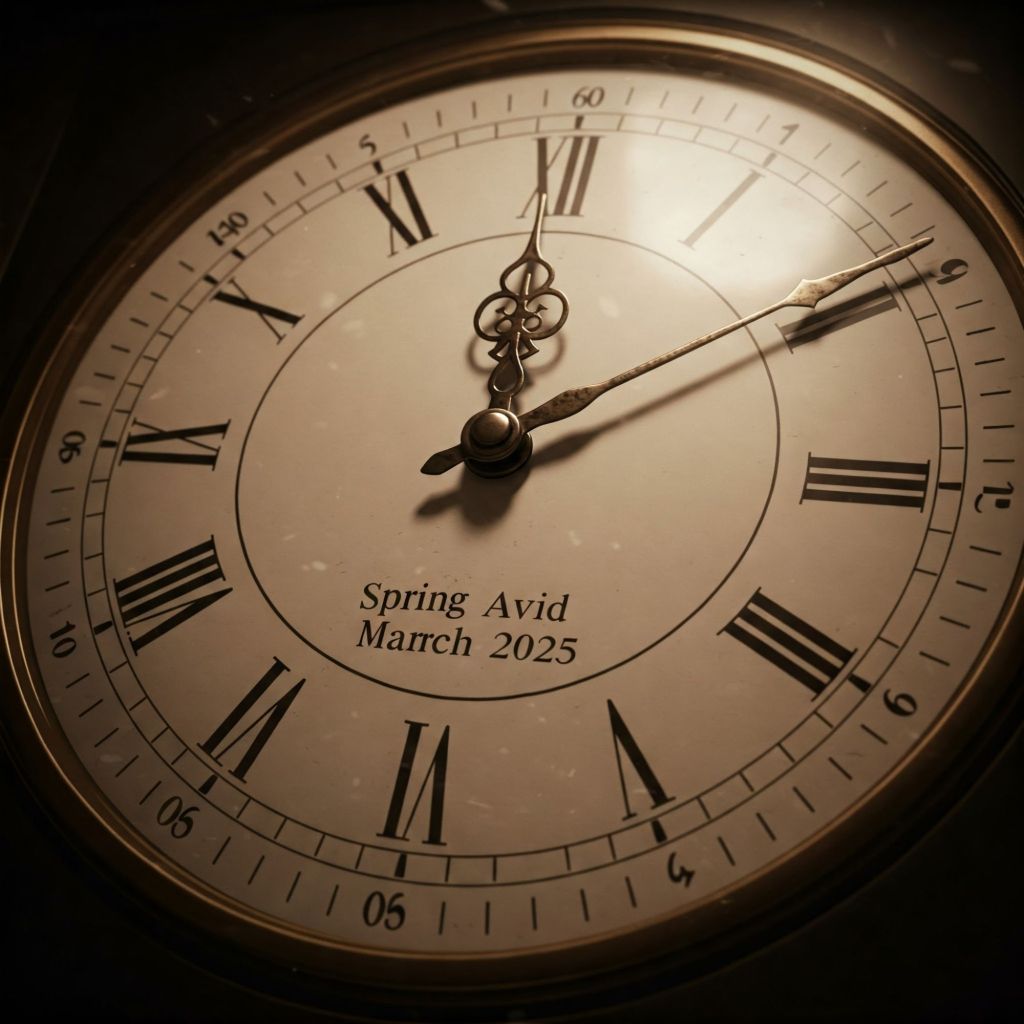
Time change is coming, on November the 3rd 2024,1am local time.
Pacific time will fall back to standard time from Daylight time for most of us in most parts of BC. Some areas do not change and are already on standard time such as all of Saskatchewan and the Yukon, parts of BC and pockets on the eastern coast, check your local area.
Take time to adjust
Always continue your diligence for safety when things like driving a routine route suddenly are seen in a different light than the previous day.
1950 heavy metal itPhoto by Cliff Booth on Pexels.comBus itSevere weather it.Dam itNuke it
Carbon Tax
In Canada we have the advantage of a tax tied to a tangible commodity. The carbon tax no matter how pie in the sky it is, it’s still based on a tanagable.
Fraud not withstanding risk is better underwritten by this vehicle. So, the bubble of hard assets (oil reserves) that we are beginning to enjoy is timely for we all. Don’t waste this moment… Use it to transform ideas to near tangibles that will endure to our children’s children.
Yes we will have weather for the weekend and atmosphere with time change (spring ahead).
Weekend Weather Forecast for British Columbia (March 8th – 10th, 2024)
The weekend in British Columbia is expected to be wet, with precipitation likely throughout the region. Temperatures will range from mild to cool, providing a perfect opportunity to enjoy indoor activities or embrace the elements with appropriate attire.
Ensure to stay updated with local forecasts as conditions may change.

















![Light Show [Explored 2026-10-09]](https://live.staticflickr.com/65535/55578539818_958ce4fa9c_s.jpg "Light Show [Explored 2026-10-09]")


 Kevin Griffiths
 percypaschal
