Category: Industrial projects


Molly Hogan

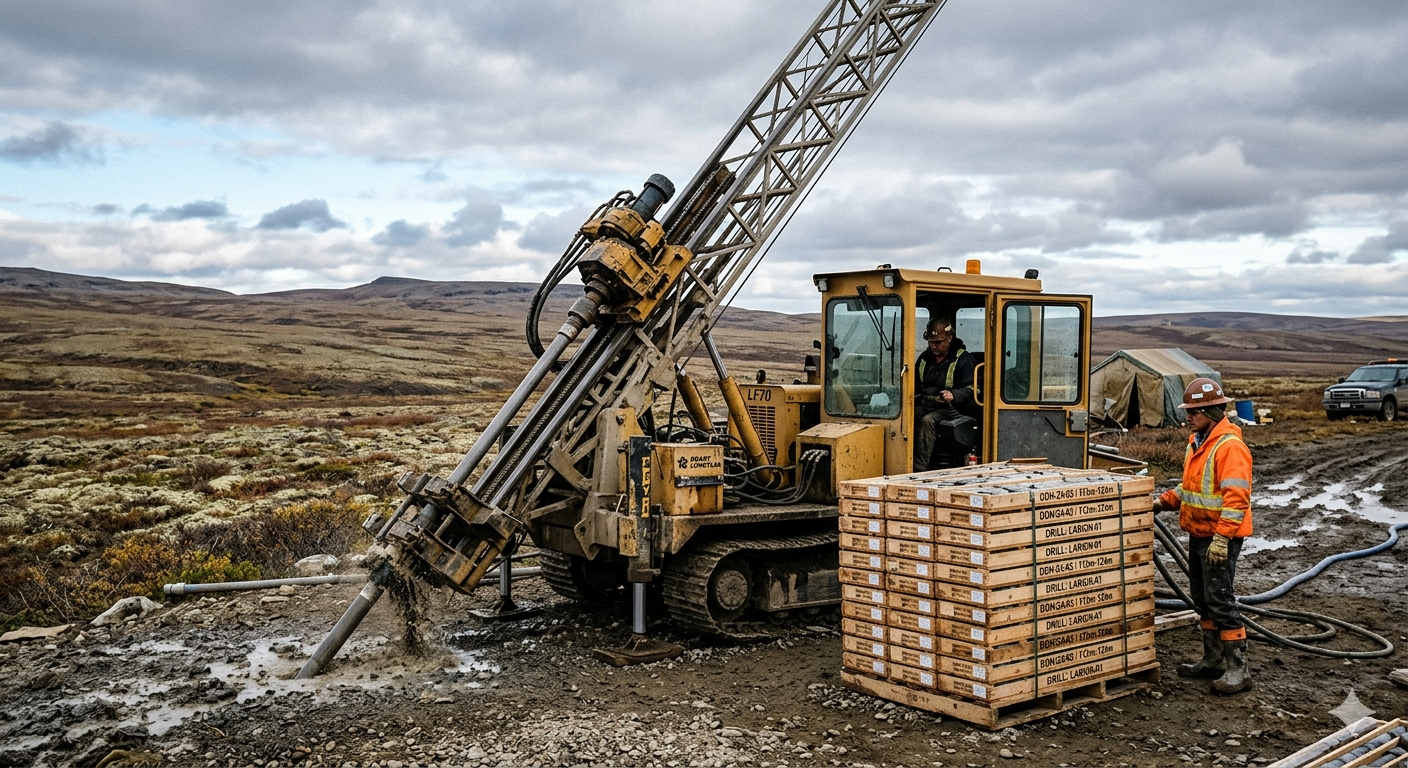
Pressed slings

Some Jurstictions or job standards require pressed slings however I was never disappointed with any Molly Hogan I made and  we used  slip a little haywire through the dead horse part of it and then wrap it around with pliers tight and then put electrician’s tape over it. 

We used it as  well for the overshot particularly. But it wasn’t deep holes.

Some drillers would cut the seventh strand out for the unlikely event  in case the tube stuck somehow and a release wasn’t working it would fail there at the overshot connection rather than ruin or break cable.

You could make a knot joining broken cable ends by adding  two Hogan’s one inside the other  then pulling them into a kind of reef, by squashing the reef with the hydraulic head it secured it.

KDG

Preview
Water dynamics in oil production.

Drill Baby Drill

Paragraph 3:

Subsurface Hydrocarbon Extraction and Water Table Mechanics

Extracting hydrocarbons from geological formations alters the localized pressure, volume, and hydraulic equilibrium of surrounding aquifer systems. When oil is pumped from deep target reservoirs, the artificial drop in pore pressure creates a hydraulic head differential, drawing formation waters—and occasionally freshwater from shallower aquifers—downward or laterally to fill the newly created void space. In shallow unconfined aquifers or near-surface spills, the structural interaction depends strictly on phase boundaries and relative densities. Because light non-aqueous phase liquids (LNAPLs, or crude fractions lighter than water) possess a specific gravity less than 1.0, they float atop the saturated zone, resting directly on the capillary fringe above the water table. UNSATURATED ZONE (Vadose Zone)~~~~~~~~~~~~~~~~~~~~~~~~~~~~~~~~~~~~~~~~~~~~~~~~~~~~~~~~~~~~~ [ Oil Layer / LNAPL ] <– Floats on water table (Density < 1.0)============================================================= <– Water Table [ Shallow Fresh Aquifer ] <– Displaced downward by oil head————————————————————- [ Aquitard / Confining Layer ]~~~~~~~~~~~~~~~~~~~~~~~~~~~~~~~~~~~~~~~~~~~~~~~~~~~~~~~~~~~~~ [ Deep Saline Formation ] <– Moves upward as oil pressure drops

1. Density Dynamics & Displacement Mechanics

The physical interaction between subsurface oil and water is governed by density, capillary forces, and fluid immiscibility: * Floating Dynamics (LNAPL): Hydrocarbons with specific gravities below water (0.7 to 0.95\text{ g/cm}^3) will float. However, the oil layer exerts a downward vertical force (LNAPL head). This creates a depression in the water table directly beneath the hydrocarbon pool, displacing pure groundwater sideways and downward until capillary resistance and buoyant forces balance the weight of the oil column. * Sinking Dynamics (DNAPL): Heavy crude components, chlorinated solvents, or dense refine byproducts with specific gravities greater than 1.0 sink directly through the water table, migrating downward until they hit an impermeable aquitard layer at the base of the aquifer. * Volumetric Displacement during Extraction: As oil is removed from deep porous media, the void space must be occupied. In primary recovery, expanding formation water moves in to replace the oil. In secondary recovery, operators actively inject produced water or fresh surface water (waterflooding) to push residual oil toward production wellbores, permanently altering regional subsurface fluid distributions

.2. Worldwide Results & Global Projections|

Impact Scope | Observed & Estimated Effects | Projections ||—|—|—|| Land Subsidence | Extraction-driven pore pressure drops have led to ground compaction and surface sinking (e.g., Houston-Galveston basin lost over 3 feet of elevation historically; California’s San Joaquin Valley experienced widespread aquifer compaction). | Coastal oil-producing regions face compound flooding risks as land compaction accelerates alongside sea-level rise. || Aquifer Depletion via Injection | Worldwide, oil recovery operations inject billions of barrels of freshwater annually into deep formations to maintain field pressure. | In arid energy basins (e.g., Permian Basin, Middle East), energy-sector freshwater draw competes directly with agricultural groundwater reserves. || Inter-Aquifer Cross-Contamination | Casing failures or legacy unsealed wells create artificial conduits connecting deep saline brine formations to shallow freshwater tables. | Legacy extraction zones face rising risks of brine and hydrocarbon migration into domestic water supplies as well integrity degrades over decades. |

3. Emerging Projections & Forward Mechanics

1. The Carbon Storage

“Water Squeeze”As massive depleted oil fields transition into carbon capture and storage (CCS) reservoirs, injecting super-critical \text{CO}_2 under high pressure reverses the historical extraction flow. The injected gas displaces deep residual saline waters, potentially forcing hyper-saline plumes upward into shallow freshwater aquifers through dormant geological faults.

2. Induced Seismicity & Hydraulic Realignment

Massive injection of produced water into deep disposal wells alters effective stress along sub-surface faults. The resulting micro-seismic activity creates new fracture networks, permanently changing regional hydrogeological pathways and allowing deep formation fluids to cross into previously isolated freshwater tables.

3. Aquifer “Resurging” Post-Depletion

When mature oil fields reach the end of their production life and pumps are decommissioned, natural regional hydraulic heads begin to re-pressurize the depleted zones. This fluid resurgence can force residual hydrocarbons and volatile organic compounds upward into shallow water tables that were protected during active production by continuous extraction drawdown.

Dreams clarify over time…

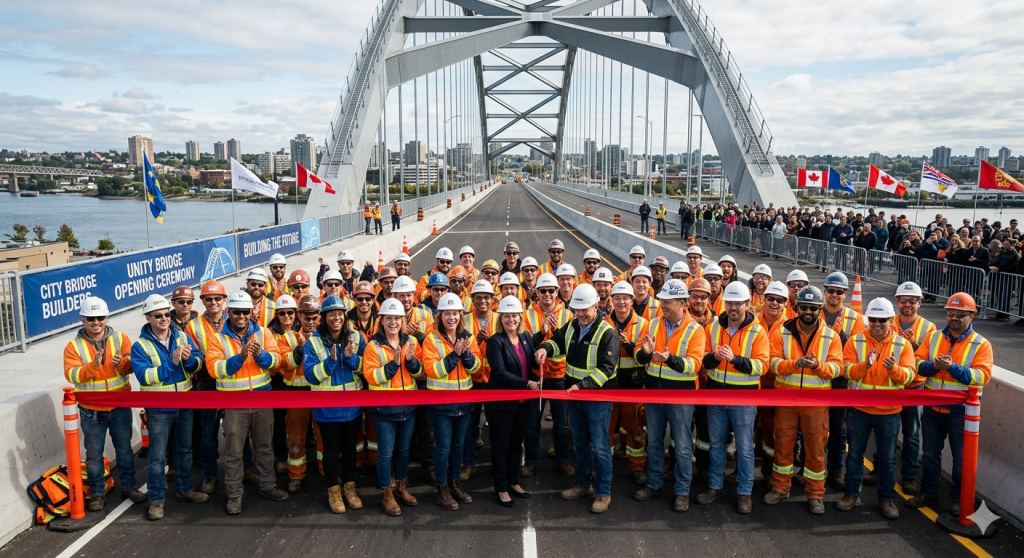
The [Gordie Howe International Bridge](https://gordiehoweinternationalbridge.com/) officially opened to vehicle traffic today, Monday, July 27, 2026, at 12:00 p.m. ET, marking a historic milestone for North American trade and travel. Members of the Howe family made the ceremonial first crossing at approximately 9:45 a.m., followed shortly after by the first commercial truck carrying auto parts. [1, 2, 3, 4, 5]
## Key Bridge Details

* The Route: Directly connects Interstate 75 (I-75) in Detroit, Michigan, to Highway 401 in Windsor, Ontario.
* Capacity: Features 6 bridge lanes, 16 toll lanes, and 60 total inspection lanes split between the Canada and U.S. ports of entry.
* Record Breaker: It stands as the longest cable-stayed bridge span in North America.
* Economic Impact: Expected to save truck drivers an estimated 850,000 hours per year in wait times by eliminating local street idling. [2, 6, 7, 8]

## Revenue Agreement & Tariff Tensions
Though [funded entirely by the Canadian federal government](https://en.wikipedia.org/wiki/Gordie_Howe_International_Bridge) at a cost of $6.4 billion CAD ($4.7 billion USD), the bridge is jointly owned by Canada and Michigan. The opening followed intense negotiations spurred by U.S. President Donald Trump, who threatened to block the project earlier this year. [9, 10, 11]
Under the finalized revenue-sharing agreement:

* Toll Splits: For the first 15 years, toll revenue will cover operations and maintenance. [8]
* Net Profit: Remaining profits will be split 50/50, with half going to Canada and half funding a U.S.-controlled economic development fund. [8]
* Solo Celebration: Due to a deepening trade war and recent 50% tariff threats from the Trump administration, Canadian officials canceled a planned joint ribbon-cutting event and celebrated the opening independently on July 24. [12, 13]

## What is Next?
If you are planning to travel by foot or bicycle, the bridge’s toll-free multi-use path for pedestrians and cyclists will officially open on Wednesday, August 5, 2026, at 8:00 a.m. ET. [5, 14]
Are you planning to travel across the bridge soon? I can look up the official toll rates or help you find information on how to register for the Breakaway toll discount program. [6, 15]

[1] [https://www.clickondetroit.com](https://www.clickondetroit.com/news/local/2026/07/27/gordie-howe-international-bridge-set-to-open-monday-after-years-of-construction/)
[2] [https://windsorstar.com](https://windsorstar.com/news/local-news/gordie-howe-bridge-open-to-traffic-as-first-vehicles-make-historic-crossing)
[3] [https://www.ctvnews.ca](https://www.ctvnews.ca/windsor/article/gordie-howe-bridge-officially-open-howe-family-members-first-to-cross/)
[4] [https://www.theglobeandmail.com](https://www.theglobeandmail.com/canada/article-gordie-howe-bridge-opens-to-cars/)
[5] [https://www.audacy.com](https://www.audacy.com/wwjnewsradio/news/local/opening-ceremony-held-for-gordie-howe-international-bridge-set-to-open-to-vehicle-traffic-on-monday)
[6] [https://www.clickondetroit.com](https://www.clickondetroit.com/news/local/2026/07/24/heres-when-the-gordie-howe-international-bridge-will-open-to-traffic/)
[7] [https://www.facebook.com](https://www.facebook.com/Local4/posts/the-gordie-howe-international-bridge-will-soon-be-open-with-canadians-celebratin/1487331173439447/)
[8] [https://www.cbc.ca](https://www.cbc.ca/news/business/economic-benefit-gordie-howe-bridge-9.7281466)
[9] [https://www.facebook.com](https://www.facebook.com/CanBorder/posts/its-official-the-gordiehoweinternationalbridge-opens-on-july-27/1471117301710691/)
[10] [https://en.wikipedia.org](https://en.wikipedia.org/wiki/Gordie_Howe_International_Bridge)
[11] [https://globalnews.ca](https://globalnews.ca/news/11987449/canada-gordie-howe-bridge-opening-ceremony/)
[12] [https://www.aljazeera.com](https://www.aljazeera.com/economy/2026/7/24/canada-marks-gordie-howe-bridge-opening-without-us-after-trade-war-deepens)
[13] [https://www.wxyz.com](https://www.wxyz.com/news/region/detroit/gordie-howe-international-bridge-opening-draws-fanfare-in-canada-but-silence-on-michigan-side)
[14] [https://www.cbc.ca](https://www.cbc.ca/news/canada/windsor/livestory/gordie-howe-international-bridge-2026-live-updates-9.7172299)
[15] [https://www.cbsnews.com](https://www.cbsnews.com/detroit/news/gordie-howe-international-bridge-timeline/)

Gallop with a friend

Our security is our people and resources…

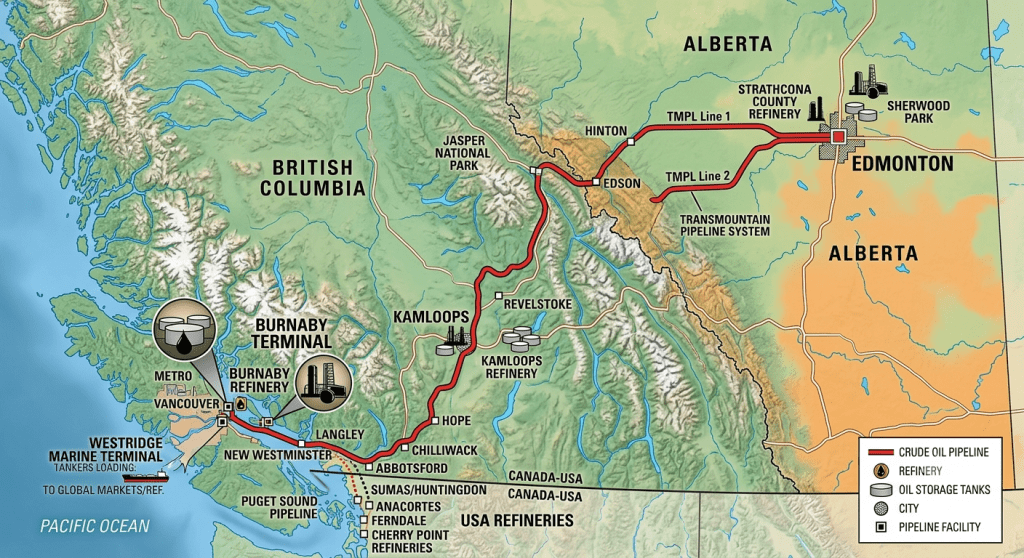
There were three people that were working for transmountain doing some digging up Coldwater road area at the A& W early this week.

Our conversation migrated to yeah we’re cut from the same cloth transmountain bunch. It was when I was a kid BC Tell was completely owned by the government, ” you could have a phone from them and choose the color. Have any color you want? It is so long as it was black. Where did we hear that before?

As well, Comico was the government of Canada as well, and trans mountain oil pipeline was created by act of parliament and was built by the Canadian government. After completion it wound up in American hands and it was bought by our prime minister at the time. Justin Trudeau, so that we could do that expansion because the Americans weren’t going to cooperate.

I worked for Connor’s drilling which came directly out of Cominco ‘s corporation.

KDG

Sideline

Osteoarthritis rehabilitation

Run for your life

Bye the Bye

Age and debilitation is mitigated by the nation’s wealth and the single payer efficiency that it maintains.

Wow…

A View point ..

So, The 2010 Olympics in Vancouver saw two experimental hydrogen buses. Powered by hydrogen fuel cells demonstrated for that event. They were put in service. Tags were half a million each. Never seen any for a while. Merritt DC had hydrogen service for fuel-celled powered trucks at the truck. Stop along the showers. They didn’t make shower water out of the hydrogen after they burned it. Sorry but that was a good stretch.

Merrit “positioned for freight”

If you’re looking for a history of hydrogen fueling stations operating over decades in Merritt, you might be chasing a bit of a ghost story—or perhaps thinking of early alternative fuels like propane and compressed natural gas (CNG). In reality, there were no historical hydrogen outlets for trucks in Merritt. For decades, the heavy flow of commercial freight and logging trucks moving through the Nicola Valley relied strictly on traditional diesel cardlocks. The technology to use hydrogen as a commercial heavy-duty trucking fuel simply didn’t exist in a viable way in the 20th century, so the infrastructure was never built.That said, hydrogen-powered trucks *are* finally becoming a reality on the highways around Merritt today. Over the last couple of years, companies have begun running commercial pilot projects with Class 8 hydrogen fuel cell trucks, specifically putting them to the test on the steep, grueling climbs of the Coquihalla Highway up to Merritt. Since there isn’t local fueling infrastructure yet, these trucks fuel up at modern stations in the Lower Mainland or Kelowna. They use those single fills to haul massive payloads up the mountain, proving that zero-emission transport can handle B.C.’s demanding interior grades without the severe weight penalties associated with battery-electric trucks.The ultimate outcome here is that Merritt is perfectly positioned for the *future* of freight, rather than having a hidden history of it. While the town doesn’t have a decades-old legacy of dispensing hydrogen, its strategic location at the junction of the Coquihalla, Highway 5, and the Okanagan Connector makes it an inevitable, critical node for B.C.’s emerging commercial hydrogen corridors. You won’t find any vintage hydrogen pumps hidden around town, but you are absolutely going to see more of these high-tech, water-emitting trucks pulling through the valley in the years to come.

Fashion statement

Photo: KDG

So, this in the first week of June or so we’re making statements of propriety diligence enjoyment fashion. Just having a cruise through Merritt BC beside the arena parking lot.

That small gas tank is as telling as anything, their enjoyment is a testimony against the unwise of this life that somehow thrive on strife, disruption and conflict.

Welcome to Merritt.

Conservatism on rise.

Technology often rises with the population being able to flex and look forward instead back.

Symptoms?

This is a complex question with nuances in both politics and economics. The current global landscape suggests that conservatism is on the rise in many parts of the world, and there is an ongoing discussion about whether this trend is stifling innovation.🌎

The Rise of Conservatism

There’s evidence suggesting a global resurgence of conservative and radical right political movements. This rise is attributed to several factors: * Reaction to Globalization: Many people feel alienated by the economic and social changes brought by globalization, leading to support for policies emphasizing national sovereignty and protectionism.

* Emphasis on Traditional Values:

Concerns over cultural identity, immigration, and demographic shifts have fueled support for policies that preserve traditional institutions, customs, and values.

* New Political Paradigms:

The emergence of “National Conservatism” and similar movements focus on reasserting the primacy of national identity and state authority in response to perceived crises of globalization and liberalism.This trend is observable in various nations across Europe, Asia, and the Americas, and in some contexts, includes a rise in social and economic conservatism among the electorate.💡

Impact on Innovation

The relationship between rising conservatism and innovation is highly debated, with some research suggesting a potentially negative correlation in certain areas:

* Aversion to Disruption:

Conservatism, by its nature, emphasizes continuity and a preference for established institutions. Innovations that significantly challenge the status quo or disrupt traditional industries and social cohesion may be met with greater resistance from conservative stakeholders. * Moral and Ethical Concerns: Research indicates that conservatives may exhibit lower acceptance of new technology—such as AI, gene editing, or lab-grown meats—when it is perceived as clashing with binding moral foundations (like social order, purity, or tradition).

* Policy and Regulation:

Conservative approaches to policy can affect innovation in different ways: * Some policymakers prioritize a limited government role to allow private business and free markets to flourish and incentivize technological innovation. * Other “anti-tech” conservative movements are willing to use government intervention to regulate or punish “Big Tech,” often driven by concerns over censorship, market power, and the erosion of conservative values. * In the context of local politics, some argue that federal pre-emption of state-level regulations (like on AI) could cripple the ability to develop innovative, evidence-driven approaches, while opponents argue a patchwork of state rules threatens national competitiveness.

* Inventor Mobility:

Studies have suggested that a shift toward a more conservative local ideology can be associated with a reduction in corporate innovation output, possibly through the mobility of innovative talent who may be more left-leaning and prefer to move away from the changing social environment.In summary, while conservatism is demonstrably on the rise globally, whether it is stifling innovation is contingent on the specific policy, the type of innovation (e.g., disruptive vs. incremental), and how that innovation is perceived to align with or threaten existing social and moral orders.The discussion about the global rise of the radical right and its implications for world order provides a useful context for this topic. The Rise of the Radical Right and the Future of World Order touches on the broader ideological project of radical conservatism and its impact on international institutions and cooperation.

Editor’s note:

Nostalgia feels good as a motivator but it’s very hard to live up to and recreate. It is often exaggerated and distorted to fit the mood of the listeners.

Carnegie View

TGIF- construction

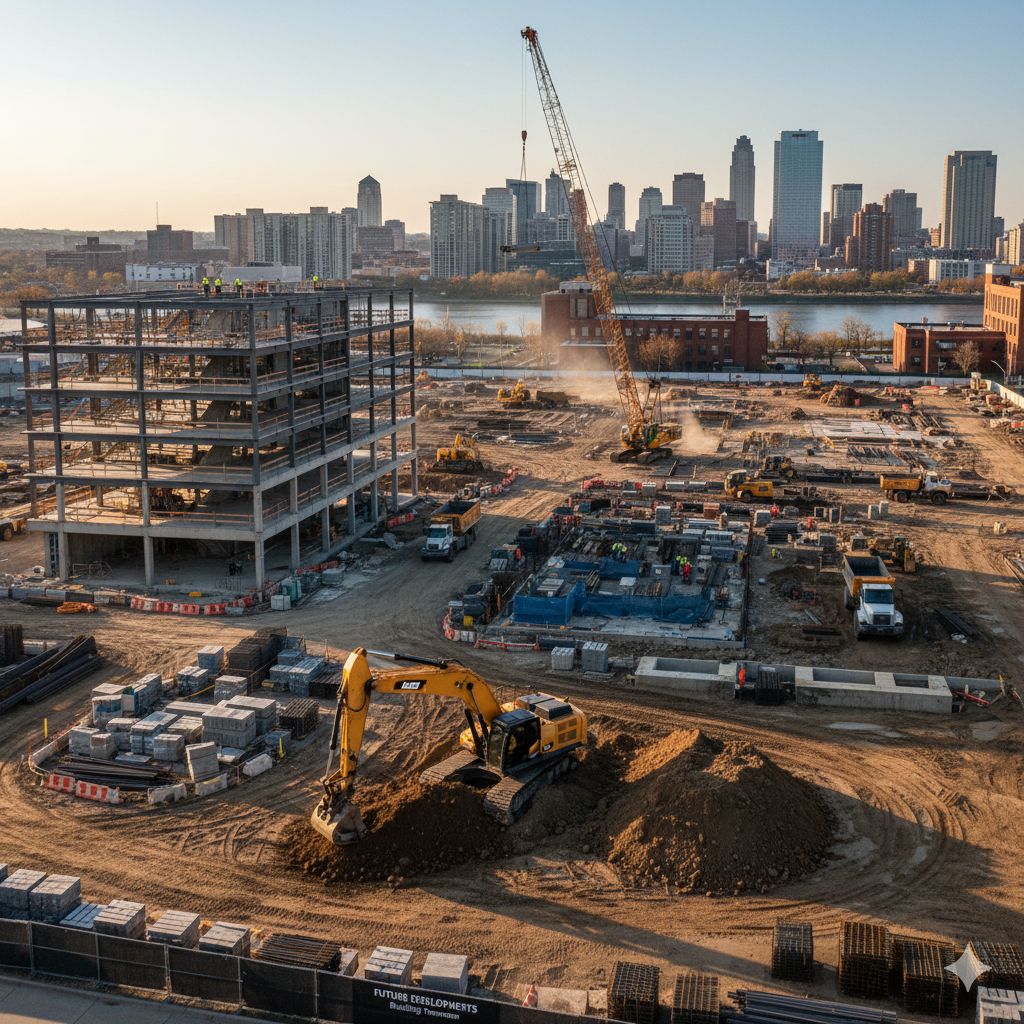
Bringing a construction project to completion is a complex process that involves several key stages, each with its own set of challenges and goals. While the specific steps can vary depending on the size and type of project, the general process can be broken down into the following phases:
1. Conception and Design: This is the initial stage where the project’s vision is created. It involves defining the project’s purpose, scope, and feasibility. The owner works with architects and engineers to create the design, which includes detailed blueprints and specifications. During this phase, a business case and feasibility study are often conducted to ensure the project is viable.
2. Pre-construction and Procurement: Once the design is finalized, the focus shifts to planning for the actual construction. This is where the construction team develops a detailed plan, including budgets, schedules, and a strategy for how the building will be constructed. This phase also involves procurement, which is the process of selecting and hiring the necessary contractors, subcontractors, and suppliers. Permits and approvals from local authorities are also secured during this time.
3. Construction: This is the physical phase of the project, where the actual building takes shape. It begins with site preparation and excavation, followed by laying the foundation, framing, and building the structural elements. This stage also includes the installation of major systems like plumbing, electrical, and HVAC. Throughout this phase, a project manager oversees the work, manages the schedule and budget, and ensures that safety protocols are followed.
4. Post-Construction and Close-Out: The final stage of the project involves bringing everything to a close and preparing for the handover to the owner. This includes:
* Final Inspections and Walk-throughs: Thorough inspections are conducted to ensure all work meets quality standards and is completed according to the plans. This is also when the project team and client do a final walk-through to identify any last-minute issues or “punch list” items that need to be addressed.
* Documentation and Paperwork: All necessary documents, including manuals, warranties, and “as-built” drawings (which show the final state of the building as constructed), are gathered and organized.
* Handover: The project is formally handed over to the client. This typically includes a meeting to review all documentation and transfer keys and other essential items.
* Insurance Changes: The construction insurance is changed to a permanent property insurance policy.
A successful construction project relies on a clear plan, effective communication, and a strong partnership between all parties involved, including the owner, architects, engineers, and contractors.

Good luck it’s not easy…

Photo KDG, Strawberry Moon Merritt BC.

The interest in all things lunar continues as mankind’s March to knowledge grows exponentially everyday.

Rapid movement

This guy should be in government.

Fast trains mean less trains.KDG
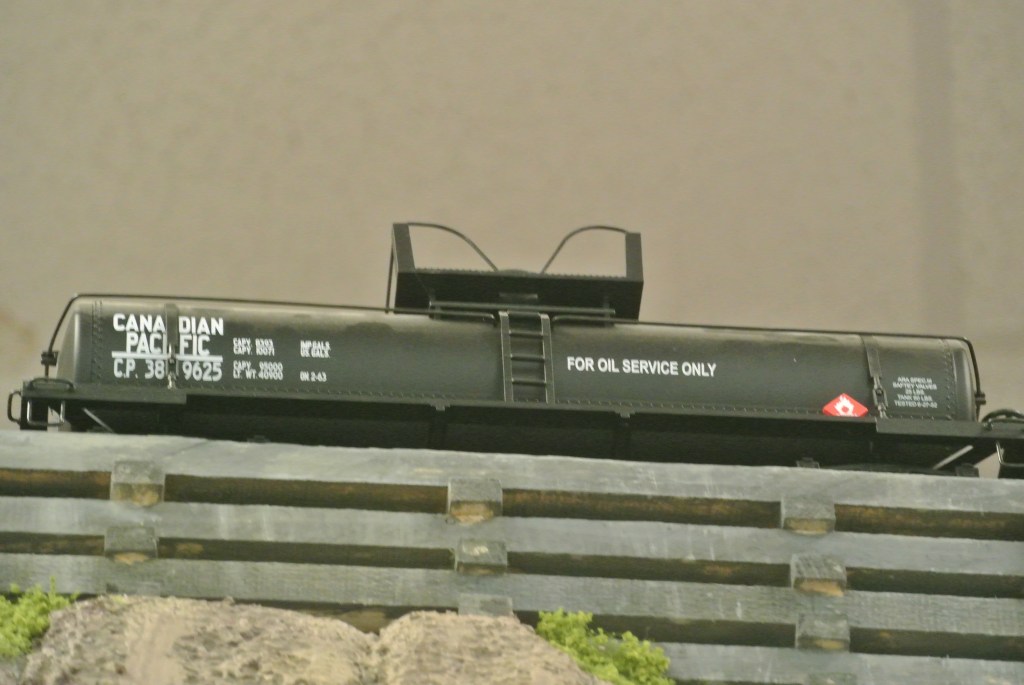
Model train set in local library had a car stuck in a tunnel! Trains are a big part of our heritage! File photo KDG

Science Fictional or just Diction

The Mag train or fast train appears to be science fiction affirmed but in reality it’s just the repulsion of magnets doesn’t lift anything by nuclear activity or anything like that. Any bubble technology or speed of light and anything like that. It’s just magnetic repulsion that takes a lot of electricity to generate. However, fast trains are the product of them. And they are attractive. You be the judge.

Work on team

Two can do more than twice the amount as one alone can do…

So, long as they are pulling in the same direction…

To maximize production through teamwork and division of labor, it’s essential to clearly define roles and responsibilities based on individual strengths and skills. Encourage open communication among team members to foster collaboration and problem-solving. Utilize project management tools to organize tasks effectively and monitor progress, ensuring that everyone stays aligned with project goals. Regularly review and adjust workflows to identify bottlenecks, allowing teams to optimize processes and improve efficiency. Additionally, promote a culture of trust and respect, which enhances motivation and accountability, ultimately leading to higher productivity levels.

Piles of work, all done…

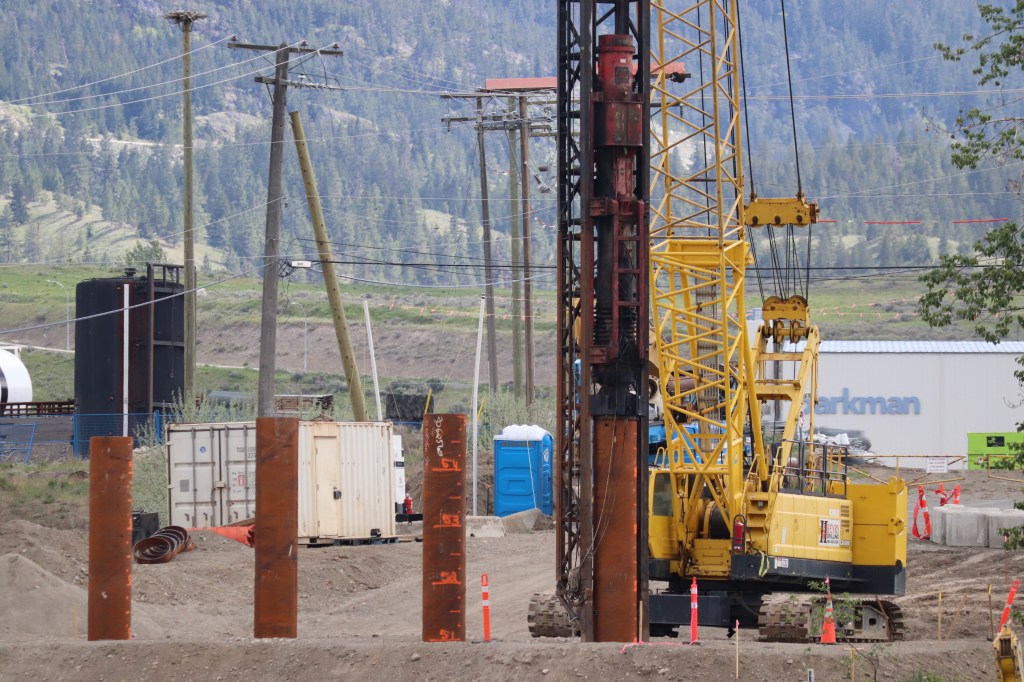
Photo: KDG

So, it seems that the world is coming around a bit. The la Nina severe storm generator is working to bring up cooler water from deeper parts of the ocean and cause weather fronts to move it inland.

And, a carbon tax is taking up tariffs on carbon imiting oil reserves ( when burnt). So, we have been watching and waiting for the catastrophic sea level to rise.

Not terribly dramatic the drought is more of a sense of attention than sea levels. We know that the seas were about 300 m shallower at the top of the last ice age when a mile high or 2 mile high or more in some places sheets of ice covered North America. So did that translate into how the seas were going to rise with current global warming,? I watched as island states in the South seas were marked as going under. On examination it seems those things move regularly because of the sand that composes them.

Then I  thought back to when our family business partnered with a couple other drillers to do the preliminary exploration work  drilling on the site C project in British Columbia, Canada. My thoughts were tossed and since we finished decades ago and it’s been under construction for decades and now at this very moment is being filled with water. However, because of drought conditions, it’s not taking any water out of the system or the land, but it’s taking it from Williston lake. The WAC Bennett reservoir.

Although there is a greater efficiency with the new project, it’s a moot point about water because the drought is a concern that needs to be dealt with in a measured way and they certainly can do that. And we can cooperate when we are asked to preserve water and or be part of solutions for that sort of thing.

But, it raises in my mind questions about the abundance of water when it’s mixed with oil. We know oil doesn’t mix with water. We have as a society that with licensing through our government has given a lot of oil leases that have drilled lots of holes in the ground and pumped out lots of oil over the last few decades and guess what?

That oil was burned and put in the atmosphere. Some it was taken up again by trees but lots of interest to me is that nobody has ever raised the issue of what is taking its place in the ground. Of all that oil being pumped out.Yes we know that oil and water don’t mix but where there’s a hole there’s going to be water put down it and I presume that the oil will work its way to the top of it and the water will be underneath it in most respects. I’m not a geologist but I’m sure somebody must have studied that.

Then, the question of the carbon tax and its relationship to the availability to the market of tar sands oil. Now Tar sands  oil isn’t pumped from big holes in the ground. It is mined refined  and sands put  in back filled pits so that would preclude the loss of groundwater, we would take.

But we’re not experts, but we think that would make tar sands oil more attractive to be used in place of huge amounts of pooled oil?  It wouldn’t be pumped from the ground and replaced with groundwater, which it seems at this point we are suffering for.

Now, we are still not experts or giving you a lecture. It is somebody subjectively thinking what the hey; is it true, could have the environmental impact of tar sands been underlooked for this dynamic of groundwater disappearing and exacerbating drought conditions.

At any rate, the sight C project will be generating power this fall sometime and it’ll be using water from Williston lake that would have gone through the aging WAC Bennet  Dam . So dam  it anyway, what way  water. ( I am sure it goes through both) Double dipped, but will it be back?

What are you going to do?

Carbon Tax

In Canada we have the advantage of a tax tied to a tangible commodity. The carbon tax no matter how pie in the sky it is, it’s still based on a tanagable.

Fraud not withstanding risk is better underwritten by this vehicle. So, the bubble of hard assets (oil reserves) that we are beginning to enjoy is timely for we all. Don’t waste this moment… Use it to transform ideas to near tangibles that will endure to our children’s children. 

Update

Peak oil reached by 2030.