Hamnet Shakespeare wife…
Legacy flick, Hamnet.
Coming Soon
Canadian Premier 2025, 125 minutes, Starts Wednesday Dec 3rd, Tiff 50.
Clarvoyence, seer, a chance to dream…
Good viewing no miss con-screwing…

To the seasons of life

Hamnet Shakespeare wife…
Coming Soon
Canadian Premier 2025, 125 minutes, Starts Wednesday Dec 3rd, Tiff 50.
Clarvoyence, seer, a chance to dream…
Good viewing no miss con-screwing…
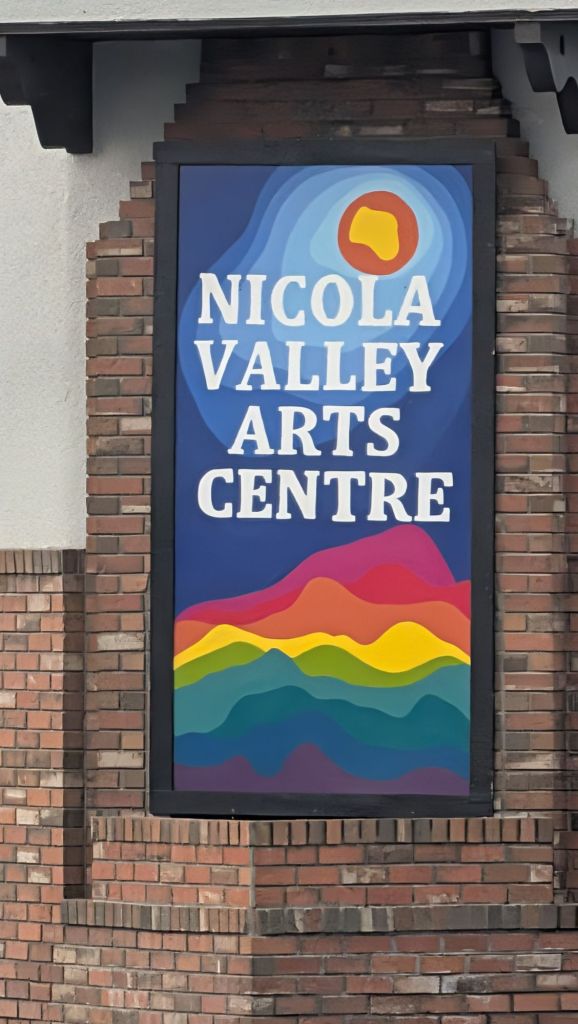


All great Runs Start…

somewhere …
Here you go, Kevin — you in car #7 battling Tony Curtis in #21, right on the ice with the floes closing in behind you, just like the Great Race finale.Want to refine it further?
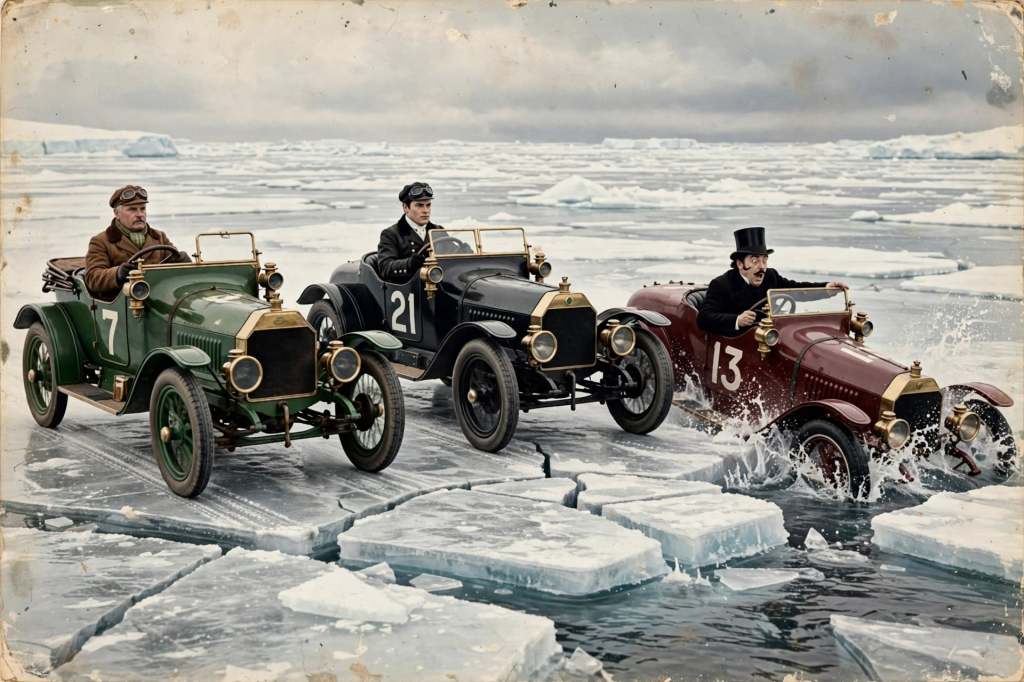
Perfect — classic slapstick justice. You and Tony sailing clean across the solid plates in #7 and #21, while old #13 with the top-hat villain goes down nose-first through the cracking floe, mouth wide open.That’s the exact beat the Great Race always played — the good guys race on, the villain gets the icy bath
Many thanks to Amber Papou who’s sneaker bottoms I admired for decades as her tanasity that ran her clear to being CEO of the Tourist Industry Association of British Columbia. Was every step an inspiration.

By the By, creativity is always in dynamic flux.

Single-family homes average around $338,000, with 1-bedroom apartments averaging ~$1,100/month, keeping housing well within reach for fixed pension incomes. * Amenities & Services: Offers big-city medical infrastructure (Saint John Regional Hospital), local public transit, and a walkable downtown historic district on the Bay of Fundy. * Travel Access: Served by Saint John Airport (YSJ) and accessible via the Trans-Canada Highway.
Average home prices sit around $374,000, paired with some of the most competitive rental rates in Atlantic Canada. * Amenities & Services: A thriving bilingual city with two major regional hospitals (The Moncton Hospital and Dr. Georges-L.-Dumont University Hospital Centre) and excellent shopping hubs. * Travel Access: Moncton is the hub of the Maritimes, featuring the Greater Moncton Roméo LeBlanc International Airport (YQM) and direct VIA Rail connections.
Consistently ranked among Alberta’s most budget-friendly markets, with aggregate home prices near $339,000 and no provincial sales tax (PST) to stretch fixed incomes further. * Amenities & Services: Features Chinook Regional Hospital, a clean local bus system, and senior-focused community programming. * Travel Access: Lethbridge Airport (YQL) provides quick connections to Calgary’s international hub, which is just a two-hour drive north via Highway 2.
Average MLS sales hover around $345,000, making it one of Ontario’s most affordable urban centers without sacrificing services. * Amenities & Services: Anchored by Thunder Bay Regional Health Sciences Centre (a major regional specialist facility) alongside active public transit and vibrant lakefront parks. * Travel Access: Thunder Bay International Airport (YQT) offers frequent daily flights to Toronto and western flight corridors.
Typical residential home prices run between $280,000 and $320,000, offering exceptional value for buyers and renters alike. * Amenities & Services: Manitoba’s second-largest city features Brandon Regional Health Centre, dedicated Handi-Transit services, and a compact, easy-to-navigate footprint. * Travel Access: Located directly along the Trans-Canada Highway, two hours west of Winnipeg International Airport (YWG).
Median home prices average around $380,000, backed by lower overall fixed monthly utility costs. * Amenities & Services: Comprehensive regional health services (Centre hospitalier régional de Trois-Rivières), rich cultural attractions, and comprehensive public transit. * Travel Access: Situated along Highway 40 directly between Montreal and Quebec City, with access to VIA Rail and major international airports in under 90 minutes.
Average residential prices sit around $380,000, providing coastal living at a fraction of West Coast prices. * Amenities & Services: Queen Elizabeth Hospital provides main island care, complemented by a tight-knit community, local bus lines, and a highly walkable downtown. * Travel Access: Charlottetown Airport (YYG) offers seasonal and daily flights, with easy driving access to the mainland via the Confederation Bridge.
We are not experts in this field talk to a realtor. They can really help you. In particular for small towns. A local realtor. They’ll have a finger on the pulse. Almost everything.

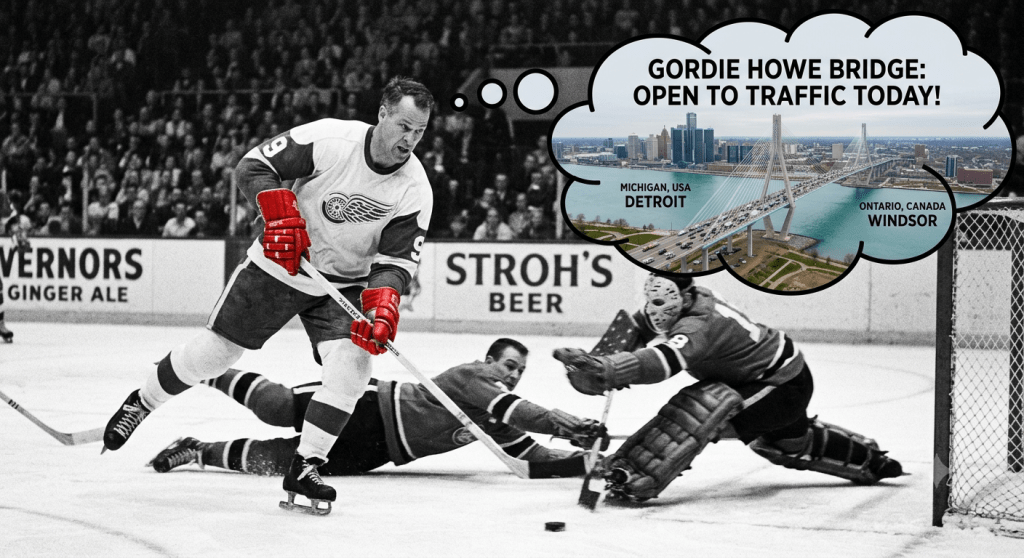
The [Gordie Howe International Bridge](https://gordiehoweinternationalbridge.com/) officially opened to vehicle traffic today, Monday, July 27, 2026, at 12:00 p.m. ET, marking a historic milestone for North American trade and travel. Members of the Howe family made the ceremonial first crossing at approximately 9:45 a.m., followed shortly after by the first commercial truck carrying auto parts. [1, 2, 3, 4, 5]
## Key Bridge Details
* The Route: Directly connects Interstate 75 (I-75) in Detroit, Michigan, to Highway 401 in Windsor, Ontario.
* Capacity: Features 6 bridge lanes, 16 toll lanes, and 60 total inspection lanes split between the Canada and U.S. ports of entry.
* Record Breaker: It stands as the longest cable-stayed bridge span in North America.
* Economic Impact: Expected to save truck drivers an estimated 850,000 hours per year in wait times by eliminating local street idling. [2, 6, 7, 8]
## Revenue Agreement & Tariff Tensions
Though [funded entirely by the Canadian federal government](https://en.wikipedia.org/wiki/Gordie_Howe_International_Bridge) at a cost of $6.4 billion CAD ($4.7 billion USD), the bridge is jointly owned by Canada and Michigan. The opening followed intense negotiations spurred by U.S. President Donald Trump, who threatened to block the project earlier this year. [9, 10, 11]
Under the finalized revenue-sharing agreement:
* Toll Splits: For the first 15 years, toll revenue will cover operations and maintenance. [8]
* Net Profit: Remaining profits will be split 50/50, with half going to Canada and half funding a U.S.-controlled economic development fund. [8]
* Solo Celebration: Due to a deepening trade war and recent 50% tariff threats from the Trump administration, Canadian officials canceled a planned joint ribbon-cutting event and celebrated the opening independently on July 24. [12, 13]
## What is Next?
If you are planning to travel by foot or bicycle, the bridge’s toll-free multi-use path for pedestrians and cyclists will officially open on Wednesday, August 5, 2026, at 8:00 a.m. ET. [5, 14]
Are you planning to travel across the bridge soon? I can look up the official toll rates or help you find information on how to register for the Breakaway toll discount program. [6, 15]
[1] [https://www.clickondetroit.com](https://www.clickondetroit.com/news/local/2026/07/27/gordie-howe-international-bridge-set-to-open-monday-after-years-of-construction/)
[2] [https://windsorstar.com](https://windsorstar.com/news/local-news/gordie-howe-bridge-open-to-traffic-as-first-vehicles-make-historic-crossing)
[3] [https://www.ctvnews.ca](https://www.ctvnews.ca/windsor/article/gordie-howe-bridge-officially-open-howe-family-members-first-to-cross/)
[4] [https://www.theglobeandmail.com](https://www.theglobeandmail.com/canada/article-gordie-howe-bridge-opens-to-cars/)
[5] [https://www.audacy.com](https://www.audacy.com/wwjnewsradio/news/local/opening-ceremony-held-for-gordie-howe-international-bridge-set-to-open-to-vehicle-traffic-on-monday)
[6] [https://www.clickondetroit.com](https://www.clickondetroit.com/news/local/2026/07/24/heres-when-the-gordie-howe-international-bridge-will-open-to-traffic/)
[7] [https://www.facebook.com](https://www.facebook.com/Local4/posts/the-gordie-howe-international-bridge-will-soon-be-open-with-canadians-celebratin/1487331173439447/)
[8] [https://www.cbc.ca](https://www.cbc.ca/news/business/economic-benefit-gordie-howe-bridge-9.7281466)
[9] [https://www.facebook.com](https://www.facebook.com/CanBorder/posts/its-official-the-gordiehoweinternationalbridge-opens-on-july-27/1471117301710691/)
[10] [https://en.wikipedia.org](https://en.wikipedia.org/wiki/Gordie_Howe_International_Bridge)
[11] [https://globalnews.ca](https://globalnews.ca/news/11987449/canada-gordie-howe-bridge-opening-ceremony/)
[12] [https://www.aljazeera.com](https://www.aljazeera.com/economy/2026/7/24/canada-marks-gordie-howe-bridge-opening-without-us-after-trade-war-deepens)
[13] [https://www.wxyz.com](https://www.wxyz.com/news/region/detroit/gordie-howe-international-bridge-opening-draws-fanfare-in-canada-but-silence-on-michigan-side)
[14] [https://www.cbc.ca](https://www.cbc.ca/news/canada/windsor/livestory/gordie-howe-international-bridge-2026-live-updates-9.7172299)
[15] [https://www.cbsnews.com](https://www.cbsnews.com/detroit/news/gordie-howe-international-bridge-timeline/)
The resurrection hope is a foundational tenet of Christianity, centering on the belief that death is not the end of human existence, but a transition to a new, eternal form of life. It is rooted in the narrative of Jesus Christ’s own return to life three days after his crucifixion, which Christians view as a “firstfruits” or a prototype for what will happen to all believers.Here is a breakdown of the core elements of this hope:The Victory Over DeathFor Christians, the resurrection signifies that God has triumphed over sin and death. It transforms death from a finality into a temporary state. This provides a sense of profound security, suggesting that the “last enemy” (death) has been defeated through Christ’s sacrifice and subsequent rising.The Nature of the Resurrected BodyWhile the specifics are a matter of theological study, the general hope is not just for a “ghostly” or “spiritual” existence, but a physical restoration. Drawing from the writings of the Apostle Paul, particularly in
1 Corinthians 15, the belief is that:
* Perishability becomes Imperishability
The body will no longer be subject to decay, aging, or disease. * Weakness becomes Power: The limitations of the mortal frame are replaced by a glorified state.
* Natural becomes Spiritual:This
doesn’t mean “immaterial,” but rather a body fully directed and sustained by the Holy Spirit.
The hope extends beyond the individual to the entire cosmos. Many Christians believe in the “New Heavens and a New Earth,” a future where the world is restored to its original intended perfection. This involves the reconciliation of relationships, the end of suffering, and a direct, unhindered presence with God.
| Aspect | Mortal Life
“New Creation” |This hope serves as a primary source of comfort during times of grief and acts as a motivation for living a life of purpose, as the present actions are seen as having eternal significance.
Would you like to explore how different Christian denominations (such as Catholic, Orthodox, or Protestant) vary in their specific interpretations of the “End Times”?
Wednesday Charm
Try calming instrumental music, especially classical pieces like Debussy’s Clair de Lune or Satie’s Gymnopédie No. 1, or ambient/lo-fi tracks with a slow tempo of 60 to 80 beats per minute.
When roads of wait bequile the soul.
Take to sleep to restore, pleasent times in true lore.
Then wake a mark and make a door to the breaking day made for you.
Sure to goal with report then sound to drive future said.
K

imagine in 100 years when Elon Musk has had his way and there is no organics. When you left, everything is robots.
Then somehow some electrons get mixed up with some neutrons and holy smokes there’s organic milking machine that comes and integrates with the cattle siphoning off the milk and starting an organic revolution once again.
1/ If I stopped using my 3-in-1 oil under my armpits and use this milk from the organic milking machine. How long will it take before I start to become organic?
2/ Will I have to perform sex again or can I stick to my video electronic format stil?.
3/ Will rare earth become rare again?
4/ Does this mean separation and escape from Tesla Evs?
Canadian Premier 2025, 125 minutes, Starts Wednesday Dec 3rd, Tiff 50.
Clairvoyance, seer, a chance to dream…
Ready for dramma…
Three significant historical events that happened on October 27th and their global importance are:
On October 27, 1787, the first of the Federalist Papers, an series of 85 essays arguing for the ratification of the U.S. Constitution, was published in a New York newspaper under the pseudonym “Publius.”
These essays, primarily written by Alexander Hamilton, James Madison, and John Jay, are among the most important documents in American political history. They provided a persuasive and intellectual defense of the new form of government and remain a crucial primary source for understanding the intent and meaning of the U.S. Constitution, influencing political thought and constitutional law globally.2.
The New York City Subway, the oldest rapid-transit system in the United States, officially began operations on October 27, 1904, with a line running from City Hall to 145th Street.
The opening revolutionized urban transportation in one of the world’s largest cities. It spurred the development of neighborhoods outside of Manhattan, eased congestion, and became a model for other large-scale metropolitan transit systems worldwide, profoundly shaping the economic and social geography of New York City and the modern concept of the metropolis.
Egyptian President Anwar Sadat and Israeli Prime Minister Menachem Begin were jointly awarded the Nobel Peace Prize for their roles in negotiating the Camp David Accords, which led to the 1979 Egypt–Israel Peace Treaty.
This Nobel Prize recognized a pivotal moment in Middle East history—the first peace treaty between Israel and an Arab country. The efforts of Sadat and Begin, facilitated by U.S. President Jimmy Carter, provided a framework for future peace negotiations and profoundly altered the geopolitical landscape of the region, demonstrating that peace between long-standing adversaries was possible.
The video discusses other

Three interesting things that have happened on the 20th of a month are: *
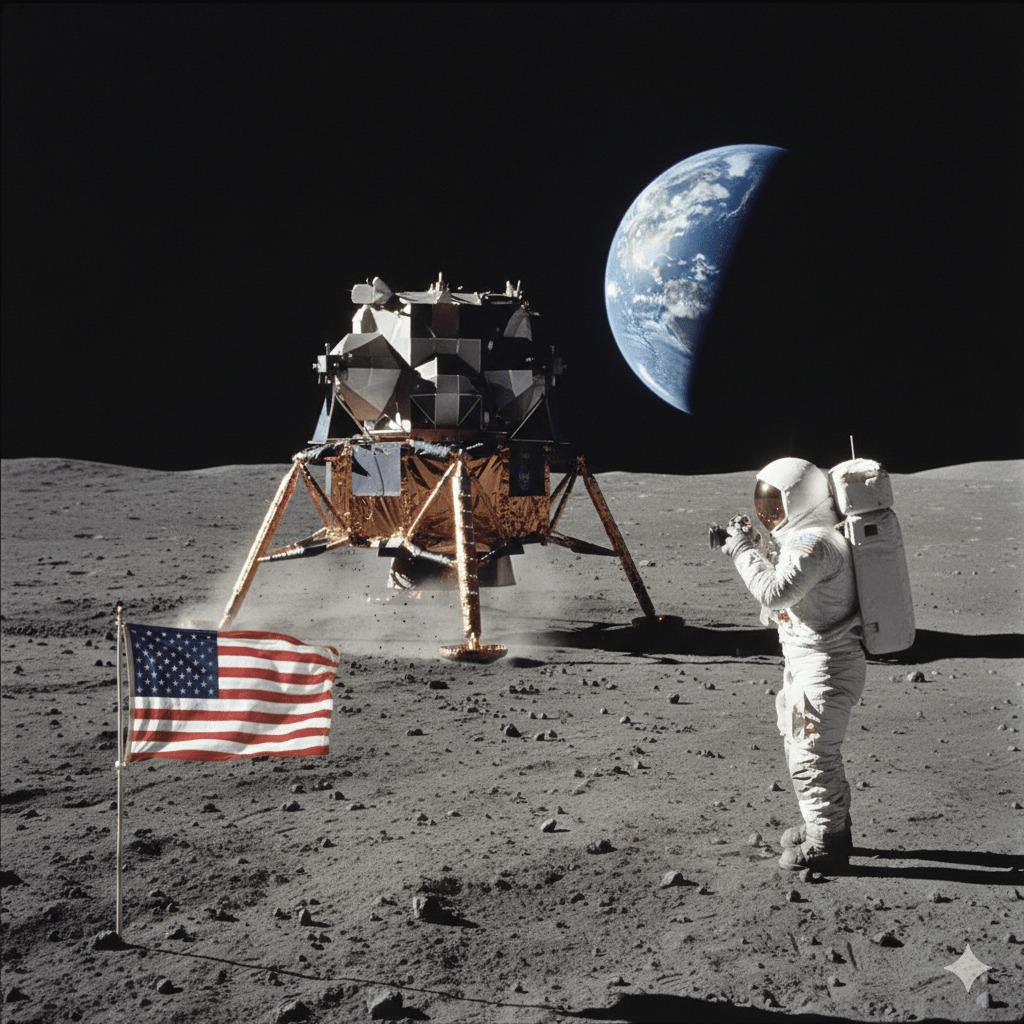
The Apollo 11 Lunar Module, Eagle, landed on the Moon, and a few hours later, Neil Armstrong became the first human to walk on its surface. *

Former U.S. First Lady Jacqueline Kennedy married Greek shipping magnate Aristotle Onassis on the island of Skorpios.
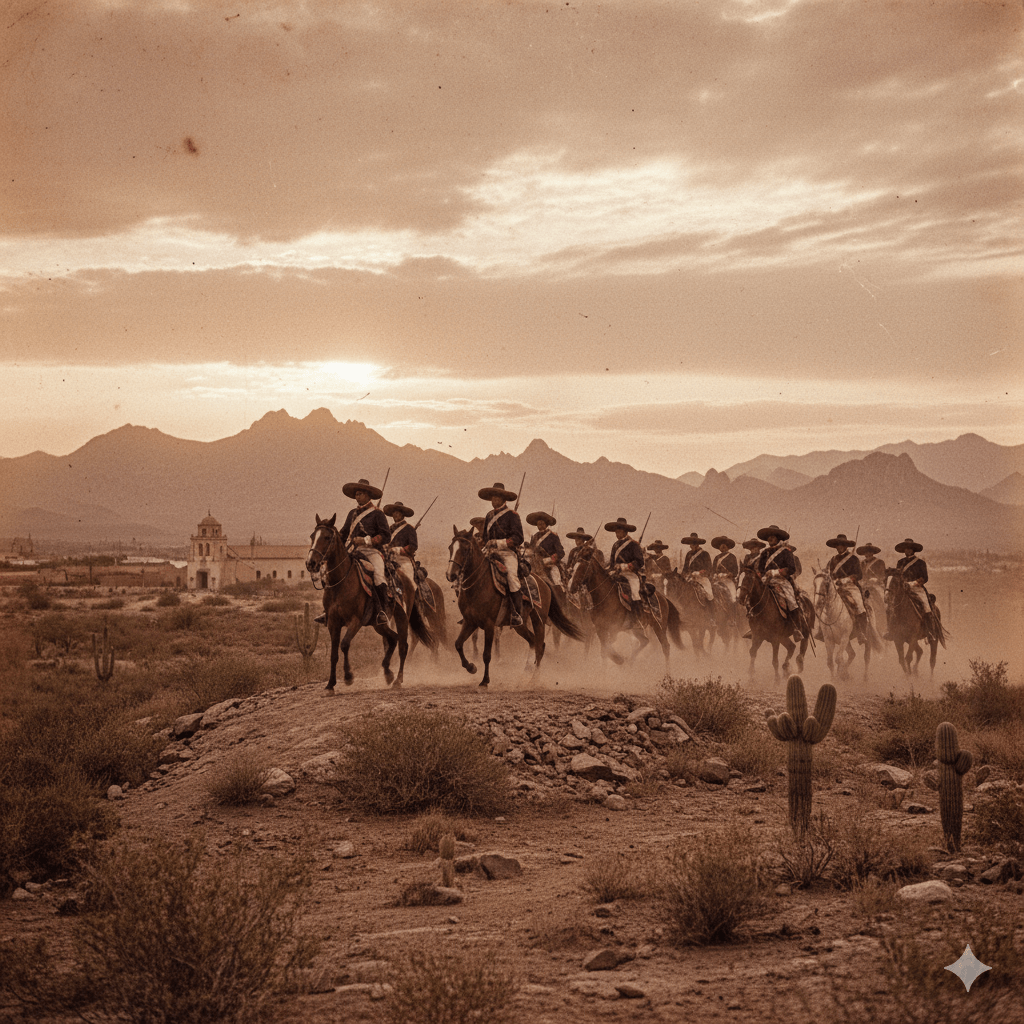
The Mexican Revolution began with the call to arms by Francisco I. Madero, marking the start of a decade-long struggle that profoundly reshaped the country’s political and social structure.
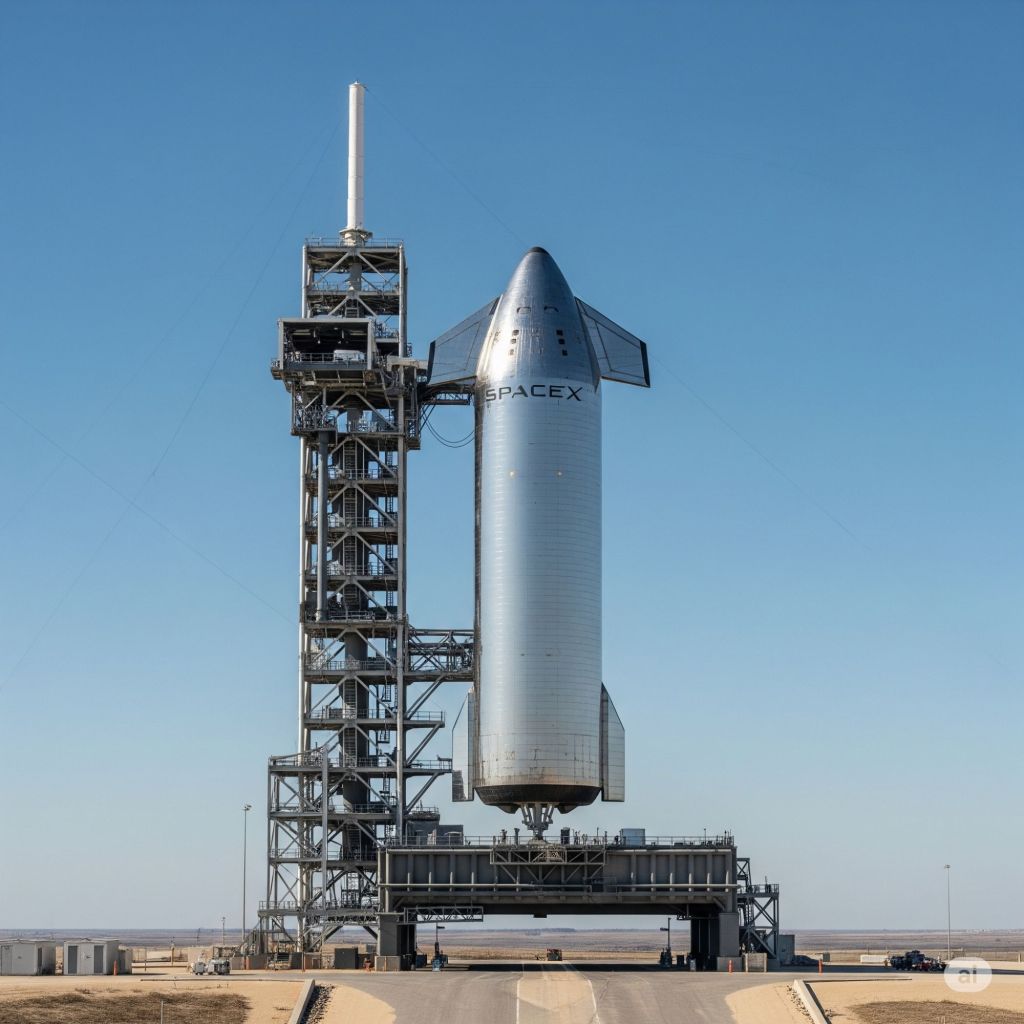
The second version of the Mars flying starship has been moved to Texas.
Mars readying

Hey Merit what do you say?


 Kevin Griffiths
 percypaschal
