Category: Fire and Flood


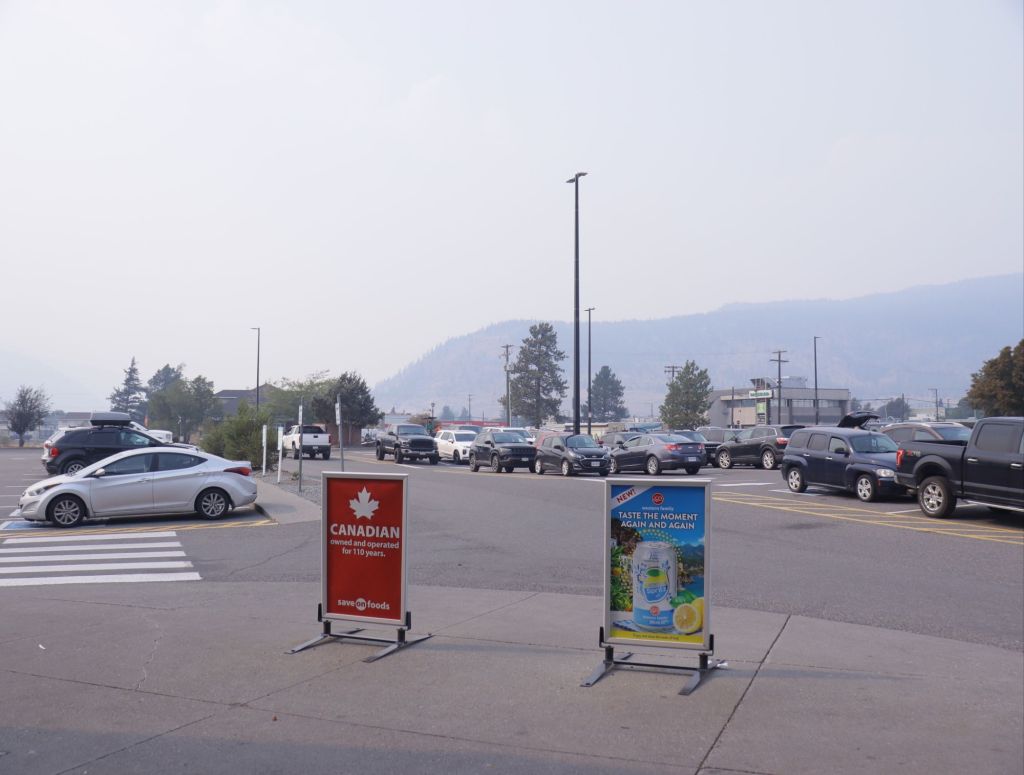
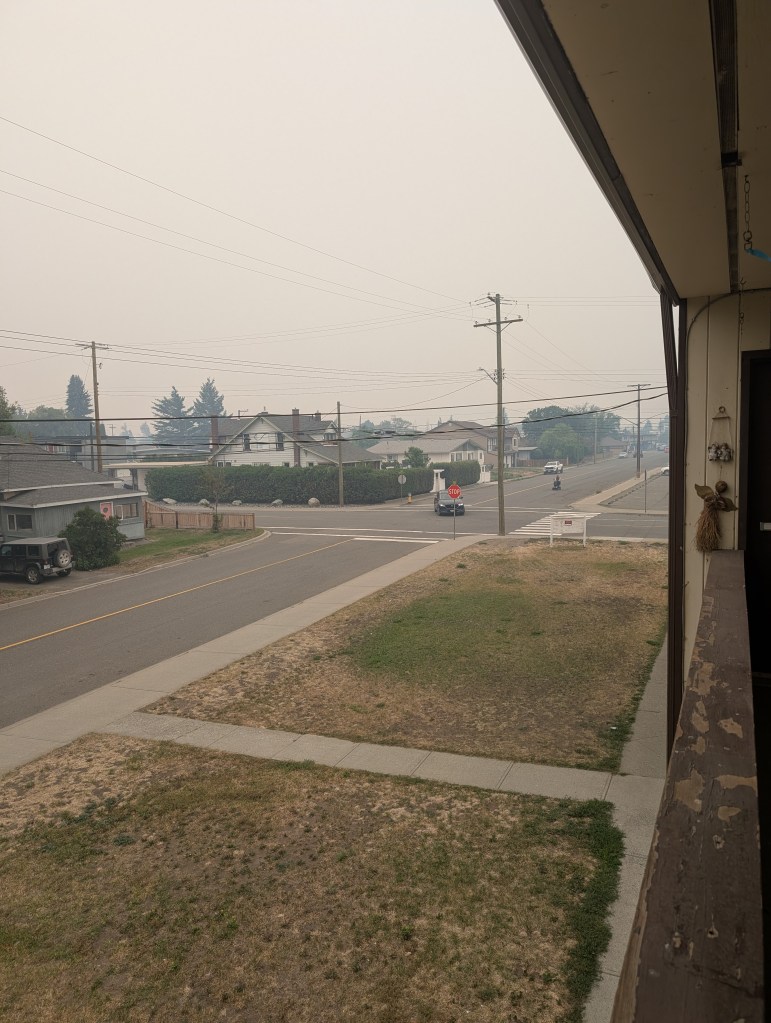
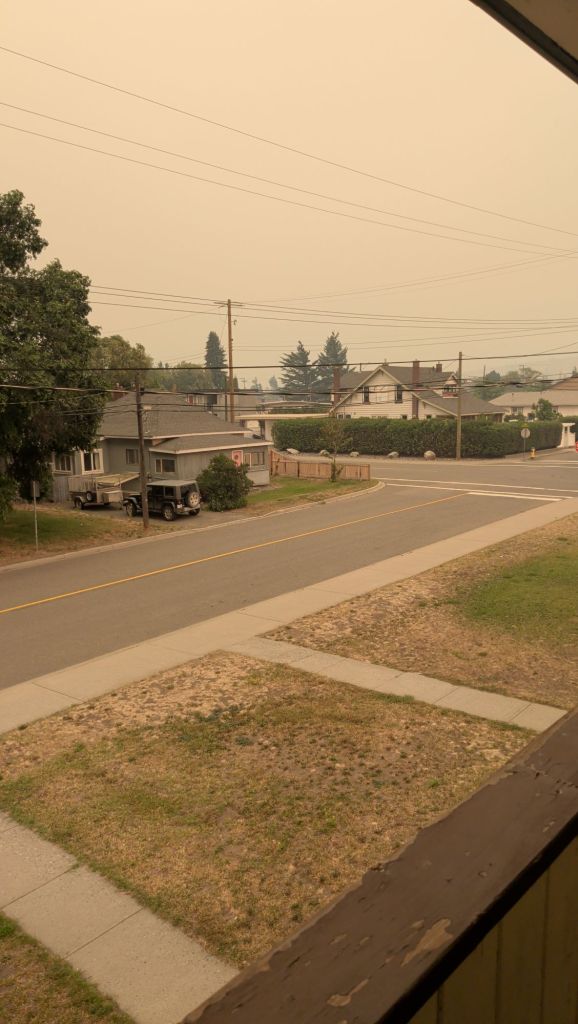
The air quality in Merritt is at medium warning Orange.

Heat at this hour remains Yellow, smoke lessins heat by blocking sun light.

Only one alert as of  Six PM the heat warning is lifted, Air quality remains orange.

This evening a  lawn mower is working on our block

Well, land is where you find it.

Grasslands are where you run to…
So, troubling so not passive…

Getting around…

Air quality yellow alert in effect, Merritt:

it’s comforting to remember that the professionals are coordinated,trained and positioned.

Always obey their directions:

File photo KDG

A North Vancouver fire vehicle seen up country Merritt BC over the mother’s Day weekend.

Training is often combined coming from the source of the Justice institute of BC. Later on agreements…

The Justice Institute of British Columbia (JIBC) plays a significant role in the training and professional development of firefighters in British Columbia. Here’s a breakdown of its contributions:
Firefighter Training:
* Comprehensive Programs: JIBC offers a wide range of programs designed to equip individuals with the necessary knowledge and skills for a career in firefighting. These include certificates, associate certificates, and diplomas in areas such as Full Service Fire Fighter Operations, Fire Fighting Technologies, Interior Fire Fighter Operations, and Exterior Fire Fighter Operations.
* Meeting Industry Standards: Many of JIBC’s firefighting courses are accredited by the International Fire Service Accreditation Congress (IFSAC) and the Pro Board Fire Service Professional Qualifications System, ensuring they meet the rigorous standards set by the National Fire Protection Association (NFPA).
* Practical, Hands-on Training: JIBC emphasizes experiential learning with access to extensive training facilities at its Maple Ridge campus. These include a three-story burn building, a ship’s steel superstructure, a rope rescue tower, and a train derailment training prop, providing realistic scenarios for practical skill development.
* Mobile Live-Fire Training Lab: A unique resource offered by JIBC is its Mobile Live-Fire Training Lab. This allows municipal and industrial fire departments across British Columbia to provide essential live-fire training within their own regions, increasing accessibility and reducing travel costs.
* Customized Training: JIBC also offers customized live-fire training scenarios designed to meet the specific operating guidelines and suppression techniques of individual fire departments or industrial brigades.
* Specialized Courses: Beyond basic firefighting, JIBC provides specialized courses such as Incident Safety Officer – Fire Suppression, Live Fire training scenario design, and courses related to Hazardous Materials response.
Cooperative Training Between Departments:
* Shared Resources and Expertise: JIBC acts as a central hub for fire service training in the province, bringing together individuals from various departments for common programs. This facilitates networking and the sharing of best practices among different fire services.
* Standardized Training: By delivering training that aligns with national standards (NFPA), JIBC helps ensure a baseline level of competency across different fire departments in BC, which is crucial for effective cooperation during mutual aid responses and joint operations.
* Inter-Municipal Cooperation Initiatives: JIBC has conducted research into and supports inter-municipal cooperation in fire services, which often includes the shared training of recruits and frontline personnel across different departments to achieve efficiencies.
* BC Fire Training Officers Association (BCFTOA): JIBC collaborates with organizations like the BCFTOA, which is dedicated to gathering information on training standards and providing resources to fire departments, fostering a cooperative training environment.
Training for Fire Chiefs:
* Leadership Development: While JIBC offers various leadership courses that would be beneficial for fire chiefs (such as Frontline Leadership and Leading People programs), there isn’t specific information readily available about dedicated training programs exclusively for Fire Chiefs.
* Professional Development Opportunities: Fire Chiefs likely benefit from JIBC’s broader offerings in leadership, emergency management, and potentially conflict resolution, which are crucial for their roles in managing departments and interacting with other agencies.
* Collaboration with Fire Chiefs Association of BC (FCABC): JIBC is a member of the Fire Chiefs Association of BC, suggesting a collaborative relationship that could involve input on training needs and potential development of programs relevant to fire chiefs.
In summary, the Justice Institute of BC is a cornerstone of firefighter training in the province, providing comprehensive, standardized, and practical education. While specific training programs exclusively for Fire Chiefs are not explicitly detailed, the institute’s broader leadership and emergency management offerings, coupled with its role in fostering cooperation among fire departments, contribute significantly to the professional development of fire service leaders.

City worker clipping weeds…2026

Some one does the work that keeps us…

Environment Canada Air Quality Merritt,BC Canada

As of 4PM July 16th 2026-

Stay informed from authorities

Don Ward Foothills search and rescue founder…

Don Ward Life Time Achievement Award…

Water festival search and rescue demonstration, Photo KDG, Tracy Dunsmere File,Merritt BC.

We passed on your book, To Chris the Bus Driver and former Reserist who raised the flag at the last November,11th veterans day observance…

” Military Disasters”

I received a book on Disasters from Don Galahur and after a number of years have passed it on as the inside tag had suggested the original owner wanted. Congratulations to Don Ward on his lifetime achievement award that he was received April 23rd of some year. It’s been a while.

Sometimes search and recovery

Spring runoff coming Don’t be a statistic.

Mothers day weekend is my point of reference for high run off in the local rivers. We have control with a dam at Nicola lake dam and sophisticated measuring and predicting electronics.

Today remains the possibility of some ice that would be rotten and you would not want to take chances on it.

Remmber Don Ward and other SandR people on April 23rd. KDG

Dry grass a concern…

The City works came by the frontage of Canadian tire and to hurly men with sledgehammers and crowbars loosened the cap of this valve control for a fire hydrant in the field adjacent. It resulted in a hole after a whole bunch of pressure and hammering and an inspection of the valve below.

Now if you are a linear thinker. You would be thinking in terms of preparation and the person that came out with fishing tackle of Canadian tire minutes before plus the grass fire that’s burning east of Merritt.

And put two and two together you come up with a scenario that you should be more careful if you’re going fishing as there’s some dryness out there.

There has been some some dew point relief and expected rain this week but Be careful always…

Merritt.ca for updates.

Tree planters in step

Save

Tree planters doing some “Driver’s Training”. The lead hand says they will be planting trees out around highway Eight West of Merritt. The area is the site of recent fires.

Snow knows no schedule…

Wet weather November 15th 2025

Stay safe

When melt comes

Melt
* Melt (Freshet): The spring melt, or “freshet,” is the critical period. It typically begins in late April or early May at lower elevations and continues into June at higher elevations. The timing and speed of this melt are the most important factors in determining whether the region will face drought or flood.
Water Reserves and Freshet
The snowpack serves as a natural reservoir, holding a significant portion of the region’s water supply for the spring and summer.
* Slower, Steady Melt: This is the ideal scenario. When temperatures rise gradually and steadily, the snowpack melts at a manageable rate, slowly replenishing rivers, lakes, and groundwater. This process ensures a consistent water supply for agriculture, municipal use, and maintaining healthy ecosystems throughout the drier summer months.


* Rapid Melt:

This is a recipe for trouble. A sudden and prolonged period of hot weather, especially following a large snowpack, can cause the snow to melt too quickly. This rapid influx of water can overwhelm river systems, leading to high stream flows and a significant risk of flooding.


The Duality of Snowpack: Flood vs. Drought


The relationship between snowpack and water management is a delicate balance.
* Risk of Flooding: A deep or above-normal snowpack (e.g., above 120% of normal) significantly increases the risk of flooding, particularly if a period of prolonged hot weather or heavy rainfall occurs during the freshet. This is when the rivers, like the Thompson, can exceed their banks. The B.C. River Forecast Centre issues a series of advisories—High Streamflow Advisory, Flood Watch, and Flood Warning—to communicate the escalating risk.


* Risk of Drought:

A low or below-normal snowpack (e.g., below 80% of normal) is a major concern for summer drought conditions. If the winter was dry and the snowpack is thin, there simply isn’t enough stored water to last through the hot summer. The early melt that often accompanies a low snowpack means that water reserves are depleted much sooner, leaving the region susceptible to water shortages, low river levels, and an elevated risk of wildfires.
Modern Challenges
Climate change is making the snowpack cycle more volatile and unpredictable. The Thompson-Nicola region has seen both record-low and near-normal snowpacks in recent years, each with its own set of challenges. Increasingly, “not a typical freshet” has become the norm, with warmer springs causing early snowmelt and leaving less water for the later summer. This is why the BC River Forecast Centre’s regular bulletins are so critical for residents, local governments, and industries like agriculture that rely on a predictable water supply. The data from automated snow weather stations and manual surveys provides the information needed to prepare for either potential flooding or the very real possibility of a severe summer drought.

Best guess

The Thompson-Nicola region of British Columbia’s South Central Interior is a fascinating case study in the relationship between snowpack, water reserves, and the potential for both drought and flooding. The entire system is driven by a seasonal cycle that, while predictable in its general pattern, is highly susceptible to year-to-year and even week-to-week weather variations.


The Snowpack Cycle


* Accumulation (Winter): Snowpack begins to accumulate in the mountains of the Thompson-Nicola region with the onset of winter. This period, from roughly November to April, is when the majority of the annual snowpack builds up. By early January, about half of the total annual snowpack has typically accumulated. The amount of snow in any given year is highly variable, and this is the first and most crucial factor in determining the water situation for the rest of the year.
* Peak (Late Spring): The snowpack generally reaches its maximum level around mid-April. At this point, the snow water equivalent (SWE) is measured by the BC River Forecast Centre to gauge the total amount of water stored in the snow. A “normal” snowpack is considered to be between 90% and 110% of the historical average.

Always be ready for inclement weather.

https://youtube.com/shorts/2blNjxDa4pM?feature=share

Get started, be parted, stay hearted
  1. Start Small: Begin with manageable tasks or goals, and gradually expand your focus as you gain confidence and experience.
  2. Stay Mindful: Maintain awareness and attention to the present moment, allowing yourself to fully engage with each task or situation.
  3. Embrace the Big Picture: While focusing on the small details, keep the larger goals and objectives in mind to ensure alignment and progress.

Remember, taking up the small while being mindful of the large can help you navigate tasks and challenges with balance and purpose.

Exceptional ✨ pairing, is it necessary?

Well escapism is an option. 

That’s a really insightful question! It gets to the heart of why we invest time and emotional energy into dating. Here’s a way to look at why an outcome often feels important when we date:
The Human Desire for Connection and Partnership: At a fundamental level, many people date because they have a desire for companionship, intimacy, and a meaningful connection with another person. This can stem from a deep-seated human need for belonging and love. In this context, the “outcome” isn’t necessarily marriage, but rather finding someone who resonates with you on a deeper level.
Evolutionary and Social Factors: From an evolutionary standpoint, pairing up has historically increased chances of survival and raising offspring. While modern dating isn’t always about procreation, these ingrained drives can still influence our desires and the importance we place on finding a partner. Societal norms and expectations around relationships can also contribute to the feeling that dating “should” lead somewhere.
Emotional Investment and Vulnerability: Dating involves emotional vulnerability. You’re sharing parts of yourself, your time, and your energy with someone. It’s natural to hope that this investment leads to something meaningful in return. Without the possibility of a positive outcome (like a fulfilling relationship), the process can feel draining or pointless.
Personal Goals and Values: People often date with certain personal goals in mind, whether consciously or not. This could be finding a long-term partner, someone to share experiences with, or even just learning more about themselves and what they want in a relationship. The desired outcome is tied to these personal aspirations.
The “Why” Behind the Dates: If you’re going on dates without any sense of potential outcome, it can feel a bit like wandering without a map. Having a general idea of what you’re hoping to gain (even if it’s just enjoyable company and new experiences) can provide direction and motivation.
However, it’s also worth considering the potential downsides of being too focused on a specific outcome:
* Pressure and Anxiety: Fixating on a particular result (like finding “the one” immediately) can create unnecessary pressure and anxiety for both you and the person you’re dating.
* Missing the Present: When you’re overly focused on the future, you might miss out on enjoying the present moment and getting to know the person in front of you.
* Disappointment: If every date is viewed as a potential step towards a specific outcome, you might experience more frequent disappointment.
* Ignoring Red Flags: The desire for a particular outcome could lead you to overlook incompatibilities or red flags.
In essence, the importance of an outcome in dating often comes down to the human desire for connection and the emotional investment involved. While having a general direction can be helpful, staying open to different possibilities and enjoying the process can lead to more fulfilling experiences.
What are your thoughts on this? Does a specific outcome feel important to you when you date?

Good advice  KDG

Update on Deep cove

Deep Cove North Vancouver.

Preparation

Once in a hundred years? 

This event was documented as a once in a hundred year event. There was clearly some preparation and a sense of relaxing in it. The deluge came very quickly; officials are looking to see if this is a new normal.

Sunday Night after an atmospheric River, a local state of emergency was declared in North Vancouver. Six properties were put on  evacuation by mandatory order. The properties are in Deep Cove.

Not as bad as this,  but Nature surprises have no redemption. If you’re unprepared, be prepared for anything K