

(Moon near Saturn)
Up date, Lenoids,
The Leonids meteor shower is active throughout most of November 2026 and peaks next week, offering exceptionally dark after-midnight viewing conditions alongside a bright planetary alignment.
Key Dates & Viewing Times (2026)
* Active Period: November 6 – November 30, 2026.
* Peak Night: Tuesday night, November 17 into the pre-dawn hours of Wednesday, November 18. (The early morning hours of November 17 are also worth watching).
* Best Viewing Window: Midnight to dawn (roughly 12:00 a.m. to 5:30 a.m. local time). This is when the shower’s radiant point rises above the eastern horizon and climbs high into the sky.
* Expected Rate: 10 to 15 meteors per hour under clear, dark skies. While the Leonids are famous for producing historic meteor storms roughly every 33 years (such as in 1966 and 2002), 2026 is a standard, non-storm year.
2026 Sky Conditions & Planetary Bonus
* No Moonlight Interference: The Moon reaches its First Quarter phase on November 17 and sets around midnight. That leaves the prime after-midnight viewing window completely dark and ideal for spotting fainter streaks.
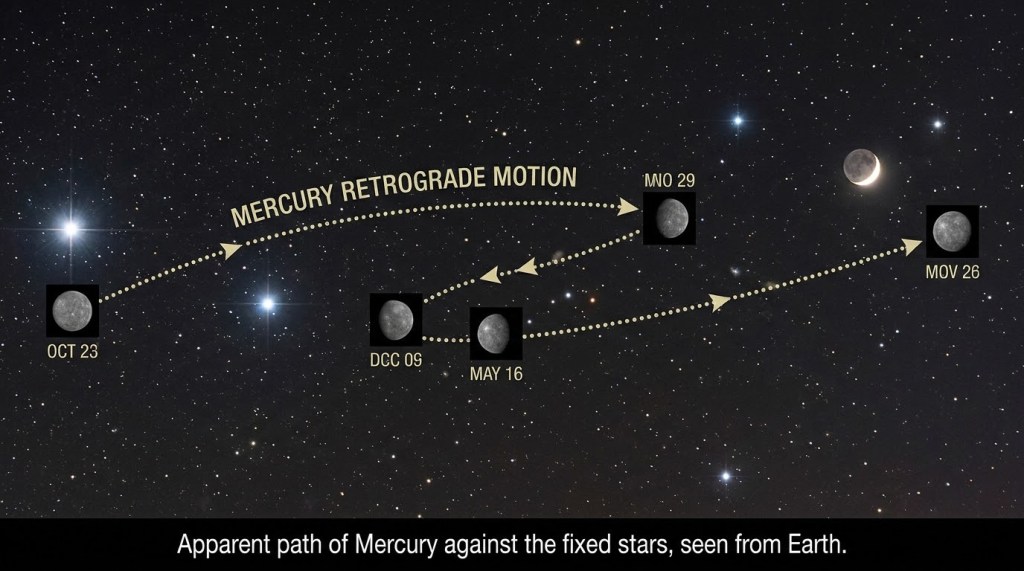
* Mars & Jupiter Guidepost: You do not need to stare directly at the radiant—meteors appear all over the sky—but if you look east toward the constellation Leo (near the backward question-mark star pattern called the “Sickle”), Jupiter and Mars will appear right next to each other near the radiant. Before sunrise on November 18, Venus and Mercury also join them low in the eastern sky for a four-planet morning lineup.
What Makes the Leonids Unique
* Origin: The shower occurs every November as Earth passes through a trail of dust and debris left behind by Comet 55P/Tempel-Tuttle.
* Speed: Because Earth hits this debris stream almost head-on, Leonids are among the fastest meteors of the year, entering the atmosphere at roughly 71 km/s (160,000 mph). This high speed often produces bright, blue-green streaks and occasional persistent vapor trails (“trains”) that can linger for several minutes.
* Bonus Fireballs: The Northern and Southern Taurids are also active in the background in mid-November; if you spot a much slower, bright orange fireball that doesn’t trace back to Leo, it is likely a Taurid.
Practical Tips for Watching
* Skip optical gear: Leave binoculars and telescopes behind—your naked eyes take in the widest swath of sky.
* Protect your night vision: Avoid looking at phone screens or bright flashlights for at least 20–30 minutes so your eyes fully dark-adapt.
* Dress for sub-zero temperatures: Mid-November pre-dawn temperatures in the British Columbia interior drop quickly when sitting or lying still, so bundle up in heavy layers, bring a reclining chair or insulated pad, and pack a thermos.
Would you like tips on photographing the meteors and the Mars–Jupiter conjunction, or local dark-sky spot recommendations around the Nicola Valley?
Looking back
November’s night sky is typically filled with several exciting astronomical events, including multiple meteor showers, a Supermoon, and a major planetary opposition.Here are some of the major night sky events anticipated for November
2025
Meteor Showers:
November hosts the peak of several meteor showers: * Southern Taurids: This shower is active until about November 20th, with its expected peak on the night of November 4-5. This year is predicted to be a “swarm year,” meaning the shower could produce more bright fireballs, though the Full Moon will interfere with visibility of fainter meteors. * Northern Taurids: Active until December 10th, the Northern Taurids are expected to peak on the night of November 11-12.
Full Moon (Supermoon):
The Full Moon in November, traditionally known as the Beaver Moon, occurs on November 5th. This Full Moon is also a Supermoon—the largest of 2025—since it occurs when the Moon is very close to its perigee (closest point to Earth). * Uranus at Opposition: The ice giant planet Uranus will be at opposition on November 21st. This is when Earth passes directly between Uranus and the Sun, making the planet at its brightest and most visible for the year. While it will be easier to spot, Uranus is still relatively dim and typically requires binoculars or a telescope to see clearly. * New Moon: The New Moon occurs on November 20th. This phase is the best time of the month to observe faint, deep-sky objects like galaxies and star clusters, as there is no moonlight interference.
* Leonids:
This reliable shower is active from November 6th to the 30th, peaking on the night of November 17-18. Viewing conditions for the Leonids are favorable, as the Moon will be only 9% illuminated and shouldn’t interfere much with the view.Planetary and Lunar Events
* Saturn’s Rings Edge-On:
Although this event occurs sometime in late November, Saturn’s rings will be oriented edge-on toward Earth, making them appear to “disappear” or become extremely thin. This is a great time to observe Saturn’s moons and the planet itself without the glare of the rings.Close Approaches (Conjunctions)Various close approaches of the Moon to planets are scheduled throughout the month, which are lovely sights for naked-eye observers and
Photographers:
* Moon near Saturn: November 2nd and November 29th. * Moon near Neptune: November 2nd and November 30th. * Moon near Jupiter: November 8:00 to 9th. ..10th
Look up on; now 2026
The sky is limitless beyond.



 Kevin Griffiths
 percypaschal

