Featuring Ryan Bellville,season 29
break a bone:a funny bone…

The Best of the Halifax Comedy Festival
Photo: Pexels.com

To the seasons of life
Featuring Ryan Bellville,season 29
break a bone:a funny bone…
Photo: Pexels.com
Overview of our systems and anti systems.
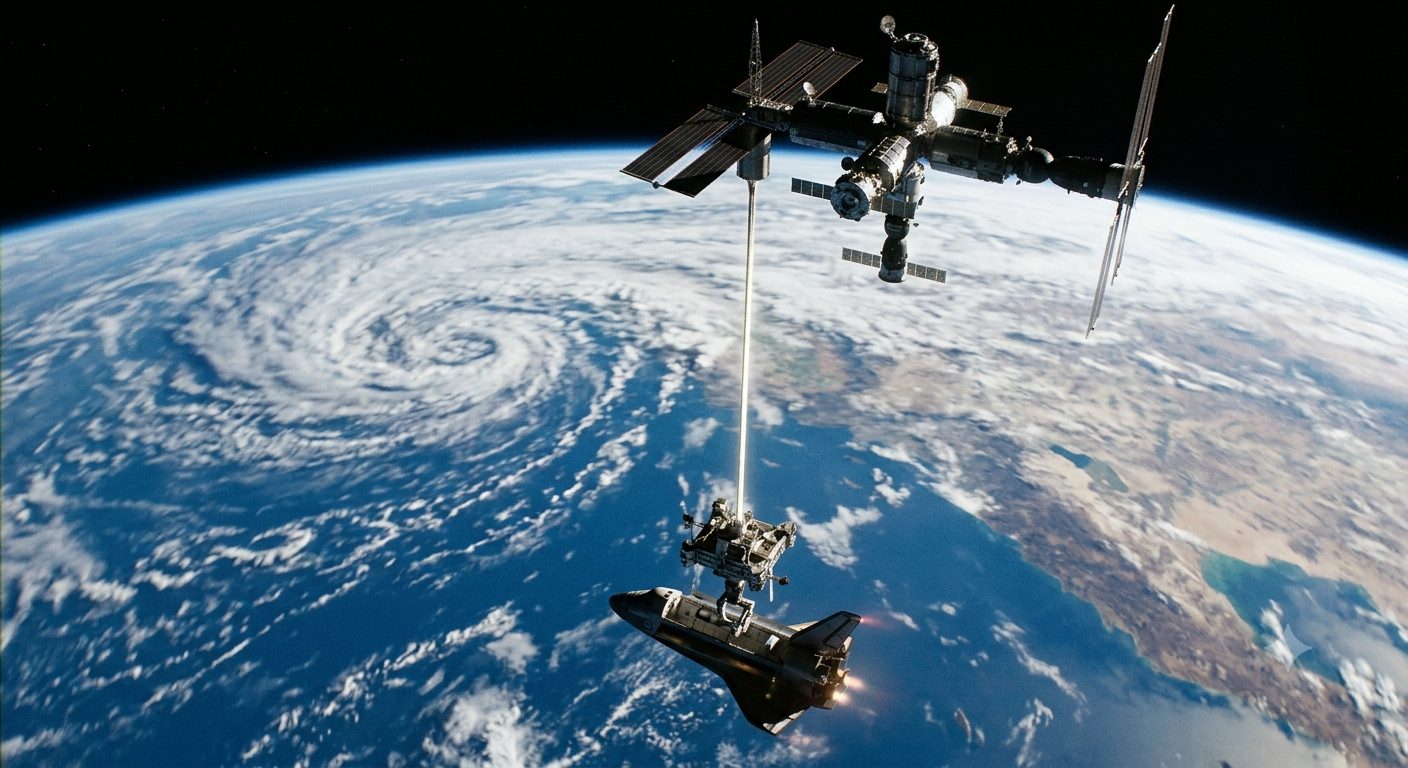
Size, Causes, and FixesThat reel you saved nails the core story — and it’s exactly what NOAA watches every summer.You saved a breakdown from late August that maps it out: the Mississippi drains 41% of the lower 48, from Montana to Ohio. All that rain, snowmelt, and especially fertilizer runoff carries nitrogen and phosphorus south into the Gulf.Why the Mississippi creates it
Farms, cities and sewage across 22 states leak excess nitrogen and phosphorus into the river system.Algae explosion: When those nutrients hit the warm, stratified Gulf, they supercharge algae growth.Oxygen crash: The algae die, sink, and decompose — bacteria eating them use up the oxygen near the bottom. Oxygen drops below 2 mg/L, so fish, shrimp and crabs have to swim out, and anything that can’t move gets stressed or dies.That’s why it happens every summer and fades in fall when storms mix the water.
For summer 2026, NOAA’s June ensemble forecast was about 7,027 square miles — bigger than the long-term average of 5,223 sq miles and the largest projection since 2017. For context, that’s larger than Connecticut, close to New Jersey in bad years.The forecast is based on May river discharge and nutrient loads from USGS. The actual measured size comes from the July research cruise — NOAA will confirm it in early August. Last year’s measured zone, for example, was 6,705 sq miles, the 12th largest in 38 years of mapping.
The long-term goal set by the Mississippi River/Gulf Hypoxia Task Force is to get the 5-year average down to 1,900 sq miles by 2035 — we’re still more than double that.What actually shrinks itIt’s not about cleaning the Gulf itself, it’s about keeping nutrients out upstream:On farms: cover crops, buffer strips along streams, wetlands restoration, precision fertilizer timing — so less nitrogen and phosphorus leaves the field. USGS shows nitrogen has stabilized since the 80s, but phosphorus rose for a while.
upgraded wastewater treatment to strip nutrients.System-wide: The Task Force is using $60M from the Bipartisan Infrastructure Law to scale those state nutrient-reduction strategies.Less May-June nutrient load = smaller algae bloom = less oxygen loss in July. Hurricanes can also break it up temporarily, but they don’t solve the cause.Your saves have been tracking this river-to-ocean connection for a while — that’s the exact link NOAA models: river nutrients in spring predict Gulf oxygen in summer.
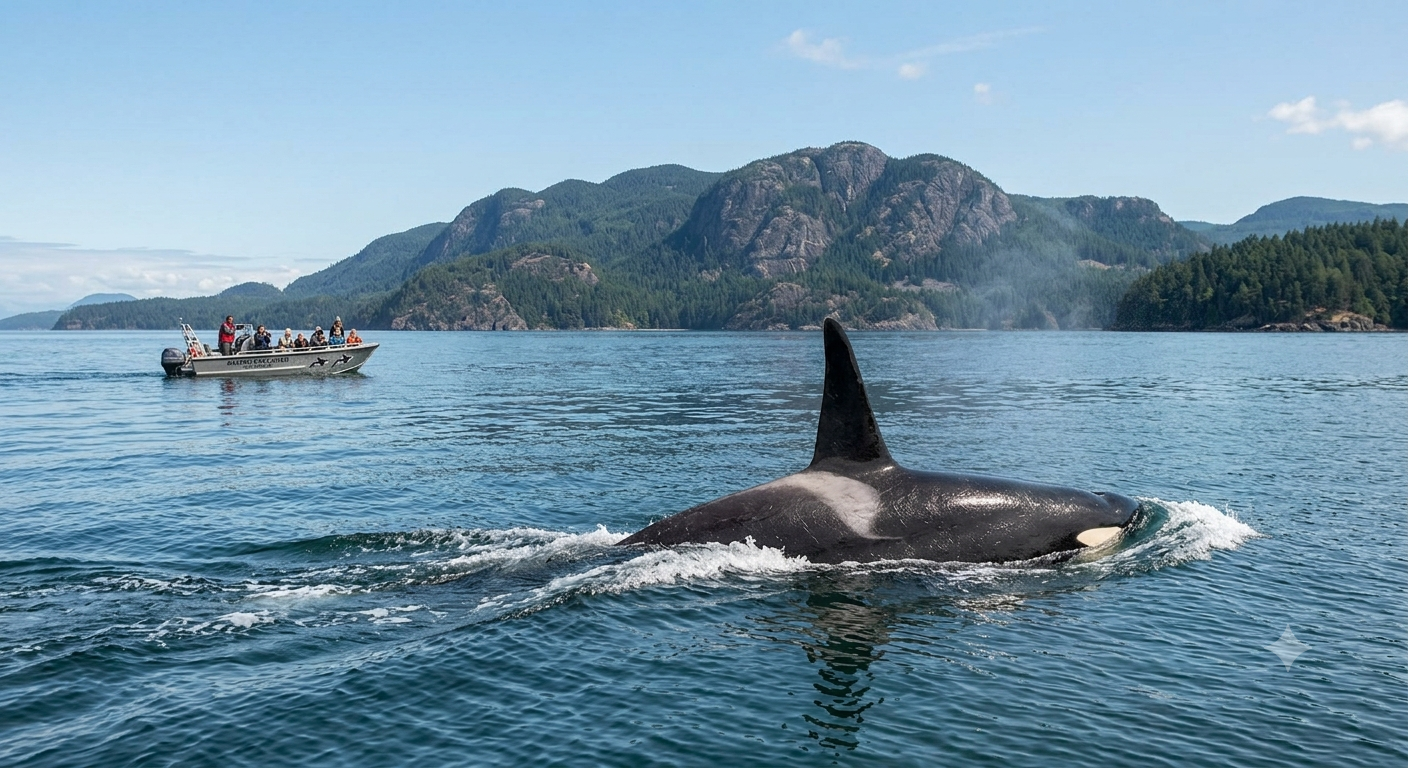
Nitrogen pollution in the ocean triggers cascading environmental damage. Runoff—primarily synthetic agricultural fertilizers, livestock waste, and urban wastewater—enters river systems and flows into coastal waters.
Excess nitrogen acts as a massive fertilizer for marine phytoplankton and algae, causing explosive, uncontrolled population blooms. * Hypoxia: When these vast algae blooms die, they sink to the ocean floor. Bacteria consume immense amounts of dissolved oxygen to decompose the organic matter, leaving the water severely depleted of oxygen (hypoxic). *
The Mississippi River watershed drains over 40% of the contiguous United States, channeling tons of nitrogen directly into the Gulf. Every summer, this creates a hypoxic “Dead Zone” spanning thousands of square miles off the coast of Louisiana and Texas where most marine life cannot survive.Impact on Marine Life & WhalesWhales breathe air, so they do not suffocate directly from low water oxygen levels. However, nitrogen pollution impacts cetaceans—including killer whales (orcas)—through ecological cascading effects: * Prey Displacement & Food Web Collapse: Fish, shrimp, and mobile marine organisms flee the hypoxic zones, while immobile bottom-dwellers die off. This shifts prey distribution, forcing apex predators like killer whales and baleen whales to travel farther, expend significantly more energy, and alter their natural hunting grounds to find food. *
Nitrogen fuels toxic algae species, such as Pseudo-nitzschia (which produces domoic acid). Small fish and krill consume these toxic algae, and the neurotoxins concentrate as they move up the food chain. Top predators like killer whales ingest lethal or debilitating doses through bioaccumulation, leading to neurological damage, seizures, reproductive failure, and strandings. * Habitat Degradation: High nitrogen levels alter coastal ecosystems, bleaching offshore coral reefs (like the Flower Garden Banks in the northern Gulf) and killing off sea grass beds, destroying nursery grounds for key whale prey.Note on Killer Whales in the Gulf:While killer whales are most famous in cold coastal waters like the Pacific Northwest, a distinct, resident population of Gulf of Mexico killer whales inhabits the deep waters off the continental shelf. Because apex predators rely heavily on healthy, multi-tiered food webs, toxic algae outbreaks and widespread prey displacement represent major long-term stressors to their survival and reproductive success.
ho’s up for it?.
Planet paradise, “go, be fruitful and multiply subdue the Earth”
August 18th, 2026
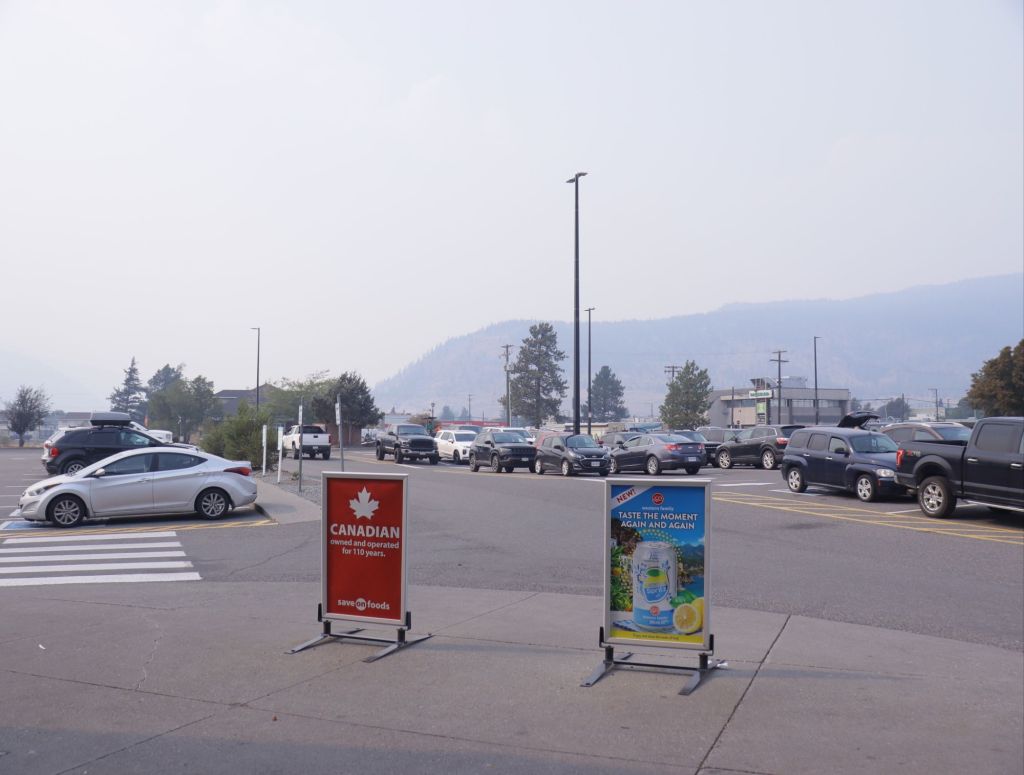
Tuesday late afternoon looking west from Railyard mall, Merritt BC
Pollinating bees are vital keystones of global ecosystems, facilitating the reproduction of nearly 90% of the world’s flowering plants and a third of the crops we eat. To forage efficiently across vast distances and consistently find their way back to the hive, these insects have evolved highly sophisticated navigational systems. While they heavily rely on visual cues like the position of the sun and polarized light patterns, they also possess an extraordinary internal compass known as magnetoreception. Tiny, ferromagnetic iron oxide particles (magnetite) located within the honeybee’s abdomen act like miniature compass needles. These particles shift in response to the Earth’s natural geomagnetic lines, sending mechanical signals to the nervous system that allow the bees to map their territory, distinguish local magnetic anomalies, and keep their bearings even on completely overcast days.
However, the rapid global expansion of large-scale data centers—accelerated by the massive computing demands of modern artificial intelligence—poses a growing threat to this delicate internal guidance system. Data centers require immense amounts of electricity, which translates to a dense concentration of high-voltage transmission lines, transformers, and industrial infrastructure that generate potent, localized low-frequency electromagnetic fields (EMFs). When bees fly through or nest near these intense, human-made EMF zones, their magnetoreceptors can become disoriented. Studies indicate that this “electromagnetic smog” induces severe physiological stress in bees, altering genes linked to navigation and learning, and severely reducing their floral landing success. By scrambling their primary compass, these facilities can disrupt essential foraging routes, diminish hive health, and ultimately weaken local plant pollination.
Beyond their electrical footprints, data centers are incredibly thirsty entities, putting a staggering strain on local and regional water resources. The thousands of servers packed inside these facilities generate massive amounts of heat, requiring millions of gallons of water daily for cooling purposes—with larger hubs consuming as much water as a city of 50,000 people. Much of this resource is utilized in evaporative cooling systems, meaning the water is quite literally evaporated into the atmosphere rather than being returned to local watersheds as treatable wastewater. This “giant soda straw” effect drawdowns local aquifers and reservoirs, directly threatening aquatic habitats by reducing the base flow of nearby rivers and streams. Furthermore, the water that *is* left behind or discharged often carries heavily concentrated loads of minerals and salts left over from evaporation, altering water quality and disrupting the fragile aquatic ecosystems that both wildlife and human communities rely upon.
Moving data centers to a cold, northern climate like Iceland fundamentally changes the equation, drastically reducing—and in some cases entirely eliminating—the conflicts with both bees and local water supplies.
### The Water Paradox: Abundance and Free Cooling
In hot or temperate climates, data centers rely heavily on water-intensive evaporative cooling to keep servers from melting. In Iceland, the ambient air temperature rarely climbs above 11^\circ\text{C} (52^\circ\text{F}) even in the summer. This allows operators to use **”free cooling”**—simply pulling the chilly Arctic air outside through the facility to regulate server temperatures. As a result, direct water consumption drops to near zero because the facilities don’t need to evaporate millions of gallons of water into the atmosphere. Furthermore, Iceland possesses a massive surplus of naturally occurring, pristine freshwater fed by glacial runoff and abundant rainfall, meaning the small amount of water used in closed-loop systems doesn’t spark resource competition with human communities or local agriculture.
### The Bee Context: A Different Ecological Reality
Regarding pollinating bees, the threat is minimized simply due to geography and climate. Iceland does not host the vast populations of commercial honeybee hives or diverse wild solitary bee species found in agricultural belts. In fact, Iceland has only one officially native bee species—the heath bumblebee (*Bombus jonellus*)—along with a small handful of recently introduced, cold-hardy bumblebee species and a tiny, strictly managed niche of indoor/greenhouse honeybees. Because Iceland’s ecosystems are not heavily dependent on massive, delicate networks of open-air pollinating bees for agricultural survival, any localized electromagnetic fields (EMFs) generated by data center infrastructure would have a negligible impact on a national scale compared to the severe disruptions seen in major agricultural zones.
the Nordic model represents a highly sustainable alternative for high-performance computing. By pairing “free air” cooling with 100% renewable geothermal and hydroelectric energy, the environmental friction that plagues data centers elsewhere is neutralized by Iceland’s natural geography.

light wind from The south Southwest, 20° c.
Save
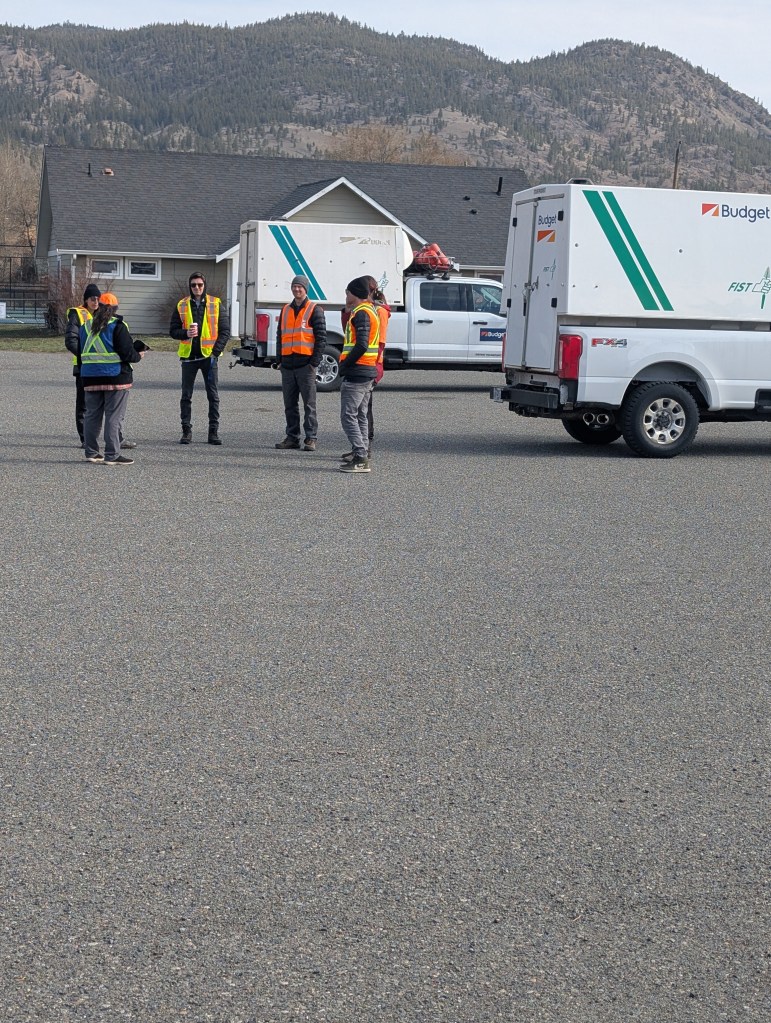
Tree planters doing some “Driver’s Training”. The lead hand says they will be planting trees out around highway Eight West of Merritt. The area is the site of recent fires.

March 20th 2026, spring, 14:46 Eastern daylight time.
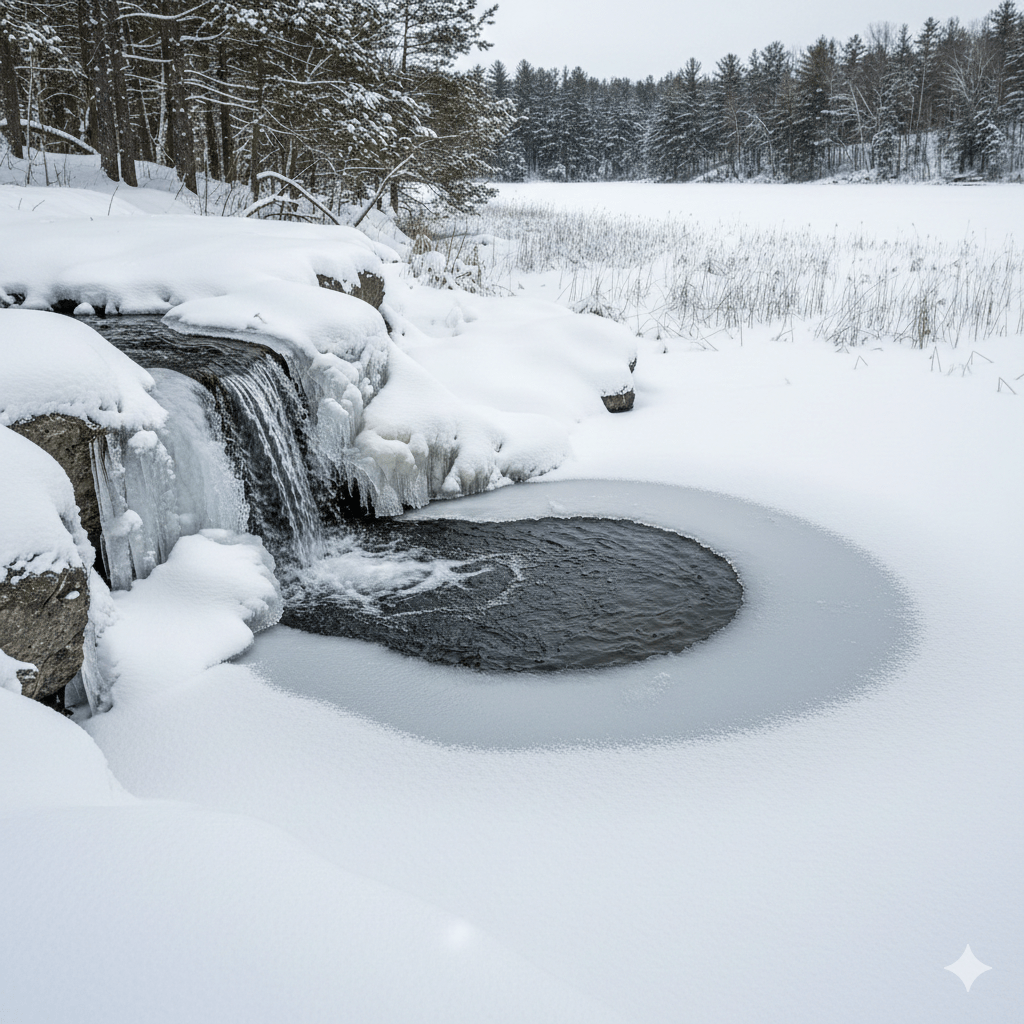
At the lower levels snow has a calming effect. , Drving safety first but appreciating for the permanance of seasonal ground rest and all that entails is comforting…
Take extreme care. Ice is very fragile at this point or in most points or anytime it can be rotten. And you’re under in a second and with no chance of finding your way out again often!
Atlantic Meridonacal overturning current.
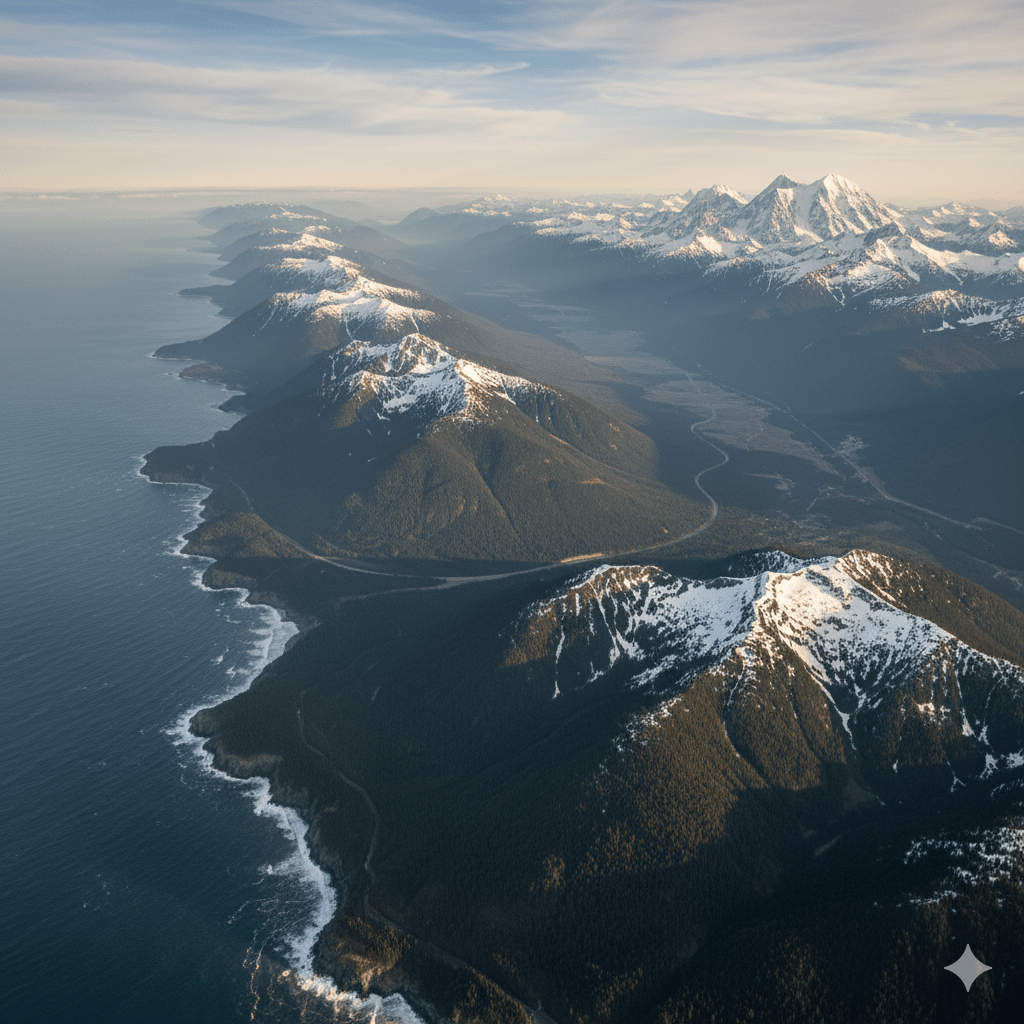
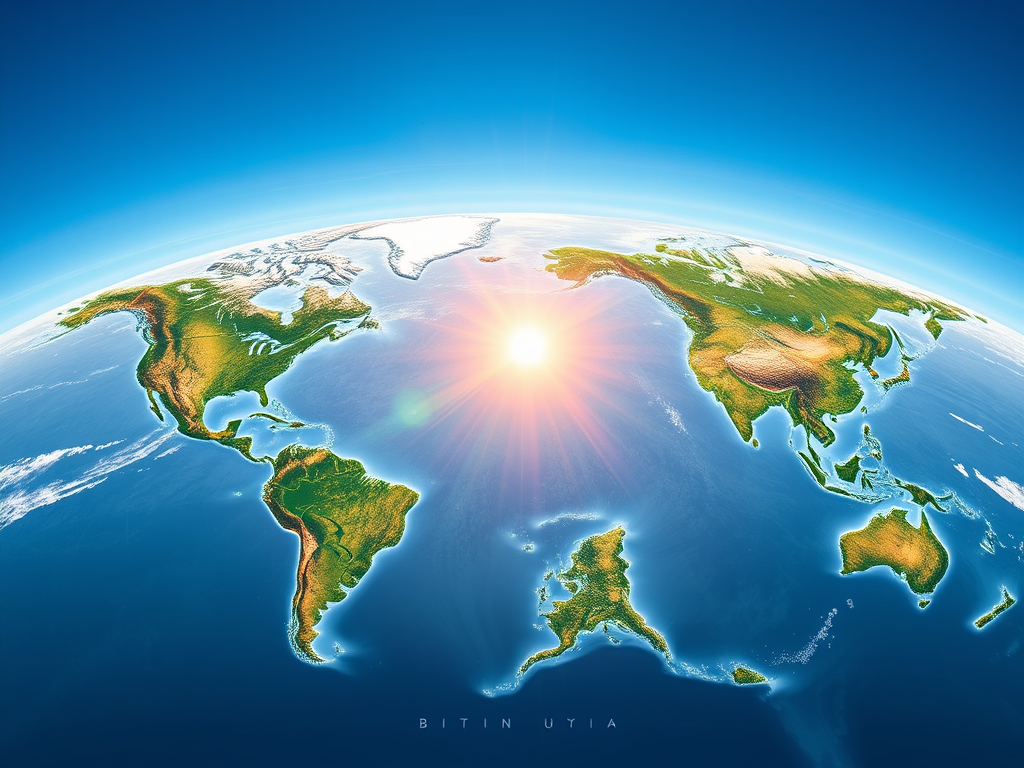
Concept photo generated to demonstrate the fine balance of altitude sea levels. Sea temperatures.
The “overturning current” you’re referring to is the Atlantic Meridional Overturning Circulation (AMOC), often described as the Atlantic’s “great conveyor belt.” This massive system of currents plays a critical role in global climate by transporting warm, salty water from the tropics north toward the Arctic. In the high latitudes of the North Atlantic, this surface water cools and loses heat to the atmosphere—which helps keep Western Europe significantly warmer than other regions at similar latitudes. As the water cools, its salinity and density increase, causing it to sink to the deep ocean floor. This cold, dense water then flows southward in a deep return current, completing the overturning loop. This circulation is essential not only for regional weather but also for redistributing heat, dissolved oxygen, and carbon throughout the ocean basins, impacting marine ecosystems and the ocean’s function as a vital carbon sink.However, recent studies indicate that the AMOC is weakening, and scientists are concerned that continued global warming could push it past a critical
The primary factor driving this slowdown is the influx of freshwater into the North Atlantic, primarily from melting ice sheets in Greenland. This freshwater is less dense than the salty ocean water and inhibits the cooling surface water from sinking, thereby disrupting the engine of the overturning circulation. If the AMOC were to substantially slow or, in a worst-case scenario, collapse, the consequences would be severe: Northern Europe could face much harsher winters, global rainfall patterns could shift drastically (affecting tropical monsoon regions), and sea levels could rise along the U.S. East Coast. While the exact trajectory and timing of a potential collapse are subject to scientific debate, the potential risks have led some governments, like Iceland’s
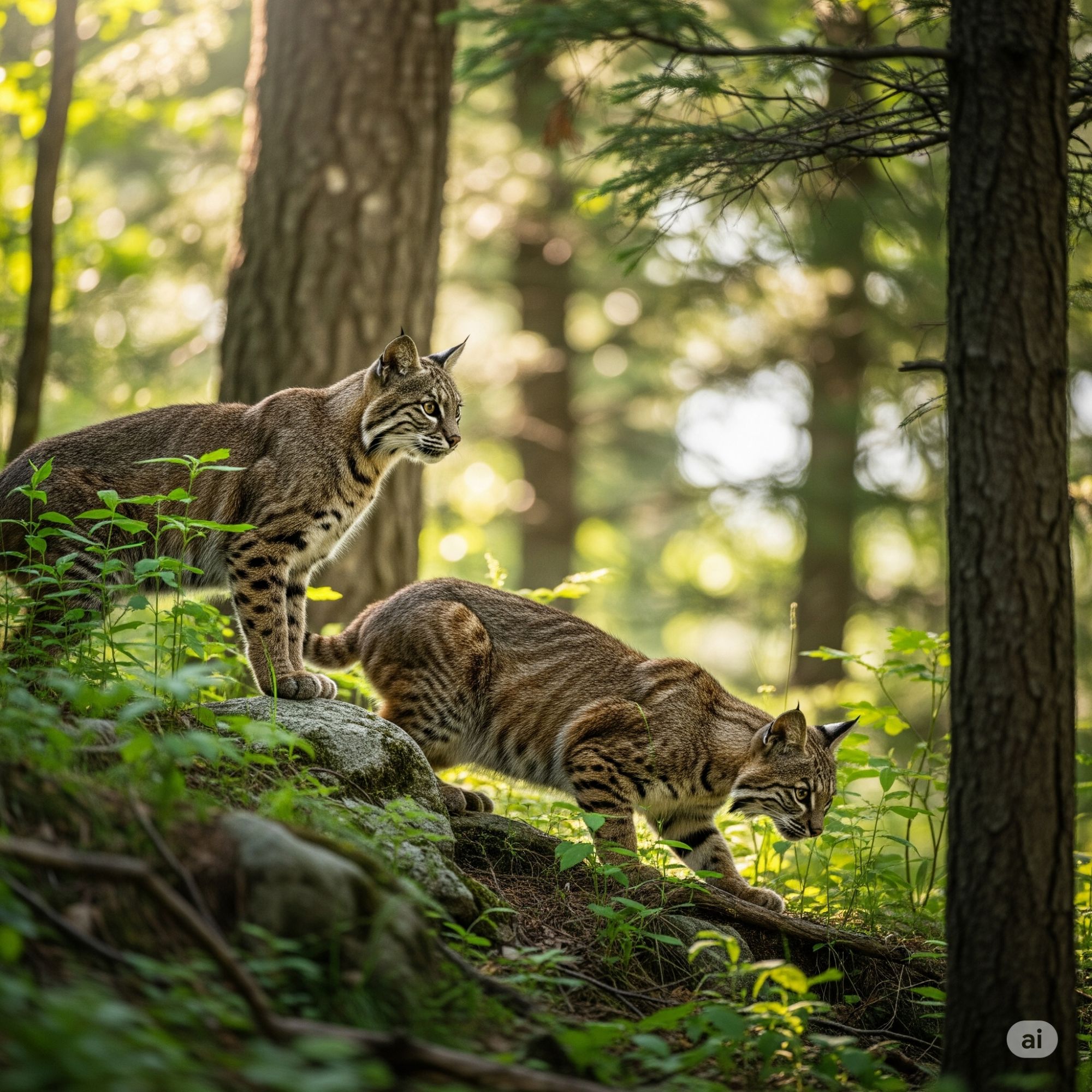
Photo Bob Cat Wikipediathese.
animalImportants
Remember
Ai can give you anything but temperature.
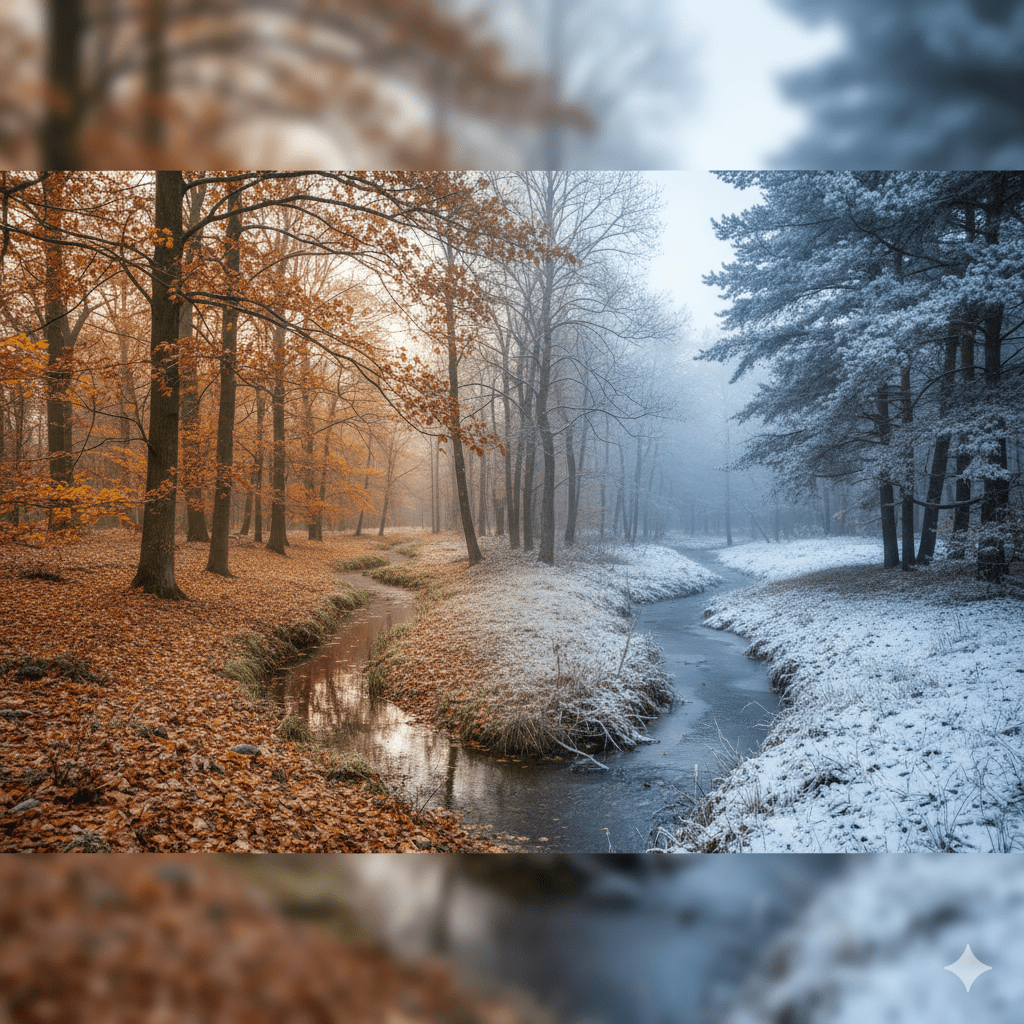
The transition from fall to winter can be benchmarked by observing a combination of astronomical, meteorological, and natural signs.❄️ Three Benchmarks for the Fall-to-Winter Transition1. Astronomical Benchmark: The Winter SolsticeThis is the official start of astronomical winter and is the point of the year with the shortest day and longest night. * What to Look For: The Winter Solstice occurs around December 21st in the Northern Hemisphere. While it’s the beginning of winter, it also marks the turning point where the daylight hours begin to increase again.2.
Sustained Temperature DropMeteorologists define winter as the three coldest months of the year, which are typically December, January, and February in the Northern Hemisphere. The key transition sign is a persistent drop in the average daily temperature. * What to Look For: * Average Temperatures: The average daily high temperature consistently drops below freezing (0°C or 32°F) or remains in the lower single digits for an extended period. * Precipitation: The primary form of precipitation reliably changes from rain to snow, sleet, or freezing rain. * Frost: Heavy, persistent frost becomes a nightly occurrence, often lasting well into the day.3.
This benchmark involves observing significant changes in plant and animal life that signal preparation for the harsh cold.
The vast majority of deciduous trees are fully bare (leaf drop is complete), and all herbaceous plants have withered and died back, entering a state of dormancy.
The complete migration of local flocks of common seasonal birds (like robins or specific geese/ducks species) has finished.
Small mammals like squirrels become intensely focused on food caching before periods of severe cold, and many insects disappear or go into diapause (hibernation).

Hey Merit what do you say?




![Light Show [Explored 2026-10-09]](https://live.staticflickr.com/65535/55578539818_958ce4fa9c_s.jpg "Light Show [Explored 2026-10-09]")


 Kevin Griffiths
 percypaschal
