Tag Archive: Nature


Data center bees and water

Pollinating bees are vital keystones of global ecosystems, facilitating the reproduction of nearly 90% of the world’s flowering plants and a third of the crops we eat. To forage efficiently across vast distances and consistently find their way back to the hive, these insects have evolved highly sophisticated navigational systems. While they heavily rely on visual cues like the position of the sun and polarized light patterns, they also possess an extraordinary internal compass known as magnetoreception. Tiny, ferromagnetic iron oxide particles (magnetite) located within the honeybee’s abdomen act like miniature compass needles. These particles shift in response to the Earth’s natural geomagnetic lines, sending mechanical signals to the nervous system that allow the bees to map their territory, distinguish local magnetic anomalies, and keep their bearings even on completely overcast days.
However, the rapid global expansion of large-scale data centers—accelerated by the massive computing demands of modern artificial intelligence—poses a growing threat to this delicate internal guidance system. Data centers require immense amounts of electricity, which translates to a dense concentration of high-voltage transmission lines, transformers, and industrial infrastructure that generate potent, localized low-frequency electromagnetic fields (EMFs). When bees fly through or nest near these intense, human-made EMF zones, their magnetoreceptors can become disoriented. Studies indicate that this “electromagnetic smog” induces severe physiological stress in bees, altering genes linked to navigation and learning, and severely reducing their floral landing success. By scrambling their primary compass, these facilities can disrupt essential foraging routes, diminish hive health, and ultimately weaken local plant pollination.
Beyond their electrical footprints, data centers are incredibly thirsty entities, putting a staggering strain on local and regional water resources. The thousands of servers packed inside these facilities generate massive amounts of heat, requiring millions of gallons of water daily for cooling purposes—with larger hubs consuming as much water as a city of 50,000 people. Much of this resource is utilized in evaporative cooling systems, meaning the water is quite literally evaporated into the atmosphere rather than being returned to local watersheds as treatable wastewater. This “giant soda straw” effect drawdowns local aquifers and reservoirs, directly threatening aquatic habitats by reducing the base flow of nearby rivers and streams. Furthermore, the water that *is* left behind or discharged often carries heavily concentrated loads of minerals and salts left over from evaporation, altering water quality and disrupting the fragile aquatic ecosystems that both wildlife and human communities rely upon.

Sweet

Iceland

Moving data centers to a cold, northern climate like Iceland fundamentally changes the equation, drastically reducing—and in some cases entirely eliminating—the conflicts with both bees and local water supplies.
### The Water Paradox: Abundance and Free Cooling
In hot or temperate climates, data centers rely heavily on water-intensive evaporative cooling to keep servers from melting. In Iceland, the ambient air temperature rarely climbs above 11^\circ\text{C} (52^\circ\text{F}) even in the summer. This allows operators to use **”free cooling”**—simply pulling the chilly Arctic air outside through the facility to regulate server temperatures. As a result, direct water consumption drops to near zero because the facilities don’t need to evaporate millions of gallons of water into the atmosphere. Furthermore, Iceland possesses a massive surplus of naturally occurring, pristine freshwater fed by glacial runoff and abundant rainfall, meaning the small amount of water used in closed-loop systems doesn’t spark resource competition with human communities or local agriculture.
### The Bee Context: A Different Ecological Reality
Regarding pollinating bees, the threat is minimized simply due to geography and climate. Iceland does not host the vast populations of commercial honeybee hives or diverse wild solitary bee species found in agricultural belts. In fact, Iceland has only one officially native bee species—the heath bumblebee (*Bombus jonellus*)—along with a small handful of recently introduced, cold-hardy bumblebee species and a tiny, strictly managed niche of indoor/greenhouse honeybees. Because Iceland’s ecosystems are not heavily dependent on massive, delicate networks of open-air pollinating bees for agricultural survival, any localized electromagnetic fields (EMFs) generated by data center infrastructure would have a negligible impact on a national scale compared to the severe disruptions seen in major agricultural zones.


Ultimately,

the Nordic model represents a highly sustainable alternative for high-performance computing. By pairing “free air” cooling with 100% renewable geothermal and hydroelectric energy, the environmental friction that plagues data centers elsewhere is neutralized by Iceland’s natural geography.
Black sea

life is wooooorth it..

Wow

Humanity got a leg up in the Mesopotamian Delta and what they called the fertile crescent after the retreat of the ice ages and glacierization at 10 millianium ago.

It is true that our spirituality stems from The interactions of humans as this new life was discovered including bigger brains, and in particular abstract and in thought. Empowering a metaphor stories that have moral values and the appreciation of stylistic art. All conspired to make human existence. Someone more dangerous but somewhat more interesting and worth proclaiming keeping and giving.

So, as we start this second and week of July 2026 and look back and say to ourselves, you know some things are worth keeping and somethings are not, some things are worth discussions and somethings are not. One of my favorite sayings is to wrestle with pigs is to get yourself dirty. No matter who wins…

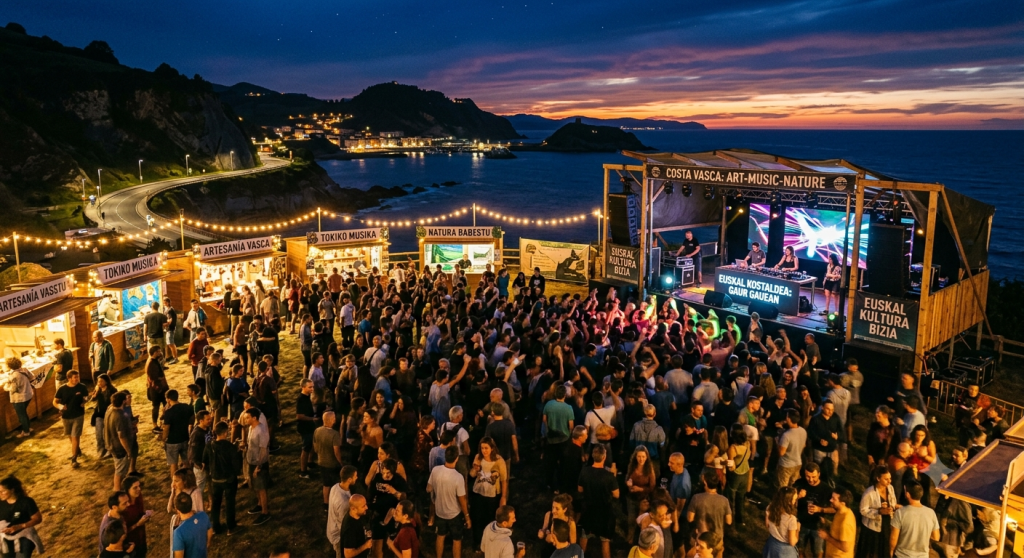
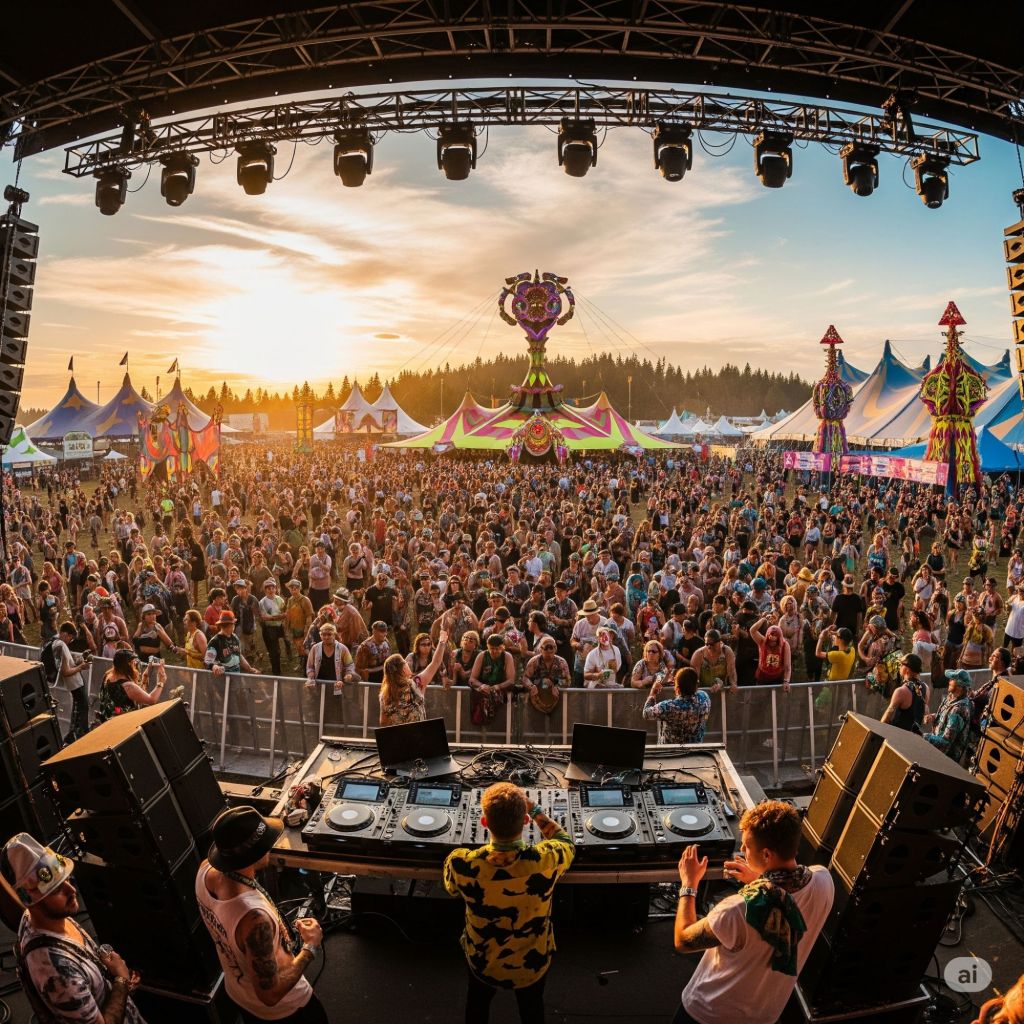
So put your abstraction hat on and think of wonderful things up until the weekend and then think of the bass Coast gathering who are going to appreciate their three emphasis, nature, music, particularly electronic music, and art. Because it’s what will remain after us.

So then, let your arm regret it, rest in its metaphor as it states as that physical Armageddon Valley in that area of the world sees another summer through after millinia literally with many kings and empires being decided in battles there. then let the battle of the tension of your worth be decided this weekend for the rest of the summer into the fall and on in cycle again.

lord willing.


2025 Schedule https://www.facebook.com/share/v/UFE4QB146J2E9R5w/?mibextid=Dpxkx3

Thank you for your time in Merritt…

The Bass Coast Festival is happening this weekend in Merritt, British Columbia, from July 11-14, 2025.
Regarding proceeds and attendance:
Attendance:
Bass Coast Festival has capped its attendance at 6,500 people each year to maintain its community aspect and focus on the overall experience. This number includes artists, festival-goers, volunteers, and vendors.
Proceeds:
While specific overall proceeds for the 2025 festival aren’t publicly detailed, Bass Coast Festival is an independently owned and artist-run event. They have a strong commitment to community support, as evidenced by:
* Donations to the Nicola Valley Food Bank: Bass Coast has an annual fundraising compilation called “12 Days,” where 100% of proceeds from album sales are donated to the Nicola Valley Food Bank in Merritt. They also top up the amount to reach a specific goal (e.g., $2500 CAD in one instance, and a $22,000 donation in another).
* Donations to environmental organizations: Bass Coast has also donated Bandcamp proceeds to organizations like West Coast Environmental Law.
* Economic Impact: The festival significantly contributes to Merritt’s economy, generating an estimated $4 million for the local area.
Essentially, while the exact financial “proceeds” in terms of profit aren’t publicly disclosed, the festival is known for its community-focused approach and its positive economic impact on the host town, Merritt.

We would love to have you back…

The  reason for being here is not as necessary as the fact that you did.

Ode to natural wisdom
The road was not there,nor ever fair.
Long was the dream of life to continue.
A drive stronger than void.
Take partnership in nature,with  it's sense to endure,it will ensure.
A crown to the victor and bowl at the table.
Where it will lead.

Nature

Nature and natural danger.

When exploring nature, it’s important to be cautious of potential dangers such as wild animals, extreme weather conditions, and rough terrain. Keeping a safe distance from wildlife, staying informed about the local weather forecast, and being prepared with appropriate gear and first aid knowledge can help mitigate these risks. Engaging in activities like hiking, camping, or wildlife photography can be fulfilling, but it’s crucial to always prioritize safety. Remember to respect the environment and follow established guidelines to minimize your impact on the ecosystem.

If you are interested in delving deeper into this topic, there are plenty of resources available online, such as articles, videos, and courses that can provide valuable insights into staying safe while enjoying the great outdoors.Ai

Photo by Enric Cruz Lu00f3pez on Pexels.com

Plastic to Elastic, Fantastical…

BBC

Lets hope 🍀

Waste to Electric

Waste to electricity…

You have to get your foot in the door.

File Photo KDG

TGIF-Checking up…

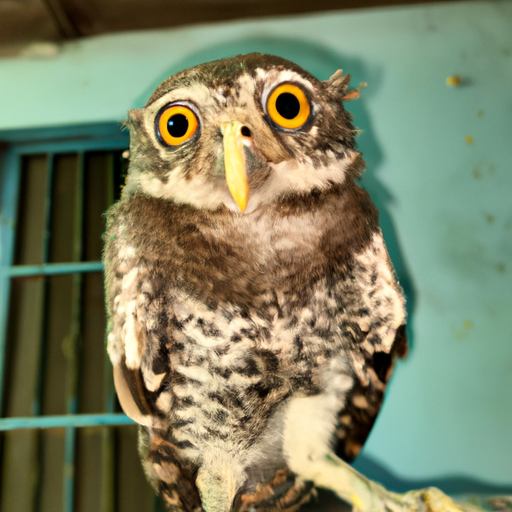
To be an owl on a branch, and yet the wisdom of mute resonates more then a thousand shouts.

KDG
An Owl ❤️
An Owl ❤️
Daily writing prompt
What are your morning rituals? What does the first hour of your day look like?

How is it that some find freedom and others do not recognize it when it’s close. They recognize the energy’s that are the drivers for a want of freedom and confuse them with the familiarity of their quest for freedom as home and turf. The real freedom is always close, don’t give it away with your mouth and fears.

Have a nice day…

Live Aurora

Beauty of Nature

2012 in review

Mount Everest from Kalapatthar.

Mount Everest from Kalapatthar. (Photo credit: Wikipedia)

The WordPress.com stats helper monkeys prepared a 2012 annual report for this blog.

Here’s an excerpt:

600 people reached the top of Mt. Everest in 2012. This blog got about 2,500 views in 2012. If every person who reached the top of Mt. Everest viewed this blog, it would have taken 4 years to get that many views.

Click here to see the complete report.