

Overview of our systems and anti systems.
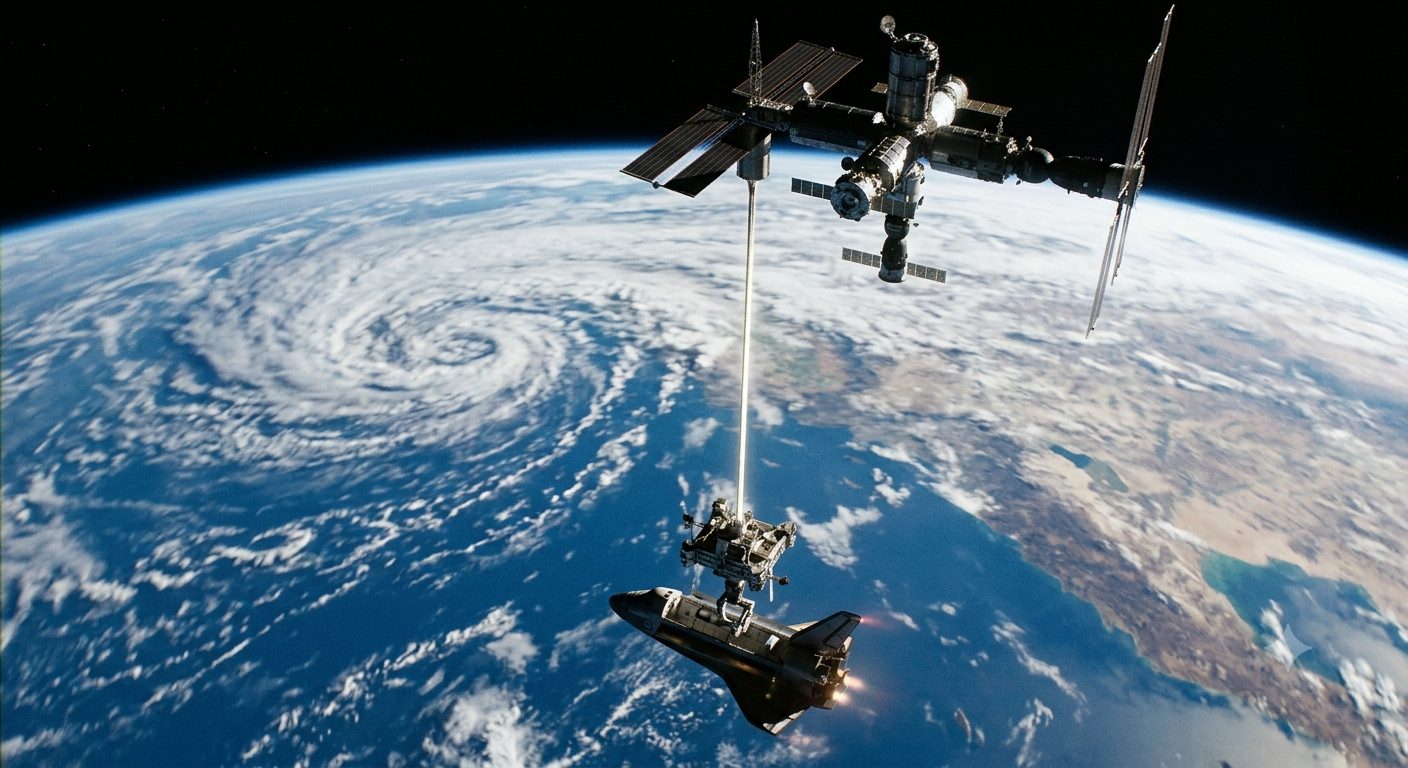
Your Gulf Dead Zone Briefing:
Size, Causes, and FixesThat reel you saved nails the core story — and it’s exactly what NOAA watches every summer.You saved a breakdown from late August that maps it out: the Mississippi drains 41% of the lower 48, from Montana to Ohio. All that rain, snowmelt, and especially fertilizer runoff carries nitrogen and phosphorus south into the Gulf.Why the Mississippi creates it
Nutrient overload:
Farms, cities and sewage across 22 states leak excess nitrogen and phosphorus into the river system.Algae explosion: When those nutrients hit the warm, stratified Gulf, they supercharge algae growth.Oxygen crash: The algae die, sink, and decompose — bacteria eating them use up the oxygen near the bottom. Oxygen drops below 2 mg/L, so fish, shrimp and crabs have to swim out, and anything that can’t move gets stressed or dies.That’s why it happens every summer and fades in fall when storms mix the water.
Size this year
For summer 2026, NOAA’s June ensemble forecast was about 7,027 square miles — bigger than the long-term average of 5,223 sq miles and the largest projection since 2017. For context, that’s larger than Connecticut, close to New Jersey in bad years.The forecast is based on May river discharge and nutrient loads from USGS. The actual measured size comes from the July research cruise — NOAA will confirm it in early August. Last year’s measured zone, for example, was 6,705 sq miles, the 12th largest in 38 years of mapping.
The long-term goal set by the Mississippi River/Gulf Hypoxia Task Force is to get the 5-year average down to 1,900 sq miles by 2035 — we’re still more than double that.What actually shrinks itIt’s not about cleaning the Gulf itself, it’s about keeping nutrients out upstream:On farms: cover crops, buffer strips along streams, wetlands restoration, precision fertilizer timing — so less nitrogen and phosphorus leaves the field. USGS shows nitrogen has stabilized since the 80s, but phosphorus rose for a while.
In cities:
upgraded wastewater treatment to strip nutrients.System-wide: The Task Force is using $60M from the Bipartisan Infrastructure Law to scale those state nutrient-reduction strategies.Less May-June nutrient load = smaller algae bloom = less oxygen loss in July. Hurricanes can also break it up temporarily, but they don’t solve the cause.Your saves have been tracking this river-to-ocean connection for a while — that’s the exact link NOAA models: river nutrients in spring predict Gulf oxygen in summer.
Whales
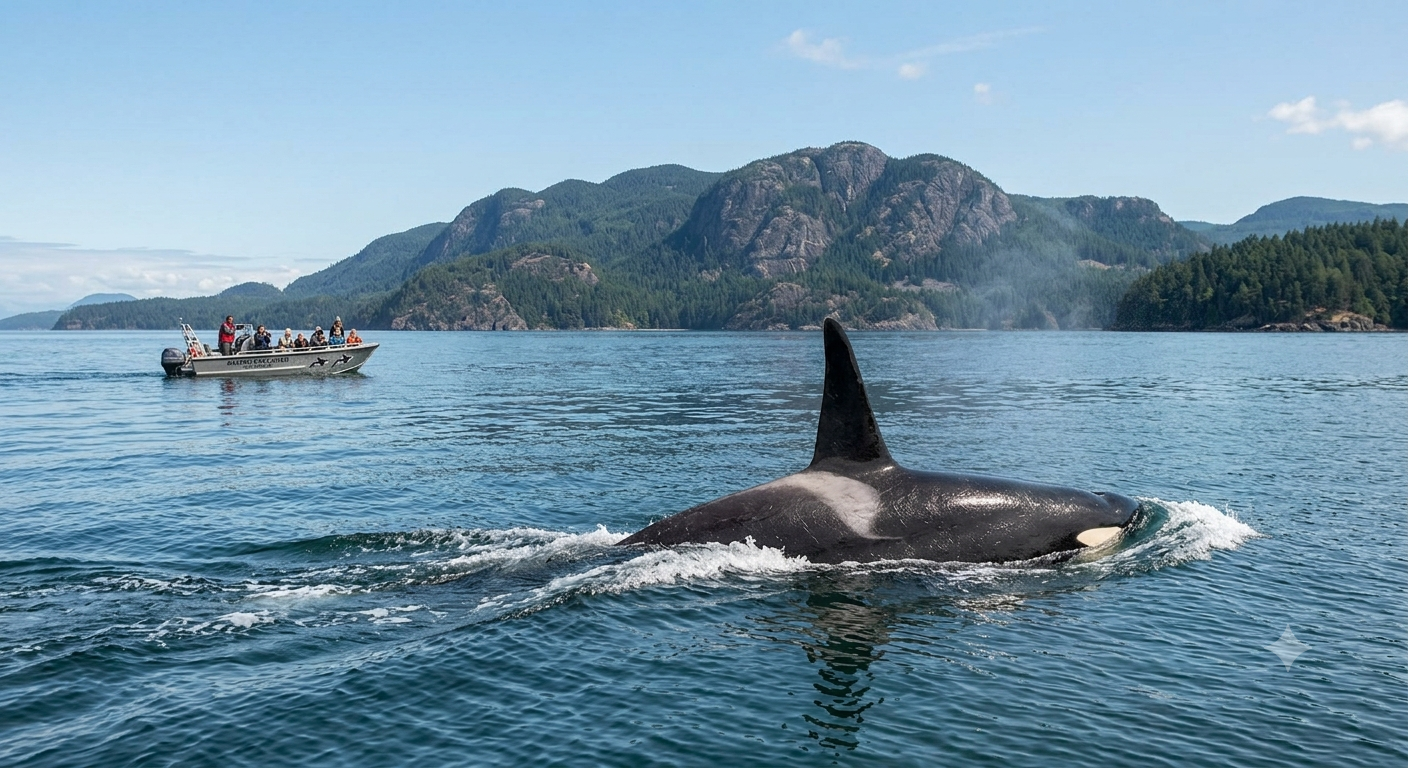
Gulf of Mexico
Nitrogen pollution in the ocean triggers cascading environmental damage. Runoff—primarily synthetic agricultural fertilizers, livestock waste, and urban wastewater—enters river systems and flows into coastal waters.
The Mechanics: Eutrophication & The “Dead Zone” * Algae Blooms:
Excess nitrogen acts as a massive fertilizer for marine phytoplankton and algae, causing explosive, uncontrolled population blooms. * Hypoxia: When these vast algae blooms die, they sink to the ocean floor. Bacteria consume immense amounts of dissolved oxygen to decompose the organic matter, leaving the water severely depleted of oxygen (hypoxic). *
The Gulf of Mexico:
The Mississippi River watershed drains over 40% of the contiguous United States, channeling tons of nitrogen directly into the Gulf. Every summer, this creates a hypoxic “Dead Zone” spanning thousands of square miles off the coast of Louisiana and Texas where most marine life cannot survive.Impact on Marine Life & WhalesWhales breathe air, so they do not suffocate directly from low water oxygen levels. However, nitrogen pollution impacts cetaceans—including killer whales (orcas)—through ecological cascading effects: * Prey Displacement & Food Web Collapse: Fish, shrimp, and mobile marine organisms flee the hypoxic zones, while immobile bottom-dwellers die off. This shifts prey distribution, forcing apex predators like killer whales and baleen whales to travel farther, expend significantly more energy, and alter their natural hunting grounds to find food. *
Harmful Algal Blooms (HABs) & Bioaccumulation:
Nitrogen fuels toxic algae species, such as Pseudo-nitzschia (which produces domoic acid). Small fish and krill consume these toxic algae, and the neurotoxins concentrate as they move up the food chain. Top predators like killer whales ingest lethal or debilitating doses through bioaccumulation, leading to neurological damage, seizures, reproductive failure, and strandings. * Habitat Degradation: High nitrogen levels alter coastal ecosystems, bleaching offshore coral reefs (like the Flower Garden Banks in the northern Gulf) and killing off sea grass beds, destroying nursery grounds for key whale prey.Note on Killer Whales in the Gulf:While killer whales are most famous in cold coastal waters like the Pacific Northwest, a distinct, resident population of Gulf of Mexico killer whales inhabits the deep waters off the continental shelf. Because apex predators rely heavily on healthy, multi-tiered food webs, toxic algae outbreaks and widespread prey displacement represent major long-term stressors to their survival and reproductive success.
ho’s up for it?.
Planet paradise, “go, be fruitful and multiply subdue the Earth”



 Kevin Griffiths
 percypaschal
