Category: Transportation


Canada is at a disadvantage 

Canada is at a disadvantage with the trading and tariff situation by being so integrated with the United States. The United States is one of three countries that don’t use the metric system and it is an economic lever or the value that is preferred. Preferred by over 90% of the world’s population.

Well

The modern landscape of the metric system (officially the International System of Units, or SI) is defined by global standardisation everywhere except in a tiny fraction of the world.
Global Metric Adoption
Only three countries in the world have not officially adopted the metric system as their primary standard:
* The United States (uses U.S. Customary units)
* Liberia (currently transitioning)
* Myanmar (currently transitioning)
Virtually every other nation (roughly 95% of the world’s population) operates officially under the metric system. Even within non-metric nations, scientific research, international trade, military supply chains, and high-tech manufacturing operate predominantly in metric units.
Impact on Global Trade, Tariffs, and Building Codes
The metric dynamic creates distinct trade efficiencies—and friction points—where non-metric standards exist.

Kids level, you got kids?


* Trade & Supply Chains: Dual-inventory costs are a major burden. Manufacturers that produce goods for global markets must either manufacture dual line items (e.g., metric bolts vs. imperial bolts) or standardize to metric. Operating on a unified system eliminates conversion errors, simplifies logistics, and lowers manufacturing costs globally.
* Tariffs & Custom Controls: Tariffs themselves are levied based on weight, volume, or unit counts. When cross-border trading involves non-metric systems, custom entries require strict volumetric and weight conversions (e.g., converting short tons or U.S. gallons to metric tonnes or liters). Mismatched metric and non-metric declarations can cause compliance delays, extra auditing, or miscalculated tariff brackets.
* Building Codes & Construction: Building codes dictate structural design, electrical load calculations, and material dimensions.
   * Most global codes mandate metric dimensions (e.g., 400 mm structural spacing).
   * Standardizing building codes to metric streamlines architectural plans across international borders. However, in North America, construction remains heavily tied to imperial dimensions (e.g., 2×4 studs spaced 16 inches on center) because the massive U.S. building supply market dictates the manufacturing defaults for raw materials.
Canada: Is Canada a Leader in Metric Efficiency?
No, Canada is not a leader in metric efficiency. Canada operates in a hybrid, dual-system reality—often referred to by logistics experts and engineers as a “half-metric” or “metric-in-name-only” dynamic.
Canada initiated formal metrication in 1970 under Pierre Trudeau. While the transition succeeded at the government and public level (weather, speed limits, road signs, gas sales, and food labeling are exclusively metric), the process stalled in 1985 when compulsory metrication enforcing agencies were dismantled.
Because Canada shares the world’s longest land border and an integrated supply chain with the United States, Canadian industries often revert to imperial units to remain compatible with U.S. trade partners:
* Construction: Blueprints for commercial projects may be drafted in metric, but workers on job sites routinely use feet, inches, and imperial material sizes (drywall, lumber, piping) because the materials originate from or cross the U.S. supply chain.
* Manufacturing & Trade: Canadian exporters must maintain dual-standard machinery or produce imperial products exclusively for the American market while using metric for domestic and European exports.
* Everyday Life: Canadians measure body height in feet/inches, weight in pounds, oven temperatures in Fahrenheit, and real estate in square feet, despite buying fuel in liters and measuring outdoor temperatures in Celsius.
While Canada is officially a metric nation, its heavy economic integration with the United States prevents it from achieving true metric efficiency.

The Lower Mainland in British Columbia is a broad geographic and cultural region that typically includes the Metro Vancouver Regional District and the Fraser Valley Regional District, extending from Vancouver in the west to Hope in the east, and from the U.S. border to the south, up to Whistler and the Sunshine Coast in the north.
Here are many of the cities and municipalities you’ll find within this region:
Metro Vancouver Regional District:
* Vancouver
* Burnaby
* Richmond
* Surrey
* Coquitlam
* Delta
* Langley (City and Township)
* Maple Ridge
* New Westminster
* North Vancouver (City and District)
* Pitt Meadows
* Port Coquitlam
* Port Moody
* West Vancouver
* White Rock
* Anmore (village)
* Belcarra (village)
* Bowen Island (island municipality)
* Lions Bay (village)
Fraser Valley Regional District (often considered part of the broader Lower Mainland):
* Abbotsford
* Chilliwack
* Mission
* Hope
* Kent (includes Agassiz)
It’s worth noting that the exact definition of “Lower Mainland” can sometimes vary, but these are generally the key urban centers and municipalities within that area.

Highway access

Lower Mainland

Well a view of last fall in Merritt BC, In and around the art councils Gallery there. How are you for coming into the fall now, do you have some goals. Maybe participating in a gallery showing in Merritt BC in the South Central interior may have something to offer you. Go by the gallery and commit yourself for your fall coming up. Or a wonderful array of similar and related organizations just down the road

British Columbia lower mainland :

Highway 1 (Trans-Canada Highway)

Here is an interactive map detailing the layout of [Greater Vancouver](https://www.google.com/search?kgmid=/m/06_y0m_)

and the Lower Mainland, showcasing the primary transit corridors, cities, and critical highway junctions spanning southwestern British Columbia.[Rich media excluded from paste]## Major Corridor Reference## Highway

1 (Trans-Canada Highway)* * Willingdon Avenue (Exit 29):

Connects to Central Burnaby and Brentwood.* Brunette Avenue (Exit 40): Splits traffic toward New Westminster and Coquitlam.* 200 Street (Exit 58): The major artery connecting North and South Langley.* ## Highway 99——————————[Bridgeport Road* Route* Richmond, BC](https://www.google.com/search?kgmid=/g/1v75rlq7)Direct access into central Richmond and YVR.——————————[Ladner Trunk Road* Route* Delta, BC](https://www.google.com/search?kgmid=/g/1tfg2shj)Main access hub for Delta and Ladner, situated just south of the George Massey Tunnel.If you are planning a trip through the region, tell me your starting point, your destination, or if you need to locate a specific bridge or tunnel crossing to avoid traffic.

https://www.google.com/search?kgmid=/m/06_y0m_

Environment Canada orange warning Merritt British Columbia air quality.

Orange Warning for air quality circa 1:pm August 21 2026

Gas Prices Merritt Friday August 21 2026

There is almost a $0.50  spread on regular gasoline in Merritt at this writing from circa $1.80 to $2.30 per liter. There are five outlets in Merritt BC.

GasPricesBC.ca

Historical 2020

There’s a range of gas prices in Merritt a dollar six  cents a litre at this writing after dinner April 29th 20/20.

Hurts Can Hardly

File photo ktg
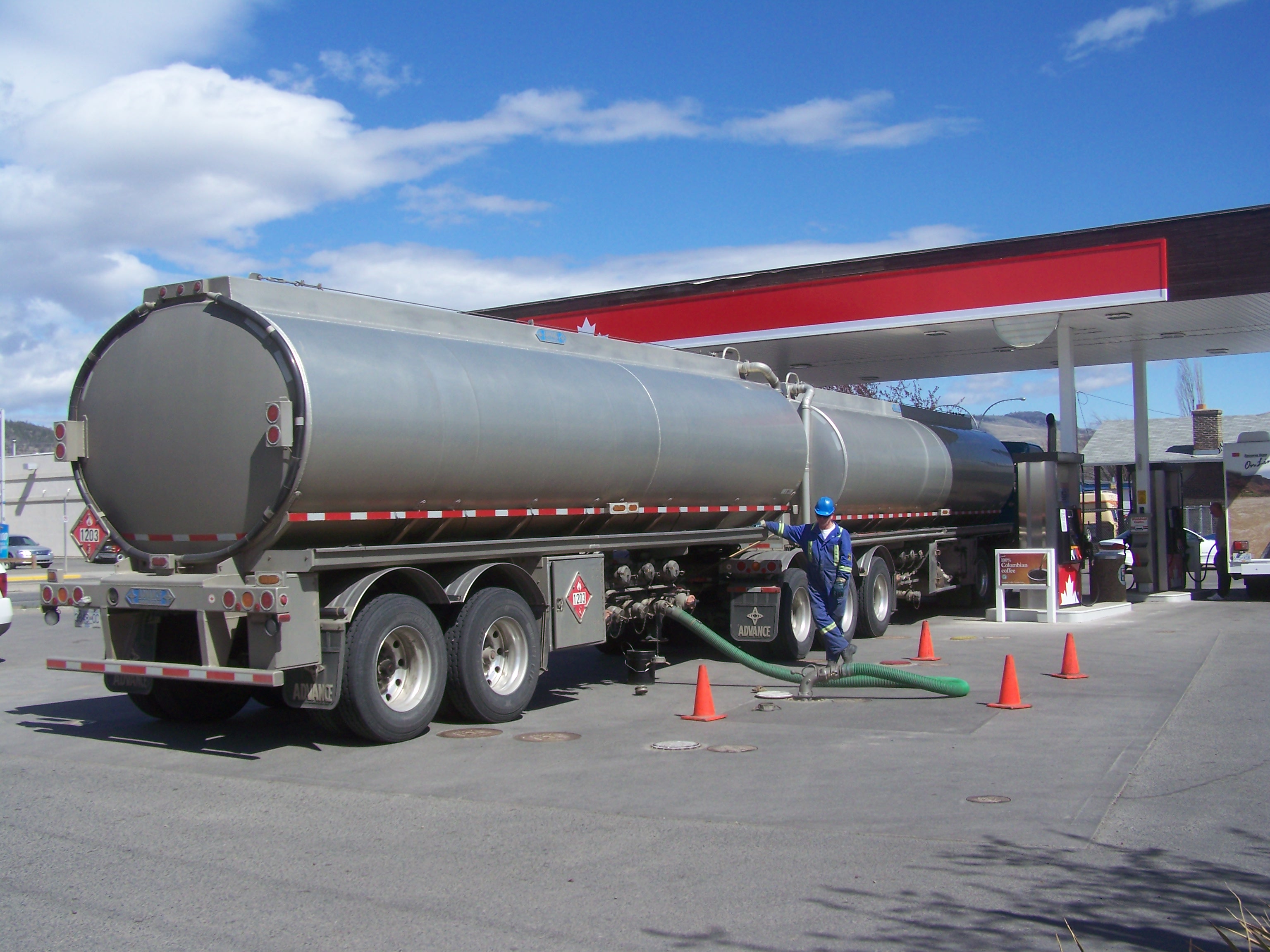
It comes from somewhere, file photo KDG

Factors

Source: GasPricesBC.ca https://share.google/8F9e4SUZhXGJuLePE

Good Night…

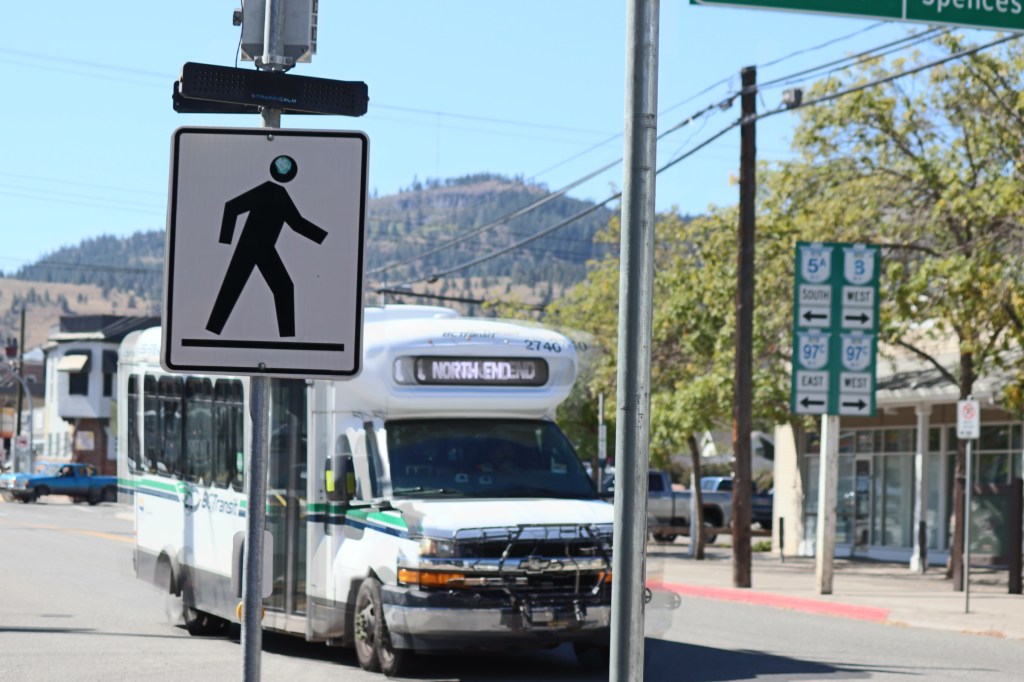
No, that is not an oxymoron,where walk counts out riding.

A responsible choice:

It’s the choice you have in British Columbia. You can walk or ride. The November 15th payment deadline for renewing compass cards forJanuary delivery for seniors is coming up quickly. You might want to take note of that.

Stay healthy and happy…

Rapid movement

This guy should be in government.

Fast trains mean less trains.KDG
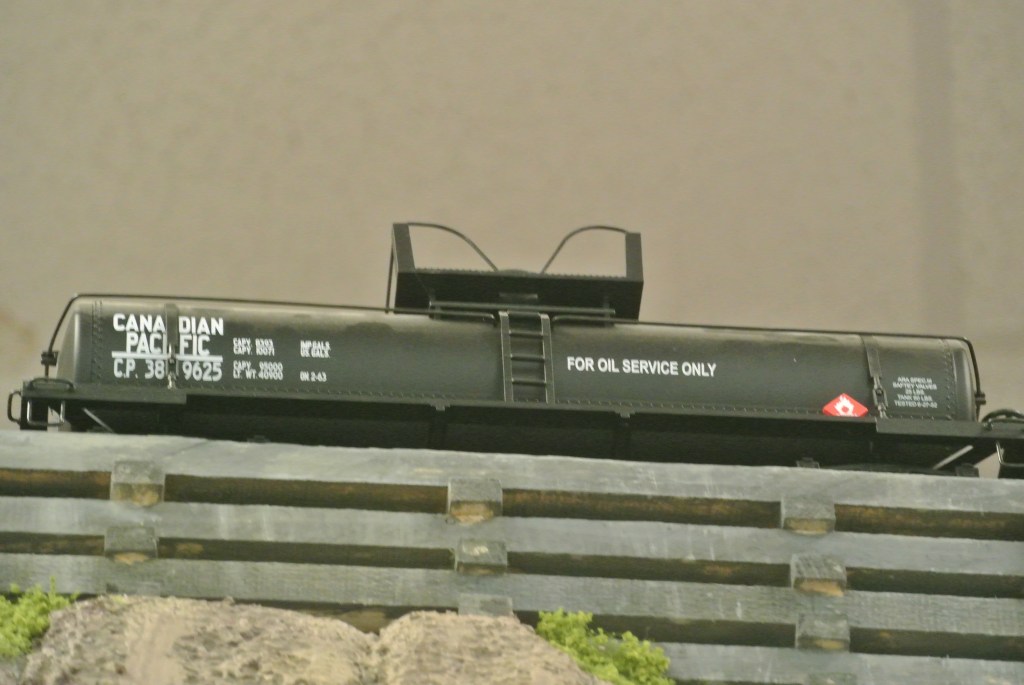
Model train set in local library had a car stuck in a tunnel! Trains are a big part of our heritage! File photo KDG

Science Fictional or just Diction

The Mag train or fast train appears to be science fiction affirmed but in reality it’s just the repulsion of magnets doesn’t lift anything by nuclear activity or anything like that. Any bubble technology or speed of light and anything like that. It’s just magnetic repulsion that takes a lot of electricity to generate. However, fast trains are the product of them. And they are attractive. You be the judge.