You are presumed to be honest and responsible without evidence to the contrary beyond a reasonable doubt… on the balance of probablilties you are justified by 51 % likelyhood.
So, this has been a notable week, the moon eclipsed.The state of emergency was called off. Some evacuation orders were repealed and smoke dissipated, all in all progress in a nutshell, or better said a moon beam.
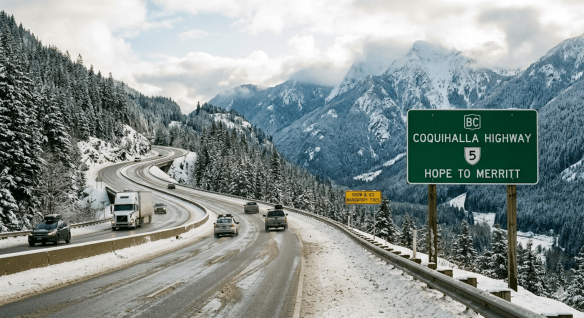
The rain started briefly before this bus trip to Lower Nicola, Near Merritt, August 21st 2026, Thanks for the grace…
Grace needed for others:
Nepal and Mars
Grace belongs to those who know their limitations 🙏.
I think the most critical ethical concern is the simulation of empathy. Because AI systems cannot genuinely feel or care, there is a profound risk that using them for bereavement support can lead to emotional manipulation or create a false sense of connection, leaving people even more vulnerable when they realize the true nature of their interaction. It touches on the authenticity of human relationships and the responsibilities of those who build these tools.
Emotional Bonds and transfer.
My mother the car, Sit Com circa 1970s. Van Dyke….
The Nicola Naturalist Society Incorporated was done in November of 2010 and has functioned under a stable and comprehensive membership for 16 years here in Merritt. Not to be confused with my naturalist blog. That reports a lot of the things from it or journalizes it.
The naturalists of Merritt are very industrious bunch.
As of this date of writing, the regular meetings are closed down until September and membership renewal or membership begins in September. And there’s a possibility that they will be meeting the second Thursday of the month instead of the 3rd.
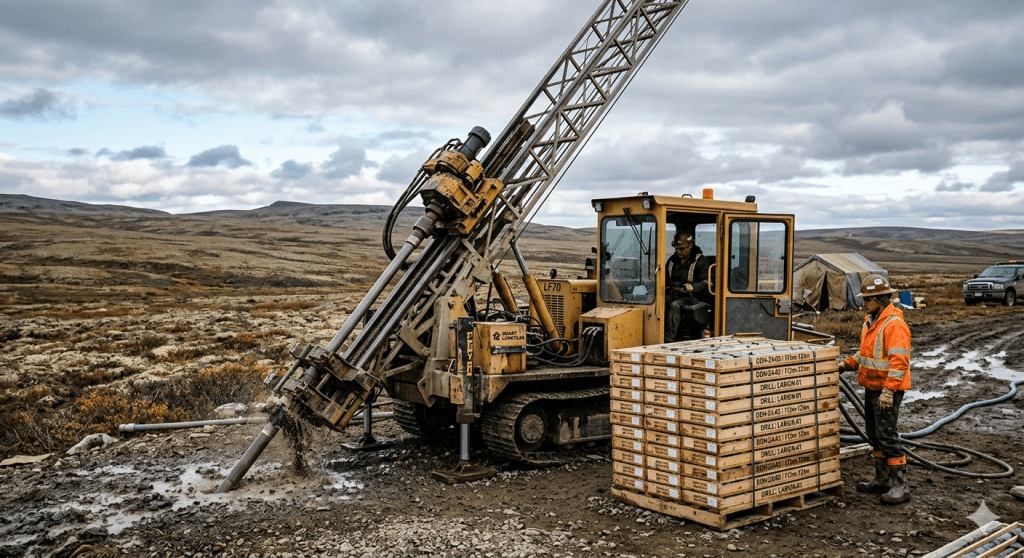
The 81st Annual General Meeting and Convention of the Canadian Diamond Drilling Association (CDDA) actually hasn’t happened yet—it is scheduled to take place next week, from **May 24 to May 26, 2026**, at the Delta Hotels Victoria Ocean Pointe Resort in Victoria, BC. Because the convention is just around the corner, no official post-meeting business has been finalized yet. However, the association has published its core agenda and focal points for the upcoming sessions under this year’s theme, “Viva Victoria.” The business and major objectives scheduled to be tackled include: ### 1. National Workforce Development Initiatives A major presentation led by Dana Imbeault from the Mining Industry Human Resources Council (MiHR) will focus on establishing a nationally aligned, industry-driven framework. The goal is to strengthen Canada’s mining talent pipeline by: * Setting national skills and competency standards. * Supporting clear educational pathways. * Ensuring consistent, recognized training coast-to-coast. * Overseeing programs like “Mining Essentials” for Indigenous peoples. ### 2. Industry Safety and Mental Health Focus Safety and wellness are dominating the business docket this year: * **”Bring It to the Surface” Campaign:** Dedicated presentations and panel discussions targeting mental health, wellness, and peer support within the high-stress drilling sector. * **Safety Awards Gala:** The convention will officially honor excellence and leadership in safety with the presentation of the Contractor Safety Appreciation Award and the Manufacturer Safety Appreciation Award. ### 3. Technical Sessions & Innovation Contractors, manufacturers, and suppliers will conduct sessions reviewing current drilling trends, supply chain logistics, and engineering advancements. This includes fireside chats centered on mentorship and technological integration to drive the future of the industry forward. 81st CDDA AGM and Convention – Victoria, BC This video provides an early promotional overview of the event’s location, registration info, and core themes ahead of the gathering in Victoria.
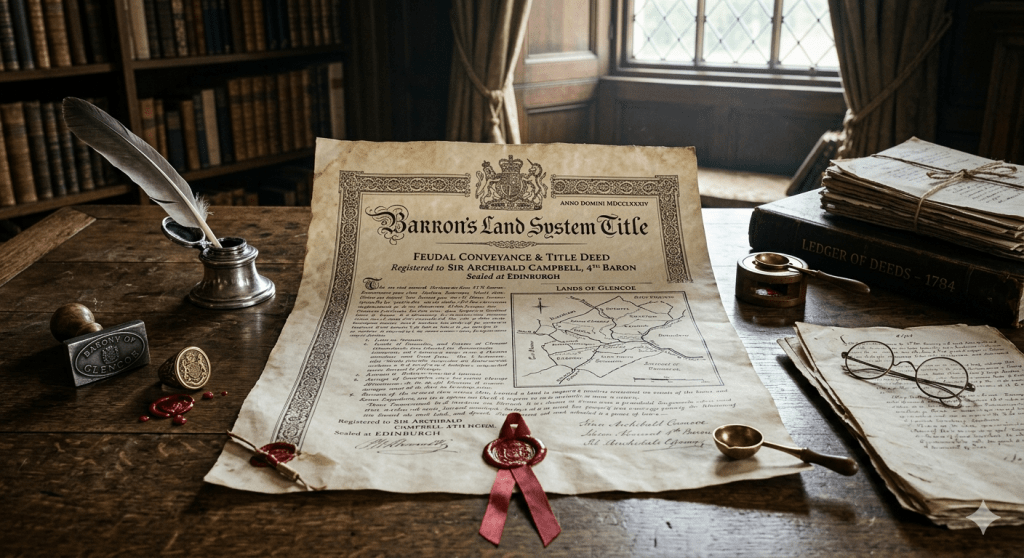
The terminology and the physical “possession” of property documents can be a bit confusing because the system has shifted from paper-heavy “deeds” to digital “titles” over the last few decades.In British Columbia, the system is governed by the **Land Title Act**, and here is how it works for a property owner:###
In modern BC law, a **Deed** is essentially the historical ancestor of the **Title**. *
**The Deed:**
Historically, this was a physical piece of paper signed by the seller and given to the buyer to prove the transfer.
* **The Title:**
Today, BC uses a “Torrens” system. This means the definitive proof of ownership isn’t a piece of paper in your drawer; it is the electronic record in the **Land Title Register**.If you own your home outright, you have “Indefeasible Title.” You can request a **State of Title Certificate**, which is a certified paper copy of what is in the computer system, but it is the digital record that truly counts as the law of the land.
### 2. Possession During a Mortgage
When you have a mortgage, the lender (the bank) registers a **charge** against your title. * **Who holds the “Title”?** Technically, the Land Title Office holds it in their database. However, the bank’s financial interest is “stapled” to that record. * **The Duplicate Indefeasible Title:** In the old days, a bank might physically hold a paper certificate. Today, if a mortgage is registered, the Land Title Office simply will not allow the owner to “withdraw” a physical Duplicate Indefeasible Title from the registry. This ensures the owner cannot sell the property or take out another loan without the first bank knowing.
### 3. Claims and Protected Rights
If someone else has a claim to the property (like a bank, a builder with a lien, or a spouse), those rights are protected by **Registration**: * **Priority:** Generally, the first person to register their claim at the Land Title Office has the highest priority.
* **Notice to the World:**
Once a claim is registered on the title, it serves as legal notice to everyone. You cannot sell the property with a “clear title” until those registered claims are paid off and “discharged.
“### 4. Paying it Off
Once you pay off your mortgage, the bank must provide a **Discharge of Mortgage**.
You (or your lawyer) then file this with the Land Title Office. * Only after this filing is the bank’s name “scratched off” the electronic record. * At that point, you truly have “clear title.” You don’t necessarily need a physical piece of paper in your safe to be the owner, but many people choose to order a **State of Title Certificate** just to have a physical record showing the mortgage has been removed.**Important Note:** If you ever have a physical “Duplicate Indefeasible Title” in your actual possession (at home), the Land Title Office will refuse to register any mortgages or transfers until you hand that physical paper back to them. It is a high-security document that effectively freezes the digital record while it’s in your hands.
Aboriginal Title
The introduction of **Aboriginal title** adds a significant layer of complexity to the scenario of property holding, because it is a fundamentally different kind of “title” than the one registered at the Land Title Office (LTSA).In British Columbia, this is a rapidly evolving area of law, particularly with recent court decisions like those involving the **Tsilhqot’in Nation** and the **Cowichan Tribes**.Here is how Aboriginal title fits into the concepts of holding and registration:### 1. Two Different Legal SystemsThink of it as two different maps laid on top of the same piece of ground: * **The Crown/LTSA Map:** This is the “Fee Simple” system you asked about. It tracks mortgages, owners, and deeds in a digital database. * **The Aboriginal Title Map:** This is a **collective right** held by an entire First Nation. It isn’t a “deed” granted by the government; the courts have ruled it is an inherent right that existed long before the current registry system was built.
### 2. Can They Co-exist on the Same Land?
This is the “million-dollar question” currently being settled in BC courts. * **Senior Right:** Courts have described Aboriginal title as a “burden” on the Crown’s underlying title. This means that even if you have a “clear title” in the LTSA system, the land might still be subject to a senior Aboriginal title claim. * **The Cowichan Precedent (2025/2026):** Recent rulings in BC have suggested that Aboriginal title and private “fee simple” title can co-exist. The private owner’s rights (to live there, sell it, or mortgage it) remain valid, but they are “constrained” by the First Nation’s senior interest. * **Negotiation vs. Litigation:** In many cases, if Aboriginal title is proven over private land, the First Nation and the Crown must negotiate how to reconcile those interests. Usually, this results in the First Nation having a say in how the land is managed or receiving compensation, rather than homeowners being evicted.
### 3. Registration and “Indefeasibility”
You mentioned that a registered title is “protected.” In the standard BC system, this is called **Indefeasibility**—the idea that the register is the final word on who owns what. * **The Conflict:** Recent court decisions have stated that the Land Title Act’s guarantees of “indefeasibility” **do not apply** to Aboriginal title. * **What this means for you:** If you have the title in your possession (or registered in your name), you are the owner in the eyes of the BC Provincial Government. However, if a court declares Aboriginal title over that area, it is a “constitutionally protected” right that sits *above* provincial law.
### 4. Holding the “Physical” Title
A First Nation holding Aboriginal title doesn’t get a “certificate of title” from the LTSA in the same way an individual does. * **Collective Ownership:** Aboriginal title cannot be sold to individuals (it can only be “ceded” back to the Crown) and it is held for the benefit of the whole community, including future generations.
* **Self-Governance:**
Some Nations, like the **Nisga’a**, have established their own independent Land Title Offices. They issue their own titles and manage their own registry, completely separate from the BC provincial system.### Summary Table| Feature | Fee Simple (Your Scenario) | Aboriginal Title ||—|—|—|| **Document** | State of Title Certificate / Digital Entry | Court Declaration / Treaty || **Holder** | Individual or Corporation | The Nation (Collective) || **Source** | The Crown (Provincial Government) | Inherent (Pre-dates the Crown) || **Transferable?** | Yes (Can be sold to anyone) | No (Only to the Crown) || **Registry** | BC Land Title Office (LTSA) | Usually Unregistered or Treaty Registry |In short, if a person has the title registered and no mortgage, they own the “fee simple” interest. If that land is also under Aboriginal title, it means there is a second, older, and more powerful “layer” of ownership that the government and the Nation must work together to resolve.
So, creek balls belong to everybody that finds them. Or at least it’s a transaction that is so small and that is not worth an argument. However, it’s a point of matter. If retrieving balls is a boon for the environment:
I can’t see them fertilizing anything so it’s probably good to pick them out of the water and keep them and replay them and keep the production down and the recycle it up.
Unless the ball is still playable…
Advise on balls
In British Columbia, the legal protocol for recovering golf balls centers on property rights and trespassing laws. Legally, a golf ball remains the personal property of the golfer who purchased it, even if it is lost in a water hazard or thick brush. When a golfer abandons the search, the property right generally transfers to the golf course owner rather than the public. Entering a course to “hawk” or hunt for balls without explicit permission from the club professional or owner is considered trespassing on private land. Engaging in unauthorized retrieval can lead to legal consequences, including fines or removal from the premises, as courses often have exclusive contracts with commercial recovery divers or use the balls for their own driving ranges.When golf balls land in creeks or streams that run through or exit a course, environmental protocols become the primary concern. Under BC’s
**Water Sustainability Act**
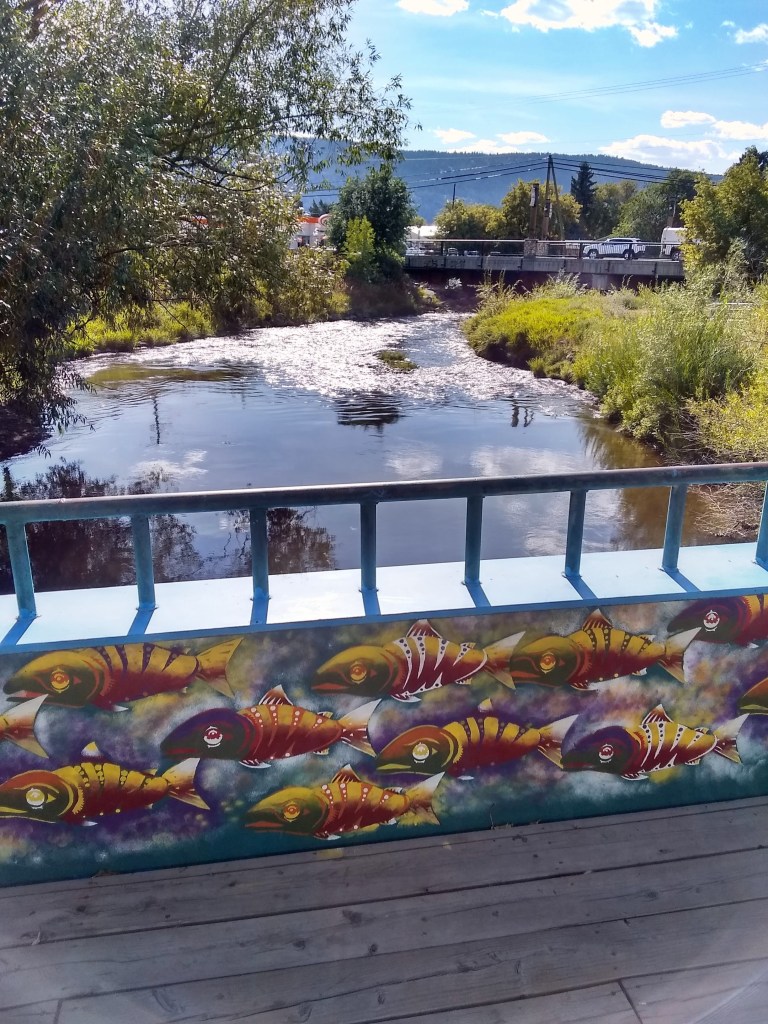
and the federal **Fisheries Act**, these waterways are often protected habitats, particularly in regions like the Nicola Valley where salmon and trout spawning are critical. Disturbing the substrate of a creek bed to rake or dig for balls can be classified as an “unauthorized change in and about a stream,” which carries heavy environmental penalties. Furthermore, modern stewardship programs in BC emphasize leaving lost balls in sensitive aquatic zones to avoid damaging banks or introducing silt into the water. If you are looking to recover balls from a creek, it is essential to ensure the area is not private property and that your activity does not disrupt the local ecosystem or violate provincial riparian protection regulations.








 Kevin Griffiths
 percypaschal
