Category: peace


October 4th..

October 4th is a date marked by several landmark moments in global history, particularly in science, politics, and the adoption of modern timekeeping systems.
Historical Milestones on October 4th
* 1582 – The Introduction of the Gregorian Calendar: Pope Gregory XIII issued a decree establishing the Gregorian calendar to correct inaccuracies in the Julian system. In Catholic countries like Spain, Portugal, and Italy, Thursday, October 4, 1582, was directly followed by Friday, October 15, skipping ten days overnight.
* 1883 – The First Run of the Orient Express: The iconic long-distance passenger train made its official maiden voyage from Paris to Constantinople (now Istanbul), linking Western Europe to the Ottoman Empire.
* 1957 – The Launch of Sputnik 1: The Soviet Union launched Sputnik 1 into low Earth orbit. As the first artificial satellite, it inaugurated the Space Age and kicked off the U.S.–Soviet Space Race.
* 1958 – France Adopts the Fifth Republic: The current Constitution of France was officially promulgated, establishing the governmental framework led by Charles de Gaulle that continues today.
* 2004 – SpaceShipOne Wins the Ansari X Prize: SpaceShipOne completed its second private suborbital spaceflight within two weeks, winning the $10 million award and proving the viability of private commercial human spaceflight.
Four Consequential Figures Born on October 4th
* Rutherford B. Hayes (born 1822)
   The 19th President of the United States (1877–1881). His election was decided by the controversial Compromise of 1877, which officially ended the Reconstruction era in the Southern states and pulled Federal troops out of the region, fundamentally shaping post-Civil War American policy and racial politics for generations.
* Buster Keaton (born 1895)


   A pioneering American actor, comedian, and filmmaker. Known as “The Great Stone Face” for his stoic expression during dangerous physical stunts, Keaton redefined visual storytelling in silent cinema with masterpieces like The General (1926) and Sherlock Jr. (1924), leaving a permanent imprint on film comedy and practical stunt work.
* Richard Sorge (born 1895)
   A Soviet military intelligence officer who operated undercover as a German journalist in Japan during World War II. Sorge provided critical strategic intelligence to Moscow, notably informing the Soviet command that Japan would not attack the Soviet Union in the East in 1941. This allowed the Red Army to reallocate forces to defend Moscow against Nazi Germany, altering the trajectory of the war on the Eastern Front.
* Kenichi Fukui (born 1916)
   A Japanese chemist who co-won the 1981 Nobel Prize in Chemistry. Fukui was the first Asian scientist to receive the award in chemistry, recognized for his groundbreaking work on the role of Frontier Molecular Orbitals in chemical reactions, which fundamentally advanced how chemical reactivity is calculated and understood.
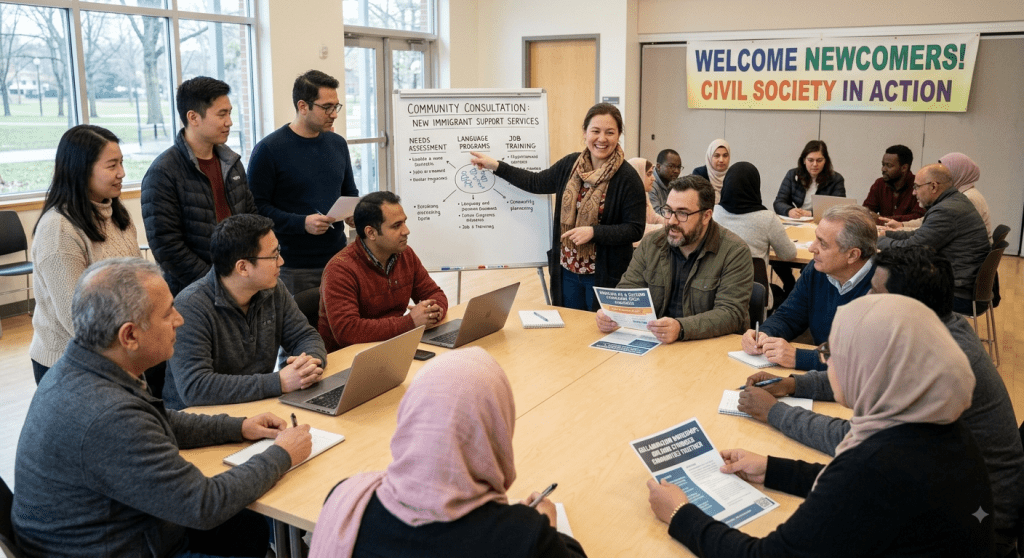
Civil groups nominate civil people.

Award October 10th

October 9th 2026:

Nobel Peace Prize

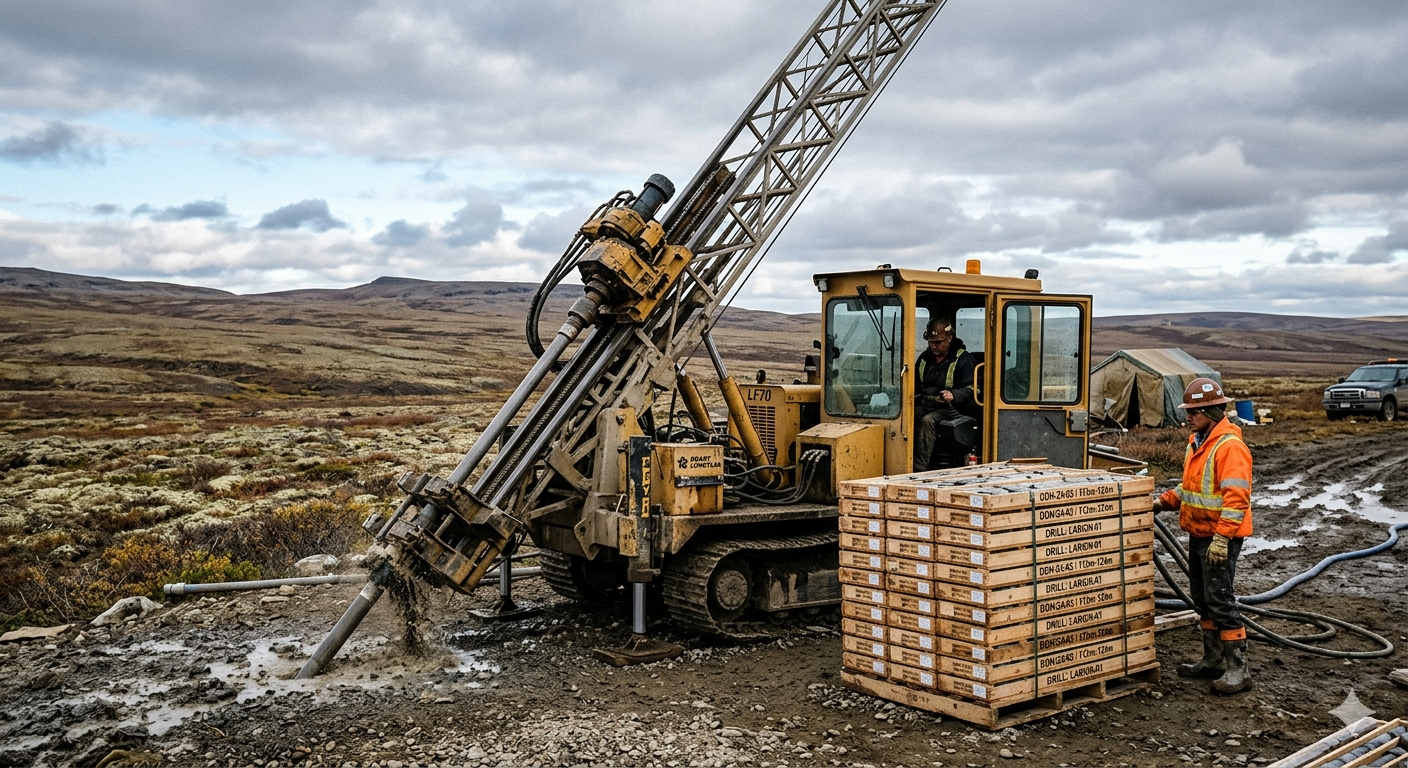
Oil politics Canada

Alberta to sell….

Private property confusion…

Section 35 to Vague?

Government money…

Tendancy to stagnation.

Representive Groups

” The amelioration of poverty” is too vague as the criteria that government intervention can be on Indian reserves.?”

The ameiliation of poverty on an Indian reserve

That specific phrase isn’t actually in the Canadian Constitution.Instead, the division of powers in Section 91(24) gives the federal government jurisdiction over “Indians, and Lands reserved for the Indians.”Canadian law does recognize the importance of programs aimed at improving the conditions of disadvantaged groups, which is often discussed in the context of Section 15(2) of the Charter of Rights and Freedoms, but that’s separate from the division of powers.

What is reconciliation mean to you? “No end in sight”…

Attractive Nuisance belongs to who?…

Advocacy available or to much available and disempowering.?

The focus seems to be on the orginal act of 1867 at this point.?

Section 15 of the Charter of rights,,

By the By there is a warning at this time about phone fraud with crooks passing of as DOJ.

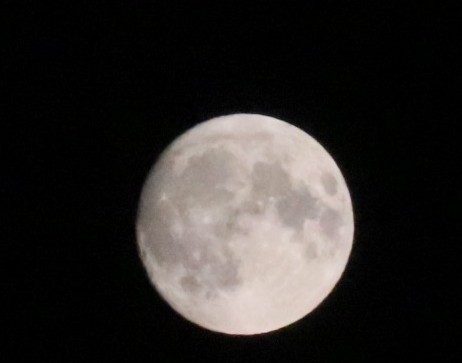
100% Full Buck moon,Merritt BC

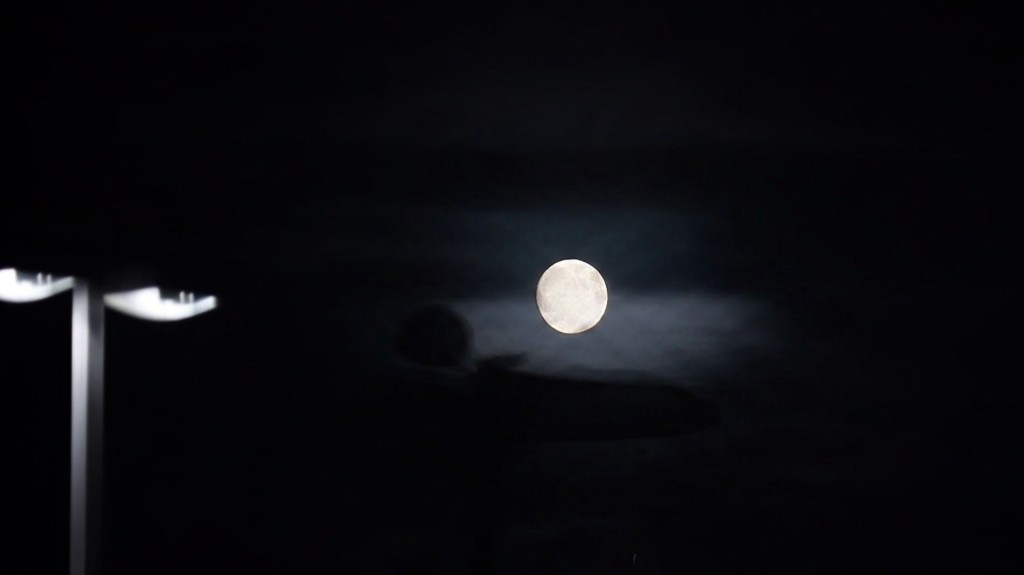
Moon over Merritt July 28th 2026

Photo: KDG

When first I felt the pain I thought why should I complain.

The answer came to prevent distain, “You are mine and I be yours”. To own all moments worth a cue.

My stay is all for you and those to which you direct. My pull to keep sense from a slumber bother.

As you sleep a curious row, my still vigil will send its flow.

Break all bonds not precise,not given for your relief. Then peace protects all stoop, when bend pushes ware.

My power is all in all a classic step. A monthly date to expect.

Full Sturgeon Moon, Friday August 28th 2026.

Have a great Month…

Soul solist

peace presence poise

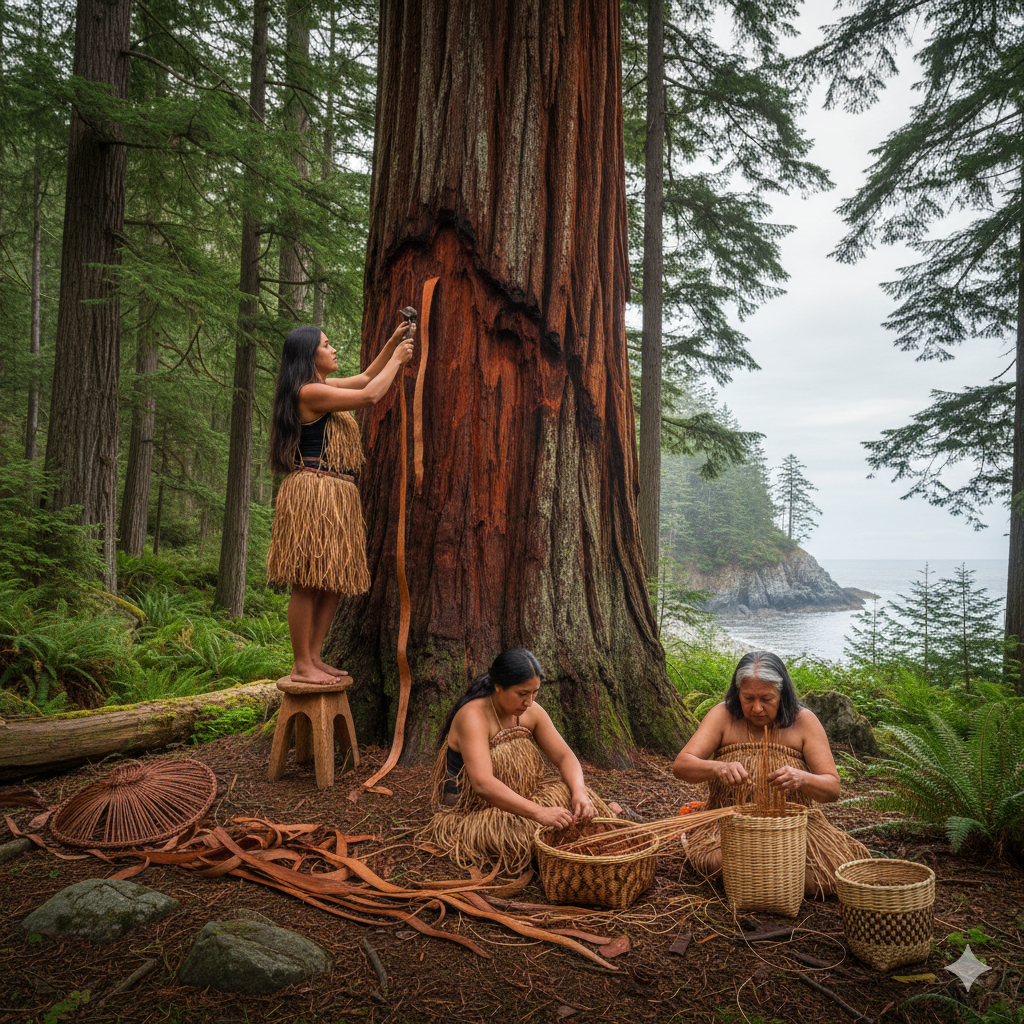
Photo: Coastal Indigeny

Season Stack

December 2025

Merritt British Columbia, had a magical, breathing, soft weather and activitys that were like musical notes, hanging off the the breath of life ☁️🌡️☁️…

Contrast the tragities so few about and a poetry of pose promised life in sweet surfice .

Sop, Saturday

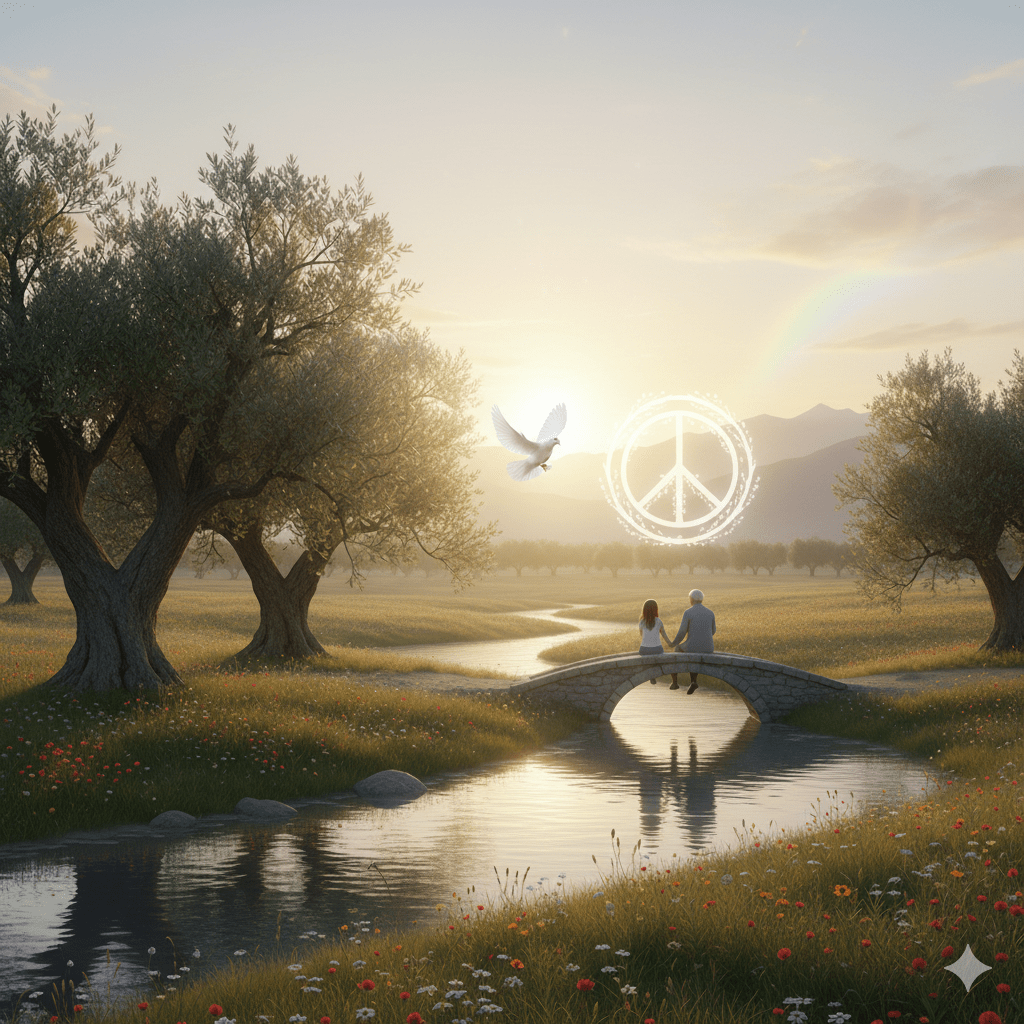
What is peace?

That’s a profound request. Peace is one of the most complex and universally desired concepts. Here is an overview of its nature, attainment, duration, allies, adversaries, and value.The Nature of PeacePeace is not merely the absence of war or conflict; it is a dynamic state of harmony, balance, and well-being. It exists on two main levels: *

Inner Peace

(or Psychological/Spiritual Peace): A state of mind where one is calm, content, and free from debilitating anxieties and emotional turmoil. It’s often found through self-acceptance and mindfulness. * Outer Peace (or Social/Global Peace): A condition in communities, nations, and the world characterized by justice, equality, respect for human rights, cooperation, and the constructive resolution of conflict.How Peace is AttainedAchieving peace is a continuous process requiring effort on both the individual and collective levels.For Inner Peace: * Mindfulness and Meditation: Practices that train the mind to stay present and observe thoughts without judgment, reducing reactivity to stress. * Acceptance: Acknowledging and accepting circumstances, both internal and external, that cannot be changed. * Forgiveness: Releasing anger and resentment toward oneself or others, which frees up emotional energy.For Outer/Global Peace: * Justice and Equality: Addressing systemic inequalities, poverty, and discrimination, as injustice is a primary root cause of conflict. * Dialogue and Diplomacy: Establishing open channels of communication to understand opposing viewpoints and negotiate solutions. * Education: Teaching empathy, critical thinking, and conflict resolution skills from a young age. *

Strong, Fair Institutions:

Creating effective legal and governmental structures that enforce laws impartially and protect human rights.The Duration of PeaceHow long peace lasts depends entirely on its foundation and maintenance. * Temporary Peace (Truce/Absence of Conflict): This can be short-lived, often only lasting as long as the underlying issues remain unaddressed. A simple ceasefire, for example, is temporary. * Durable Peace (Positive Peace): This is long-lasting because it is built on strong pillars of social justice, economic opportunity, and political stability. It’s a system where conflicts are naturally resolved without violence.Peace is not a permanent destination but an ongoing activity. It requires constant vigilance, effort, and reinvestment by all parties involved, much like maintaining a garden.Enemies and Friends of PeaceThe Enemies (Adversaries)The enemies of peace are the forces that disrupt harmony and fuel conflict: * Injustice: Unfair systems, inequality, and oppression. * Fear and Ignorance: Fear often leads to prejudice, and ignorance prevents understanding. * Greed: The insatiable desire for power, resources, or wealth, leading to exploitation and competition. * Extremism and Dogmatism: Rigid, uncompromising beliefs that reject dialogue and compromise. * Poverty: Economic deprivation that leads to desperation and vulnerability to recruitment by violent groups.The Friends (Allies)The friends of peace are the virtues and practices that sustain harmony: * Empathy and Compassion: The ability to understand and share the feelings of others. *

Tolerance and Respect:

Acknowledging the value and rights of all individuals, regardless of their differences. * Honesty and Integrity: Building trust between people and nations. * Dialogue and Diplomacy: The commitment to non-violent communication and negotiation. * Rule of Law: A system where all people and institutions are accountable to laws that are fairly enforced.The Value of PeaceThe value of peace is incalculable and serves as the foundation for all other human progress: * Enables Development: Peace allows societies to divert resources from military spending to education, healthcare, infrastructure, and scientific research. *

Fosters Human Potential:

In a peaceful environment, individuals are free from the daily struggle for survival and can focus on creativity, self-improvement, and contribution to society. * Preserves Life and Dignity: It prevents the loss of life, injury, and the widespread suffering and displacement caused by war. *

Strengthens Economy:

Stable, peaceful societies attract investment and facilitate trade, leading to economic prosperity. * Promotes Democracy and Human Rights: Peace provides the necessary stability for democratic institutions to flourish and for fundamental rights to be protected.In essence, peace is the indispensable prerequisite for a thriving, just, and humane world.