


So, creek balls belong to everybody that finds them. Or at least it’s a transaction that is so small and that is not worth an argument. However, it’s a point of matter. If retrieving balls is a boon for the environment:
I can’t see them fertilizing anything so it’s probably good to pick them out of the water and keep them and replay them and keep the production down and the recycle it up.
Unless the ball is still playable…
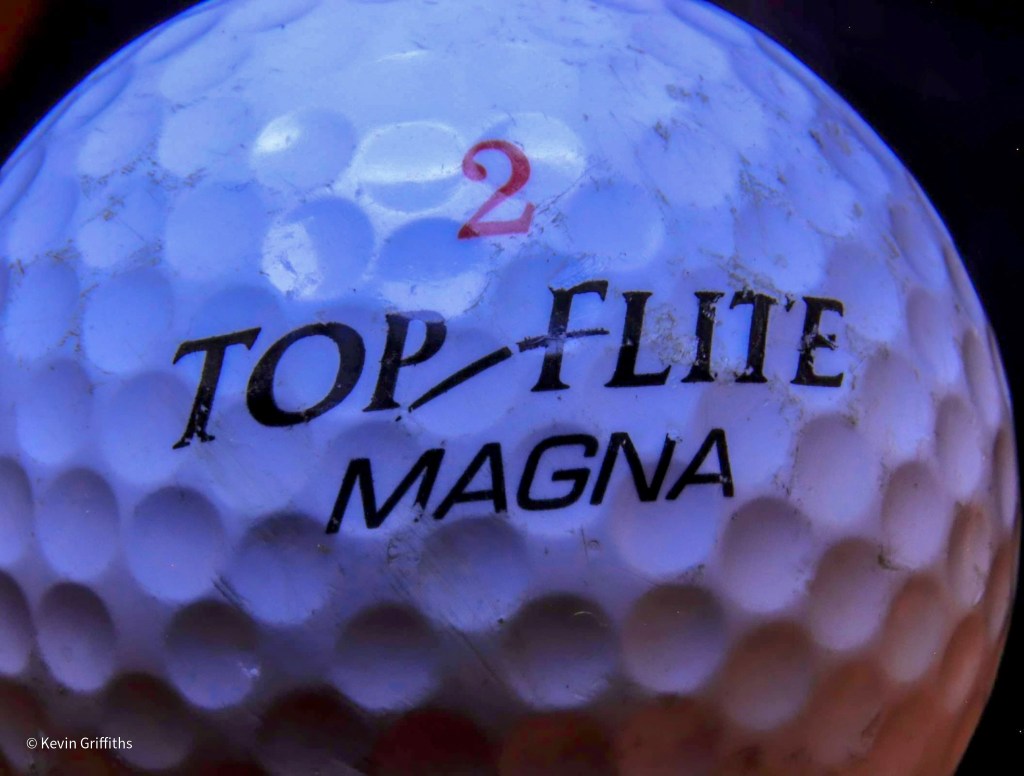
Advise on balls
In British Columbia, the legal protocol for recovering golf balls centers on property rights and trespassing laws. Legally, a golf ball remains the personal property of the golfer who purchased it, even if it is lost in a water hazard or thick brush. When a golfer abandons the search, the property right generally transfers to the golf course owner rather than the public. Entering a course to “hawk” or hunt for balls without explicit permission from the club professional or owner is considered trespassing on private land. Engaging in unauthorized retrieval can lead to legal consequences, including fines or removal from the premises, as courses often have exclusive contracts with commercial recovery divers or use the balls for their own driving ranges.When golf balls land in creeks or streams that run through or exit a course, environmental protocols become the primary concern. Under BC’s
**Water Sustainability Act**
and the federal **Fisheries Act**, these waterways are often protected habitats, particularly in regions like the Nicola Valley where salmon and trout spawning are critical. Disturbing the substrate of a creek bed to rake or dig for balls can be classified as an “unauthorized change in and about a stream,” which carries heavy environmental penalties. Furthermore, modern stewardship programs in BC emphasize leaving lost balls in sensitive aquatic zones to avoid damaging banks or introducing silt into the water. If you are looking to recover balls from a creek, it is essential to ensure the area is not private property and that your activity does not disrupt the local ecosystem or violate provincial riparian protection regulations.


 Kevin Griffiths
 percypaschal
 The Proprietor Review