You are presumed to be honest and responsible without evidence to the contrary beyond a reasonable doubt… on the balance of probablilties you are justified by 51 % likelyhood.
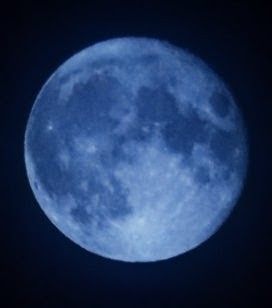
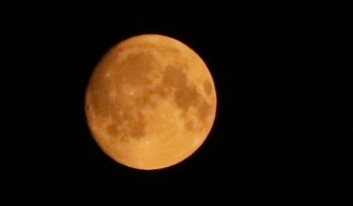
Is “Non-AI Picture” an Oxymoron?No, “non-AI picture” is not an oxymoron. An oxymoron uses two contradictory terms together (like “deafening silence”). The word “picture” is a general term for an image, and “non-AI” simply specifies that the image was created without the use of generative artificial intelligence (i.e., it was taken with a camera, drawn, painted, etc.). The phrase is commonly used today to distinguish traditional photography and art from AI-generated images.Best Recent Photo of the Harvest MoonHere is one of the best recent photographs of the Harvest Moon:
Photo KDG
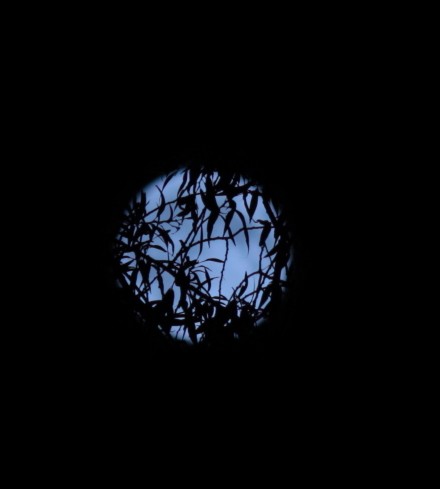
The contouring full moon will not be pink so much as the expectations of pink flowers coming as it’s namesake…
Photo KDG, April 1st 10:12 EDT will see a Pink Moon.
Paschal Moon
Makes the Easter work…
The moon will not be pink, Pink is for the color of the flowers that they’re expecting in the natural. It also has to do with fishing and a number of other things like growing grass.
Max illumination 7:12 source Pacific daylight Time…
Good Friday, Easter Sunday April 3rd and 5th….
Usually Easter Sunday is the first Sunday after the last full moon in March, That’s what makes this a Paschal Moon.
All the provinces and territories of statutory holidays for Easter in Canada.
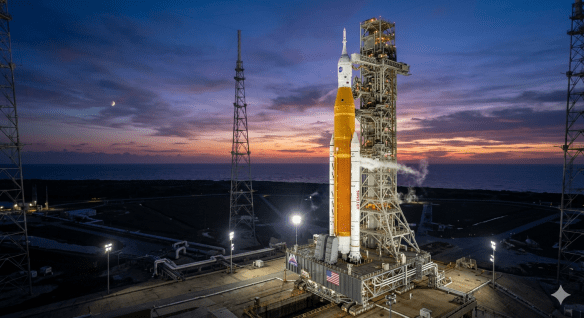
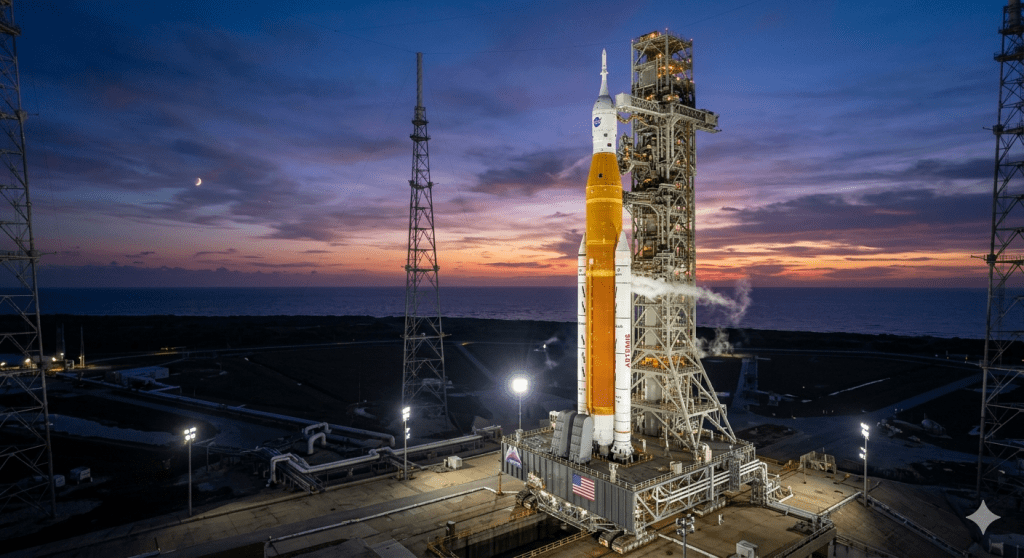
The countdown is officially on! As of today, Tuesday, March 31, 2026, Artemis II is scheduled to launch tomorrow, Wednesday, April 1, 2026.NASA and the Space Force are currently reporting an 80% chance of favorable weather for the launch. Here is the specific timing if everything stays on track:Launch Details * Target Date: Wednesday, April 1, 2026 * Launch Window Opens: 6:24 PM EDT (3:24 PM in Merritt) * Window Duration: 2 hours * Location: Launch Complex 39B, Kennedy Space Center, FloridaBackup OpportunitiesIf there is a “scrub” due to technical issues or local weather, NASA has several backup windows already lined up: * Daily backups: April 2 through April 6 * Extended backup: April 30The Mission at a GlanceThis is a historic 10-day mission that will send four astronauts—including Canadian astronaut Jeremy Hansen—on a trajectory around the far side of the moon. It’s the first time humans have left low Earth orbit since 1972.Since you’re in British Columbia, you can catch the live coverage on NASA’s YouTube channel or NASA+ starting around 9:50 AM PDT tomorrow if you want to watch the fueling process, with full broadcast coverage beginning at 9:50 AM PDT.Would you like me to find the specific streaming links or local TV listings for the launch?
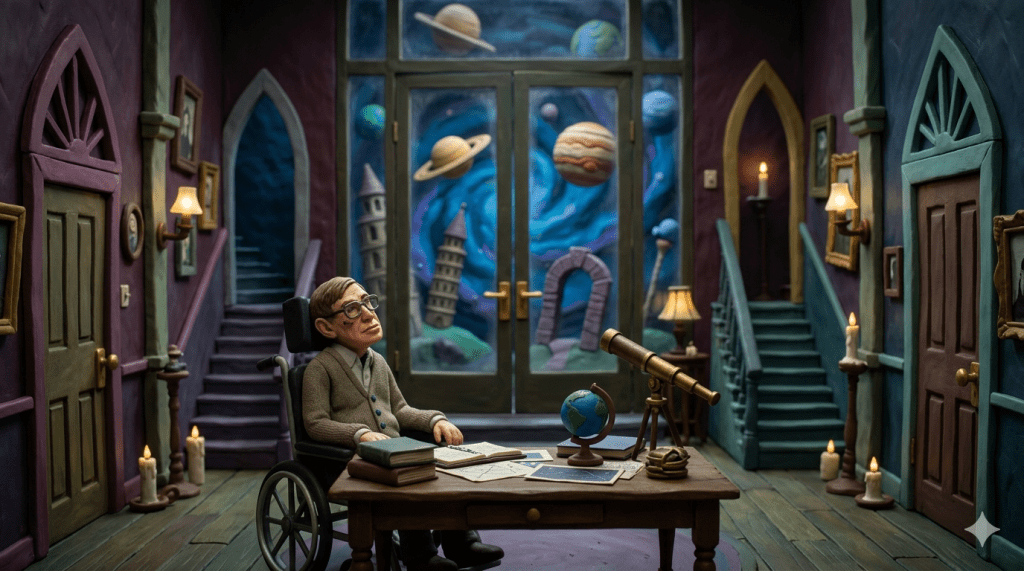
Stephen Hawking’s, the planetary scientist and the theological physicist passed away at the age of 76 a number of years ago on March 14th. So we remember him fondly today as somebody. That was very curious and was a good example for us to be curious and at the same time, productive, stable, and personable.
Since we are already halfway through the month, the first half’s events like the Quadrantids and Jupiter’s official opposition have passed. Here are four significant astronomical events occurring after January 16, 2026, that offer great scientific intrigue and visual appeal.
1. New Moon “Dark Sky” Window (January 18)
On January 18, the Moon reaches its New Moon phase, meaning it will be positioned between the Earth and the Sun and will not be visible in the night sky. * Scientific Value: For astronomers, the days surrounding a New Moon are the most critical for “deep-sky” observation. Without the interference of reflected moonlight (light pollution from space), faint objects like the Andromeda Galaxy and the Orion Nebula become visible even through standard binoculars. * What to look for: This is the best time to head to a dark-sky location to see the Milky Way’s winter arm in its full, dusty detail.
Comet Wierzchos reaches its perihelion (closest approach to the Sun) on January 20. As it swings around the Sun, the heat causes the comet’s ice to sublimate, creating a glowing “coma” and a tail of dust and gas. * Intrigue: Comets are essentially “time capsules” of the early solar system. While this specific comet is expected to be around magnitude 8 (requiring a small telescope or good binoculars), its appearance provides a real-time look at primitive solar system material. * Viewing Tip: Look low toward the southwest horizon shortly after sunset.
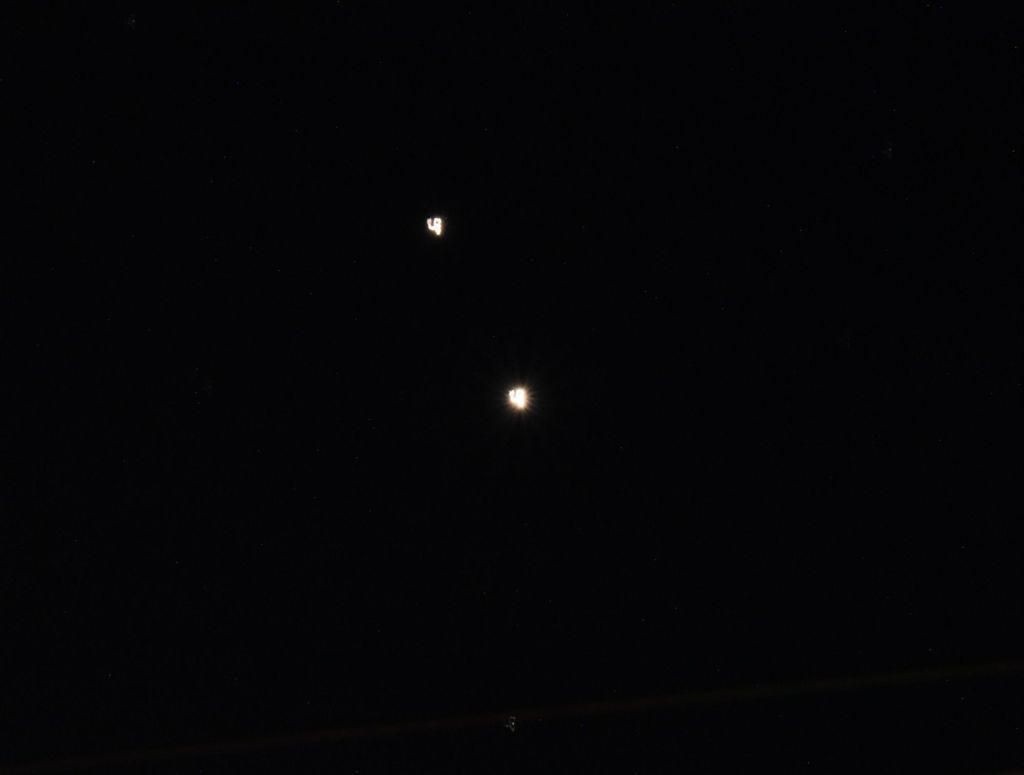
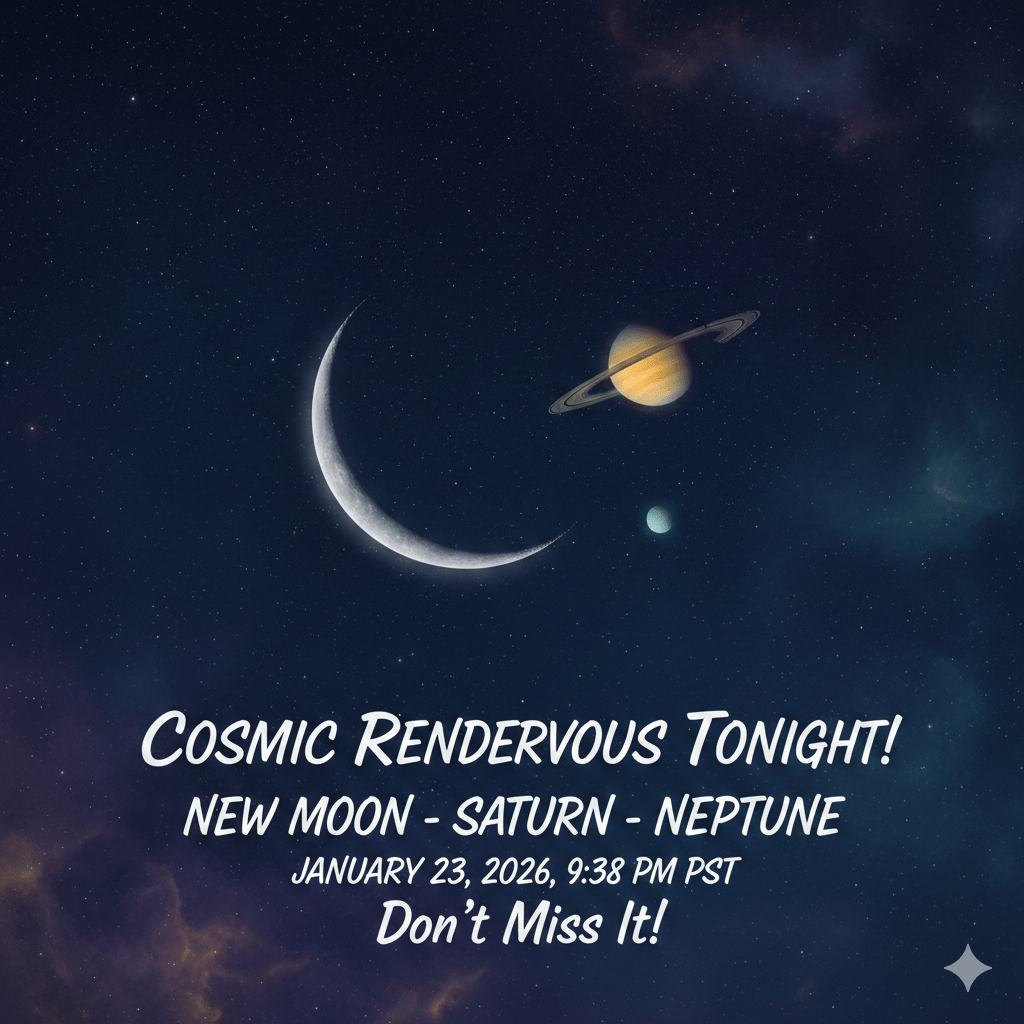
3. Conjunction of the Moon, Saturn, and Neptune (January 22–23)
On these two evenings, a thin, waxing crescent Moon will drift remarkably close to the ringed planet Saturn and the distant ice giant Neptune. * Scientific Value: These alignments (conjunctions) are perfect for “star-hopping.” Neptune is usually incredibly difficult to find because of its distance and dimness. On January 23, Saturn and the Moon act as celestial signposts, allowing amateur astronomers to point their telescopes at the exact spot needed to glimpse the tiny, blue-hued disk of the solar system’s outermost major planet.
* Visual: The “Earthshine” effect—where the dark part of the Moon is dimly lit by sunlight reflecting off Earth—will be particularly beautiful on these nights.
4. First Quarter Moon & The Pleiades (January 25–27)
As the month closes, the Moon will reach its First Quarter phase on January 25, moving steadily toward the famous Pleiades (Seven Sisters) star cluster. * Scientific Intrigue: This is a “high-contrast” period. The shadows along the Moon’s terminator line (the line between light and dark) are at their longest, making it the best time to see the staggering vertical relief of lunar mountains and the deep bowls of craters like Copernicus. * The Highlight: On the night of January 27, the Moon will appear very close to the Pleiades. This provides a stunning scale comparison between our singular, rocky Moon and a “nursery” of hundreds of young, hot-blue stars located 444 light-years away.
Would you like me to find the exact coordinates for Neptune during the January 23rd conjunction, or perhaps a guide on how to spot the Orion Nebula during the New Moon?Ai





 Kevin Griffiths
 percypaschal
