
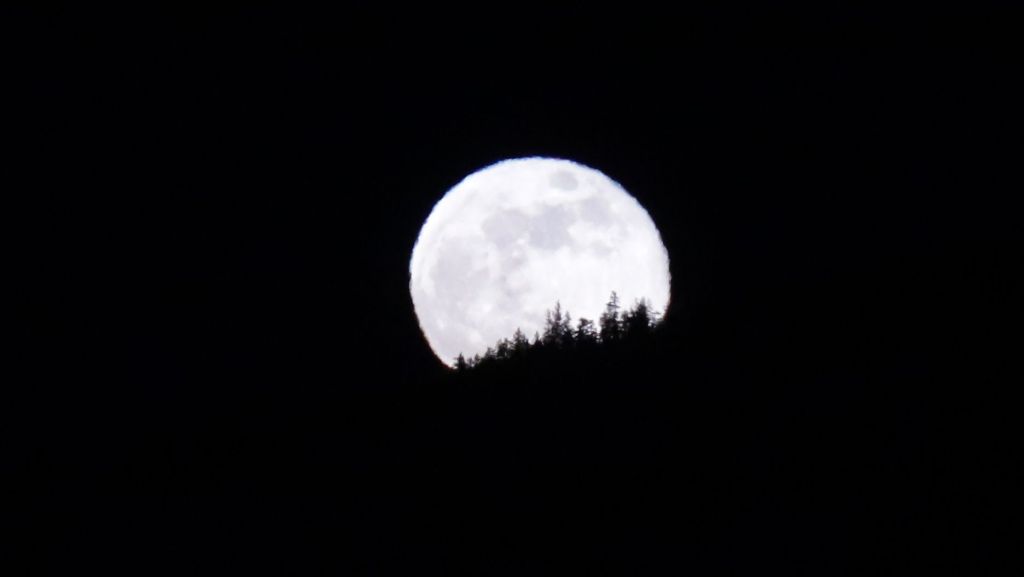
It’s going to be a great time for stargazing in Merritt, BC in February and March 2025! Here’s a rundown of the planetary skyscapes you can expect, based on information available to me:
Planets Visible in Merritt
* Venus: Will be easily visible in the evening sky, shining brightly. It will be a treat to watch!
* Mars: Should be quite visible, offering perfect viewing conditions. It will be a reddish point of light in the night sky.
* Saturn: Will be visible shortly after sunset, but may be a bit challenging to spot as it will be close to the Sun. Try to find a spot with an unobstructed view of the horizon.
* Uranus: Will be visible after sunset. You’ll likely need binoculars to see it clearly.
* Neptune: Will be fairly close to the Sun, making it difficult to see. You might need binoculars, but only use them after the sun is completely down to avoid eye damage.
Tips for Skywatching
* Find a dark spot: Get away from city lights for the best viewing experience.
* Check the weather forecast: Clear skies are essential for stargazing.
* Use a sky chart or app: These tools can help you identify planets and other celestial objects.
* Be patient: It takes time for your eyes to adjust to the darkness.
Additional Resources
* Time and Date: This website provides detailed information about celestial events, including planet rise and set times, for Merritt: https://www.timeanddate.com/
* Spot the Station: You can check this website to see if the International Space Station (ISS) will be visible from Merritt during your stargazing sessions: https://spotthestation.nasa.gov/
Remember that the exact positions and visibility of planets can change, so it’s always a good idea to check a reliable astronomy resource closer to the dates you’re interested in.
Happy stargazing!



 Kevin Griffiths
 percypaschal
 The Proprietor Review