

The future of the Arctic for sovereign shipping is a topic of significant interest, particularly as climate change continues to impact the region. Here are key points regarding this evolving landscape:
Melting Ice and Navigability
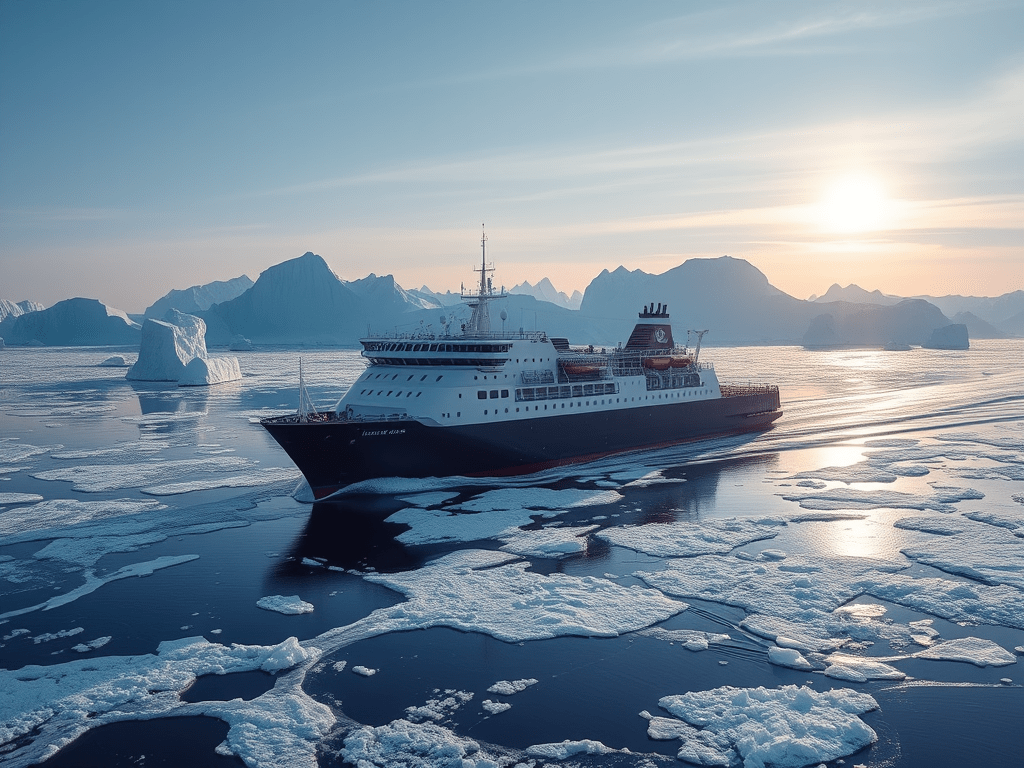
- Reduced Ice Cover: There is a trend of decreasing summer sea ice in the Arctic, which is expected to continue. This reduction opens up new shipping routes that were previously inaccessible.
- Northern Sea Route: The Northern Sea Route (NSR) along Russia’s northern coast is becoming more viable for commercial shipping, potentially shortening travel times between Europe and Asia.
- Transpolar Route: The Transpolar Sea Route could provide an alternative path across the Arctic Ocean, further enhancing shipping options.
Implications for Shipping
- Economic Opportunities: The opening of these routes presents economic opportunities, including reduced shipping costs and increased access to natural resources in the Arctic.
- Environmental Concerns: Increased shipping activity raises concerns about environmental impact, including oil spills, pollution, and disturbances to marine ecosystems.
- Sovereignty and Regulations: As the Arctic becomes more navigable, issues of sovereignty and maritime law will come to the forefront. Countries will need to establish regulations to manage shipping traffic and protect the fragile environment.
Future Projections
- Continued Ice Melt: Predictions indicate that by mid-century, summer sea ice may dwindle significantly, impacting traditional shipping patterns.
- Technological Advancements: Innovations in ship design and navigation systems may make Arctic shipping safer and more efficient, allowing for better handling of environmental risks.
In conclusion, while the Arctic presents new horizons for sovereign shipping with reduced ice in summer, careful consideration and management will be essential to balance economic benefits with environmental protection and geopolitical stability.



 Kevin Griffiths
 percypaschal
 The Proprietor Review