

TGIF
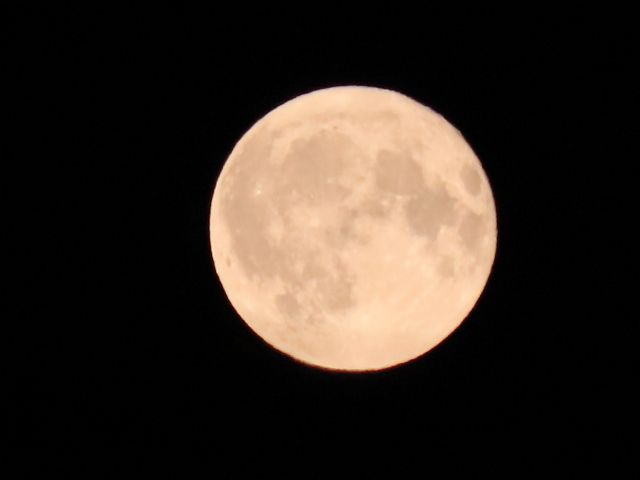
The full moon on July 10th, 2025 is known as the Buck Moon. Here’s a breakdown of what makes it special:
Why “Buck Moon”?
This traditional name comes from Native American folklore, as July is typically the time of year when male deer (bucks) begin to regrow their antlers, which shed annually. These new antlers symbolize strength, growth, and regeneration.
Key Characteristics of the July 10th, 2025 Full Moon:
* Peak Illumination: The Moon reaches its peak illumination around 4:37 PM EDT / 1:37 PM PST on July 10th. While it’s full during daylight hours for much of North America, the best viewing will be after sunset when it rises in the eastern sky.
* Low-Riding Moon: This year, the Buck Moon will appear exceptionally low in the sky, particularly for observers in the Northern Hemisphere. This is due to a combination of factors:
* Close to Aphelion: The Earth is near its aphelion (the point in its orbit farthest from the Sun) in July.
* Major Lunar Standstill Effect: This full moon coincides with a “Major Lunar Standstill,” a phenomenon that occurs every 18.6 years and exaggerates how high or low the Moon appears in the sky.
* Appearance: Because it’s so low on the horizon, the moon may appear larger and have a captivating orange or golden hue at moonrise due to atmospheric effects.
* Astrological Significance: In astrology, this full moon falls in the sign of Capricorn. This alignment is said to bring a focus on grounding, purpose, and releasing old patterns to make way for new growth and transformation. It’s considered a time for reflection and connecting with one’s inner wisdom.
* Other Names: Besides Buck Moon, it’s also known by other names in different cultures, including:
* Thunder Moon: Due to the frequent thunderstorms during midsummer.
* Salmon Moon: Reflecting the seasonal migration of salmon.
* Hay Moon: As farmers gather animal feed.
Viewing Tips:
* Time: Begin observing 30-60 minutes after local sunset for the best visibility.
* Location: Choose a spot with a clear view of the southeastern horizon, ideally away from city lights to minimize light pollution. Elevated areas, beaches, or rural locales are ideal.
* Equipment: The Buck Moon is visible to the naked eye, but binoculars or a small telescope can enhance views of lunar details like craters.
This July 10th full moon offers a unique opportunity for skywatchers to enjoy a truly spectacular celestial event, with its unusual low-riding appearance and traditional significance.
Viewing time
The moon will appear full for a couple of more days.



 Kevin Griffiths
 percypaschal
 The Proprietor Review