

SOU
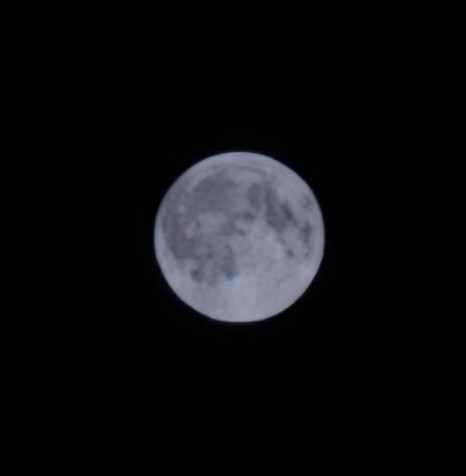
Photo KDG
The “Man in the Moon” phase is a popular way to describe the appearance of the full moon, where the dark patches on the moon’s surface create an illusion of a face. This optical illusion is due to the arrangement of lunar maria, which are large, dark basaltic plains formed by ancient volcanic eruptions.
Characteristics of the Full Moon Phase
- Full Moon Appearance: During this phase, the moon is fully illuminated by the sun, making it appear bright and round in the night sky. The “Man in the Moon” is most recognizable during this time.
- Lunar Maria: The darker areas that contribute to the “face” are called maria (Latin for “seas”), named by early astronomers who mistook them for actual seas. The largest of these are the Sea of Tranquility, the Sea of Serenity, and the Sea of Storms.
- Cultural Significance: The concept of seeing a face on the moon has inspired countless myths, stories, and artwork across various cultures. Many civilizations have associated it with deities, legends, and folklore.
- Scientific Interest: The full moon is also a time of significance for scientists studying lunar geology and the effects of moon phases on both human behavior and natural phenomena on Earth.
The “Man in the Moon” serves as a reminder of our connection to the cosmos and continues to spark imagination and curiosity about the natural world.



 Kevin Griffiths
 percypaschal
 The Proprietor Review