

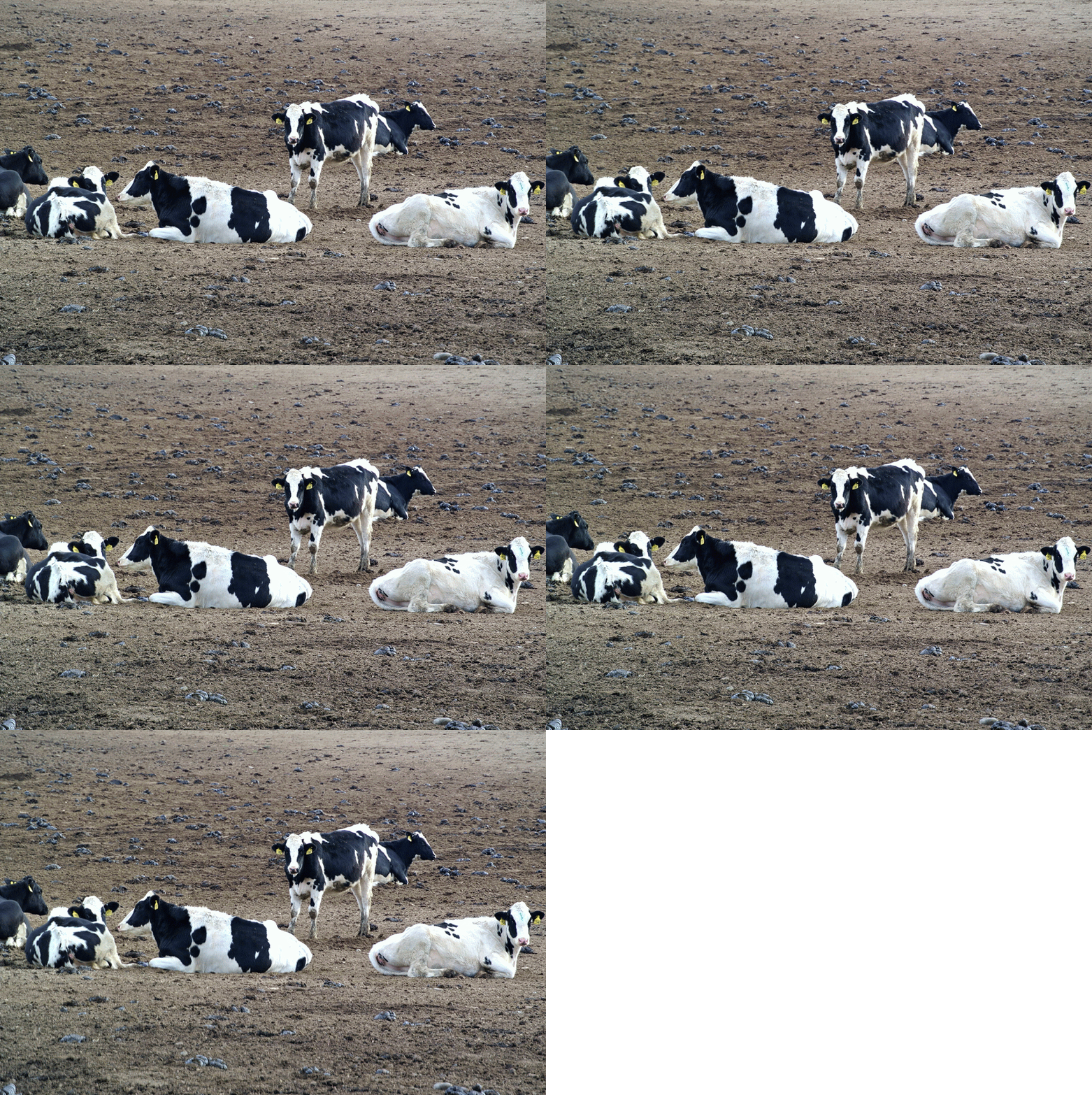
Milk cows Photo KDG

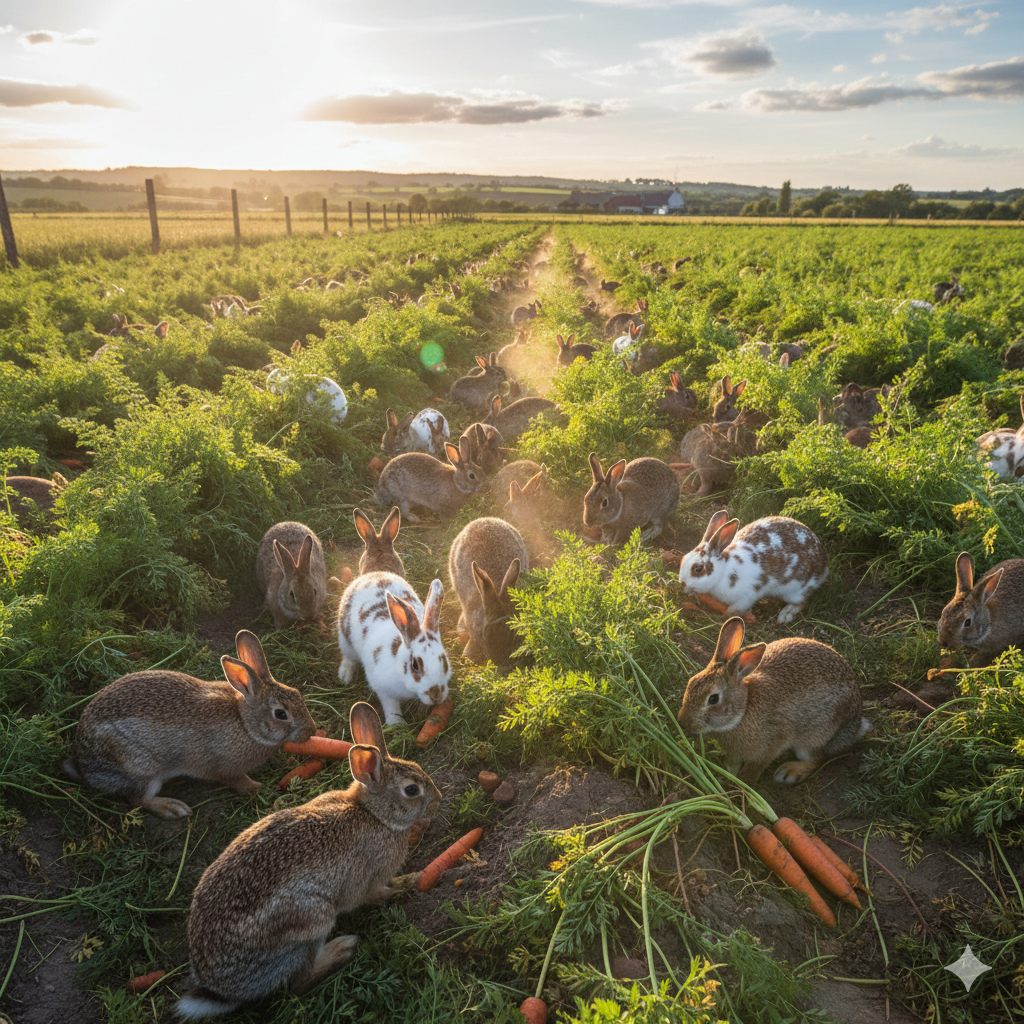
Biodiversity refers to the variety and variability of life on Earth. It encompasses all living organisms, including plants, animals, fungi, and microorganisms, along with the ecosystems they form and the genetic diversity within species. Biodiversity is typically classified into three main levels:
- Genetic Diversity: This involves the variation of genetic information within individual species, which can affect their adaptability, survival, and reproduction.
- Species Diversity: This represents the variety of species within a given ecosystem or on the planet as a whole. A higher number of different species often leads to more resilience and stability in ecosystems.
- Ecosystem Diversity: This relates to the different habitats, communities, and ecological processes within environments. Ecosystems can range from forests and deserts to rivers and coral reefs, each harboring unique species and interactions.
Biodiversity is crucial for ecosystem health and functioning, providing essential services such as pollination, nutrient cycling, climate regulation, and the support of food webs. Additionally, it is vital for human well-being, contributing to food security, medicine, and cultural identity.
Its Science…



 Kevin Griffiths
 percypaschal
 The Proprietor Review