

Three Monday children,
Since you mentioned you’d like to bookmark these topics and take the word “dive” under advisement, let’s take a focused look at three historical figures born on a Monday.Interestingly, while history often remembers the “success,” the rhetoric surrounding these figures during their lives was often much more turbulent than the legends we know today.
1. Sir Isaac Newton

Born:
Monday, December 25, 1642
(Old Style)Newton is the architect of modern physics, yet his life was defined by deep isolation and a temperament that many found “prickly.” * Successes: He formulated the laws of motion and universal gravitation, co-invented calculus, and revolutionized our understanding of light and optics.
* Troubles:
Newton was born premature and fatherless. He was notoriously insecure and spent years embroiled in bitter “priority disputes”—most famously with Gottfried Wilhelm Leibniz over who invented calculus. He suffered two nervous breakdowns and spent much of his later life obsessed with alchemy and secret biblical codes.
* The Rhetoric:
During his time, he was often viewed as a hermit-like genius. While peers respected his intellect, they feared his wrath. Modern historians often discuss his rhetoric as being “autocratic,” as he used his position as President of the Royal Society to essentially “erase” his rivals from the scientific record.
2. Harriet Tubman
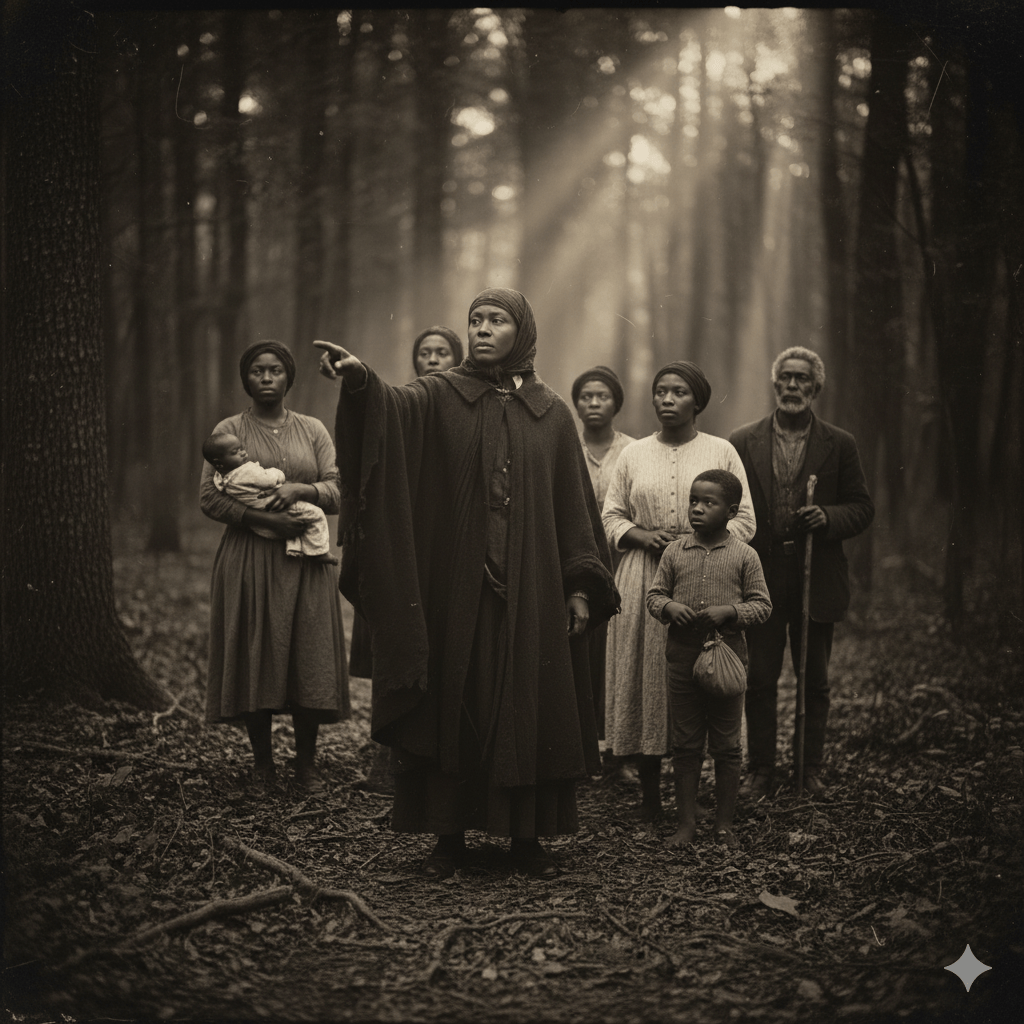
Born: Monday, March (Estimated), 1822 Born into the horror of slavery, Tubman became the most famous “conductor” of the Underground Railroad. * Successes: She personally led approximately 70 enslaved people to freedom without ever losing a “passenger.” During the Civil War, she was a scout, spy, and the first woman to lead an armed assault (the Combahee River Raid), which liberated over 700 people.
* Troubles:
As a teenager, she suffered a traumatic head injury when an overseer threw a heavy metal weight at another person but hit her instead. This caused lifelong seizures, severe headaches, and narcoleptic episodes (which she interpreted as religious visions). She lived much of her post-war life in poverty, struggling to receive the government pension she was owed for her military service. * The Rhetoric: In the South, the rhetoric labeled her a “thief” and a high-value fugitive with a massive bounty on her head. Conversely, among abolitionists, she was called “Moses,” a rhetorical framing that elevated her from a fugitive to a divine liberator.
3. Alan Turing
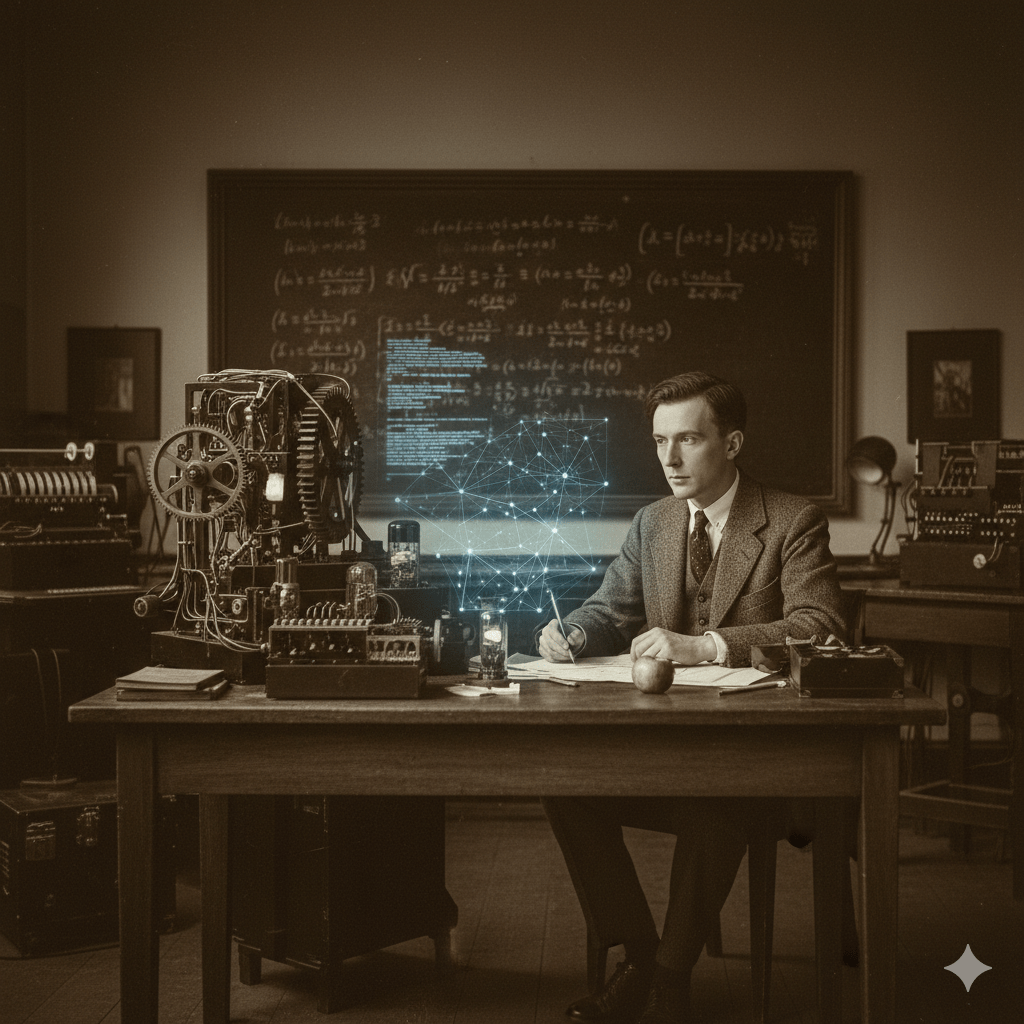
Born: Monday, June 23, 1912
Turing is the father of theoretical computer science and artificial intelligence, yet his country repaid his genius with persecution. *
Successes:
He provided the theoretical framework for the modern computer (the Turing Machine). During WWII, his work at Bletchley Park cracking the German Enigma code is estimated to have shortened the war by at least two years, saving millions of lives.
* Troubles:
In 1952, Turing was prosecuted for “gross indecency” because he was gay. He was forced to choose between prison or chemical castration via estrogen injections. He chose the latter, which caused profound physical and emotional distress. He died of cyanide poisoning two years later, ruled a suicide.
* The Rhetoric:
During his life, the official rhetoric transformed him from a hidden war hero (whose work was Top Secret) to a “security risk” and a criminal. It wasn’t until 2013 that he received a posthumous Royal Pardon, shifting the national rhetoric from condemnation to a formal apology for “appalling” treatment.Would you like me to find more historical figures born on a specific day of the week, or perhaps generate an image of one of these individuals in their element?



 Kevin Griffiths
 percypaschal
 The Proprietor Review