

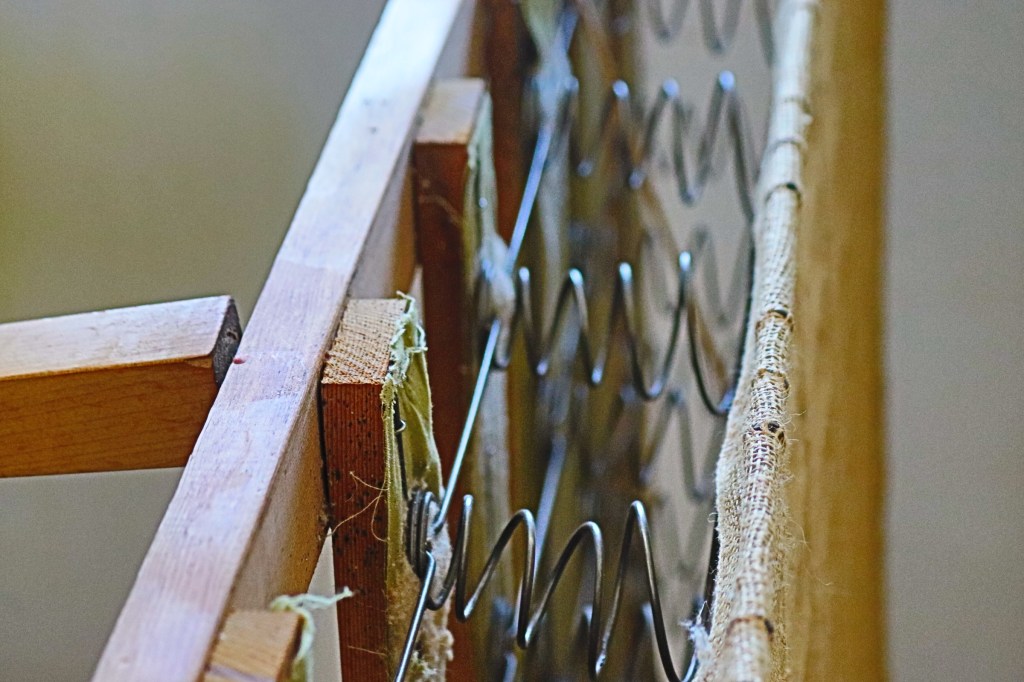
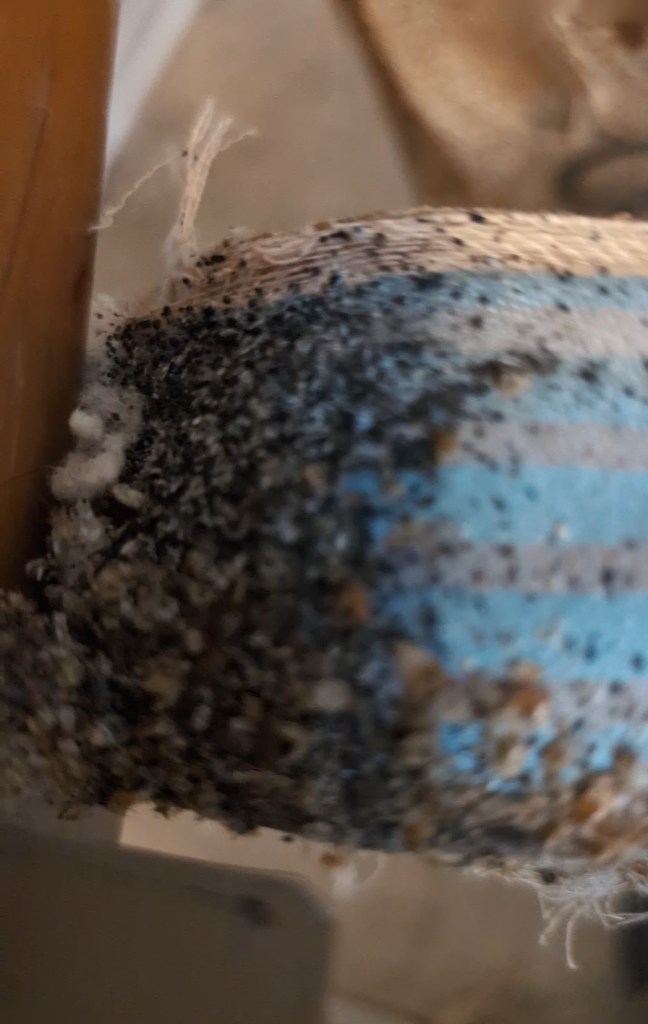
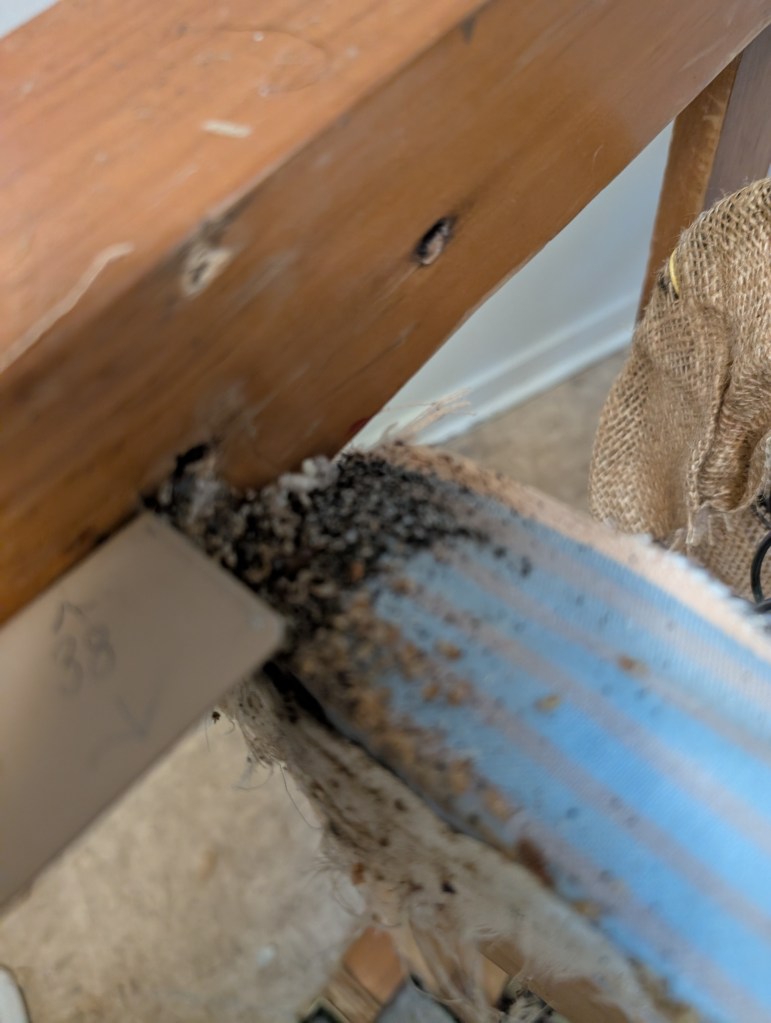
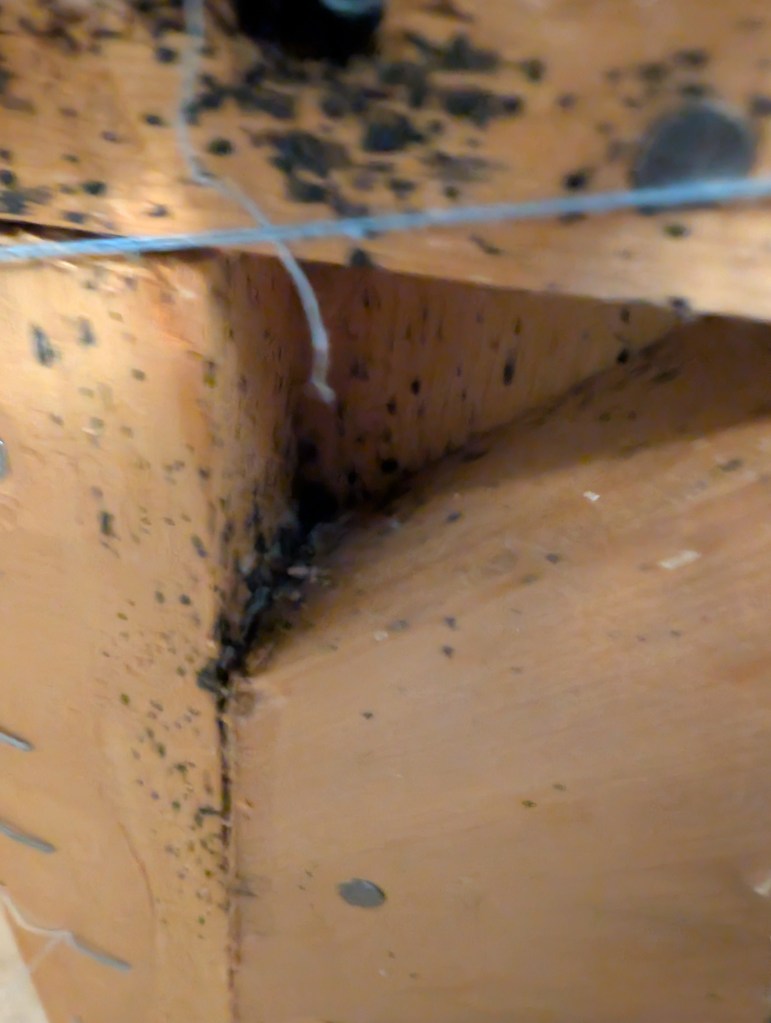



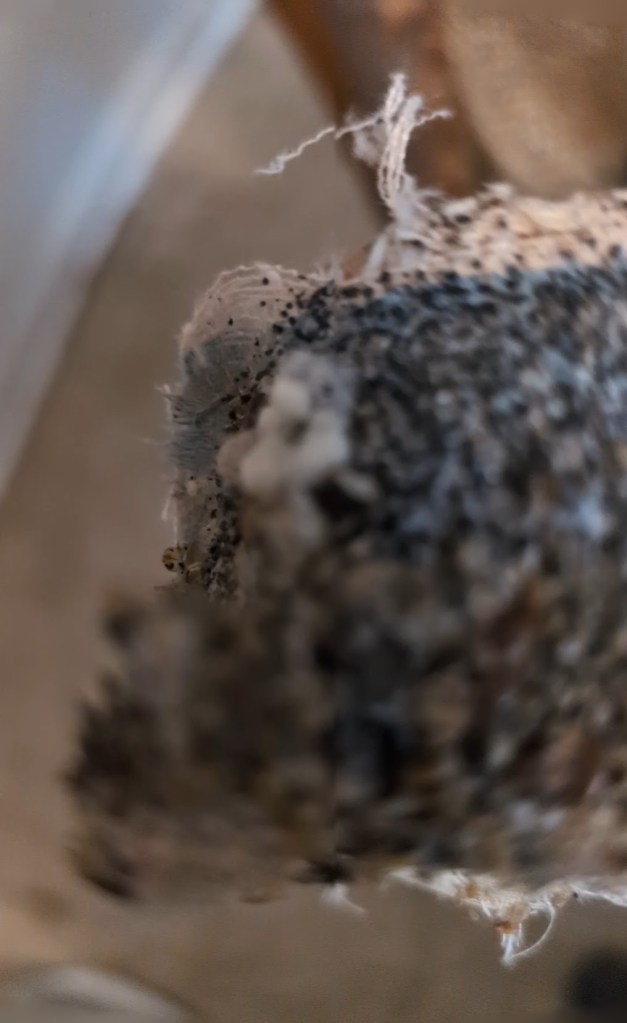
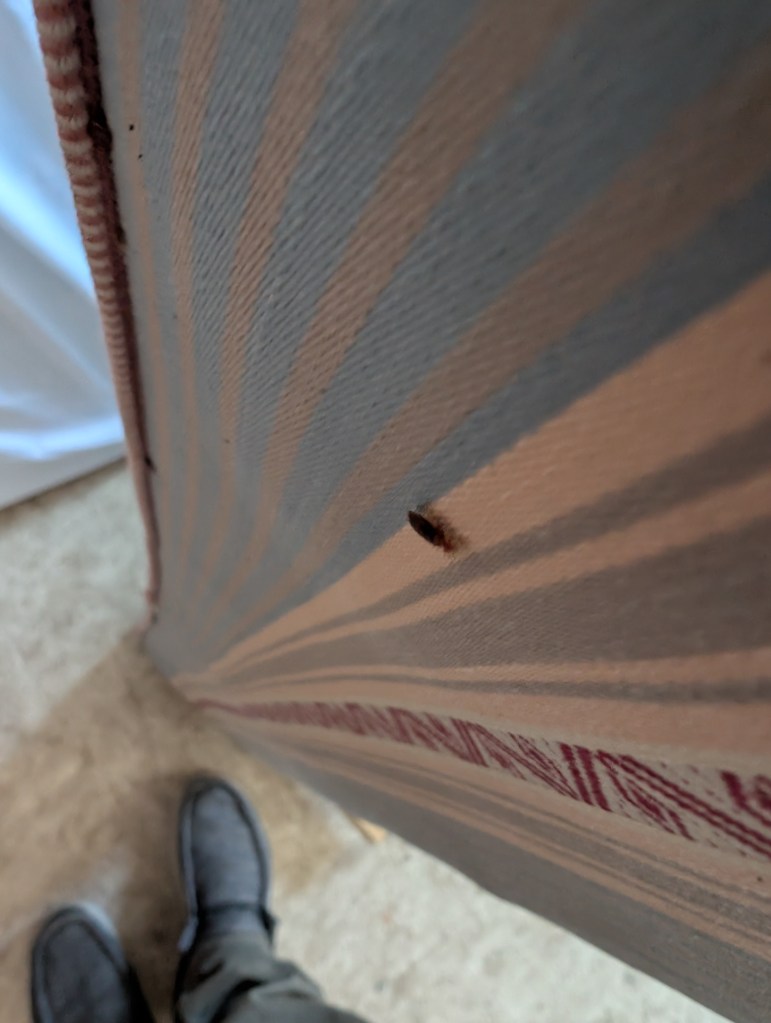
There’s a few things you can do if you get these creatures. Sleeping with your clothes on doesn’t help.
Using a hair dryer on where they might have laid eggs helps pulling your furniture back. Especially your bed from the wall helps! These creatures like vertical climbs that’s the way they go and putting under your bed legs a bowl or some sort of element that can frustrate them. Will keep them off your bed and they’re only there for your blood.
There’s a debate on whether you should squeeze them dead when you catch them, cuz if they’re big enough to be seen. They’ve got a lot of blood in them and there’s pheromones in that either attract or deter them depending on who you talk to.
You can kill them in your bedding by washing your bedding in hot water and drying it in at the hottest temperatures.
University of Malaysia murder suspects..
Penang
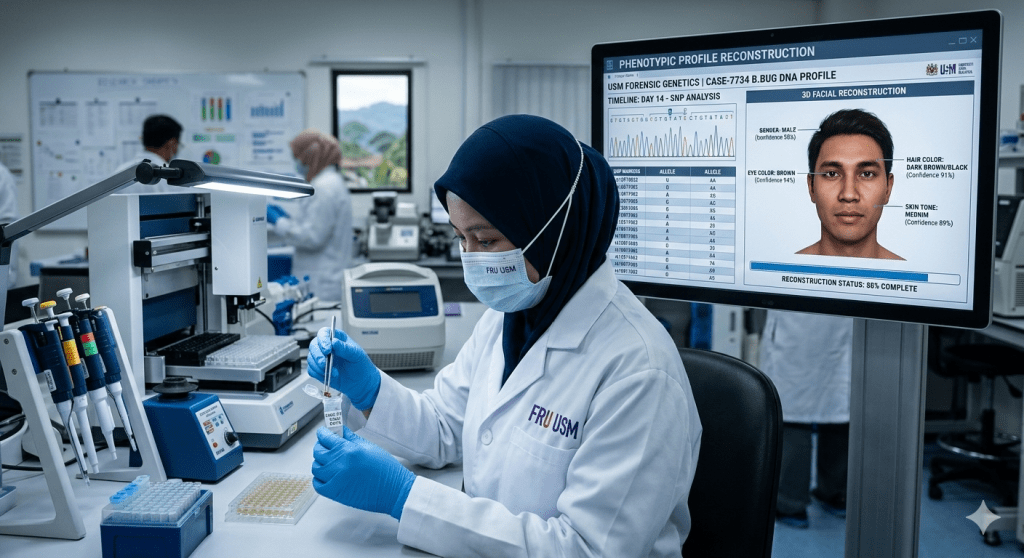
Recent research from the Science University of Malaysia (USM) in Penang has highlighted a fascinating, if slightly unsettling, breakthrough in forensic science:
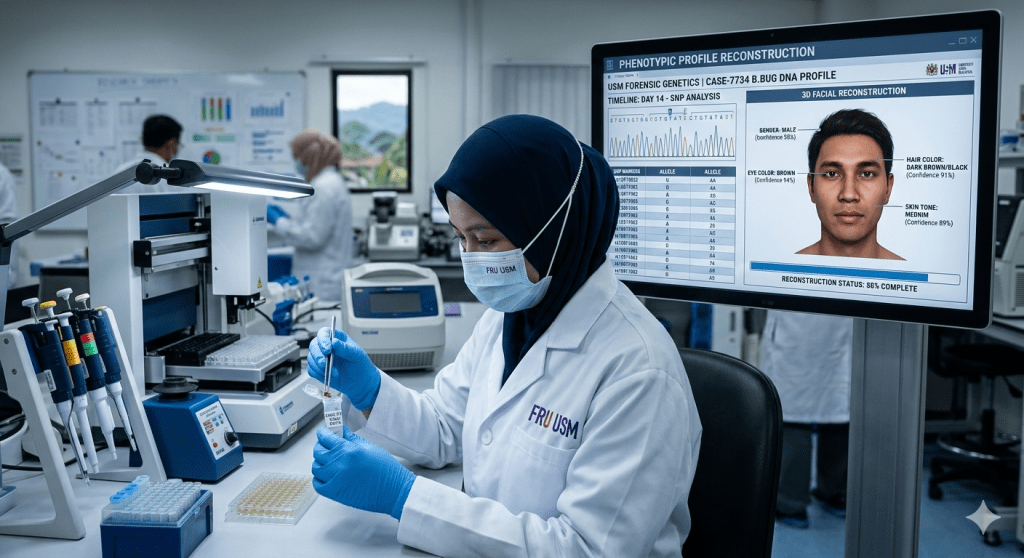
The use of tropical bed bugs (Cimex hemipterus) as “crime scene spies.”The research, led by entomologist Assoc. Prof. Dr. Abdul Hafiz Ab Majid, suggests that because bed bugs stay within 20 feet of their feeding site and cannot fly, they act as tiny, localized biological reservoirs for human DNA.1. How the DNA is Extracted and IdentifiedWhen a person (victim or suspect) is bitten, the bed bug ingests a small amount of blood (about 1.5 to 5.3 microliters). Forensic scientists can then: * Crush the bug to extract the blood from its gut. * Use STR (Short Tandem Repeat) Analysis: This is the standard DNA profiling used in crime labs to match a specific individual. * Use SNP (Single Nucleotide Polymorphism) Analysis: This allows for “phenotypic profiling.” Even if a direct match isn’t found in a database, scientists can determine the person’s gender, eye color, hair color, and skin tone.2. How Long Does the DNA Last?The timeline for DNA viability inside a bed bug is critical for investigators. According to the Malaysian study: * Immediately after feeding (Day 0): A full genetic profile can be recovered. * Up to Day 5: Approximately 70% of the DNA markers (STRs) remain intact, which is usually enough for a definitive identification. * Up to Day 45: This is the outer limit. While the DNA has significantly degraded by this point, researchers can still retrieve partial profiles—often enough to determine physical traits like hair and eye color.3. Why Use Bed Bugs?In Malaysia, they refer to bed bugs as musuh dalam selimut (“the enemy in the blanket”). They are considered superior to mosquitoes for forensics because: * They stay put: A mosquito might bite a suspect and then fly a mile away. A bed bug will hide in a mattress seam or headboard crack within the same room. * They are survivors: They can live for months without another meal, effectively preserving the evidence of the last person they bit. * Hard to clean: While a criminal might wipe away bloodstains or fingerprints, they rarely think to search the crevices of a bed frame for tiny insects that may have bitten them while they were waiting or sleeping at the scene.This technique is particularly useful in cases where a suspect has occupied a “hideout” or hotel room for a short period.Would you like me to find more details on the specific 2024–2025 updates to this research, or perhaps a different forensic entomology topic?
The enemy in the blanket
 By the way it bit it when without an itch.
Inject by stealth a quick ansetic.
Done buy breakfast, lunch and supper.
All three marks did strike red. and walked away with dread
A detective that only works by  night
And then by day hides in fright but for 45 days keeps your picture ready to post.K

Silent Witness
In Malaysia, the term musuh dalam selimut (the enemy in the blanket) has taken on a literal forensic meaning. As of early 2026, researchers at Universiti Sains Malaysia (USM) in Penang have solidified their findings that the tropical bed bug (Cimex hemipterus) is a near-perfect “silent witness” for solving crimes.Here is the breakdown of the latest forensic data on how these bugs are being used:1. The “DNA Reservoir” EffectBed bugs are essentially tiny, walking vials of evidence. Unlike mosquitoes, which can bite a suspect and fly a mile away, bed bugs are geographically restricted. They typically move no more than 6 meters (20 feet) from their feeding site.If a suspect or victim is bitten in a specific room, the bug—and the DNA inside it—stays in that room.
2. DNA Identification
TimelinesThe USM study, led by Assoc. Prof. Dr. Abdul Hafiz Ab Majid, established exactly how long the “clock” runs on this biological evidence: * Day 0 (Immediate): Investigators can recover a 100% complete genetic profile. This includes both STR (Short Tandem Repeat) markers for direct identification and SNP (Single Nucleotide Polymorphism) markers for physical traits.
* Day 5 to 14: The success rate for a full profile remains high. By Day 14, researchers still see a 66.67% success rate in identifying the blood as human and linking it to a specific individual.
* Up to Day 45:
This is the current scientific limit. While the DNA is heavily degraded, it is still sufficient for phenotypic profiling. Even without a direct match in a database, scientists can determine the person’s: * Gender * Eye Color * Hair Color * Skin Tone3. “Arbitrary” or Hidden EvidenceIn cases of “clean” crime scenes—where a suspect has wiped away fingerprints or used bleach to destroy bloodstains—bed bugs are often overlooked.
* The “Spy” in the Crevice: Because bed bugs hide in headboard cracks, mattress seams, and even electrical outlets, they often survive a suspect’s attempt to sanitize a scene.
* Mixed Profiles:
Recent 2025/2026 updates show that field-collected bugs often contain mixed DNA profiles, meaning they can provide a timeline of everyone who has stayed in a hideout or hotel room over the past month.
4. Legal Status (2026 Update)
While the science is now robust, USM researchers are currently working to have these protocols validated for courtrooms. As of early 2026, bed bug DNA is primarily used as an investigative lead rather than primary evidence in Malaysian courts, helping police narrow down suspects in complex murder cases where traditional biological traces are missing.
Next Step:AI
I can provide more detail on phenotypic profiling—specifically how they reconstruct a person’s face from just the speck of blood inside an insect. Would you like me to look into that?
Maybe another day…
.



 Kevin Griffiths
 percypaschal
 The Proprietor Review