
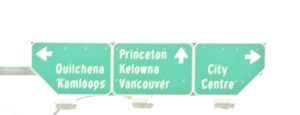
New federal inputs…
This input is prevoked by unidentified sources saying that Recent Federal activity may cause a signage flurry. Safe and defensive driving remains your primary duty. Be calm and carry on…
Bigger Fines

Remember Claire Newman
Merritt City Councillor, Deceased
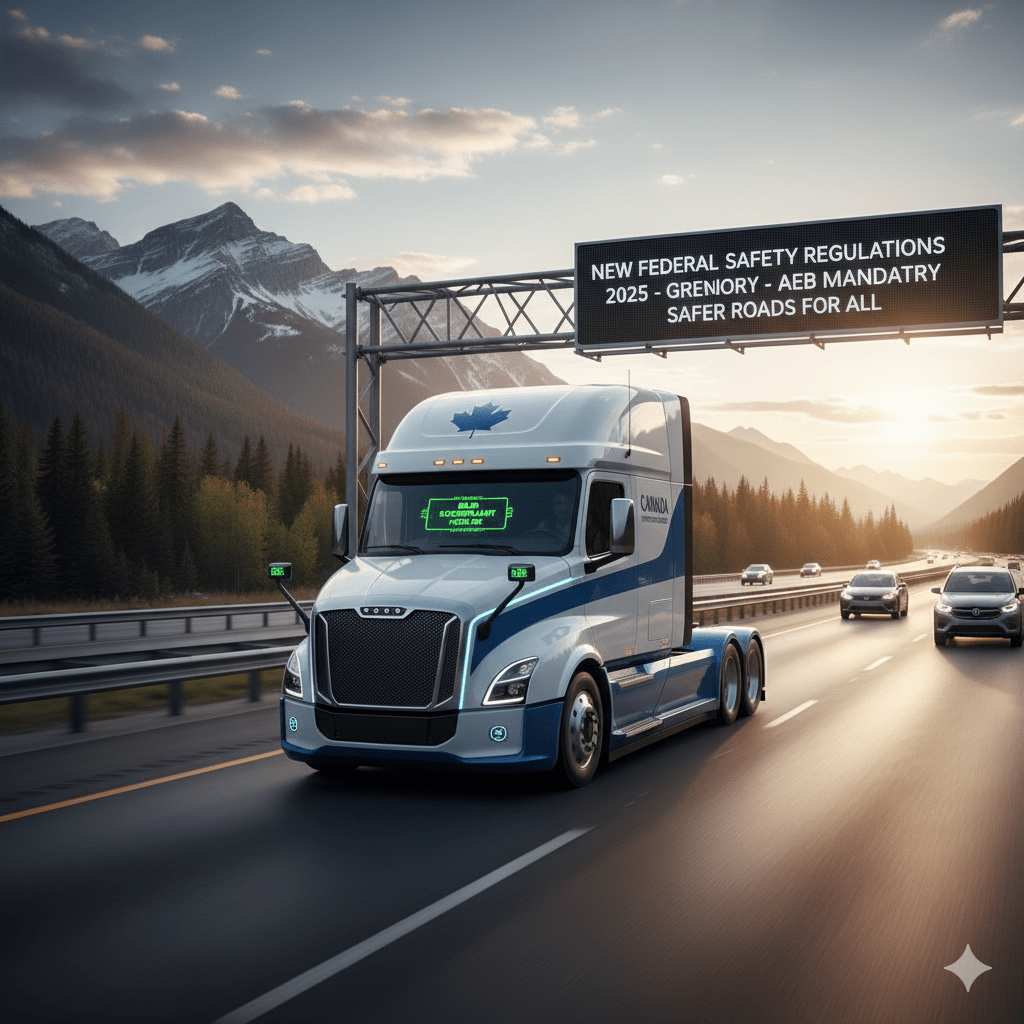
The landscape of traffic and road safety regulations in Canada involves a distinct division of powers between the federal, provincial, and territorial governments.Federal Traffic Regulations for 2025 (Potential and Confirmed)While some sources circulated claims of a “New Canada Driving Law 2025” with wide-ranging changes, official government sources indicate that many day-to-day traffic rules remain under provincial jurisdiction.The federal government’s role, through Transport Canada, primarily focuses on areas like: * Vehicle Safety Standards (Motor Vehicle Safety Act): * **Advanced Driver Assistance Systems (ADAS): New federal regulations are mandating that all newly manufactured vehicles (light and heavy) include specific safety technologies like Automatic Emergency Braking (AEB) and, potentially, other systems like lane-keeping assistance and adaptive cruise control. *
School Bus Safety:
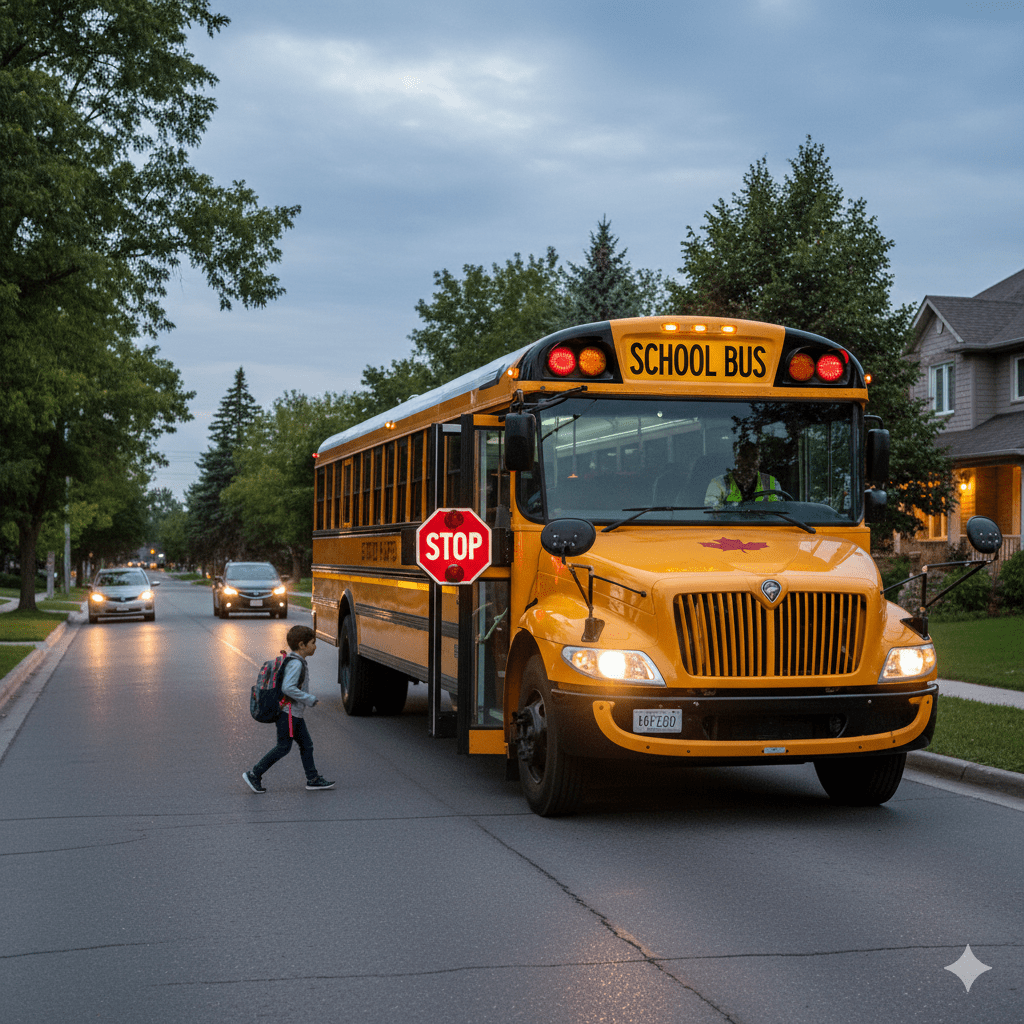
Proposed regulations include mandating extended stop arms and exterior vehicle perimeter visibility systems on all newly manufactured school buses. * Recall Information: New regulations may require designated vehicle companies to provide a free web-based service for consumers to look up vehicle-specific recall information using their VIN. * Commercial Vehicle Regulation (Interprovincial/Territorial Carriers): * Electronic Logging Devices (ELDs): Regulations require federally regulated commercial carriers (those crossing provincial/territorial borders) to use certified ELDs to track driver Hours of Service (HOS). Updates to this may include a transition to third-generation ELDs. * Hours of Service (HOS) Rules: Updates to HOS regulations for commercial drivers (e.g., specific break requirements) are implemented at the federal level to reduce fatigue-related risks. * Criminal Law: * The Criminal Code of Canada governs serious driving offenses like Impaired Driving (alcohol or drug-related) and Dangerous Driving. Any changes to the BAC limits or impaired driving penalties are made at the federal level, applying nationwide.How the Federal Government Implements Regulations with Limited Direct JurisdictionYou are correct that the federal government owns and maintains only a very small fraction of Canada’s roads (such as some roads on federal lands like national parks, military bases, or the small portion of the National Highway System that is federally owned).The federal government is able to establish nationwide rules because its authority stems from different legislative powers than those of the provinces: *
Criminal Law Power:
Guilty mind or should have been.
prison for impaired

The federal government has exclusive jurisdiction over criminal law, which is why it sets the rules and penalties for impaired and dangerous driving that apply across all provinces. *
Trade and Commerce Power:

This allows the federal government to regulate interprovincial and international trade, which is the basis for regulating commercial trucking (carrier safety, ELDs, HOS) that crosses borders. * Peace, Order, and Good Government (POGG) Power and Declaratory Power: These allow the federal government to set national standards where there is a clear national concern or to declare works (like certain transportation systems) to be for the general advantage of Canada. * Motor Vehicle Safety Act: The federal government uses this act to set technical safety standards for all vehicles and equipment imported or manufactured for sale in Canada. This is how mandatory ADAS systems are enforced—it’s a requirement for the vehicle to be sold in the country, not a direct rule for the driver on the road.In summary: *
Federal government regulates the vehicle (safety standards),
and the serious criminal offenses (impaired driving), and interprovincial commercial transport. * Provincial/Territorial governments regulate the driver and use of the road (licensing, vehicle registration, speed limits, distracted driving, right-of-way rules, and most general traffic enforcement).
Your child is out there…
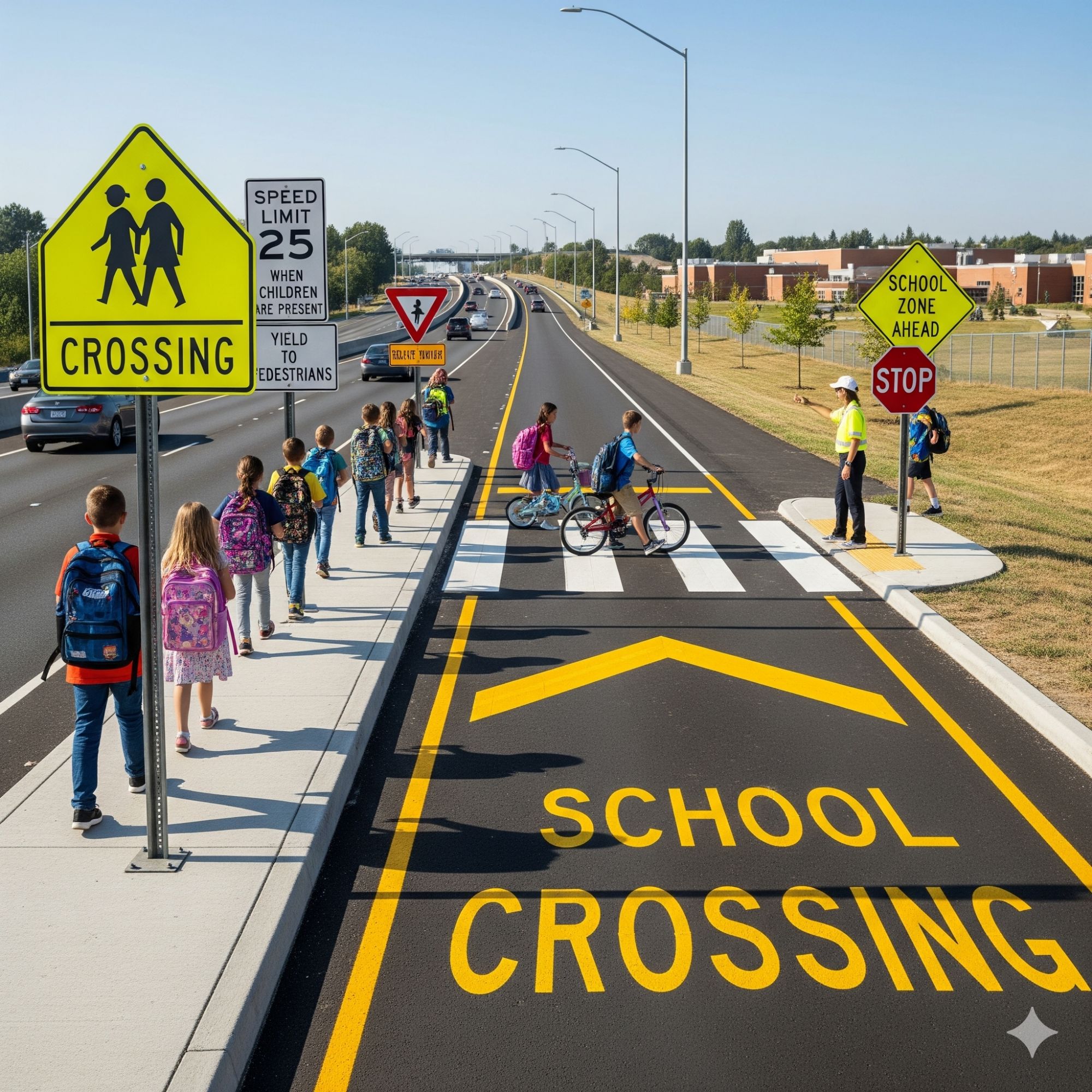
Stay safe, cost to much otherwise



 Kevin Griffiths
 percypaschal
 The Proprietor Review