
The left hand side of a set of medieval armor is the sinister side. The left hand of a left-handed person is the swinster’s side, don’t confuse the two. You may come home to a Lance you didn’t know existed.
Branding
Muddy Evils

Real place
Swinister is a real place, specifically a small settlement (hamlet) in the Shetland Islands of Scotland. While it sounds like a fictional word made to sound creepy, it has a distinct historical and linguistic origin rooted in Old Norse.
Here is a breakdown of what it is, what it means, and the specific atmosphere a town named “Swinister” would evoke.
1. What is it?
Swinister is a hamlet located on the Mainland of Shetland (the largest island in the archipelago). It is best known for a geological feature called the Ayres of Swinister, which is a “triple ayre” (a rare formation of three shingle beaches or sandbars that connect a small island to the mainland, forming a tidal lagoon).
2. What does it mean?
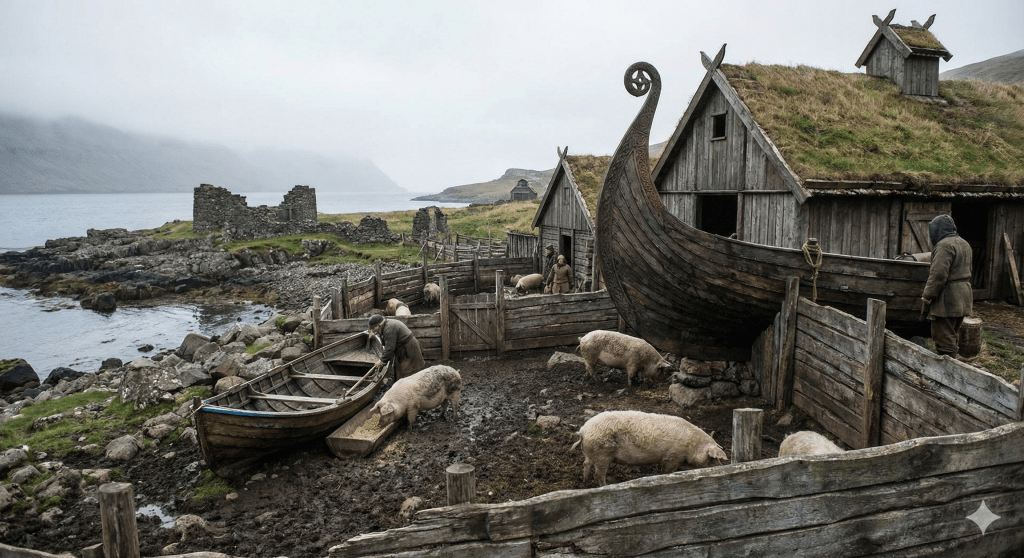
(Etymology)The name comes from Old Norse, the language spoken by the Vikings who settled the islands. It is a compound of two words: * Swin: Derived from either the Old Norse svín (meaning “swine” or “pig”) or the male personal name Sveinn (Sven). * Ister: A corruption of the Old Norse setr, meaning “dwelling,” “homestead,” or “pasture.”Therefore, Swinister literally translates to “Pig Farm” (or “Pig Pasture”) or “Svein’s Homestead.
“3. What would a town named “Swinister” connotate?
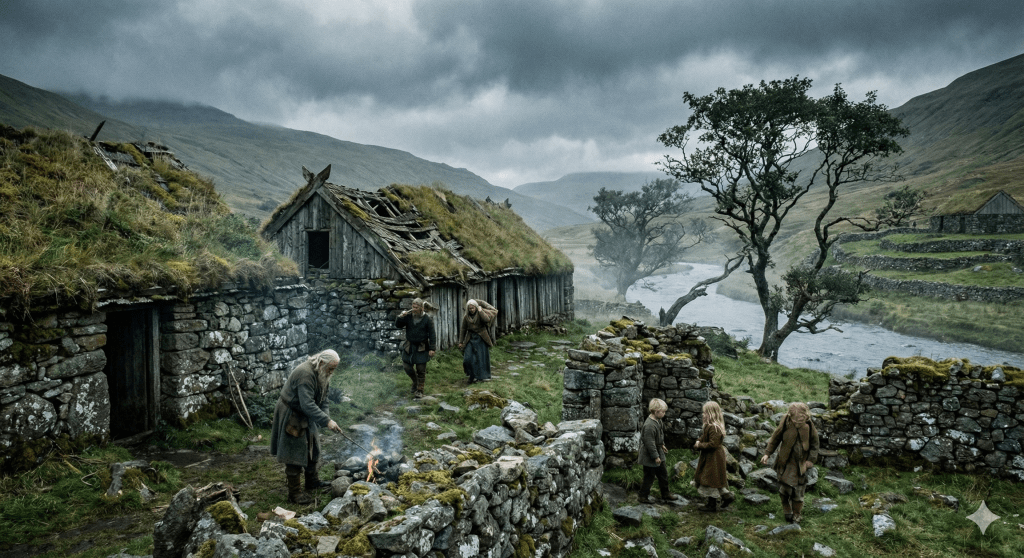
If you were writing a story or naming a fictional town “Swinister,” the name does heavy lifting because of its accidental association with modern English words. It carries a dual connotation:A. The “Folk Horror” Connotation (Linguistic)To a modern English speaker unaware of Norse etymology, “Swinister” sounds like a portmanteau of Swine and Sinister. * The Vibe: It sounds unsettling, rural, and perhaps morally corrupt. It evokes imagery of a backwater village with dark secrets, possibly involving gluttony, filth (swine), or ancient, malevolent traditions (sinister).
* The Setting:
Perfect for a Gothic horror story or a murder mystery set in a decaying agricultural community where the locals are hostile to outsiders.B. The “Rugged Northern” Connotation (Historical)To those familiar with Scottish or Nordic geography, the name connotes ancient history and rugged endurance. * The Vibe: Windswept, cold, isolated, and stoic. It suggests a place connected to the sea and the land, where life is hard and determined by the elements. * The Setting: A realistic historical drama or a nature-focused narrative about isolation in the North Sea.
Summary * Real Definition:
A remote hamlet in Shetland, Scotland, famous for a rare three-beach geological formation.
* Literal Meaning:
“Pig Farm” or “Sven’s Farm” (Old Norse).
* Fictional Connotation:
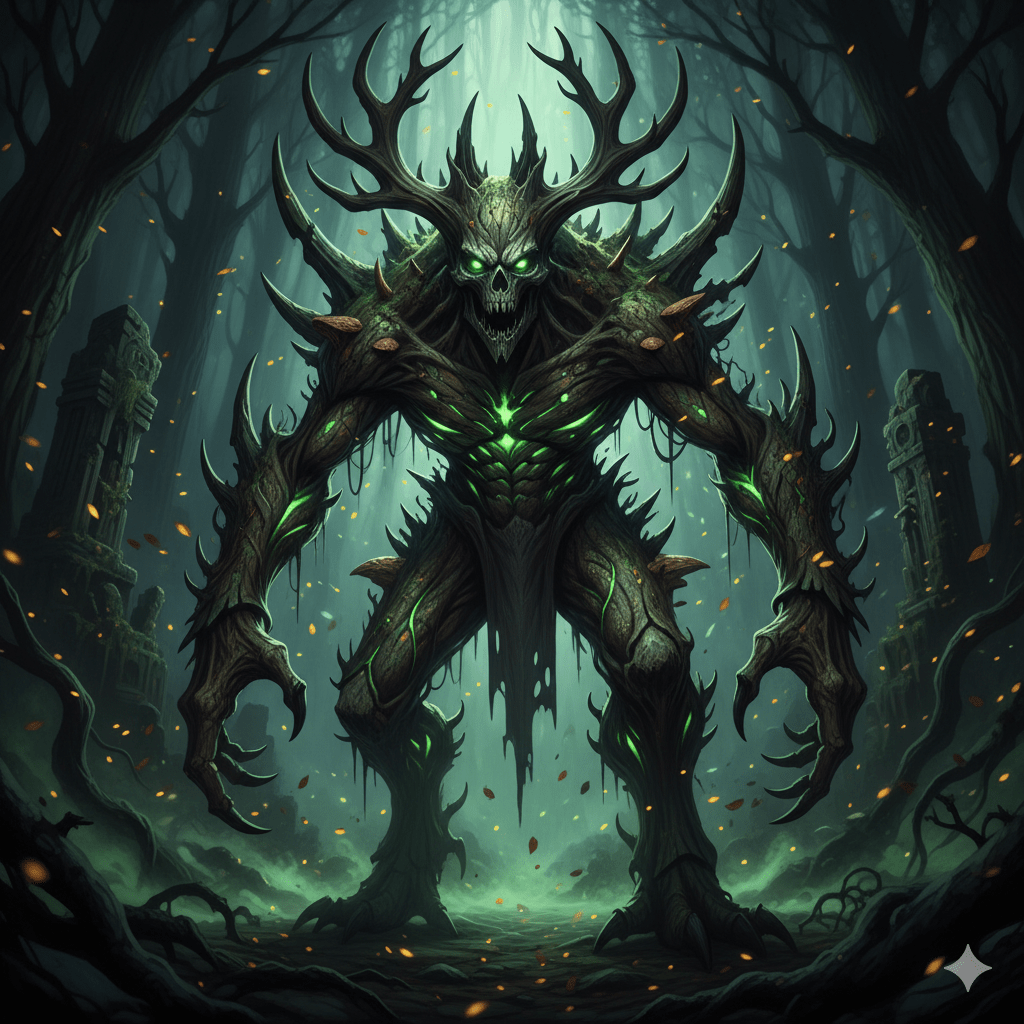
A “sinister” rural village, likely harboring dark secrets or ancient, muddy evils.
Editors Note:
Merciful thoughts to all left hand d or sinister folks over time if they suffered for it, ( more probly a motivator) in the best s mse.


 Kevin Griffiths
 percypaschal
 The Proprietor Review