

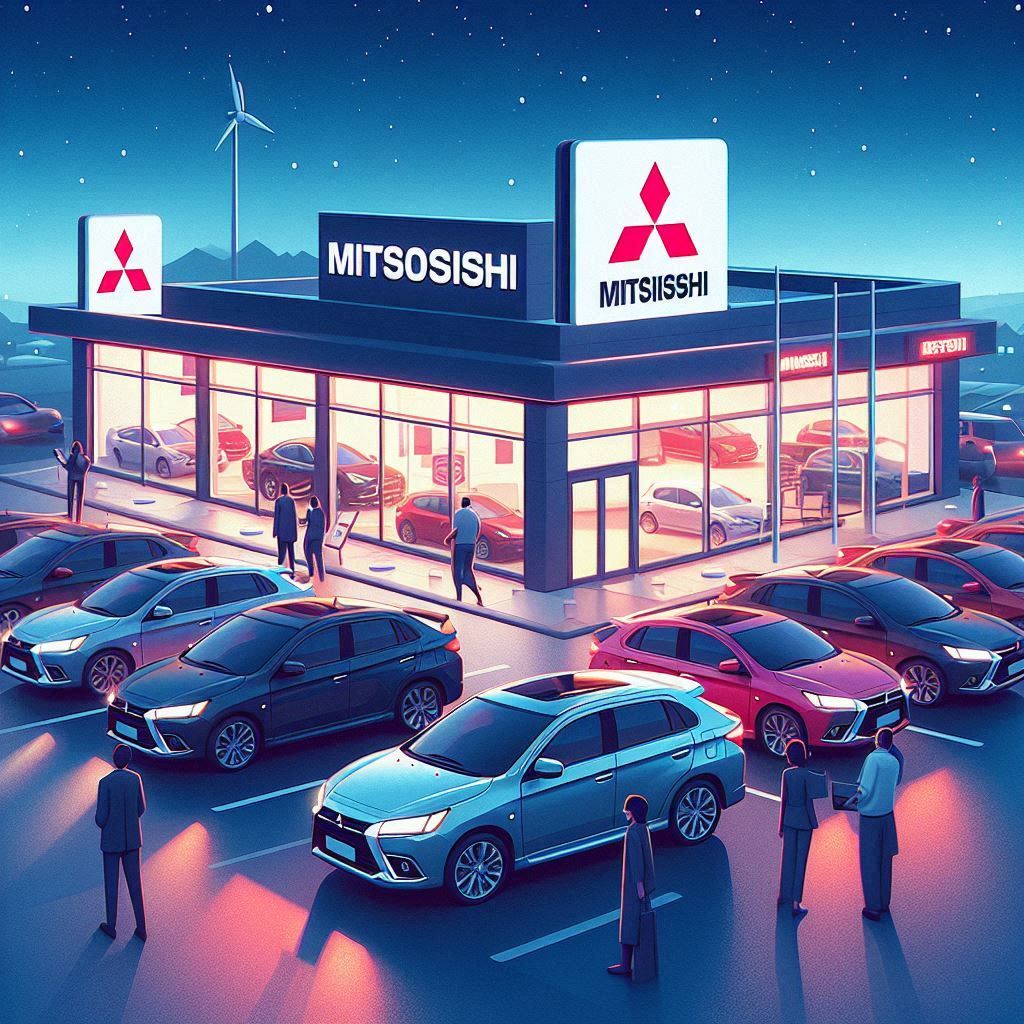
Transportation, whether by personal motor car or public transport, has profoundly shaped our society and driven its prosperity in countless ways. Both options offer unique advantages and disadvantages, impacting our lives in distinct manners.
Personal Motor Cars:
Value:
* Convenience and Flexibility: Personal cars offer unparalleled convenience and flexibility. They allow us to travel at our own pace, on our own schedule, and to destinations that may not be easily accessible by public transport. This freedom is particularly valuable for individuals living in rural areas or those with complex schedules.
* Comfort and Privacy: Cars provide a comfortable and private space for travel. We can control the temperature, music, and other aspects of our journey, making it a more personalized experience.
* Independence and Mobility: Owning a car provides a sense of independence and mobility, allowing us to pursue opportunities and experiences that may not be possible without one.
Impact on Society and Prosperity:
* Economic Growth: The automotive industry has been a major driver of economic growth, creating jobs in manufacturing, sales, and related sectors. The infrastructure supporting car use, such as roads and highways, has also stimulated economic activity.
* Suburbanization and Urban Sprawl: The widespread availability of cars has facilitated suburbanization and urban sprawl, allowing people to live further from city centers and commute to work. This has led to the development of new communities and expanded economic opportunities.
* Increased Trade and Commerce: Cars have facilitated the movement of goods and services, enabling businesses to expand their reach and access new markets. This has contributed to increased trade and commerce, both domestically and internationally.
Public Transportation:
Value:
* Cost-Effectiveness: Public transportation is generally more cost-effective than owning and operating a personal car, especially for frequent commuters. It eliminates expenses such as car payments, insurance, fuel, and maintenance.
* Environmental Friendliness: Public transport is more environmentally friendly than personal cars, as it reduces the number of vehicles on the road and lowers emissions per passenger. This contributes to cleaner air and a healthier environment.
* Reduced Congestion: Public transportation can help reduce traffic congestion, especially in urban areas. By carrying large numbers of people in a single vehicle, it can alleviate pressure on roads and highways.
Impact on Society and Prosperity:
* Accessibility and Equity: Public transportation provides access to jobs, education, healthcare, and other essential services for people who may not be able to afford a car or who are unable to drive. This promotes social equity and inclusivity.
* Urban Development and Revitalization: Public transport can play a key role in urban development and revitalization by connecting different parts of a city and encouraging density. This can lead to more vibrant and sustainable communities.
* Economic Efficiency: By reducing congestion and facilitating the movement of people and goods, public transportation can contribute to economic efficiency and productivity.
Conclusion:
Both personal motor cars and public transportation have played significant roles in shaping our society and driving its prosperity. Personal cars offer convenience, flexibility, and independence, while public transportation provides cost-effectiveness, environmental benefits, and accessibility. The optimal balance between these two modes of transportation depends on various factors, such as individual needs, urban planning, and government policies. By investing in both personal car infrastructure and efficient public transportation systems, societies can maximize the benefits of both and create a more sustainable and prosperous future.



 Kevin Griffiths
 percypaschal
 The Proprietor Review