
The life that starts…
Painting and photo KDG
It’s a fun thought experiment! Let’s break down why tarragon on the Moon, and the idea of greening it, is currently in the realm of science fiction:
Could there be tarragon on the Moon?
* No, not naturally. The Moon is a barren, airless body. Tarragon, like all plants, needs specific conditions to grow:
* Atmosphere: It needs carbon dioxide for photosynthesis and oxygen for respiration (though it produces oxygen as a byproduct). The Moon has virtually no atmosphere.
* Water: Tarragon needs water to live. While there’s evidence of water ice at the lunar poles, it’s not readily available as liquid water for plants to absorb.
* Soil: Lunar regolith (the “soil” on the Moon) is very different from Earth soil. It lacks organic matter, beneficial microbes, and readily available nutrients. While some studies have shown plants can sprout in lunar regolith, they show signs of stress and stunted growth compared to those grown in Earth soil.
* Temperature: The Moon experiences extreme temperature swings, from scorching hot in sunlight to frigid cold in shadow. Tarragon prefers warm, sheltered conditions and can’t survive such extremes without protection.
* Radiation: The Moon has no significant magnetic field or atmosphere to protect it from harmful solar and cosmic radiation. This radiation would be lethal to plants.
* Gravity: The Moon’s gravity is about one-sixth of Earth’s. While the direct effects on plant growth are still being studied, it’s another factor that makes it a very different environment for life.
Could tarragon (or any plants) green the Moon or turn it into a habitable place with a little bit of help from us?
This is the concept of terraforming, and it’s an incredibly ambitious and long-term prospect with many significant hurdles, especially for the Moon:
* Creating an Atmosphere: This is the biggest challenge. The Moon’s low gravity means any introduced atmosphere would quickly escape into space. We’d need a continuous and massive supply of gasses (carbon dioxide, nitrogen, etc.) and a way to somehow contain them or replenish them faster than they escape. This might involve building enormous artificial domes or even attempting to generate an artificial magnetic field to help retain the atmosphere, both of which are far beyond our current technological capabilities.
* Water Resources: While there’s ice, it needs to be extracted, processed, and then kept in liquid form, which is difficult given the Moon’s temperature extremes and lack of atmospheric pressure.
* Soil Development: Lunar regolith would need to be enriched with organic matter and nutrients to become viable soil for widespread plant growth. This would be a massive undertaking, requiring the introduction of vast amounts of biological material and the establishment of complex ecosystems.
* Radiation Protection: Even with an atmosphere, the Moon’s lack of a strong magnetic field means any surface-dwelling life would be exposed to dangerous radiation. Underground habitats or heavily shielded structures would be necessary.
* Temperature Regulation: Maintaining Earth-like temperatures would require massive energy inputs for heating and cooling, given the Moon’s extreme temperature variations.
In summary:
While the idea of a tarragon-scented, green Moon is appealing, it’s not currently feasible. Plants like tarragon require very specific conditions that the Moon simply doesn’t offer. Terraforming the Moon would require technological advancements on a scale far beyond anything we currently possess, and it would be an undertaking spanning centuries, if not millennia. For now, any lunar gardening would need to happen in highly controlled, enclosed environments, much like growing plants on the International Space Station.
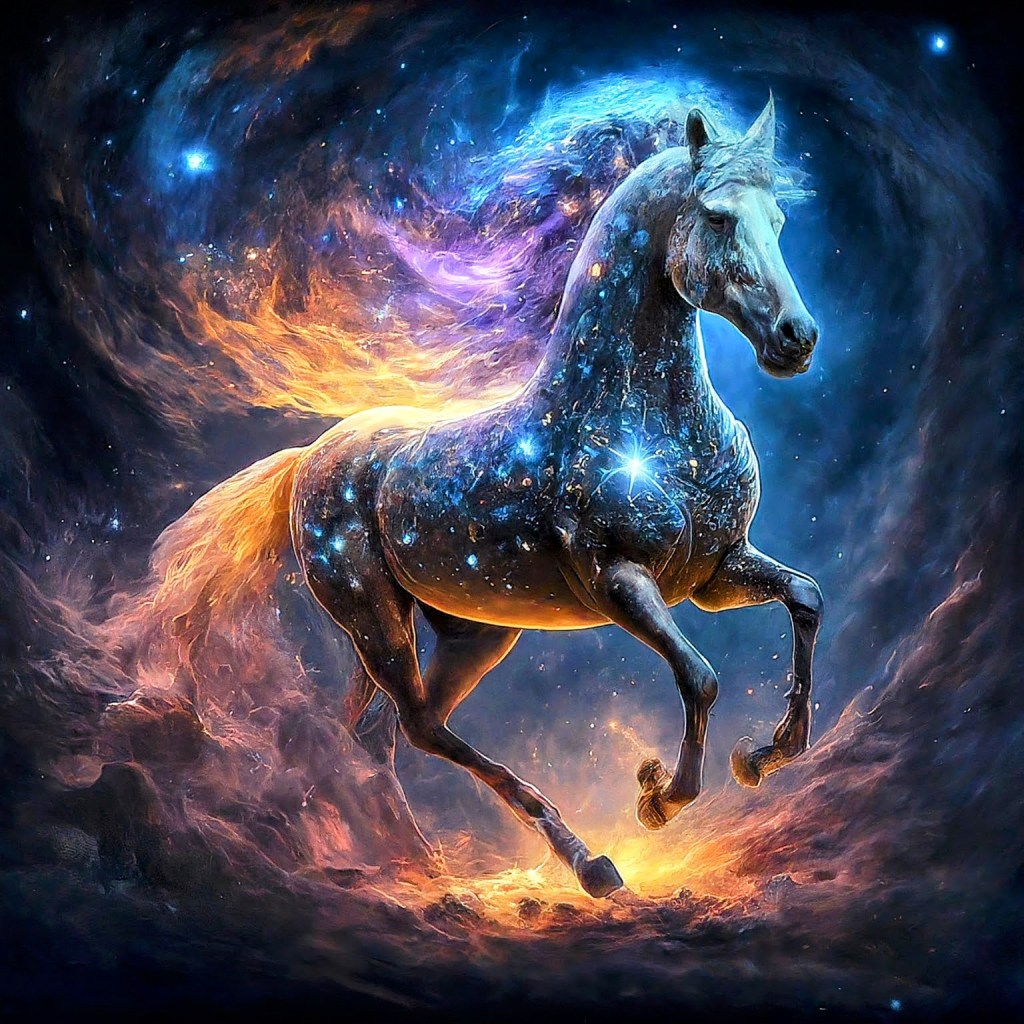
Editor’s note: while it’s not that attractive to us Canadians ( we like Canada) our home and native land. The Americans might suit us as our 51st moon. That’s presuming that we can get any life going there.
We like Canada…



 Kevin Griffiths
 percypaschal
 The Proprietor Review