

The August 8th full moon in Greece (which is actually on August 9th, 2025) is a truly special time, particularly for archaeological sites and museums. It’s an annual tradition that offers a unique blend of history, culture, and celestial beauty.
Here’s what makes it archaeologically significant and what to expect:
Archaeological Significance of the August Full Moon:
* Ancient Tradition and Mythology: The August full moon has deep roots in Greek mythology and ancient traditions. In antiquity, the month of August was known as “Metageitnion,” a time for festivals and celebrations, encouraging communal gatherings. The August moon was also closely associated with Selene, the Titan Goddess of the Moon, who was said to traverse the night sky in her silver chariot.
* Olympic Games Connection: Historically, the ancient Olympic Games, held in honor of Zeus at Ancient Olympia, began on the day of the August full moon, every four years. The fifty daughters of Selene were said to represent the fifty lunar months of the Olympiad, marking the beginning of these games.
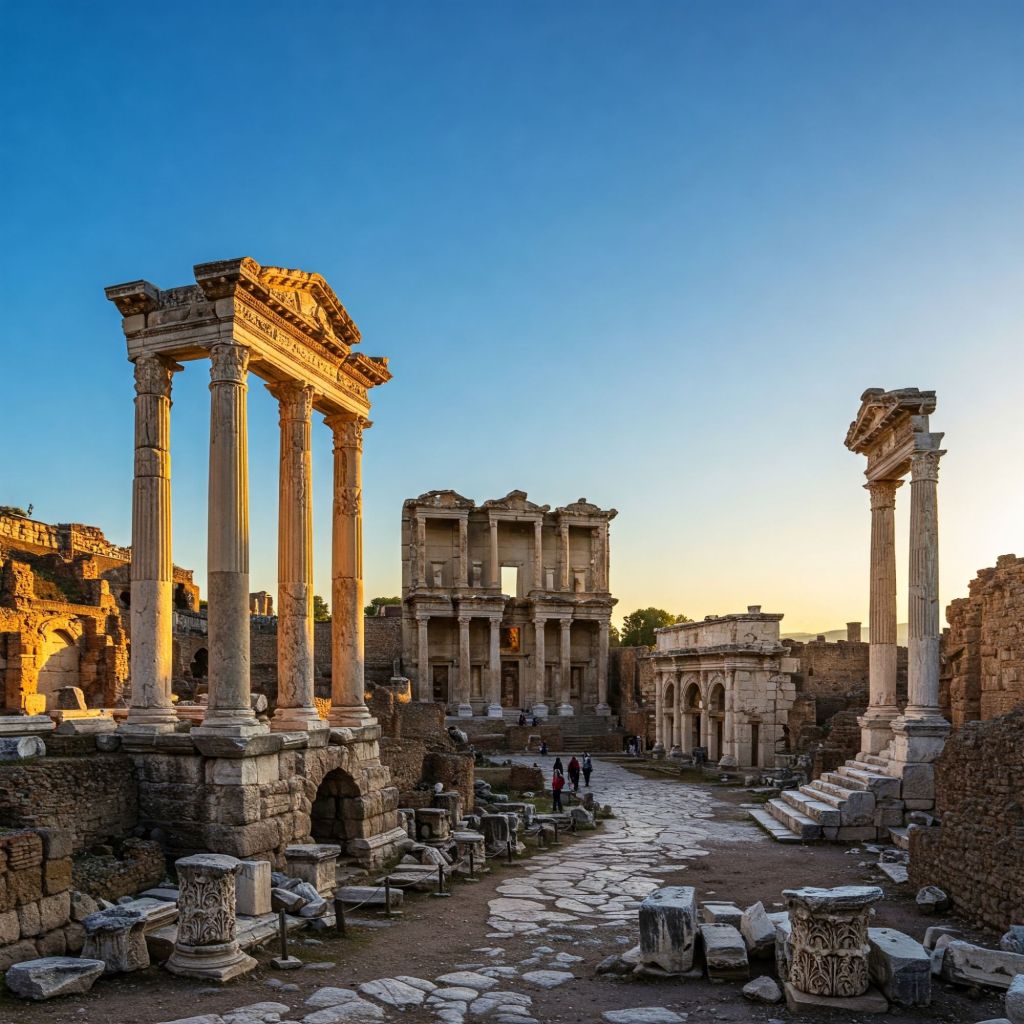
* Unique Viewing Opportunity: The August full moon is often considered the brightest of the year, providing a stunning natural illumination for Greece’s ancient monuments. Seeing the brilliant white marble of the Acropolis glowing in the moonlight, or the moon hanging low over the Temple of Poseidon at Sounion, is an unforgettable experience.
What to Expect During the August 8th (9th) Full Moon Week in Greece (2025):
The Greek Ministry of Culture annually organizes a series of events around the August full moon, offering a fantastic opportunity for locals and tourists alike:
* Free Admission to Archaeological Sites and Museums: This is the most significant aspect. For one night (specifically, Saturday, August 9th, 2025) and often extending for a few days around it (from August 8th to 13th in 2025), many archaeological sites, historic landmarks, and museums across Greece open their doors to the public for free after sunset, often until midnight. This tradition began in 1996.
* Cultural Events Under the Moonlight: Beyond free entry, many of these sites host special cultural events. These can include:
* Theatrical performances
* Music and dance shows
* Stargazing sessions
* Myth-telling
* Guided tours
* Exhibitions
* Film screenings
* Key Locations: Many iconic locations participate, including:
* The Acropolis Museum (Athens): Often has extended hours and special events like concerts.
* National Archaeological Museum (Athens): Offers extended hours with special exhibitions.
* Temple of Poseidon at Cape Sounion: A breathtaking site to visit under the full moon.
* Archaeological Site of Kerameikos (Athens)
* Archaeological sites in Macedonia: Such as Pella (capital of ancient Macedon) and ancient Stagira (Aristotle’s birthplace).
* Sites on various Greek islands: Including Gortyna in Crete, and museums and castles on islands like Kalymnos, Karpathos, Skyros, Zakynthos, Kythera, and Kefalonia.
* Magical Atmosphere: The combination of ancient ruins, the bright full moon, and cultural events creates a truly magical and memorable experience, allowing visitors to connect with Greece’s rich heritage in a unique setting.
It’s advisable to check the official website of the Greek Ministry of Culture closer to the date for the detailed program of events for 2025, as specific activities and participating sites can vary slightly each year.



 Kevin Griffiths
 percypaschal
 The Proprietor Review