You are presumed to be honest and responsible without evidence to the contrary beyond a reasonable doubt… on the balance of probablilties you are justified by 51 % likelyhood.
More real estate. More opportunities for ticks. Real estates in a metaphoric sense that your sleeves are down and up + when the weather is warm and you’re out there you’re going through the grass and you’re going through leaves and there you are. There’s real estate coming right to the tics.
36 Hours to transmit.
Lyme disease transmissions need 36 hours of the tick having your full attention in the sense that they’re on your skin to transmit. If you get them off before then you should be all right so keep checking, especially if going through grass and stuff and you’ve been in the bush.
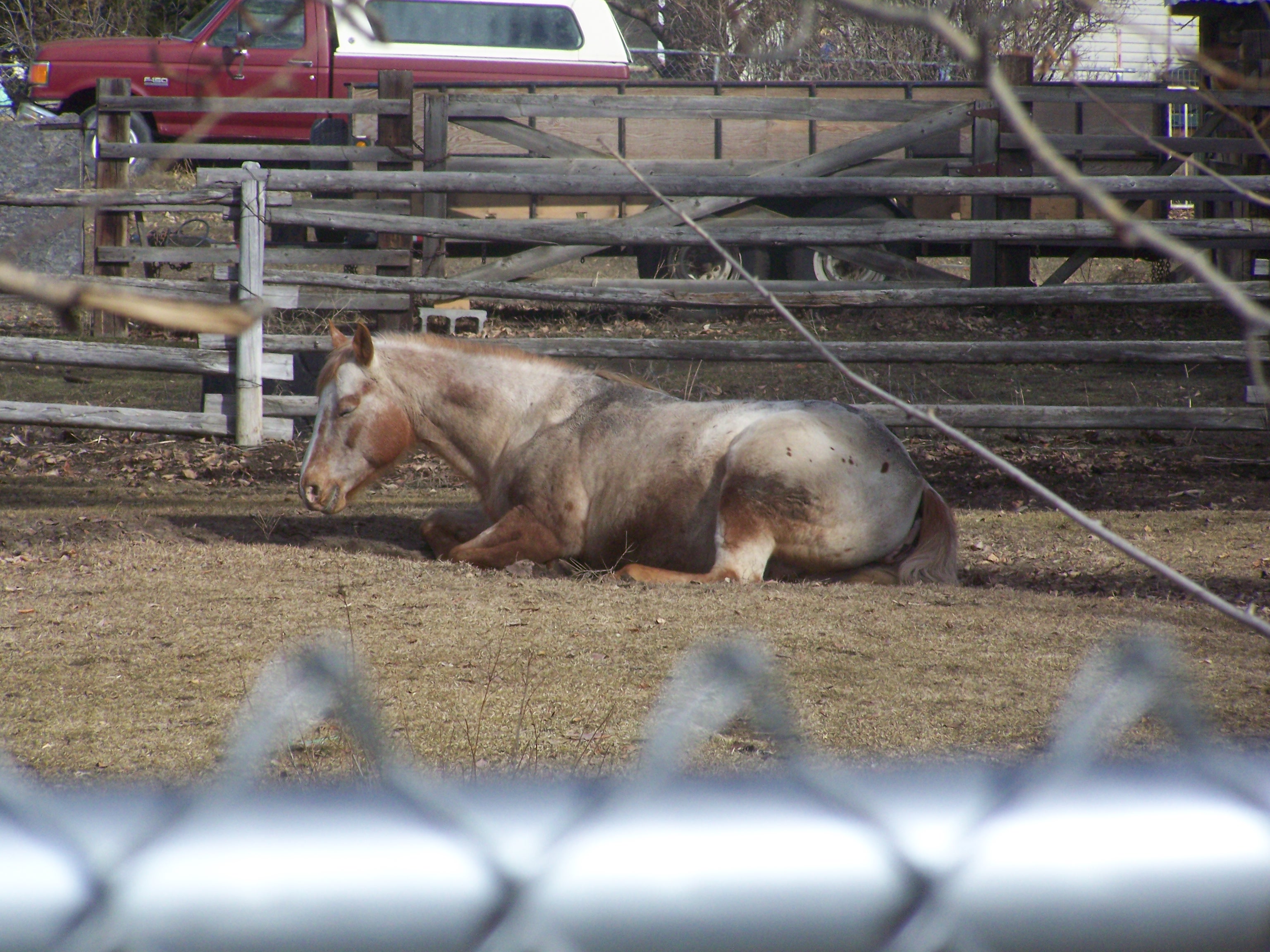
Animals can host ticks in the early spring
File Photo KDG
There have been some reports of wood ticks on workers around tall dead grass in Merritt.
Early spring can be a time for ticks. The nuisance creature usually gets on people from tall dead grass as it is walked by and contracted.
The first Tic was reported here in Merritt BC on March 6th, their presence is usually noted when the temperature is 4c and above. They are active today. According to a vets office they can be around for some time.
There many remedies in edible and powder forms. One local Vets office have removed 2 ticks so far this season.
There are reports of wood ticks being picked up on people here in the Nicola Valley. People that have dogs may want to check themselves and children for the creature. Wood ticks can be responsible for Rocky Mountain spotted fever. If you find one be careful not to pull on it as it is said to break its head off if its stared to burrow in flesh and the head may keep going. That’s according to home remedies and they include a method of heating a sewing needle on an element to cause it to back out.
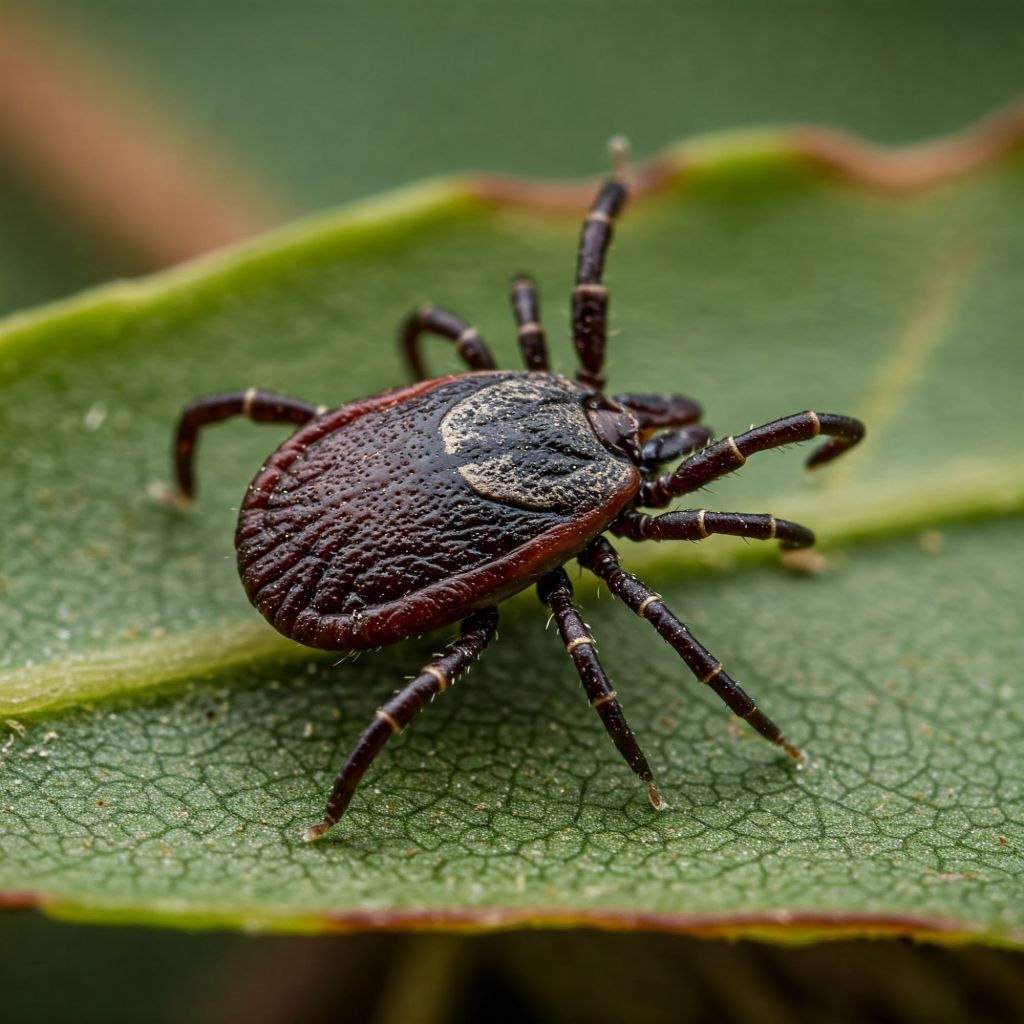
Dermacentor andersoni, commonly known as the Rocky Mountain wood tick, is a species of tick.[1]
It can cause tick paralysis.
Diagnostic features: Larva only has 3 pairs of legs. Nymph has 4 pairs. Single pair of spiracular openings (stigmata) close to the coxae (leg bases or segments) of the 4th pair of legs (except in larvae) Terminal capitulum (mouthparts) visible from above in all stages except the egg, of course. A large sclerite called the Scutum present dorsally behind the capitulum. The scutum almost entirely covers the back of the male, but only partly covers the back of the female. Eyes, if present, are on the scutum. Sexual dimorphism in size and colour is frequent. The female is often larger. Posterior margin of opisthosoma usually sub-divided into sclerites callel festoons. Pedipalps rigid along the chelicerae, not leg-like. Single pair of spiracular openings (stigmata)
The bug can also carry the bacteria for Lyme disease and Tularemia. Spring is the time here to watch for them.



 Kevin Griffiths
 percypaschal
 The Proprietor Review