

Thursday, April 18th 2024, 7:00 PM
The Nicola Naturalists are inviting people to see the works and methods of local Photographer Leanne Cleavly. The presentation will be held in the lecture theater at NVIT ( Nicola Valley Institute of Technology) top of the hill on Belshaw avenue in Merritt British Columbia next week Thursday.
Leanne a school teacher has a Macro lens for her camera and has spent time capturing insects and other small subjects at magnification. The images she presented in the members photo submissions have garnered acclaim amongst many of them.
There is free parking and the group is fond of saying “all welcome, membership or donations opportunity available” paraphrased, there is a raffle of naturalist donated articles at break with tickets at the table inside, proceeds support a bursary for a student at the school.
Macro photography is a specialized form of photography that involves capturing small subjects at extremely close distances, typically to highlight fine details that may not be easily visible to the naked eye. To achieve successful macro shots, photographers use a macro lens, which has the capability to focus sharply on subjects at close range and capture intricate details.
To excel at macro photography, it’s important to have a good understanding of lighting, as well as techniques for stabilizing the camera to avoid blurriness. Patience and precision are also key factors, as getting the perfect shot often requires careful adjustment and experimentation with composition.
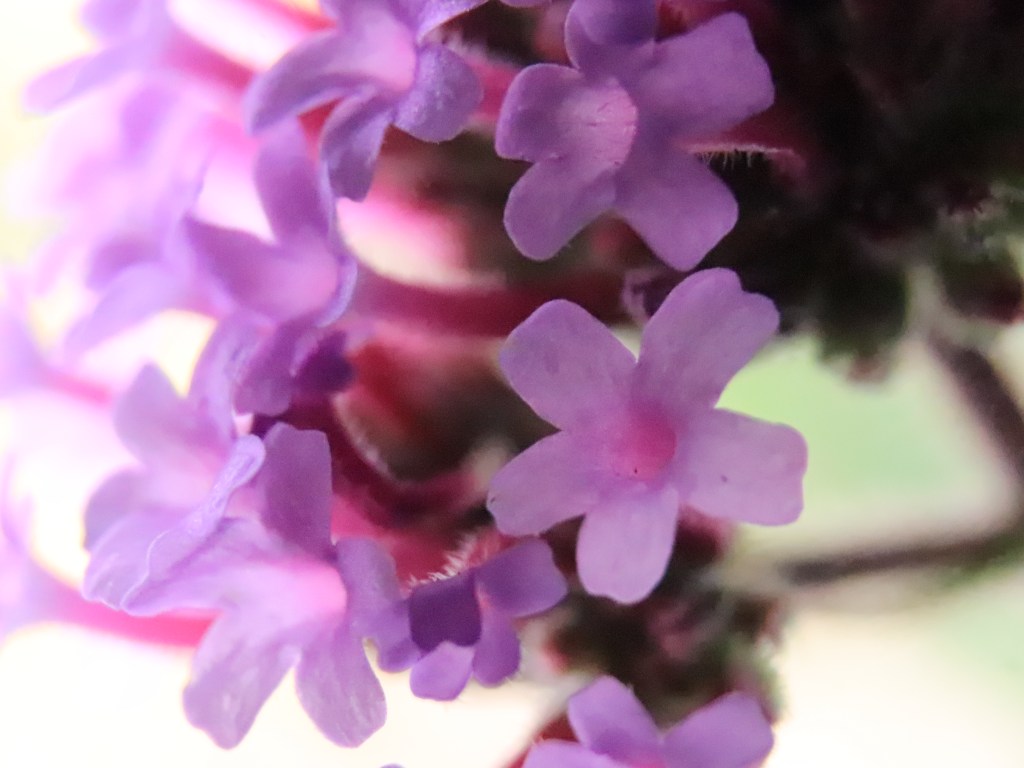
Tips and Techniques for Macro Photography
Photo KDG ( tube extender and no tripod…)
Macro photography allows you to capture intricate details of small subjects. Here are some tips to enhance your macro photography skills:
1. Use a Macro Lens
- Invest in a dedicated macro lens with a high magnification ratio.
2. Stable Platform
- Use a tripod to ensure stability and prevent unwanted blurriness.
3. Adjust Aperture
- Select a narrow aperture (higher f-stop number) to increase depth of field and keep more of the subject in focus.
4. Lighting
- Consider using diffused natural light or a ring flash to illuminate the subject evenly.
5. Focus Carefully
- Pay attention to precise focusing to highlight the intricate details of the subject.
6. Background
- Choose a clean and uncluttered background to make the subject stand out.
7. Patience
- Be patient and take your time to capture the perfect shot, as macro photography requires attention to detail.
Remember, practice and experimentation are key to mastering macro photography.



 Kevin Griffiths
 percypaschal
 The Proprietor Review