

Fauna
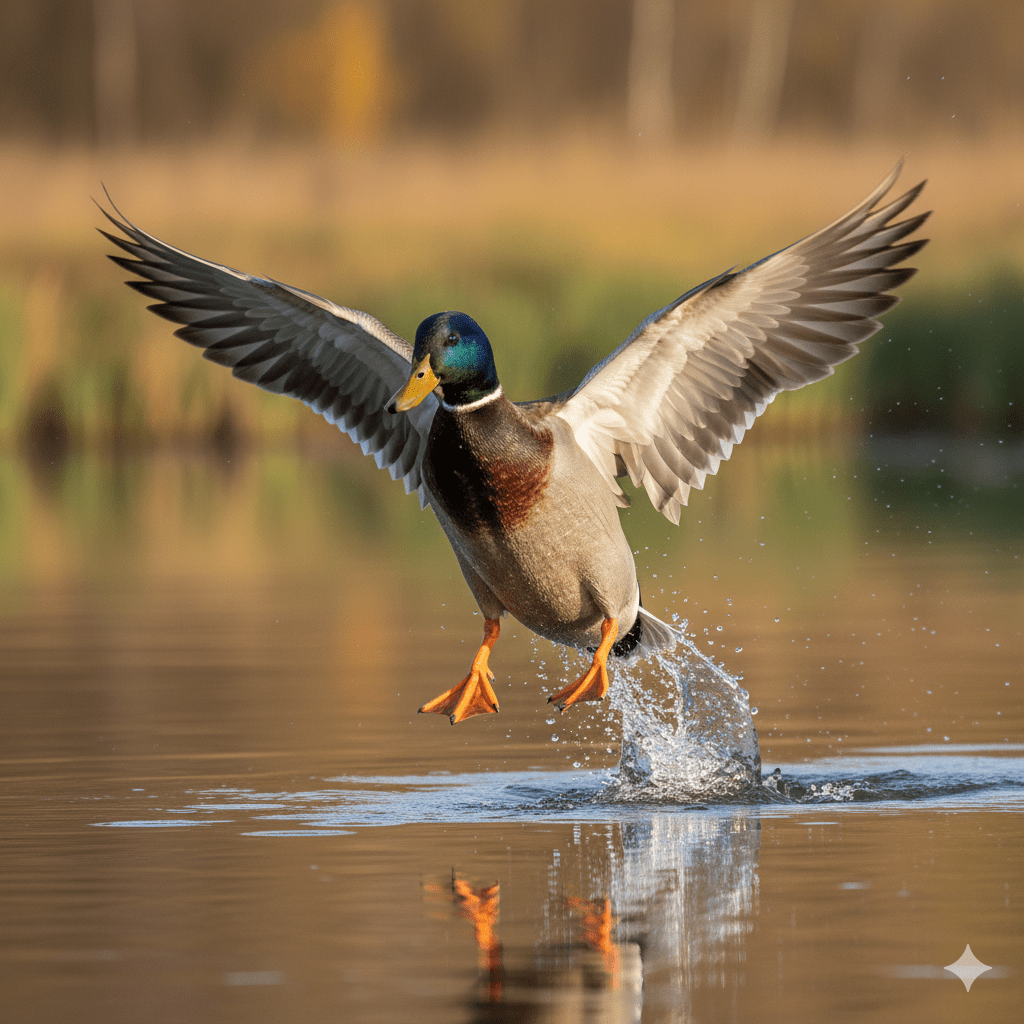
Mallard Duck BCs 🦆
Mallard Ducks and Their Presence in British ColumbiaMallards are the most widespread and abundant dabbling duck in Canada, found in almost any freshwater habitat. In British Columbia, they are a significant part of the waterfowl population, particularly along the Pacific coast and in the interior plateaus. The population of mallards in western Canada, which includes B.C., has been considered “secure” and “at an acceptable level” for some time. They are found in high concentrations in the lower Fraser Valley and are a prominent resident species in the interior of the province, with populations increasing in some areas.While there isn’t specific data for the mallard population in the immediate Merritt, BC area, the birds are known to be part of the general interior population, which winters in the warmer coastal regions and returns to breed in the interior, following major river systems.Interesting Mallard BehaviorsMallards exhibit some fascinating behaviors, including brood amalgamation, which is the adoption of ducklings by a hen who isn’t their biological mother. This can occur in a few ways: * Pre-hatch Brood Amalgamation (Brood Parasitism): A female lays her eggs in another female’s nest. The host female then incubates and cares for the eggs as if they were her own. This behavior is more frequent in areas with high nest densities. * Post-hatch Brood Amalgamation: This is when a hen with a brood takes in ducklings from another family. This can happen for various reasons, such as when a mother loses her brood and joins another, or when a hen’s ducklings get separated and are accepted by a different mother. Mallard ducklings can be adopted by a hen of a different brood, as the hen will usually accept any duckling that is peeping nearby.These adoptions, especially in crowded populations, can lead to very large “combined broods.”The Debate on Sport Hunting MallardsThe question of whether mallards should be sport-hunted is complex and involves arguments about conservation, ethics, and the role of hunting in wildlife management.Arguments in favor of hunting often include: * Population Management: Proponents argue that hunting is a tool to manage and maintain healthy wildlife populations. Mallards are not considered an at-risk species, and regulated hunting ensures their numbers remain stable and do not exceed the carrying capacity of their habitat. * Conservation Funding: Hunters are a major source of funding for wildlife conservation through the purchase of licenses and stamps. In Canada, a federal Migratory Game Bird Hunting Permit and a Canadian Wildlife Habitat Conservation Stamp are required to hunt migratory birds, and the revenue from these goes directly to conservation efforts. * Tradition and Recreation: For many, hunting is a long-standing tradition and a way to connect with nature and source food. Hunters often express a deep respect for the animals they pursue.Arguments against hunting often raise concerns about: * Genetic Integrity: Recent genetic research has shown that some wild mallard populations, particularly in the eastern United States, have a significant amount of genetic material from game-farm birds. This is a result of releasing farm-raised mallards for hunting. Critics argue that this dilutes the wild population’s gene pool and may introduce less-efficient foraging and migratory traits, potentially affecting their long-term survival. * Ethical Considerations: Some people question the ethics of hunting, especially for sport. They may argue that it’s unnecessary to kill animals for recreation when food can be obtained in other ways. * Environmental Impact: While hunting is regulated, some critics are concerned about potential negative environmental impacts, such as the use of lead shot in the past (which is now prohibited for migratory birds in B.C.) and the overall disturbance to wildlife.In British Columbia, mallards are a regulated migratory game bird, and hunters must adhere to specific regulations, including daily bag and possession limits and the use of non-toxic shot. The fact that mallards are hunted is based on the premise that their population is large and healthy enough to sustain a harvest without negatively impacting the species as a whole.



 Kevin Griffiths
 percypaschal
 The Proprietor Review