
To Beat Germany in Cameras.
Today 46 Percent of global market belongs to Canon…
Canon roots
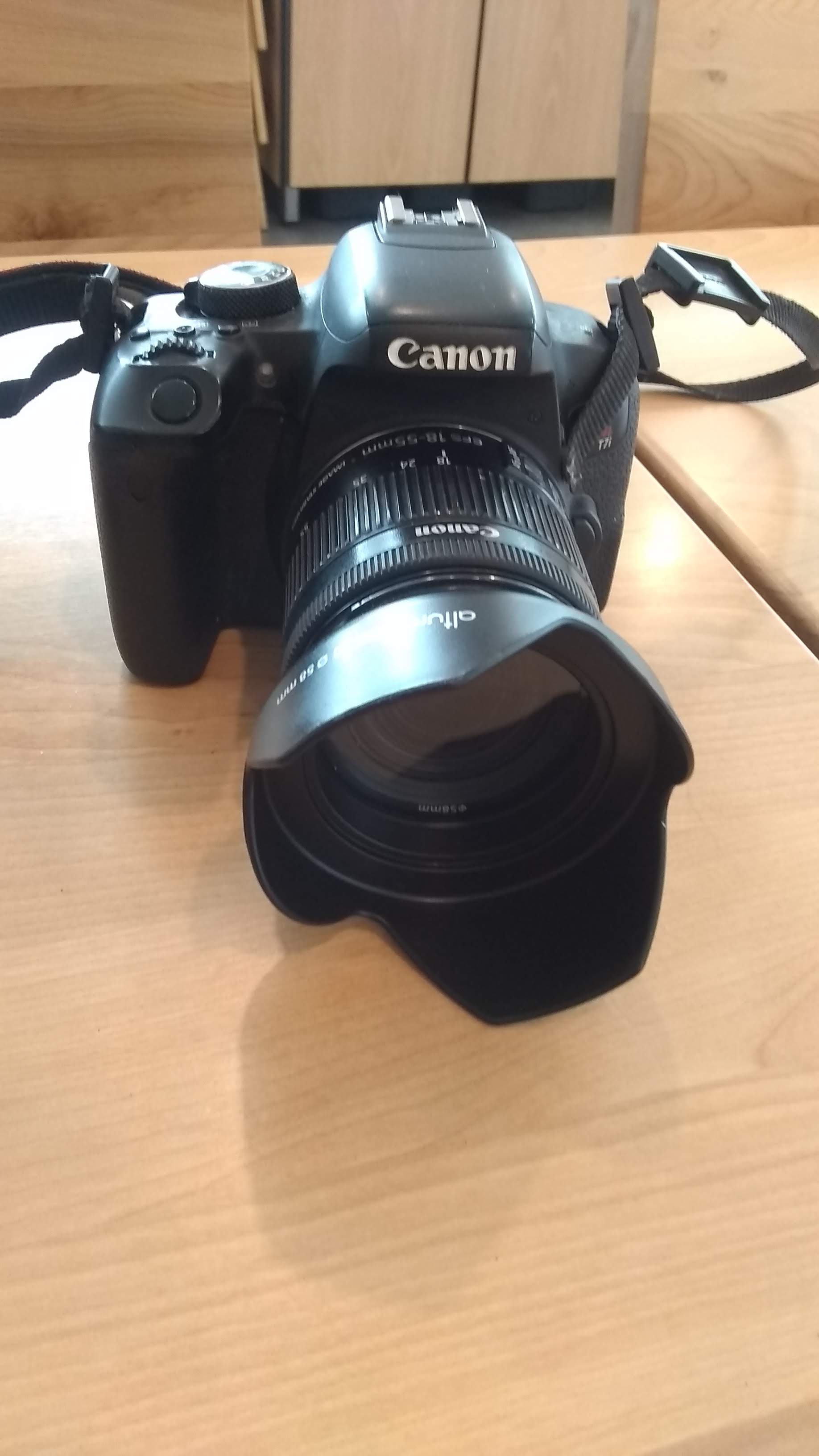
In November 1933, a small group of visionary tinkerers ****—Goro Yoshida, Saburo Uchida, and Takeo Maeda—came together in a rented room in Tokyo’s Azabu district to establish the Precision Optical Instruments Laboratory. Yoshida, a skilled self-taught technician who repaired motion picture equipment, had disassembled a high-end Leica camera out of curiosity and realized its internal components were made of standard brass, iron, and aluminum, rather than precious metals. Convinced that Japan could produce a world-class 35mm rangefinder camera locally at a fraction of the cost of imported German models, he partnered with his brother-in-law, Uchida, who managed the business and financing alongside Maeda, who brought crucial organizational expertise.Together, the team built Japan’s first 35mm camera prototype with a focal-plane shutter in 1934, naming it the Kwanon after the Buddhist goddess of mercy. While Yoshida drove the early mechanical innovations, bringing the camera to full commercial viability required scaling up operations and navigating complex German patents. Uchida secured key backing from Dr. Takeshi Mitarai—an obstetrician who later took over management—and arranged a partnership with Nippon Kogaku (later Nikon) to supply high-quality Nikkor optics. By 1935, the team refined the brand name to “Canon”—a word signifying precision standards—and launched their first production model, the Hansa Canon, in late 1935, successfully laying the foundation for modern global camera manufacturing.



 Kevin Griffiths
 percypaschal
 The Proprietor Review