Category: Arts and Culture


TGIF-Implosion…

Mercy in swiftness…

Deep six coming
Emails come home…

Record

Obituary of fools

So, waivers were signed, rhetoric  heard, dismissal embraced, discounts accepted.

  Five lives wasted, no, one way is to keep the experience alive by acknowledging this piece and being prudent because of it. KDG

Jurisdictions evaded.

Grief taken as a poison 💊

Never swim alone…

When engaging in water activities, especially swimming, prioritizing safety is paramount. One of the most critical aspects of water safety is the “buddy system” – always swimming with another person.
Here’s a breakdown of why this is so important and other key water safety tips:
The Importance of the Buddy System
* Immediate Assistance: In an emergency, such as a cramp, exhaustion, or a sudden medical issue, a buddy can provide immediate help. This could mean pulling you to safety, calling for help, or performing CPR if they are trained. Even a few seconds can make a significant difference in a water emergency.
* Accountability: Knowing someone is watching out for you and vice-versa adds a layer of accountability. You’re less likely to take unnecessary risks when someone else’s safety is also a consideration.
* Reduced Panic: If you get into trouble, the presence of a calm and capable buddy can help reduce panic, which is often a major factor in drowning incidents.
* No One is Immune: Even strong swimmers can get into trouble. Unexpected currents, hidden obstacles, or sudden health issues can affect anyone.
* Supervision for Children: For children, the buddy system extends to constant, active adult supervision. A child should never be left unsupervised near water, even for a moment.
General Water Safety Tips:
* Learn to Swim: This is the most fundamental water safety skill. Enroll in swimming lessons if you don’t know how to swim or want to improve your skills.
* Choose Supervised Locations: Whenever possible, swim in areas with lifeguards. Lifeguards are trained professionals who can respond quickly to emergencies.
* Know Your Limits: Don’t overestimate your swimming ability. If you’re tired or unsure, get out of the water. Avoid swimming long distances in open water if you’re not properly trained.
* Check Water Conditions: Be aware of currents, tides, water depth, and potential hazards like rocks, weeds, or marine life. Look for signs indicating dangerous conditions.
* Never Dive into Unknown Depths: Always check the depth of the water before diving in. Many serious injuries occur from diving into shallow water or striking hidden objects.
* Avoid Alcohol and Drugs: Alcohol and drugs impair judgment, coordination, and reaction time, significantly increasing the risk of accidents in and around water.
* Wear a Life Jacket: If you are participating in boating activities, or are a weak swimmer in open water, always wear a properly fitted U.S. Coast Guard-approved (or equivalent national standard) life jacket.
* Sun Protection: While not directly related to drowning, prolonged exposure to the sun can lead to sunburn and heatstroke, which can impair your ability to react in an emergency.
* Enter Feet First: When entering unfamiliar water, go in feet first to avoid surprises.
* Emergency Preparedness:
   * Know how to call for help.
   * If you see someone in trouble, don’t just jump in unless you are trained in water rescue. “Reach or throw, don’t go.” Extend a rescue device (like a pole, rope, or life preserver) to the person.
   * Learn CPR and basic first aid.
By following these guidelines, especially the crucial buddy system, you can significantly reduce the risks associated with water activities and ensure a safer, more enjoyable experience for everyone.

Water safety is everyone’s concern.

A little training could make a difference.

On this Day: August 26th 2002

The Earth summit 2002 begins in Johannesburg South Africa.

TGIF- mid summer 🌞

Jazzy day wakey day.

Sweet songs of ⛱️

Heat is good for you…
The good old summer time

Journalism street talk…

Recent artisan showing…

Coffee clutches

Art on public parts

Care for creatures

It is enabling to respect the normal people in the living of their lives. Makes you as an interviewer part instead of judge when they give…

A citizen journalist is an individual who actively participates in the gathering, reporting, and dissemination of news and information, often through digital platforms, without being a professional journalist. They leverage social media, blogs, and other online channels to share firsthand accounts, observations, and insights, contributing to the public discourse and providing alternative perspectives that may not be covered by traditional media outlets. This grassroots approach enables diverse voices to be heard, particularly in underreported communities and during significant events.

Sponsored by local service people, file v KDG

Farmer’s/ artisan market

Want to write / journalize… PercyPaschal@gmail.com

Starship moon…

Fly by the seat of your pants…

Star ship 💥

The next Starship test flight, Flight 10, is scheduled for August 4th, 2025. This flight will be another uncrewed test to gather more data on the Starship’s performance.

Waiting for a crewed test launch, concerned about the Artemis Partner Program in the current geo political atmosphere it’s heartening to know a starship test is coming in August.

1000 Starships

Maintained by space x that 1000 Starships will bring 1 million colonists to Mars. This I

Is for permanent settlement.

The ambitious goal of making Mars a habitable planet and sending a million people there is primarily driven by SpaceX, led by Elon Musk. While other space agencies like NASA have plans for human missions to Mars, SpaceX has the most public and aggressive timeline for large-scale colonization.
Here’s a breakdown of the key aspects of this program:
SpaceX’s Vision for Mars Colonization:
* Self-Sufficient City: The ultimate goal is to establish a self-sufficient, large-scale settlement and a democratic, self-governing colony on Mars. This means not just sending people, but building the infrastructure for them to live, work, and thrive independently of Earth.
* Starship System: The core of SpaceX’s plan is the Starship spacecraft and Super Heavy rocket. This fully reusable transportation system is designed to carry both crew and massive amounts of cargo to Mars.
* Massive Transportation: To achieve the goal of a million people, SpaceX envisions launching thousands of Starships during Mars launch windows (which occur approximately every 26 months). They talk about launching more than 10 times per day to maximize these windows.
* Phased Approach: The plan involves initial cargo missions to deliver equipment, habitats, and supplies before any humans arrive. The first crewed missions would focus on setting up propellant plants (to produce fuel on Mars using local resources), power systems, and rudimentary bases.
* Resource Utilization (ISRU): A crucial part of self-sufficiency is In-Situ Resource Utilization (ISRU). This involves using resources available on Mars, such as harvesting CO2 from the atmosphere and splitting it into its components to create oxygen and fuel.
* Timeline: While highly ambitious and subject to change, Elon Musk has spoken about a first crewed mission as early as 2029 and the development of a self-sustaining colony by 2050.
Terraforming Mars:
“Terraforming” refers to the hypothetical process of transforming a planet hostile to life into one that can sustainably host humans and other lifeforms without protection. While SpaceX’s immediate focus is on establishing a base that uses local resources, the long-term vision of a truly Earth-like Mars involves terraforming.
* Challenges: Terraforming Mars presents immense challenges with current technology. Key issues include:
   * Thin Atmosphere: Mars has a very thin atmosphere with extremely low surface pressure.
   * Lack of Magnetic Field: Mars lacks a global magnetic field, which makes its atmosphere vulnerable to erosion by solar winds.
   * Cold Temperatures: Mars is very cold.
* Proposed Methods (Hypothetical):
   * Greenhouse Gases: Releasing greenhouse gases (like CO2, which is abundant in Mars’s atmosphere and polar caps) to thicken the atmosphere and warm the planet.
   * Artificial Magnetic Field: Creating an artificial magnetic field to protect the atmosphere from solar wind erosion.
   * Engineered Dust Particles: Some researchers have proposed releasing engineered dust particles into the atmosphere to trap heat.
   * Localized Habitats: A more achievable near-term approach might be creating localized habitable environments using materials like silica aerogel, which could provide shelter and warmth for small areas.
NASA’s Role:
While NASA doesn’t have a plan for colonizing Mars with a million people in the same way SpaceX does, they are actively working towards human exploration of Mars. Their goals include:
* Scientific Discovery: Understanding whether life ever existed on Mars, characterizing its climate and geology, and preparing for human exploration.
* Technology Development: Testing technologies for oxygen production (like MOXIE on the Perseverance rover), developing sustainable food and water systems, power generation, and advanced habitats.
* Artemis Program: NASA’s Artemis program is laying the groundwork for long-term human presence on the Moon, which will serve as a stepping stone and testing ground for missions to Mars.
In essence, SpaceX is the primary driver behind the “million people on Mars” goal, with their Starship system being the core technology. Terraforming, while a long-term aspiration, faces significant scientific and technological hurdles. NASA, meanwhile, is focused on incremental steps towards human exploration, scientific discovery, and developing the foundational technologies needed for future long-duration missions to the Red Planet.

Test   number 10

2025 Schedule https://www.facebook.com/share/v/UFE4QB146J2E9R5w/?mibextid=Dpxkx3

Thank you for your time in Merritt…

The Bass Coast Festival is happening this weekend in Merritt, British Columbia, from July 11-14, 2025.
Regarding proceeds and attendance:
Attendance:
Bass Coast Festival has capped its attendance at 6,500 people each year to maintain its community aspect and focus on the overall experience. This number includes artists, festival-goers, volunteers, and vendors.
Proceeds:
While specific overall proceeds for the 2025 festival aren’t publicly detailed, Bass Coast Festival is an independently owned and artist-run event. They have a strong commitment to community support, as evidenced by:
* Donations to the Nicola Valley Food Bank: Bass Coast has an annual fundraising compilation called “12 Days,” where 100% of proceeds from album sales are donated to the Nicola Valley Food Bank in Merritt. They also top up the amount to reach a specific goal (e.g., $2500 CAD in one instance, and a $22,000 donation in another).
* Donations to environmental organizations: Bass Coast has also donated Bandcamp proceeds to organizations like West Coast Environmental Law.
* Economic Impact: The festival significantly contributes to Merritt’s economy, generating an estimated $4 million for the local area.
Essentially, while the exact financial “proceeds” in terms of profit aren’t publicly disclosed, the festival is known for its community-focused approach and its positive economic impact on the host town, Merritt.

We would love to have you back…

Southern cusine

Southern Cuisine

Southern cuisine, a rich and diverse culinary tradition, is deeply rooted in the history and cultural tapestry of the American South. It’s a blend of influences from Indigenous peoples, European settlers, and West African enslaved communities, all of whom contributed to its unique flavors and cooking methods.
Cabbage and Meat in Southern Cuisine
Cabbage and meat dishes are indeed a staple in Southern cooking, often found in various forms:
* Southern Fried Cabbage: This is a very common side dish where chopped cabbage is sautéed with onions and often crispy bacon, smoked sausage, or ham hocks until tender and slightly caramelized. It’s a flavorful and comforting dish.
* Boiled/Smothered Cabbage with Smoked Meats: Cabbage is often simmered in a flavorful broth with smoked turkey, ham hocks, or bacon, allowing the cabbage to absorb the smoky, savory flavors. This is a classic soul food preparation.
* Cabbage Rolls/Unstuffed Cabbage: While sometimes seen as more broadly Eastern European, variations of cabbage rolls (often with ground beef or sausage, rice, and tomato sauce) are also found in Southern cooking, sometimes adapted into a “cabbage roll in a bowl” for a quicker preparation.
* Cabbage and Sausage Stir-fry: Some Southern interpretations incorporate stir-frying techniques, combining cabbage with ground pork, beef, or turkey and sometimes rice, for a quick and easy meal.
These dishes showcase how cabbage, a readily available and economical vegetable, is transformed into a hearty and flavorful component of a meal through the addition of various meats and slow cooking methods.
Nutritional Aspects
When it comes to nutrition, traditional Southern cuisine, including dishes with cabbage and meat, can be a mixed bag:
Potential Downsides:
* High in Saturated Fats: Many dishes are prepared with animal fats like lard, bacon grease, or butter, and often involve frying, which contributes to high levels of saturated fat.
* High Sodium Content: The use of cured and processed meats (ham hocks, bacon, smoked sausage) and generous seasoning with salt can lead to high sodium intake, potentially impacting blood pressure and cardiovascular health.
* Lower in Whole Fruits and Vegetables (in their purest form): While vegetables are present, they are often cooked in ways that add fat and reduce some of their inherent nutritional value (e.g., frying, or long simmering with fatty meats). Sweetened beverages and desserts also contribute to high sugar intake.
* Calorie Dense: Due to the fat and sugar content, many traditional Southern dishes are calorie-dense, which can contribute to weight gain if consumed in large quantities without sufficient physical activity.
Potential Positives (and ways to make it healthier):
* Vegetable Content: Cabbage itself is a good source of vitamins (especially Vitamin C and K), fiber, and antioxidants. When prepared in healthier ways, it offers nutritional benefits.
* Protein from Meat: The meat components provide protein, which is essential for muscle repair and growth.
* Cultural Significance and Resourcefulness: Historically, Southern cuisine arose from necessity and resourcefulness, making the most of available ingredients. This led to creative and flavorful dishes that sustained communities.
* Adaptability: Many Southern dishes can be made healthier by:
   * Choosing leaner meats: Opt for smoked turkey instead of ham hocks, or lean ground meats.
   * Reducing added fats: Roasting, baking, grilling, or air-frying instead of deep-frying.
   * Increasing fresh vegetables: Incorporating more raw or lightly cooked vegetables.
   * Controlling sodium: Using less processed meats and seasoning with herbs and spices instead of excessive salt.
   * Limiting added sugars: Reducing consumption of sweet tea and sugary desserts.
Cultural Value
Southern cuisine is profoundly valued for its cultural significance:
* Hospitality and Community: Food is central to Southern hospitality. Communal meals are a hallmark, fostering connection and sharing. Recipes are often passed down through generations, making each dish a part of family history and identity.
* Storytelling and Heritage: The cuisine tells the story of the South’s diverse cultural influences and the resourcefulness of its people, particularly enslaved Africans who adapted their culinary knowledge to available ingredients. Dishes like gumbo and collard greens have deep historical roots.
* Comfort and Tradition: Southern food is often considered “comfort food,” evoking feelings of warmth, nostalgia, and home. It’s deeply tied to celebrations, holidays, and everyday family meals, reinforcing tradition and a sense of belonging.
* Economic Impact: Beyond its cultural value, Southern cuisine also has a significant economic impact, driving tourism and supporting local agriculture and food industries.
In summary, Southern cuisine, including its cabbage and meat dishes, offers rich flavors and strong cultural value. While some traditional preparations can be calorie-dense and high in unhealthy fats and sodium, the underlying ingredients are often nutritious, and there are many ways to adapt these beloved dishes to be healthier without sacrificing their soulful essence.

“Sweet of yah”😊

David  Suzuki,

Globalization making us food insecure

Geopolitics

Canadian independence from the US, need and globalization has the agenda from ecology preservation – Suzuki.

New PM talking pipelines

Dr. Suzuki is concerned that the well-being of Canada’s been hijacked or is being hijacked and that the current government along with it has backed away from unnecessary emphasis on the environment.

Extinction of creatures, two generations.

A human generation is generally considered to be about 20-30 years, with recent research suggesting an average of around 27-30 years. Therefore, “two human generations” would refer to a period of roughly 40-60 years.
It’s incredibly difficult to give an exact number of creatures that have gone extinct in such a recent timeframe due to several factors:
* Many species are undiscovered: Scientists estimate there are millions of species on Earth yet to be identified, especially in lesser-explored environments like deep oceans or rainforests. Many could go extinct before we even know they exist.
* Difficulty in confirming extinction: It can take many years, even decades, of no confirmed sightings before a species is officially declared extinct.
* Varying definitions of “creature” or “species”: This can include everything from insects and fungi to large mammals, and the data available often focuses on more well-known or charismatic species.
However, scientific consensus indicates that we are currently in the midst of a sixth mass extinction event, driven primarily by human activities. The current extinction rate is estimated to be 1,000 to 10,000 times higher than the natural background rate.
While precise numbers for the last 40-60 years are hard to pinpoint, some reports highlight the alarming trends:
* Some estimates suggest that dozens to hundreds of species go extinct every day, though this often includes unconfirmed or localized extinctions.
* The World Wildlife Fund’s Living Planet Index reported a 73% decline in the average size of global wildlife populations in just 50 years (between 1970 and 2020), which indicates widespread biodiversity loss even if not all species are officially declared extinct.
* A 2019 UN report stated that around 1 million animal and plant species are now threatened with extinction, many within decades. It also noted that at least 680 vertebrate species had been driven to extinction since the 16th century.
In summary, while a precise number is elusive, the scientific community overwhelmingly agrees that a significant and alarming number of creatures have gone extinct in the last two human generations, and the rate of extinction is accelerating due to human impact.

What answers remain?

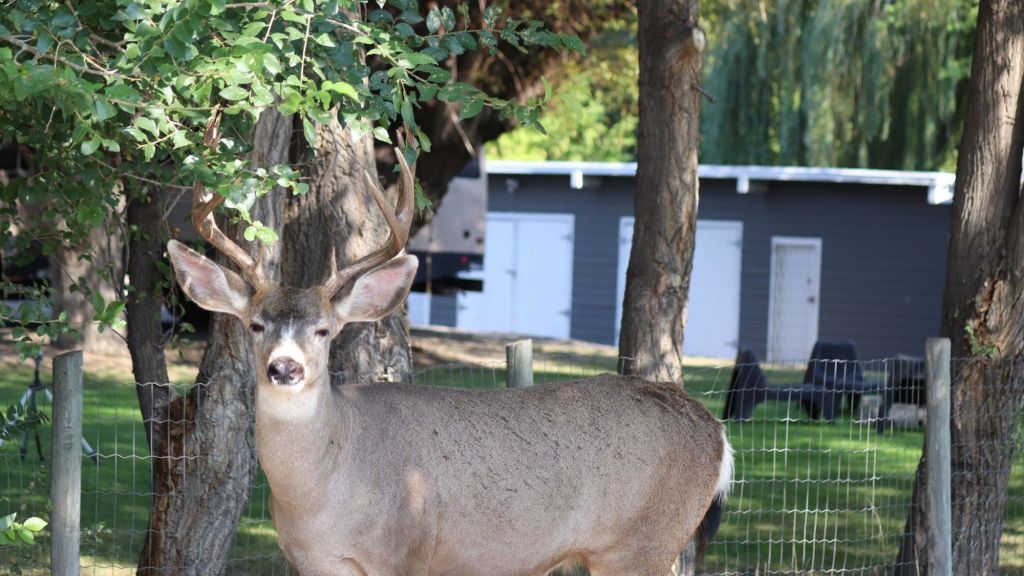
Deer in yard  summer 2025

Habitable for tokens, photo KDG Merritt BC

Photo KDG

An attender of the Bass Coast vet together took the back way to Merritt to attend the annual Bass Coast Art, Music and Nature event.

Enthusiastic about trip

The Duthy lake road Lilloet and Ashcroft and the highland valley to Merritt graced his adventure this July weekend.

“Forty five” minutes to charge.

On a class two 200 volt charger.

Happily using a city charger the man was able to rest briefly and prepare for more travel.

$3000.00 incentive

The operator said he was able to access a $3,000 incentive Grant from the government for this particular vehicle.

Return by highway.

On returning the plan is to combine with friends and investigate the value of non emoting cycles in column back home.

Looking at BC EB

Infrastructure support

Based on current trends and expert analysis, here are five types of places where people would like to see more infrastructure for EV charging: * Rural and Remote Areas (including Northern Communities and Indigenous Communities): These regions often have very limited or no public charging infrastructure. This creates “charging deserts” and significant range anxiety for EV owners, hindering adoption. While urban centers attract most private investment, building out reliable networks in rural areas is crucial for equitable access and to enable longer-distance travel. * Multi-Unit Residential Buildings (MURBs): A significant portion of the population lives in apartments, condominiums, or other multi-unit dwellings without dedicated home charging. This forces them to rely on public charging, and the lack of readily available and convenient options is a major barrier to EV ownership for these residents. Retrofitting existing buildings and requiring new ones to be “EV ready” are key solutions. * Highway and Travel Corridors (especially in less populated stretches): While progress is being made on major highways, there are still “pinch points” and long distances between chargers in some regions, particularly in countries with vast geographies like Canada. Reliable fast-charging along these routes is essential to alleviate range anxiety and enable inter-city and inter-provincial travel. * Workplaces: Many EV owners without home charging would benefit greatly from workplace charging. Currently, a significant percentage of those without home charging also lack a workplace charging option, increasing their reliance on public stations. Providing charging at workplaces can significantly enhance convenience and encourage EV adoption. * Lower-Income and Disadvantaged Communities: Research indicates that EV chargers are disproportionately concentrated in wealthier areas. Many low-income and disadvantaged communities have very few, if any, public chargers. This creates an accessibility gap and can hinder the transition to electric vehicles for a broader demographic. Initiatives are needed to ensure equitable distribution of charging infrastructure.

Sold out Festival ends Sunday the 14th.

Directions Festival gates

Editor’s notes: the Bass Coast Festival. It’s the right place to be having a discussion about the validity of bikes like the zero.

Farm gate

Income sources

Farm gate pricing can be a crucial component for supporting a family in British Columbia or Canada, but it’s often not sufficient on its own. Here’s a breakdown of the factors involved:
Farm Gate Pricing and Family Income:
* Potential for Higher Returns: Selling directly to consumers (farm gate sales) generally allows farmers to capture a larger share of the retail price, as they cut out intermediaries like wholesalers and retailers. This can lead to better margins per unit of product.
* Challenges to Viability:
   * Scale and Volume: To generate enough income to support a family, a farm needs to produce and sell a significant volume of products. This requires substantial labor, land, and capital investment.
   * Market Access and Demand: While direct sales offer better prices, farmers need consistent customer demand. This often means being located near population centers, investing in marketing, and building customer relationships.
   * Off-Farm Income: A significant number of small-scale family farms in Canada, including BC, rely on off-farm income to supplement their farm gate sales and cover living expenses. This indicates that farm income alone is often not enough.
   * Rising Costs: Farmers face increasing input costs (feed, fertilizer, fuel, equipment), high land values (especially in BC), and fluctuating market prices, which can squeeze profit margins even with direct sales.
   * Labor and Time Commitment: Operating a successful farm with direct sales requires a huge time commitment, including production, processing, marketing, and sales. This can be challenging to balance with family life and other employment.
* Government Regulations: In BC, there are specific “Farmgate” and “Farmgate Plus” licenses for meat producers, allowing certain slaughter volumes for direct sales. This shows an attempt to support direct marketing, but there are still volume limits and other regulations to navigate.
Economies of Scale and Small Farms/Cooperatives:
* Traditional Economies of Scale: Historically, “economies of scale” in agriculture have favored large farms that can produce massive quantities at lower per-unit costs due to specialized machinery, bulk purchasing, and efficient distribution networks. This often puts small farms at a disadvantage.
* How Small Farms Can Achieve “Economies of Scope” or “Network Economies”: While true “economies of scale” (simply growing bigger to reduce per-unit costs) might be harder for individual small farms, they can achieve similar benefits through different strategies:
   * Diversification (Economies of Scope): Small farms often diversify their crops and products. This allows them to spread risk, utilize resources more efficiently, and cater to diverse market demands, effectively creating multiple revenue streams from a similar asset base.
   * Direct Marketing: Selling directly to consumers at farmers’ markets, farm stands, CSAs (Community Supported Agriculture), or online platforms helps small farms capture more of the retail dollar, effectively increasing their “scale” of profitability per unit.
   * Value-Added Products: Processing raw agricultural products into higher-value goods (e.g., making jams from fruit, baked goods from grains, or prepared meals) can significantly boost revenue.
* Cooperatives and Economies of Scale: This is where cooperatives truly shine for small family farms. Cooperatives allow individual farms to achieve many of the benefits of larger-scale operations by:
   * Bulk Purchasing: Buying inputs like seeds, fertilizers, and equipment collectively at discounted rates.
   * Shared Equipment: Investing in expensive machinery that individual farms couldn’t afford on their own.
   * Collective Marketing and Distribution: Pooling products to access larger markets, negotiate better prices, and streamline logistics (e.g., shared transportation, centralized storage facilities).
   * Processing and Value-Adding: Establishing shared processing facilities to create value-added products that individual farms might not have the capacity for.
   * Risk Management: Sharing risks associated with crop failure or market fluctuations.
   * Knowledge Sharing: Members can share expertise and best practices, leading to improved efficiency and productivity.
   * Access to Financing: Cooperatives may have better access to loans and grants than individual small farms.
   * Increased Bargaining Power: Cooperatives give small farmers a stronger voice in the marketplace and with suppliers.
In Conclusion:
While farm gate pricing offers potential for higher returns, it’s often not enough on its own to support a family in British Columbia or Canada given the high costs and challenges of farming. However, when combined with strategies that mimic economies of scale, particularly through cooperatives and diversified direct marketing, small family farms have a much better chance of achieving economic viability and supporting a family. Cooperatives, in particular, empower small farms to collectively leverage resources and market power, providing a pathway to sustainable livelihoods in agriculture.

Farm gate licencing for market?

Music in the park…

Time to go to

Music in the park brings its own chairs 2024

Summer artisan show on  now at the gallery.

The Nicola Valley Community Arts Council has put on a show called The Summer artisan show at the gallery. The corner of Nicola and Voght in Merritt.

See featured breezeway artist Karianne Kroker and her beautiful painting of diving and feeding geese. She has a particular style and expression that goes to realism in a slow wade with just enough impression to invoke a touch of subjectivity.