You are presumed to be honest and responsible without evidence to the contrary beyond a reasonable doubt… on the balance of probablilties you are justified by 51 % likelyhood.
Labour does better when its trained and can reference.
A life to attain.
Plan pursue present:
Yes, March is an excellent time to apply for an apprenticeship in British Columbia.In the trades industry, timing your application with the “spring thaw” is a classic move. As the weather improves, the construction and resource sectors ramp up, making March a pivotal month for hiring and training registration.
Why March is a Strategic Choice
* The Spring Hiring Surge:
Most construction and outdoor-based companies (landscaping, roofing, heavy equipment) begin their peak season in April or May. By applying in March, you are hitting their desks just as they are finalizing their crews and looking for “green” apprentices to start on new projects.
* Academic Intake Alignment:
Many technical institutes (like BCIT, Camosun, or Okanagan College) have intake periods that start in late spring or early fall. Applying in March gives you enough lead time to secure a sponsor—a requirement for most apprenticeship registrations—before the next school term begins.
* Grant Deadlines:
March 31 is a significant date for provincial and federal fiscal years. While some grants have transitioned recently, keeping your paperwork aligned with this date ensures you don’t miss out on potential financial supports or tax credits that reset in April.
The Two-Step Application Process
In BC, “applying” for an apprenticeship isn’t a single form; it’s a two-part journey:
| Step | Action | Timing Note:
1. Find a Sponsor
| Get hired by an employer willing to “sponsor” your training. | March is peak season for this. ||
2. Register with Skilled Trades BC
Once hired, you and your employer register your apprenticeship online.
| Do this immediately after being hired.
|Key Industries Hiring in BC (Spring 2026)Based on current labor market outlooks, these sectors are particularly hungry for new apprentices right now:
* Construction:
Carpenters, Electricians, and Plumbers remain in high demand due to provincial housing initiatives.
* Motive Power:
Automotive Service and Heavy Duty Equipment Technicians..
* Industrial:
Millwrights and Welders, especially in the northern regions and the Interior.Tips for Success in March * Don’t just “dive” in—prepare: Before sending resumes, ensure you have your PPE (Personal Protective Equipment) ready. Mentioning in an interview that you already have your steel-toed boots and a valid driver’s license often moves you to the top of the pile.
* Use STEP:
The Skilled Trades Employment Program (STEP) is a free BC service that connects job seekers with employers. March is a busy month for them, so reach out early.
* Foundation Programs:
If you can’t find a sponsor immediately, look into “Foundation” programs at local colleges. These 6-month courses count toward your Level 1 technical training and make you much more hireable.Would you like me to look up the specific intake dates for a particular trade or college in your area?
Valentines day
Perhaps this year Valentine’s Day means something to you. It also means that we’re halfway through February and if you believe that March applications for step would be a benefit for you. Or the day reminds you that there is another person involved in your life that is special and a consideration. We wish you both good success in your life.
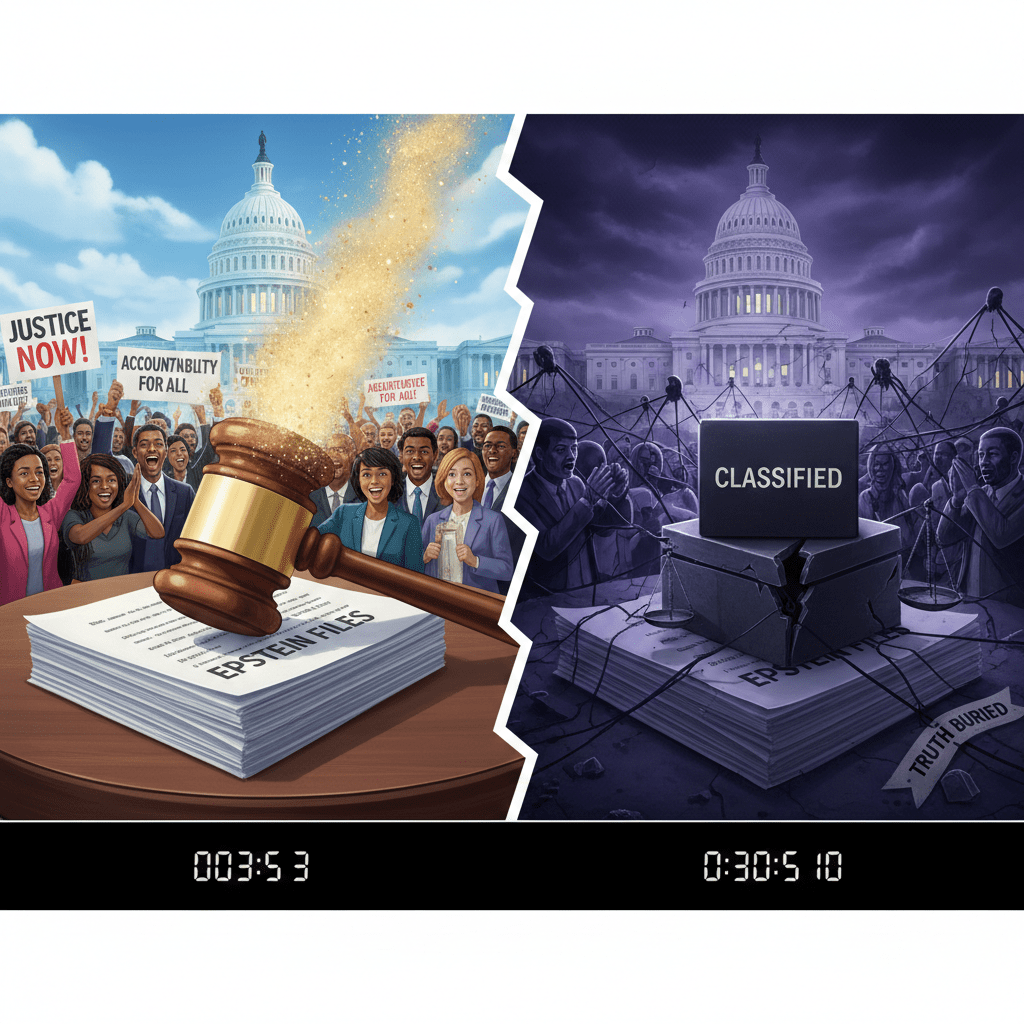
When it comes to the “Epstein files”—particularly the massive trove released in early 2026—the question of “belief” requires distinguishing between official records and unverified allegations.Because these files contain millions of pages from various sources (FBI reports, court depositions, and personal emails), they aren’t a single cohesive narrative.
Here is how to look at what’s coming out:
1. The “List” vs.
The Contact BookOne of the biggest sources of confusion is the idea of a “client list.” * The Reality: The Department of Justice (DOJ) stated in July 2025 and reaffirmed in 2026 that no official “client list” exists. * The Context: Most of the names appearing in the files are from Epstein’s personal address books or flight logs. Being “in the files” often just means Epstein had someone’s phone number or they sat on his plane. It does not automatically imply they participated in his crimes.
2. Verified vs. Unverified Content
The files are a “mixed bag” of evidence types: * Verified Documents: Things like flight logs, emails, and phone records are generally considered factual evidence of contact. For example, the 2026 release confirmed that Prince Andrew and Epstein remained in contact much later than previously admitted.
* Depositions and Allegations:
Many files contain testimony from victims (like Virginia Giuffre) or Epstein’s staff. While these are “real” legal documents, they contain unsworn statements or hearsay that were never tested in a criminal trial against the people mentioned. * FBI “302” Reports: These are summaries of interviews conducted by agents. They provide a “real” look at what people told the FBI, but they aren’t proof that those statements were 100% accurate.
3. Misinformation and “Fakes”
Since the Epstein Files Transparency Act was signed in late 2025, the internet has been flooded with doctored images and fake lists.
* The “Celebrity” Trap:
Many names seen on social media (like late-night hosts or certain actors) have been debunked as fabrications not found in the actual DOJ releases. *
The “Birthday Book”:
The 2025 release of a “birthday book” compiled by Ghislaine Maxwell contained crude jokes and drawings involving high-profile names. While the book itself is a real artifact, the “jokes” within it (like a fake receipt for a woman “sold” to a prominent figure) are often interpreted by investigators as dark humor or posturing rather than literal receipts of crimes.
How to Navigate the News
To avoid the “dives” into misinformation, it’s best to stick to reports from outlets that have actually sat down with the millions of pages—like the Associated Press or The Washington Post—which distinguish between a name appearing in an address book and a name appearing in a criminal allegation.>
Key Takeaway:
You can believe the files are authentic documents from the investigation, but you should not assume every allegation or name within them is proof of a crime.
Would you like me to look up the specific details regarding any particular person or event mentioned in the latest releases?
Reasons to not take literal.
Editors note:
Dark humour, Metaphor, Coding,discriptive language, sexual play…
Flip Wilson was noted as a comedian that always blamed things on the devil. Don’t get ahead of yourself or the FBI with physical verification. Nobody believed flip Wilson literally.
Well
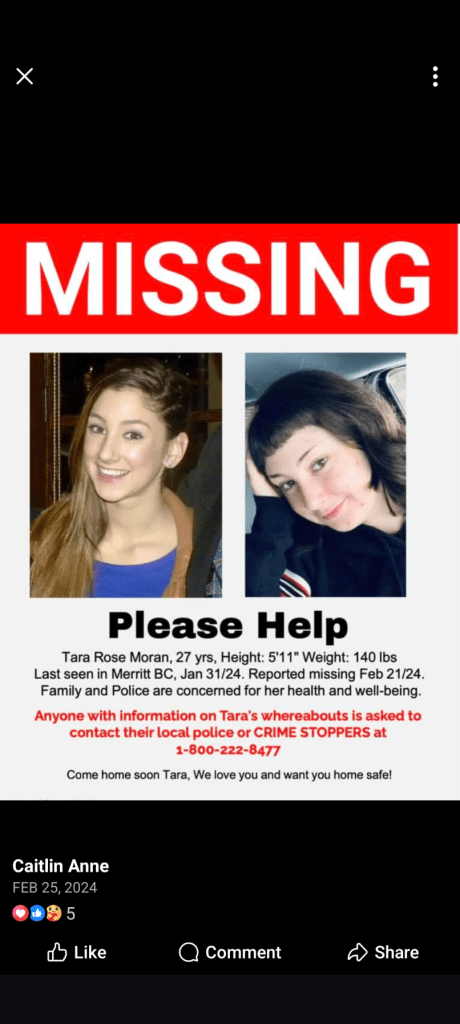
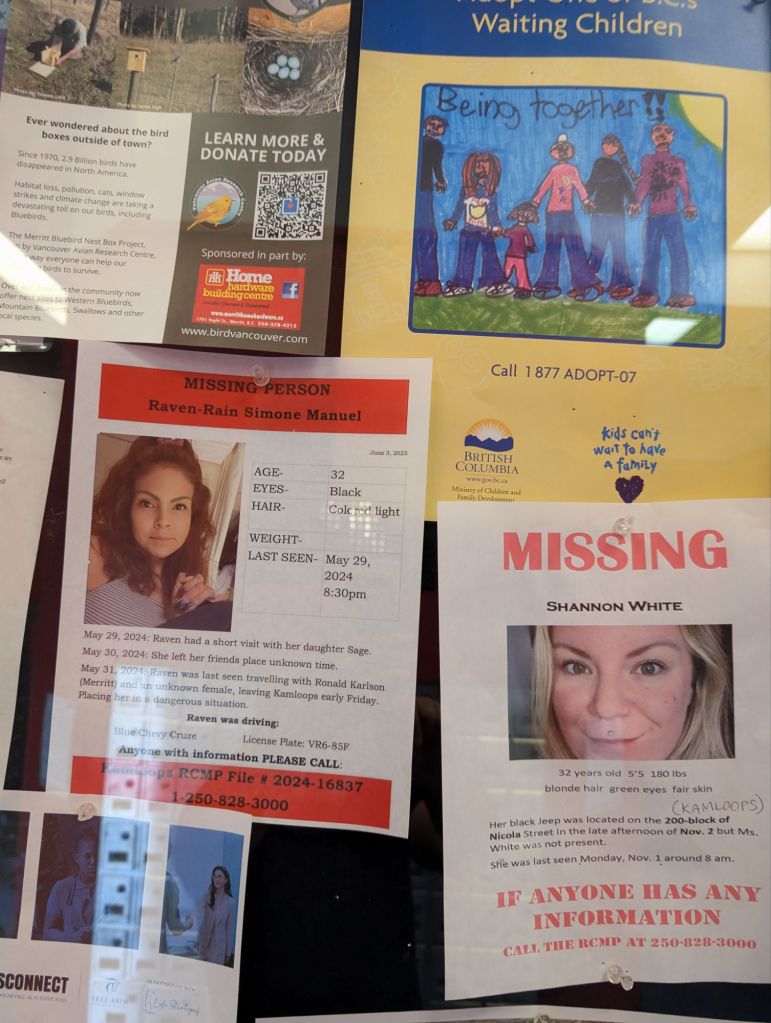
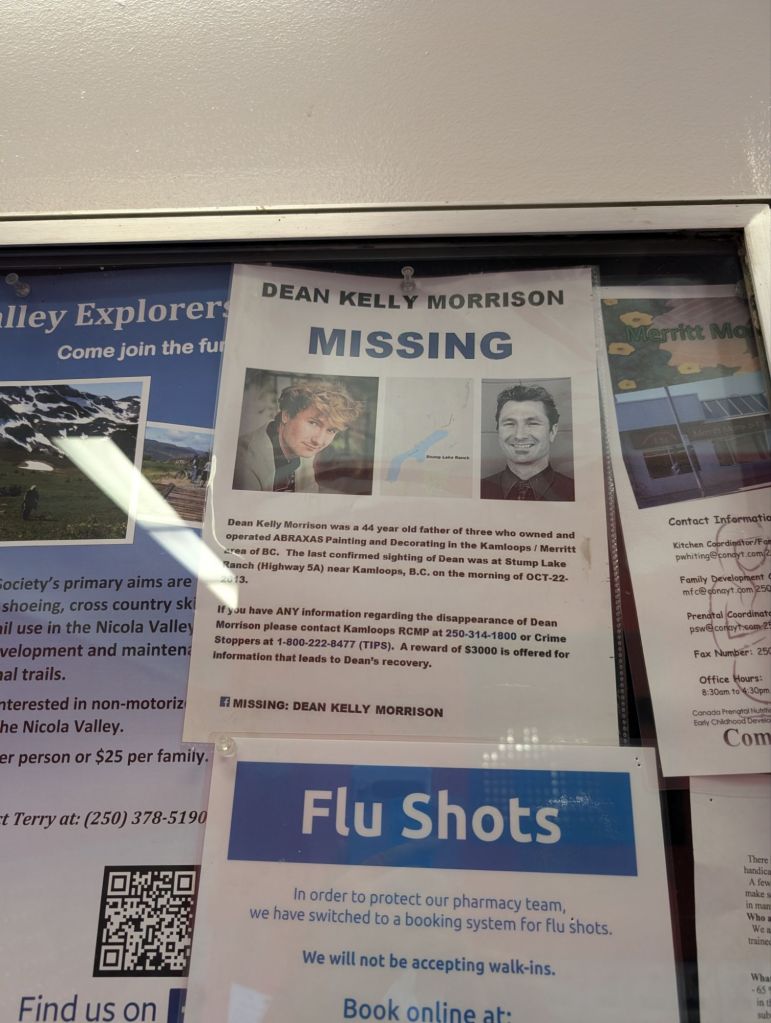
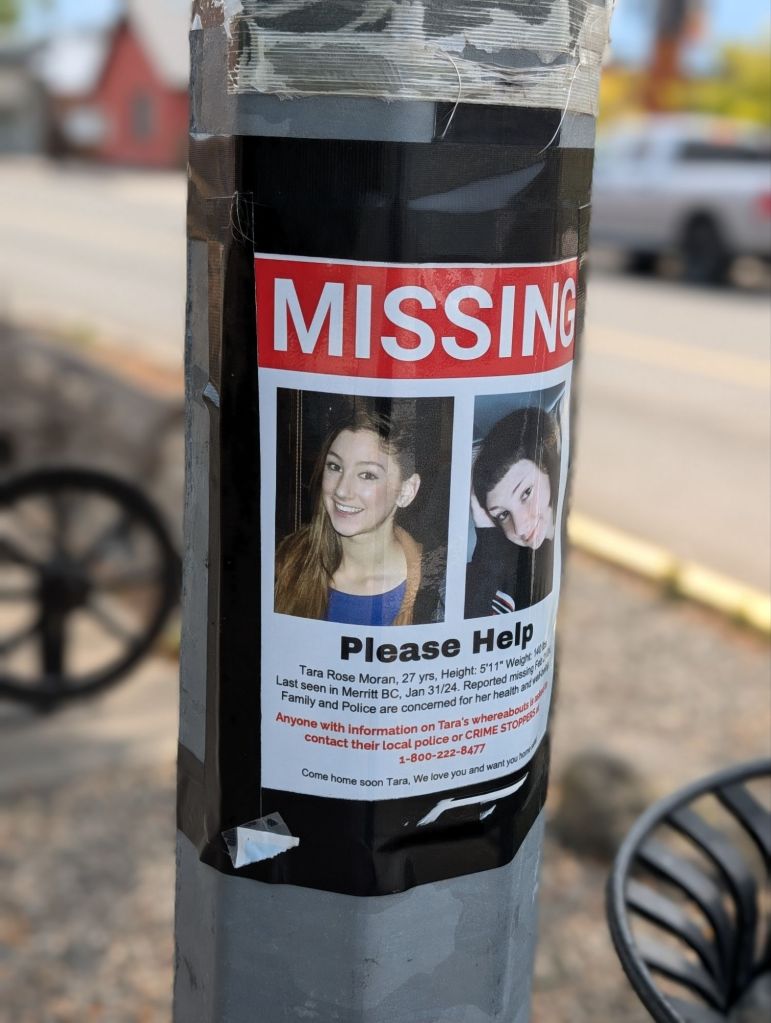
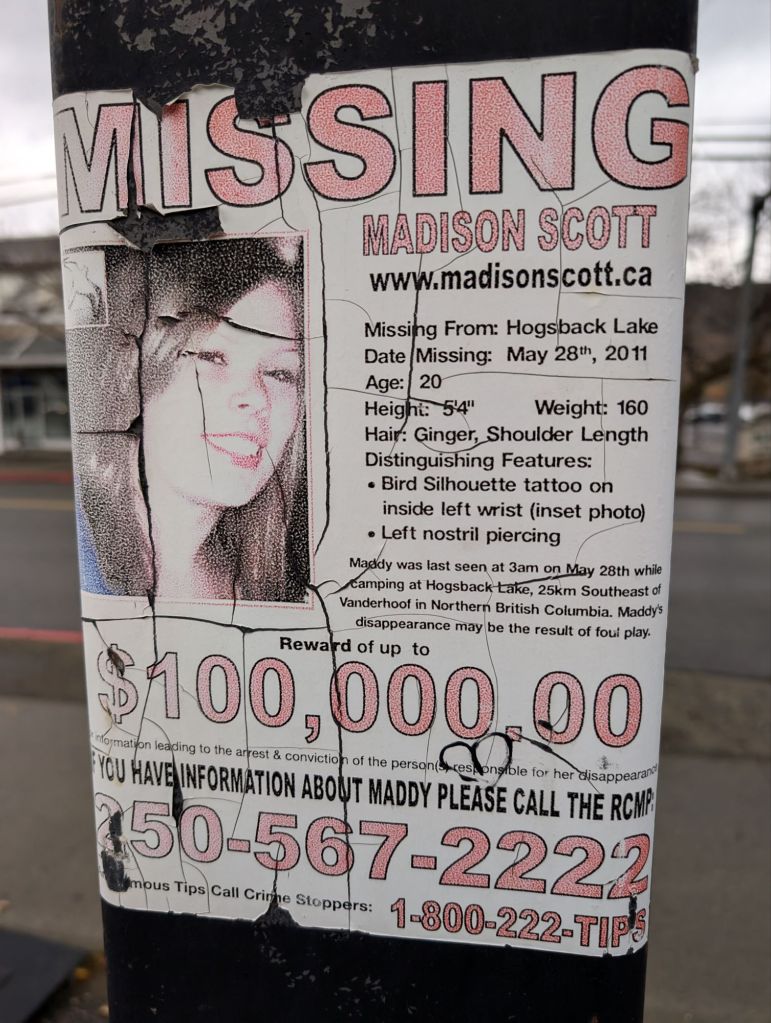
That being said, until some of the missing people in British Columbia and Canada are accounted for,it would be good to warn young people and vulnerable people that they can’t take the luxury of doing that.
Stranger danger is one thing, double lives of authentic people is another you be the judge when you explain.
PS:
The movie the Wicker Man was out on the market in the early 2000s and even before. It would be reasonable to think that amongst celebrities and the nature available on these islands that conversations may have been scoped for excitement and not reality.
It could also be that play went too far, and some of it was true.
The United States president has recently stopped a construction of a bridge between Ontario and his country. Citing the fact that Ontario had curtailed some liquor sales or taken American liquor off Canadian shelves.
Reports also indicate that The premier of Ontario. Doug Ford was meeting with the Canadian prime Minister lately. Looking for a possible support mechanism that would make it possible for an election to be called in Canada to regain a government majority by the liberals.
This would be the minority government that was partially incurred by the recruitment of the former deputy prime Minister into the employment of the war engaged US supplied armed conflict of Ukraine President Zelinski against the alleged Russian aggression that saw the Russian state tried to protect Russian minorities within the boundaries of Ukraine.
So while they’re looking at the same Moon that we’re looking at, in Canada, their objectives are different and we must console ourselves for being used. We should all agree that the Epstein thing should not be moved on from because it’s relevance is made more and more clear and pertaining to a striking home at our nation everyday.
Exploitive behavior and a disdain for the explotable, with the greater good of intangible fame a farce and it’s sister regret… Lost in shuffles it will not pass easily,if it continues to exploit moving on while expedient in some minds, it is just more appetite for the same lust.
Normal people stay close to your vulnerables. We have no simple platitudes for you today. Good luck! Just signs us out of here. We hope you do create your own luck though. Good night…
That bridge is a bridge too far, when it’s pillars support such things.
Bringing a construction project to completion is a complex process that involves several key stages, each with its own set of challenges and goals. While the specific steps can vary depending on the size and type of project, the general process can be broken down into the following phases: 1. Conception and Design: This is the initial stage where the project’s vision is created. It involves defining the project’s purpose, scope, and feasibility. The owner works with architects and engineers to create the design, which includes detailed blueprints and specifications. During this phase, a business case and feasibility study are often conducted to ensure the project is viable. 2. Pre-construction and Procurement: Once the design is finalized, the focus shifts to planning for the actual construction. This is where the construction team develops a detailed plan, including budgets, schedules, and a strategy for how the building will be constructed. This phase also involves procurement, which is the process of selecting and hiring the necessary contractors, subcontractors, and suppliers. Permits and approvals from local authorities are also secured during this time. 3. Construction: This is the physical phase of the project, where the actual building takes shape. It begins with site preparation and excavation, followed by laying the foundation, framing, and building the structural elements. This stage also includes the installation of major systems like plumbing, electrical, and HVAC. Throughout this phase, a project manager oversees the work, manages the schedule and budget, and ensures that safety protocols are followed. 4. Post-Construction and Close-Out: The final stage of the project involves bringing everything to a close and preparing for the handover to the owner. This includes: * Final Inspections and Walk-throughs: Thorough inspections are conducted to ensure all work meets quality standards and is completed according to the plans. This is also when the project team and client do a final walk-through to identify any last-minute issues or “punch list” items that need to be addressed. * Documentation and Paperwork: All necessary documents, including manuals, warranties, and “as-built” drawings (which show the final state of the building as constructed), are gathered and organized. * Handover: The project is formally handed over to the client. This typically includes a meeting to review all documentation and transfer keys and other essential items. * Insurance Changes: The construction insurance is changed to a permanent property insurance policy. A successful construction project relies on a clear plan, effective communication, and a strong partnership between all parties involved, including the owner, architects, engineers, and contractors.
The reign of crime is always an investigation away…
Sherlock Holmes, the iconic detective created by Sir Arthur Conan Doyle, epitomizes the art of deduction and forensic investigation. With unparalleled observational skills and a deep understanding of human psychology, Holmes represents the ideal detective mentality that provides a shield against criminal masterminds.
Holmes’s methods hinge on the meticulous gathering of evidence and the ability to interpret seemingly trivial details. His famous phrase, “When you have eliminated the impossible, whatever remains, however improbable, must be the truth,” encapsulates the scientific approach he applies to uncovering the truth. This method not only allows him to solve intricate cases but also serves as a deterrent to criminals who underestimate the capabilities of law enforcement and the intelligence of dedicated detectives.
The detective mentality exemplified by Holmes emphasizes several key traits:
Attention to Detail: Detectives observe their surroundings meticulously, recognizing patterns and anomalies that can lead to the identification of a perpetrator.
Logical Reasoning: Holmes is known for his logical approach to solving crimes, often laying out a clear path from evidence to conclusions, which helps in dismantling convoluted criminal schemes.
Understanding Human Behavior: Holmes’s insights into human motivations and behaviors help him predict and outmaneuver criminals, highlighting the psychological aspect of crime prevention.
Collaboration: Holmes does not work in isolation; his partnership with Dr. Watson exemplifies the importance of collaborative efforts in tackling crime.
Through the lens of Holmes, we see how a sharp mind and logical reasoning can not only unearth criminal activity but also foster a sense of security within the community, reinforcing the belief that justice can prevail even in the face of cunning minds.
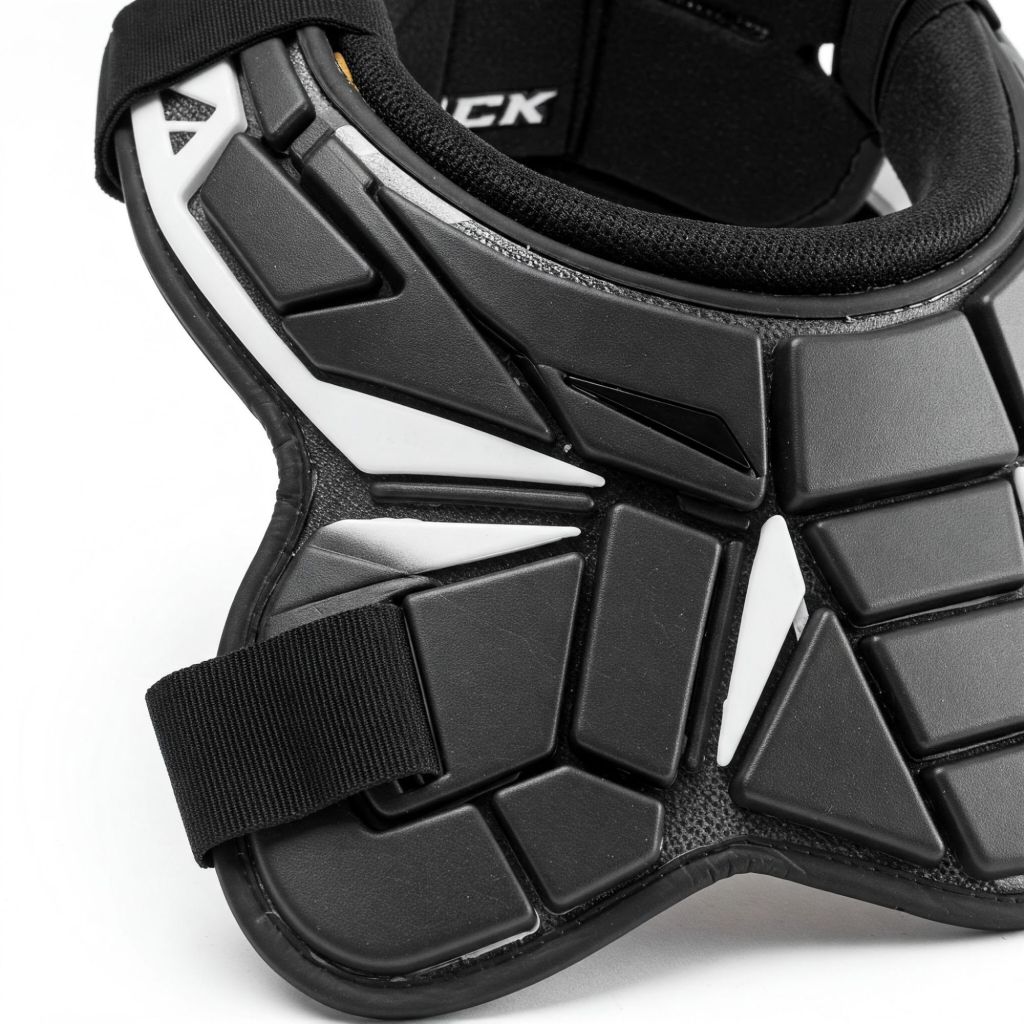
Neck guards in minor hockey have a history rooted in a tragic incident. In 1975, Ontario Junior A league goalie Kim Crouch suffered a severe neck laceration from a skate blade. Following this near-fatal injury, his father developed the first neck guard to allow Kim to return to playing. This event spurred the initial adoption of neck guards, particularly in Canadian minor hockey leagues. Over the following decades, neck guards became increasingly common in minor hockey across Canada. Many provincial and local hockey organizations mandated their use for players under a certain age. The Bureau de normalisation du Québec (BNQ) certification became a standard, ensuring the quality and protective capability of neck guards used in Canada. In the United States, the adoption of mandatory neck guards in minor hockey has been less uniform historically, often varying by state or local association. However, following the death of Adam Johnson, who suffered a fatal neck cut in a professional game in England in October 2023, there has been a significant push for mandatory neck protection at all levels. As a result, USA Hockey mandated neck laceration protection for all players under the age of 18, effective August 1, 2024. Use in Professional Hockey: Currently, neck guards are not mandatory in the National Hockey League (NHL). While some players choose to wear them, the majority do not. Concerns about comfort, potential hindrance to performance, and tradition are often cited as reasons for this resistance. However, the conversation around neck guards in professional hockey has intensified following recent serious neck injuries in hockey globally. Some NHL players have begun to wear neck guards voluntarily, and there is ongoing discussion about whether the league and the NHL Players’ Association might eventually agree to make them mandatory, similar to the evolution of helmet and visor rules. Other professional leagues, such as the American Hockey League (AHL) and leagues in Europe (Germany, Sweden, Finland, and England), have implemented mandatory neck guard policies. The International Ice Hockey Federation (IIHF) also mandates neck guards for all its tournaments, including the World Junior Championships and the World Championships. Effectiveness and Usefulness: Neck guards are designed to protect the vulnerable neck and throat area from lacerations caused by skate blades, hockey sticks, and pucks. They are typically made of cut-resistant materials like Kevlar or Spectra fibers, often encased in a comfortable fabric. Studies and real-life incidents suggest that neck guards can be effective in preventing or reducing the severity of neck lacerations. While no protective equipment can guarantee complete safety, neck guards provide a crucial barrier against sharp objects that could otherwise cause life-threatening injuries to major blood vessels and nerves in the neck. Have they ever saved anyone from catastrophic injury? Yes, there are documented cases where neck guards are believed to have saved players from severe or fatal injuries: * The case of Kim Crouch: His injury in 1975 directly led to the development and subsequent use of neck guards, preventing similar incidents for countless players. * Recent youth hockey incident in Eastern Ontario: Following Adam Johnson’s death, a young player was reportedly saved by a neck guard after being cut by a skate. While less publicized, it is plausible that neck guards have prevented numerous other less severe but still significant neck injuries over the years. In conclusion, the history of neck guards in hockey began with a serious injury that prompted their invention. They have become a standard and often mandatory piece of equipment in minor hockey, particularly in Canada, and are now gaining increased attention and mandatory status in youth hockey in the United States. While not currently mandatory in the NHL, the effectiveness and potential life-saving benefits of neck guards are becoming increasingly recognized, leading to more players choosing to wear them and ongoing discussions about a potential league-wide mandate in the future.
It’s very common to struggle with distractions in today’s world. Here’s a breakdown of what distraction is, its negative effects, and strategies for combating it: What is Distraction? * Definition: * Distraction is the process of diverting attention away from a desired focus. It disrupts concentration and hinders the ability to process information effectively. * It can arise from both external stimuli (e.g., noise, notifications) and internal factors (e.g., wandering thoughts, anxieties). How Distraction Affects Appointments and Other Negatives: * Missed Appointments: * Distractions can lead to forgetting appointments, losing track of time, or becoming sidetracked while preparing to leave. * This can result in consequences like: * Late fees. * Damaged professional relationships. * Missed opportunities. * Other Negative Effects: * Reduced Productivity: Distractions significantly decrease efficiency and the quality of work. * Increased Stress: Constant interruptions can lead to feelings of overwhelm and anxiety. * Impaired Focus: Chronic distraction weakens the ability to concentrate, affecting learning and problem-solving. * Relationship Strain: Distraction during conversations can make others feel unheard and disrespected. * Increased errors: when a person is distracted, the chances of making mistakes increases dramatically. Combating Distraction: * Identify Distractions: * Recognize common triggers, such as social media, email notifications, or specific environments. * Pay attention to internal distractions, like racing thoughts or worries. * Create a Conducive Environment: * Minimize external distractions by finding a quiet workspace. * Turn off unnecessary notifications. * Use noise-canceling headphones. * Time Management Techniques: * Use a planner or digital calendar to schedule appointments and tasks. * Break down large tasks into smaller, manageable steps. * Practice the Pomodoro Technique (work in focused intervals with short breaks). * Mindfulness and Meditation: * Develop awareness of wandering thoughts and learn to redirect attention. * Regular meditation can improve focus and reduce mental clutter. * Prioritize and Delegate: * Focus on essential tasks and avoid multitasking. * Delegate tasks when possible to reduce workload. Dealing with Distraction in Others: * Patience and Understanding: * Recognize that distraction can be a common struggle. * Avoid judgment and offer support. * Clear Communication: * When giving instructions, provide them in a clear and concise manner. * Repeat important information and ask for confirmation. * Provide Reminders: * Offer gentle reminders about appointments or deadlines. * Use shared calendars or reminder apps. * Supportive Environment: * If possible, help create a less distracting environment for them. * If you know that someone has a severe problem with distraction, like someone with ADHD, understanding and compassion is key. * Encourage Professional Help: * If the distraction is severe and impacting their life, encourage them to seek professional help from a therapist or counselor. By understanding the nature of distraction and implementing effective strategies, individuals can regain control of their attention and improve their overall well-being.
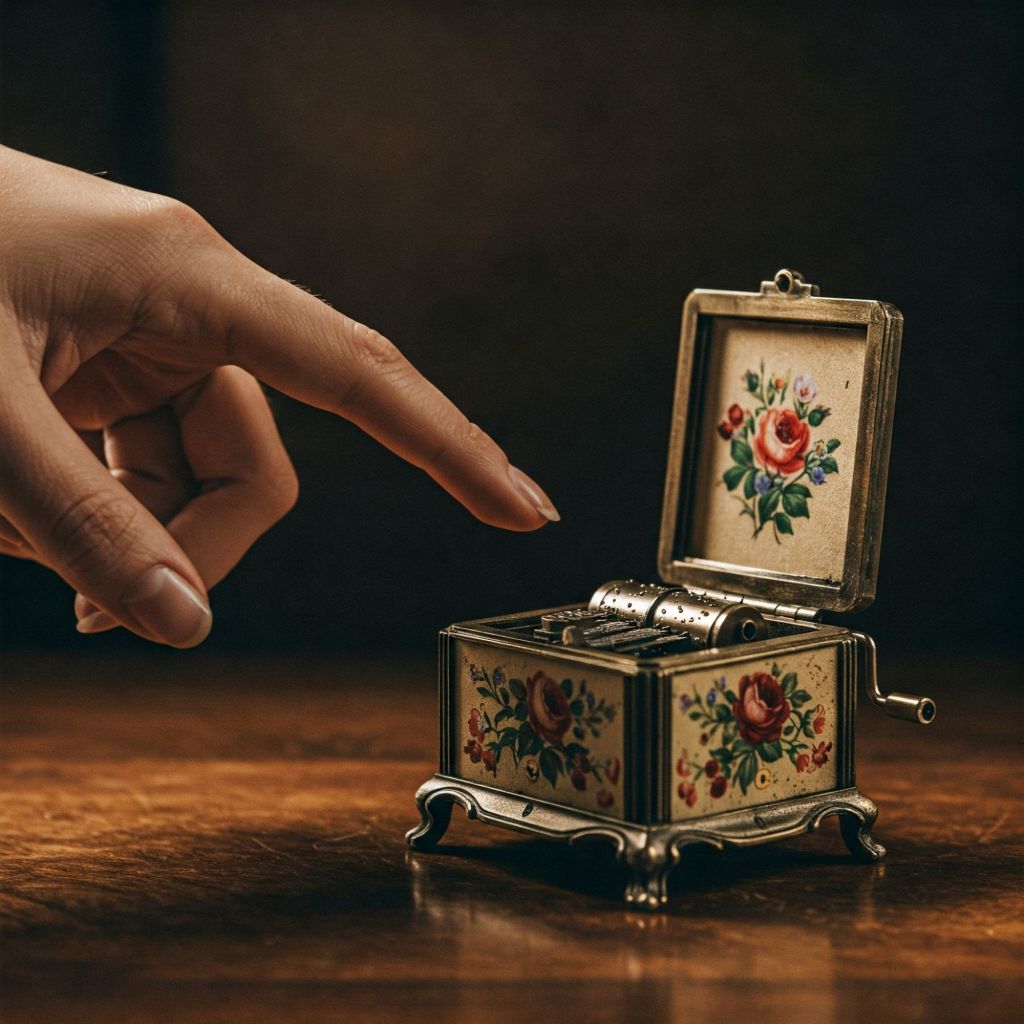
The saying “When you point a finger, you’ll have three pointing back at you” is a powerful reminder that blame and criticism often reflect back on the person doing the pointing. It suggests that before we are quick to judge or accuse others, we should first examine our own actions, motivations, and perspectives. Here’s a breakdown of the meaning: * Accountability: The three fingers pointing back represent the aspects of ourselves that we need to take responsibility for. This could include our own mistakes, shortcomings, or contributions to a situation. * Self-reflection: The saying encourages us to look inward and honestly assess our own role in any conflict or issue. It prompts us to ask ourselves: “What could I have done differently? How am I contributing to this situation?” * Empathy: By recognizing that we are not perfect and that we all make mistakes, we can develop greater empathy for others. This can lead to more understanding and forgiveness. * Humility: The saying reminds us that we are all fallible and that no one is above making mistakes. It encourages humility and discourages self-righteousness. Where to apply it: This saying can be applied in any situation where blame or criticism is involved, such as: * Personal relationships: When conflicts arise with family or friends, it’s important to consider our own role in the situation and avoid simply blaming the other person. * Workplace: In a team setting, if a project fails, it’s more productive to focus on what everyone can learn from the experience rather than assigning blame. * Social issues: When discussing complex social problems, it’s important to avoid making sweeping generalizations or blaming entire groups of people. Instead, we should strive to understand the root causes of the issues and work towards solutions. Is it a good thing? Yes, I believe this saying is a valuable principle to live by. It promotes self-awareness, accountability, and empathy. By reminding us to look inward before pointing fingers, it can help us build stronger relationships, resolve conflicts more effectively, and create a more compassionate world. However, it’s important to note that this saying doesn’t mean we should never hold others accountable for their actions. It simply suggests that we should always start by examining ourselves first.













 Kevin Griffiths
 percypaschal
 The Proprietor Review