
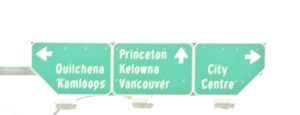
There are issues about transporting weeds and other contaminates check with local authorities before trouble brews.
Canoe “I just deliver them-driver.”

Regulated
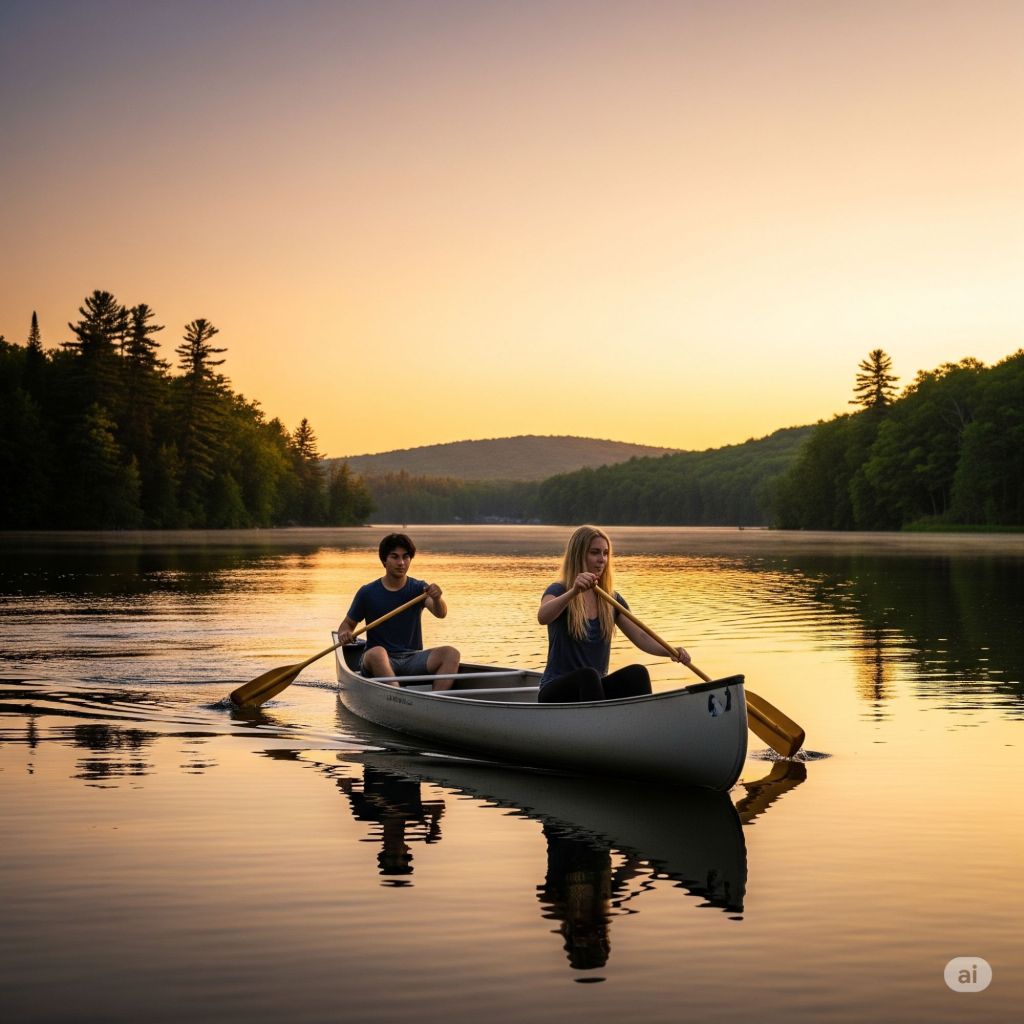
The regulations for canoeing in Alberta are primarily governed by Transport Canada’s Small Vessel Regulations, as boating safety is a federal responsibility in Canada. Alberta also has specific regulations regarding aquatic invasive species.
Here’s a breakdown of what canoes need in Alberta:
Flotation Devices (Life Jackets/PFDs)
* One life jacket or Personal Flotation Device (PFD) for each person on board. This is a non-negotiable requirement for all watercraft, including human-powered ones like canoes.
* Canadian-approved: The life jacket or PFD must be Canadian-approved. There are three main types:
* SOLAS (Safety of Life at Sea) lifejackets: High-performance, approved for all vessels, turn you on your back even if unconscious.
* Standard Type lifejackets: Approved for all vessels except SOLAS, also turn you on your back even if unconscious.
* Small Vessel lifejackets: Approved for small vessels.
* Proper Fit: It’s crucial that the life jacket or PFD fits snugly and correctly. For children, it should not ride up over their chin or ears, and there should be less than 7.6 cm (3 inches) between their shoulders and the device.
* Condition: Ripped or poorly conditioned flotation devices are not considered approved.
* Inflatable PFDs: Inflatable PFDs are prohibited for people under 16 years of age or who weigh under 36.3 kg (80 lbs.), and for operators of personal watercraft.
Paddle Equipment and Other Required Safety Gear
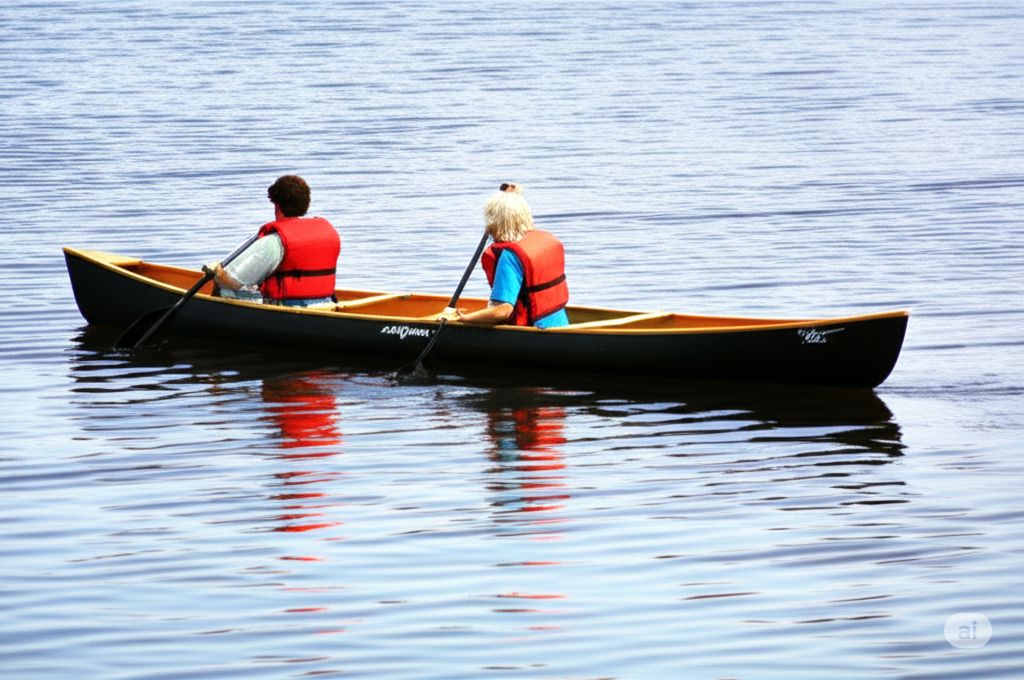
For canoes up to 6 meters (19’8″) in length, you generally need the following, in addition to life jackets/PFDs:
* Buoyant Heaving Line: A buoyant heaving line at least 15 meters (50 feet) long.
* Bailing Device: A bailer or a manual bilge pump. (Note: Not required for craft with watertight compartments that won’t allow the craft to hold enough water to capsize).
* Sound Signalling Device: A sound signalling device (like a pea-less whistle for human-powered craft).
* Reboarding Device (if applicable): A reboarding device (like a ladder) is required unless the vertical height to climb to reboard the pleasure craft is not more than 0.5 meters.
* Navigation Lights (if applicable): If you are operating after sunset and before sunrise or in periods of restricted visibility, you need navigation lights. For a canoe, a single light (like a watertight flashlight, lantern, or torch) is sufficient.
Additional Recommendations and Important Considerations
* Spare Paddle: It’s always recommended to have one paddle per person in the canoe plus a spare.
* Watertight Flashlight: While sometimes covered by navigation light requirements, a watertight flashlight is always a good idea, especially for low-light conditions.
* First Aid Kit: Although not explicitly listed as mandatory for all canoes by Transport Canada, it’s highly recommended to carry a first aid kit. For guided excursions, specific first aid kit requirements apply.
* Helmet: For river paddling, especially on Class 3 or above waters (whitewater), a helmet of an appropriate size is required. Paddle Canada also requires helmets on all Class II and above waterways for sanctioned courses and participants.
* Aquatic Invasive Species (AIS) Regulations: Alberta has strict regulations to prevent the spread of aquatic invasive species, such as zebra and quagga mussels.
* Drain Plugs: All watercraft must have their drain plugs pulled while being transported on Alberta highways. Failure to do so can result in a significant fine.
* Watercraft Inspections: When highway signage indicates a watercraft inspection station is open, all watercraft (motorized and non-motorized) being transported must stop for inspection. Bypassing an open station with a watercraft is a serious violation.
* Clean, Drain, Dry, and Certify: Before entering a new waterbody, you are required to clean, drain, and dry your watercraft and all water-related gear. In some areas, like Banff National Park, you may need to obtain an AIS prevention self-certification permit.
* No “Boating License” for Canoes (unmotorized): You do not need a Pleasure Craft Operator Card (often referred to as a “boating license”) to operate a human-powered craft like a canoe, unless it is fitted with a motor (even an electric trolling motor).
* Alcohol Consumption: Operating a boat while under the influence of alcohol or drugs is a criminal offense. Alcohol consumption is generally restricted on board unless the boat has a sleeping area, cooking facilities, or a toilet, or is docked.
It’s always a good idea to consult the Transport Canada Safe Boating Guide and the Alberta.ca website for the most current and detailed information on regulations. These resources provide comprehensive lists and explanations of safety equipment and rules.
The above may not be full and complete please review the regulations with the regulator responsible in the jurisdiction.



 Kevin Griffiths
 percypaschal
 The Proprietor Review