

Secrets of the universe…
The November 2025 sky promises a spectacular display, headlined by the closest and brightest Supermoon of the year!🌕 The November 5 Supermoon in British ColumbiaThe Full Moon in November is traditionally called the Beaver Moon. This year, it’s also a Supermoon, meaning the Full Moon coincides with the Moon’s closest approach to Earth (perigee), making it appear slightly larger and brighter than an average Full Moon. In fact, this is being called the biggest Supermoon of 2025.| Detail |
Time (PST – Pacific Standard Time) ||—|—|| Exact Peak Illumination | Wednesday, November 5 at 5:19 AM PST || Approximate Moonrise (Vancouver) | Tuesday, November 4 around 4:00 PM PST || Approximate Moonset (Vancouver) | Wednesday, November 5 around 7:37 AM PST |Note on Timing:The Moon is technically “Full” at the exact moment of peak illumination (5:19 AM PST on Nov 5th), but it will appear full to the eye for about three days, from the evening of November 4th through the evening of November 6th.What to Look For 👀The best viewing for the “super” effect is actually when the Moon is low on the horizon on the evenings of November 4th and 5th.
* The “Moon Illusion”:
When the Moon is near the horizon, a psychological phenomenon known as the “Moon Illusion” makes it look even larger next to foreground objects like trees and buildings. This will enhance the Supermoon’s effect.
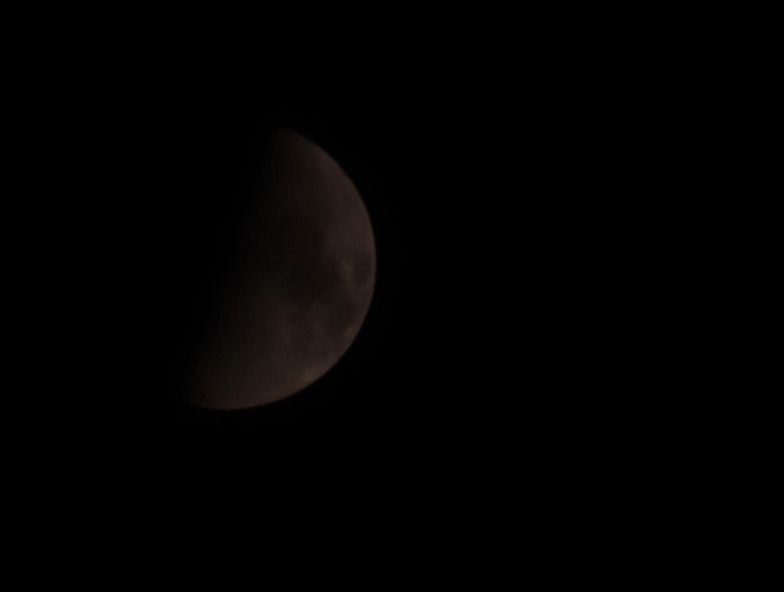
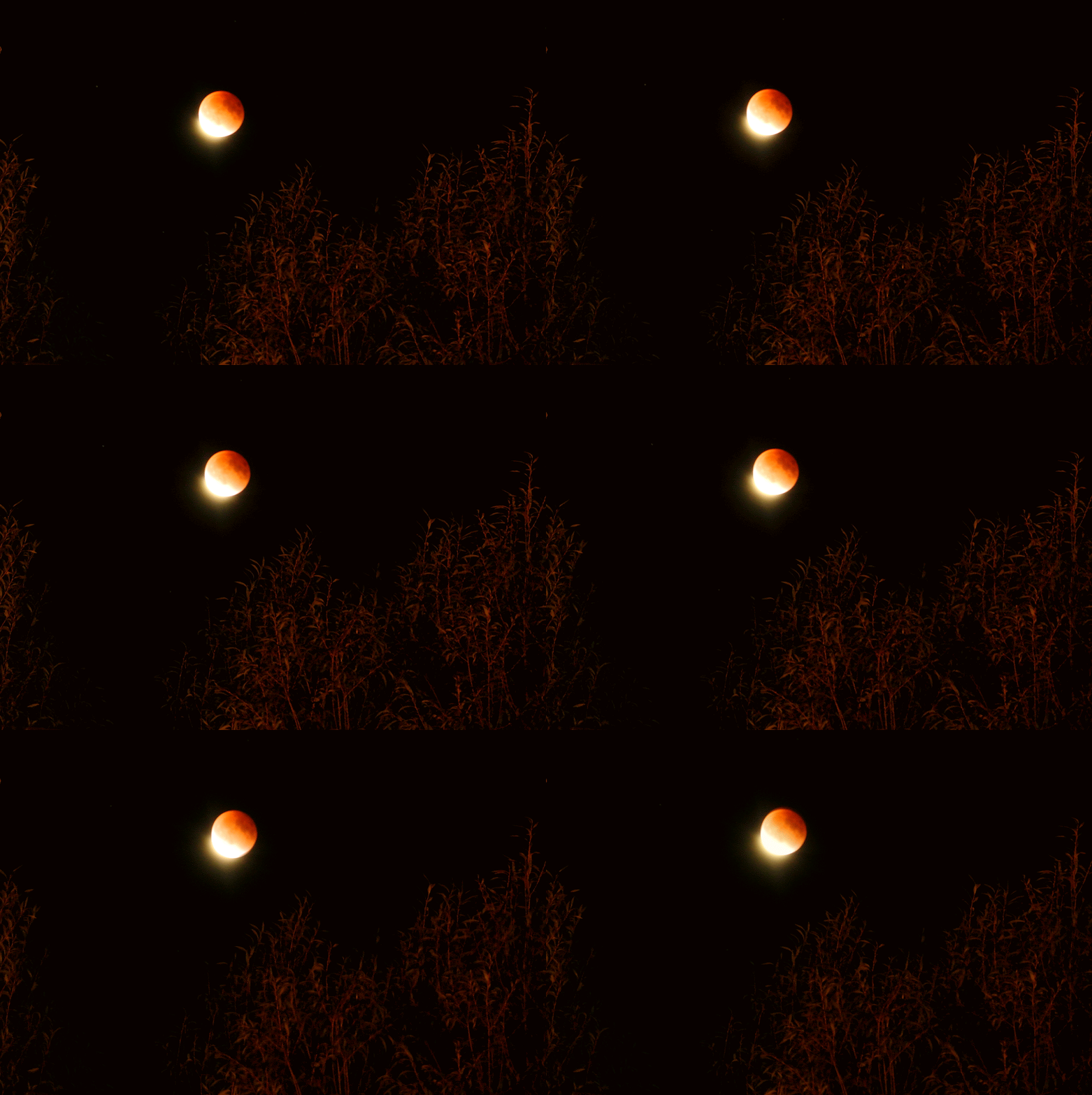
* Color and Clarity:Photo KDG

Look for a deep orange or yellow colour as the Moon rises due to the Earth’s atmosphere scattering light. Since the Moon is closer, its features may appear slightly sharper if you’re using binoculars or a telescope.✨ 7 Other Celestial Events in November 2025November offers excellent viewing opportunities for planets and two notable meteor showers.1. Planets in the Evening Sky
* Saturn
(All Month):
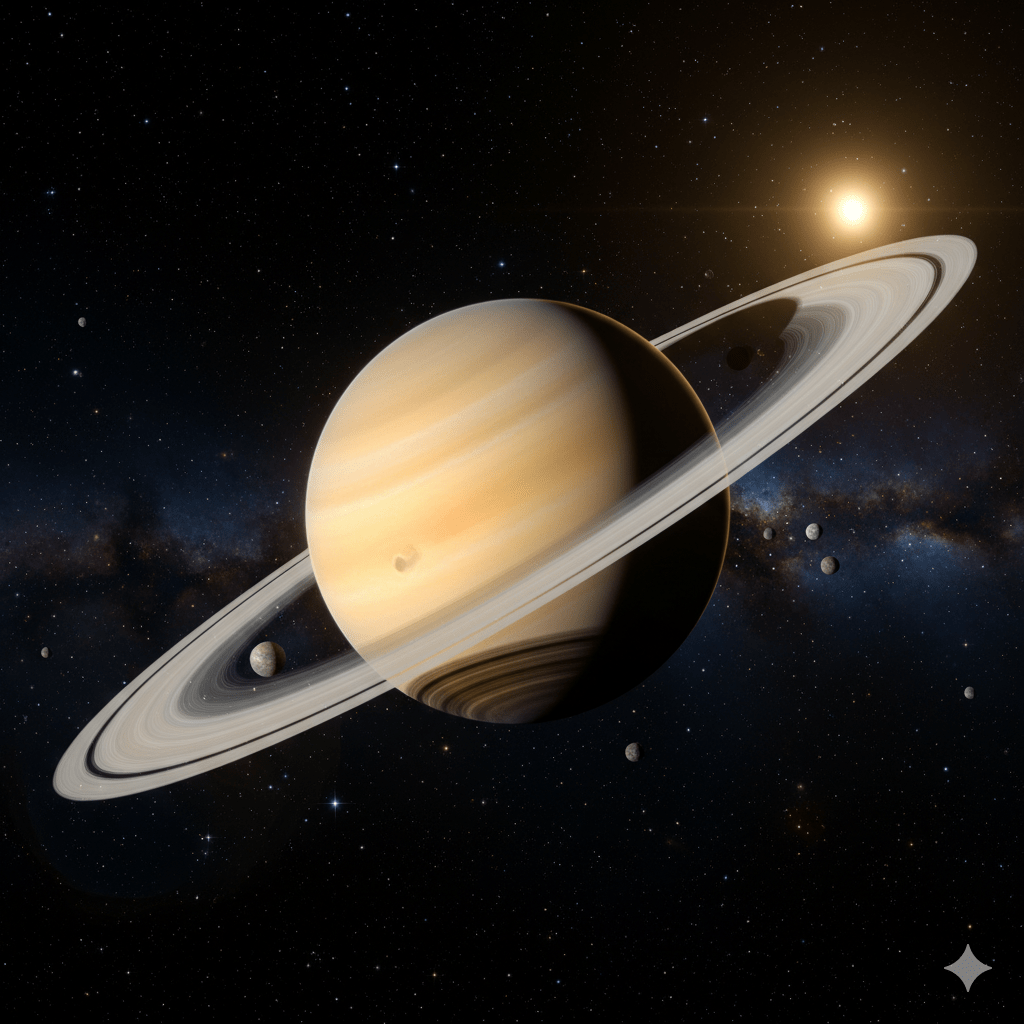
The ringed planet is an excellent viewing target throughout November. Look to the southeast after sunset; it will be a bright, yellowish “star” visible well into the night. On November 2nd and again on November 29th, the Moon will pass close by Saturn. * Mercury (Early November): The tiny planet reaches its highest altitude in the evening sky around November 1st–2nd. Look low in the west shortly after sunset. It’s usually difficult to spot, so this is your best chance for the month.2. Planets in the Morning Sky
* Jupiter (Late Evening/Morning):
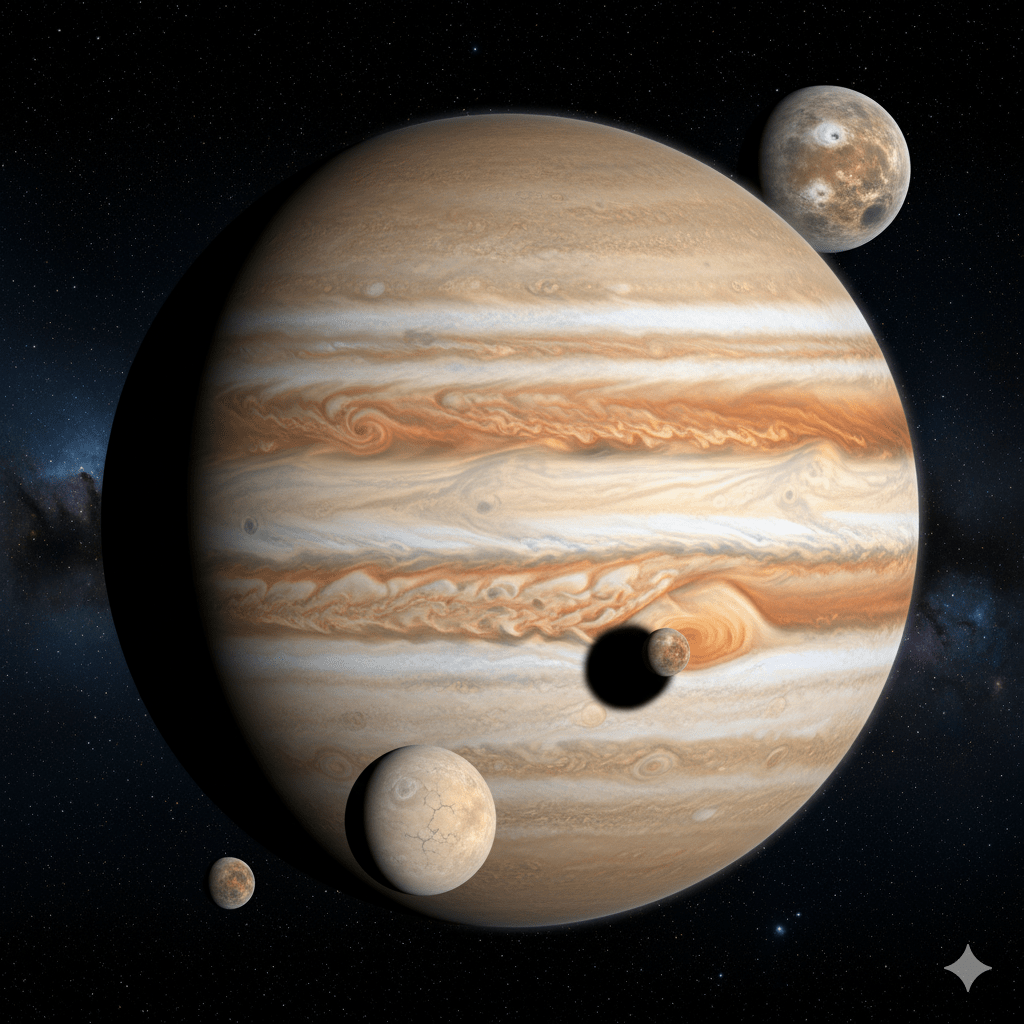
The largest planet rises in the late evening and is brilliantly visible high in the south before dawn. Its Great Red Spot and four largest moons are great targets for a small telescope. * Venus (Early Morning): This incredibly bright “Morning Star” is visible low in the east just before sunrise in the beginning of the month.3. Meteor Showers
* Northern & Southern Taurids
(Peaks Nov 4–5 & Nov 11–12): The Taurids are known for producing slow, bright meteors called fireballs, though their hourly rate is low (around 5 per hour). Look for them after midnight in the region of the constellation Taurus.
* Leonids Meteor Shower
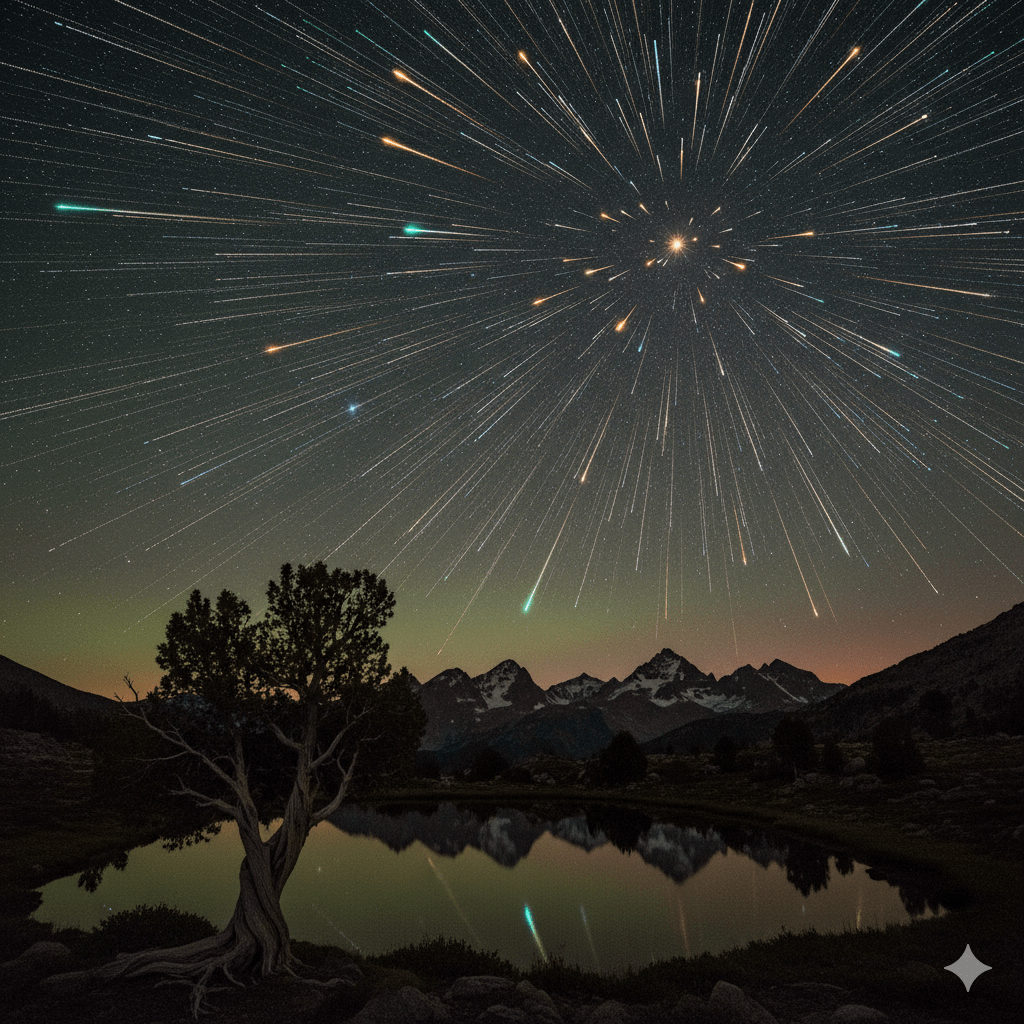
(Peak Nov 17–18):
The Leonids are famous for being one of the fastest meteor showers. It peaks on the night of November 17th into the morning of the 18th. With the Moon being a thin crescent, the skies will be dark, allowing for better viewing of its typical rate of 10–15 meteors per hour. The radiant is in the constellation Leo, best viewed after midnight.
Uranus at Opposition…
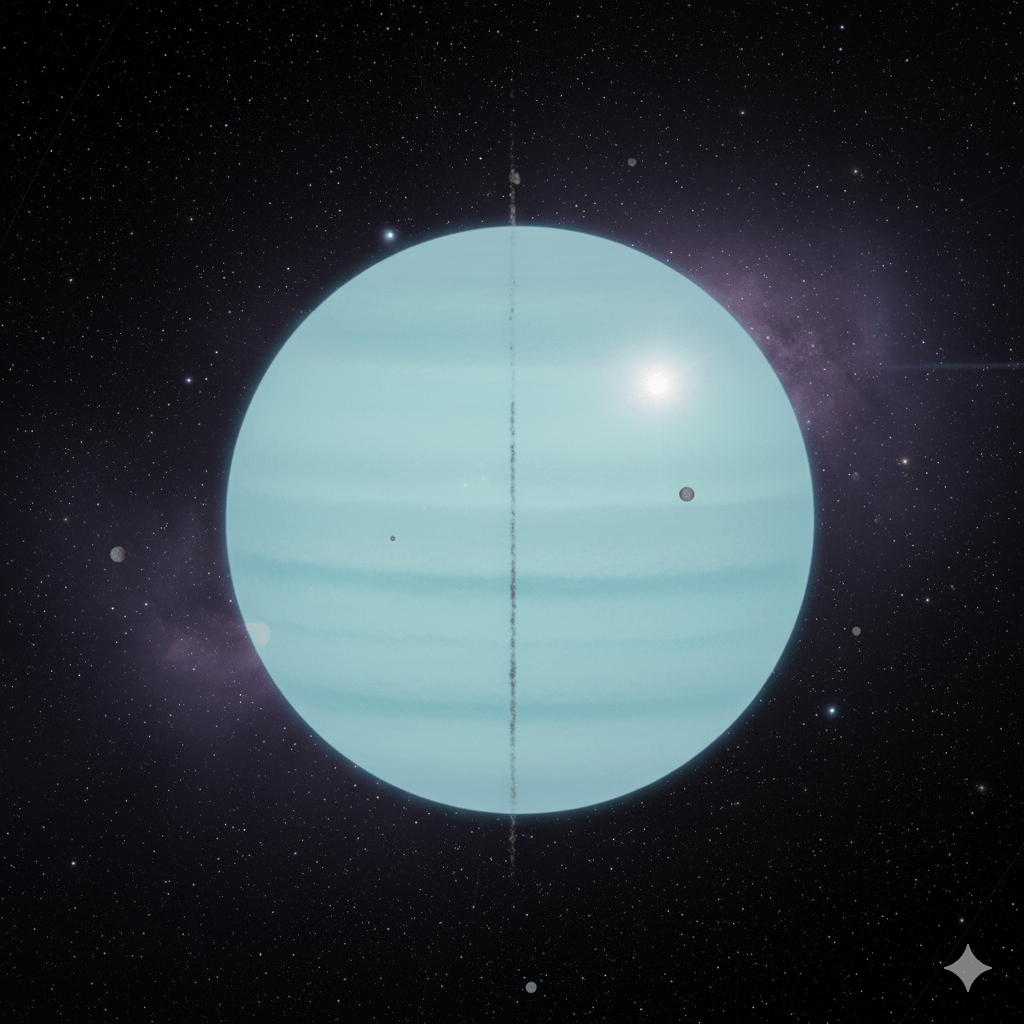
* November 21st: The planet Uranus reaches opposition, meaning Earth passes directly between it and the Sun. This is when Uranus is closest to us and at its brightest for the year. Although it will still be too dim to see with the naked eye, it can be spotted with binoculars or a small telescope in the constellation Taurus. Look for its faint, blue-green disk.
Good viewing! Happy Star trails!
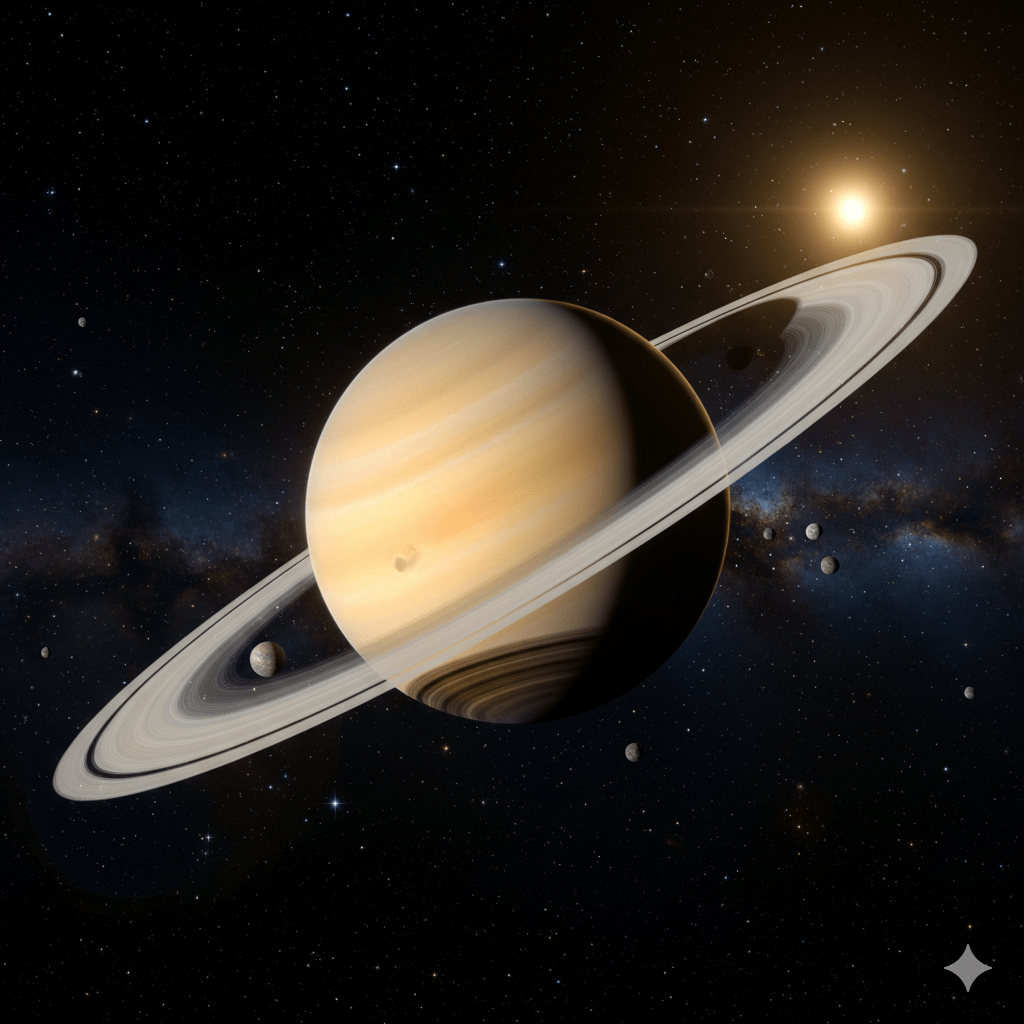
it’s a good month to get rings in…



 Kevin Griffiths
 percypaschal
 The Proprietor Review