

Child of woe.
The responsible one…
The nursery rhyme “Wednesday’s child is full of woe” has long been interpreted as a mark of a life defined by hardship, struggle, or a deep, somber sensitivity. However, history is full of individuals who transformed that “woe” into profound depth, resilience, and world-changing rhetoric.Here are three instances of accomplished figures who embodied the archetype of Wednesday’s child through their life’s work.
1. Abraham Lincoln:
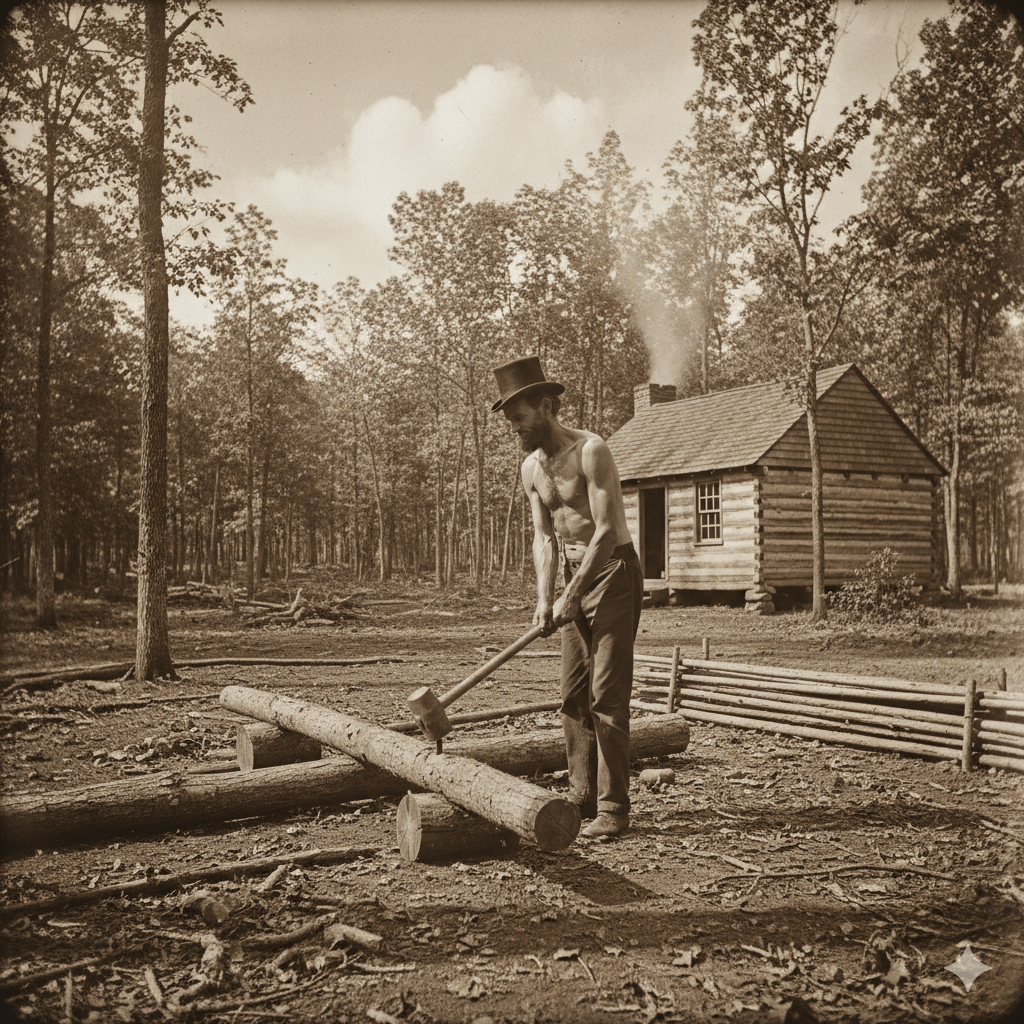
The Rhetoric of MelancholyPerhaps the most famous “Wednesday’s child” in spirit, Lincoln struggled with what was then called “hypochondriasis” (clinical depression) his entire life. He often spoke of being a “man of sorrows.” * The Accomplishment: Preserving the Union during the American Civil War and the formal abolition of slavery. * The Rhetoric: Lincoln didn’t shy away from woe; he used it to build empathy. In his Second Inaugural Address, he didn’t boast of victory. Instead, he used somber, inclusive language: “With malice toward none; with charity for all.” He turned his personal acquaintance with suffering into a national ethos of healing.
2. James Baldwin:

The Witness of Social WoeBaldwin was born into a world that offered him every reason to be “full of woe”—poverty, racial segregation, and the struggle of being a gay man in the mid-20th century. * The Accomplishment: Becoming one of the most vital literary voices of the Civil Rights Movement, bridging the gap between the Black experience and White conscience. * The Rhetoric: Baldwin’s power lay in his “bearing witness.” In works like The Fire Next Time, he transformed the “woe” of systemic injustice into a searing, poetic interrogation of the American soul. He argued that facing one’s pain was the only way to achieve maturity and change.
3. Frida Kahlo:

Transmuting Physical AgonyKahlo’s life was a masterclass in the Wednesday’s child archetype. After a catastrophic bus accident and a lifetime of surgeries, “woe” was her constant physical companion. * The Accomplishment: Creating a body of work that redefined surrealism and feminist art, becoming a global icon of endurance. * The Rhetoric: Her “rhetoric” was visual. She didn’t paint scenes to escape her pain; she painted her pain to master it. By depicting her own broken body and weeping heart with vibrant colors and unflinching detail, she communicated a universal truth: that suffering can be the bedrock of identity and power.Summary of the Archetype| Figure | Source of “Woe” | Rhetorical Strength ||—|—|—|| Lincoln | Clinical Depression | Empathy and Moral Clarity || Baldwin | Social Injustice | Uncompromising Truth-Telling || Kahlo | Chronic Physical Pain | Radical Self-Expression.

Editors note:
Ai researched, these characterizations are subjective onto objectivity meaning that you’re under no binding to live up to any of them. They’re just a matter of interest. You are who you are. You don’t have to fit.
Seems like Old Abe was born on two different days according to our search. So here’s the test. If it bothers you when you look it up and find out which one’s right. You’re probably more prone to being a WOE child, and that would be for better or worse.
Mondays child 1836 Author unknown,published in St. Nicholas magazine 1873.
Public links
Attribution
Author unknown: Monday’s child or the poem/ the nursery rhyme.
So is not attributed to any one particular author, has been printed numbers of times in different variations. These came up through searches in AI.
Let the self obvious reign…



 Kevin Griffiths
 percypaschal
 The Proprietor Review