

        Celuloid and I
Complex and minimalist, it's a record.
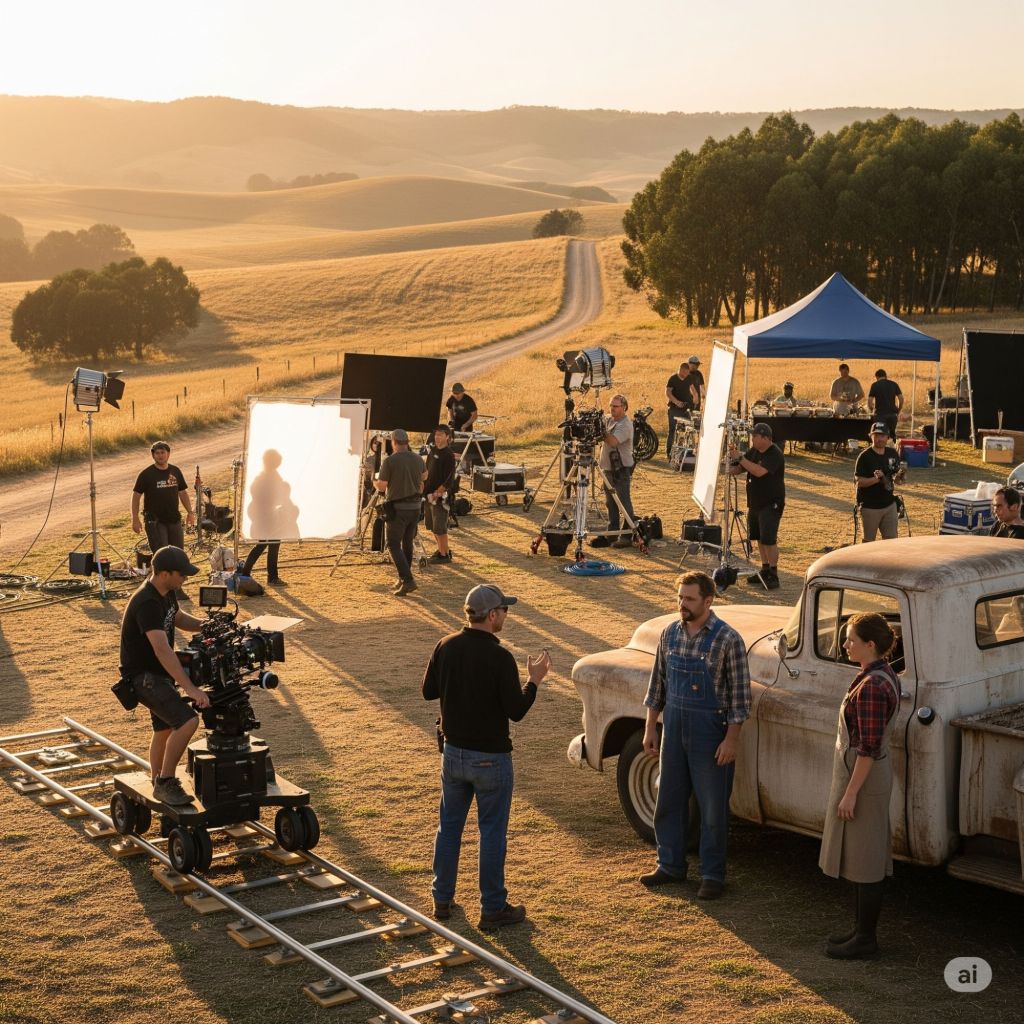
Filmmaking is a complex and collaborative art form that involves a vast crew and a multi-stage process, starkly contrasting with a single-camera operation, which is often a more streamlined, individual or small-team effort. Here’s a breakdown of the key differences:The Ability to Make Films (The Grand Scale)The ability to make a film lies in the coordination of a diverse group of specialists, each with a specific role, working towards a single creative vision. It’s about combining technical expertise with artistic storytelling. This process is broken down into phases:
* Pre-production:
This is the planning stage. It includes: *
Planning
Scriptwriting:
The foundation of the film.
* Storyboarding:
Visualizing the shots and scenes.
* Casting:
Selecting actors for the roles.
* Location Scouting:
Finding the perfect settings.
* Budgeting and Scheduling:
Managing the finances and timeline.
* Production Design:
Conceptualizing the look and feel of the film.
* Production:
The actual shooting of the film. This is where the magic happens on set.
* Post-production:
The editing, sound design, visual effects, and color grading that bring the film to its final form.The Setup and DesignsIn a full-scale film production, the setup is intricate and meticulously planned.
* Production Design:
A department led by a Production Designer creates the visual world of the film. This includes:
* Set Design and Construction:
Building elaborate sets on a soundstage or modifying existing locations.
* Art Direction:
Overseeing the set decoration, props, and overall look.
* Wardrobe and Costume Design:
Creating the clothing for the characters.
* Lighting and Cinematography:
Led by a Director of Photography (DP) or Cinematographer, this team is responsible for the visual style and mood. They use a wide array of lighting equipment, dollies, cranes, and specialized cameras to achieve specific shots.
* Sound:
A dedicated sound department captures high-quality audio on set using boom microphones, lavalier mics, and other specialized gear.The Stages and the CrewFilmmaking happens on various “stages,” each with a specific purpose, and is supported by a large and specialized crew. *
Set
Soundstages: Large, purpose-built studios with controlled environments for building and lighting sets. This allows for shooting without weather or time-of-day constraints.
* Backlots: Permanent, outdoor sets on studio property (e.g., a “New York Street” or “Western Town”).
* Locations: Real-world places used for shooting, which require permits and logistics to manage.
People
* The Crew: A feature film crew can number in the hundreds, divided into departments: * Director: The creative head of the film.
* Producers:
Manage the business and logistics.
* Camera Department:
Includes the DP, camera operators, and assistants. * Grip and Electric (G&E): The “Grips” set up and manipulate the lighting equipment, while the “Electricians” manage the power and lights. * Sound Department: The sound mixer and boom operator.
* Art Department:
The production designer and their team of set decorators, prop masters, and art directors. * Hair, Makeup, and Wardrobe: Artists who create the character’s look.
* Assistant Directors (ADs):
Manage the day-to-day operations and schedule on set.The Contrast: Single-Camera OperationA single-camera operation is a much more simplified approach, often used for independent films, documentaries, vlogs, corporate videos, or news segments. * Ability: The ability here is often about adaptability and efficiency.
One person or a small team handles multiple roles.
* Setup:
The setup is minimalist. It might involve a single camera, a tripod, a basic lighting kit, and perhaps a simple microphone. There is no need for large soundstages or extensive set construction.
* Design:
Production design is often limited to using existing locations and basic props. The focus is on capturing the moment rather than creating a detailed, fictional world.
* Crew:
The crew is minimal, sometimes just one person.
A “one-man band” might serve as the director, cinematographer, and sound recordist all at once. In a slightly larger setup, there might be a small team of a director, a camera operator, and a sound person.
Take 1
Shoot



 Kevin Griffiths
 percypaschal
