

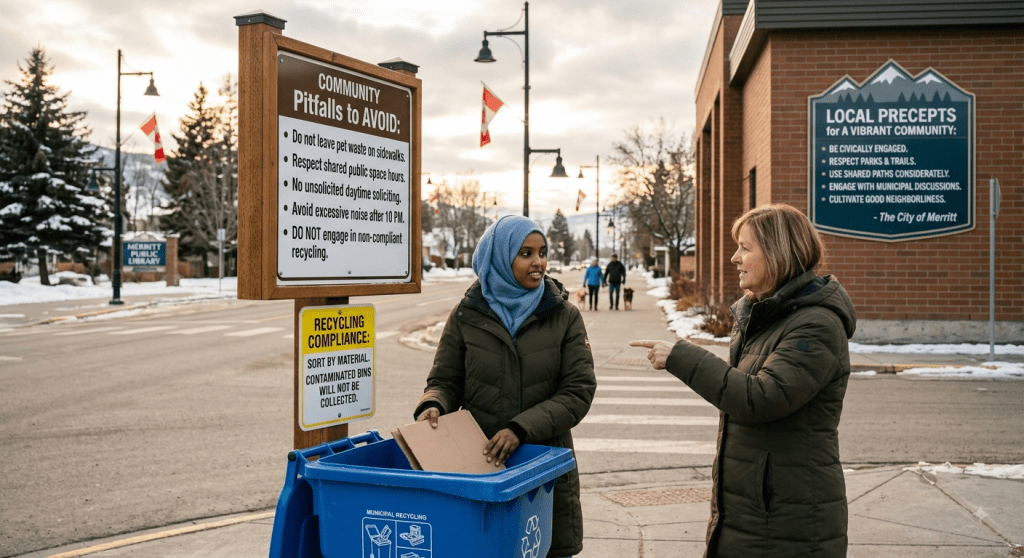
Way finding
Integrating into a new culture or community is a dynamic process that goes far beyond simply adjusting to a new environment or learning a language. True integration requires an active commitment to understanding the social dynamics, historical context, and daily rhythms that define a local population. When individuals settle into a different community, building mutual trust relies heavily on open communication, active civic participation, and a genuine willingness to engage with neighborhood life. Rather than shedding one’s heritage, integration is about finding meaningful ways to share one’s background while harmoniously blending into the existing collective fabric. By participating in local events, supporting community initiatives, and seeking out collaborative spaces, newcomers establish a sense of shared belonging that benefits both themselves and the long-standing residents.
Hand-in-hand with social engagement is the responsibility to remain informed about and compliant with local precepts, regulations, and civic standards. Every community operates on a framework of unwritten social norms and formal legal obligations—ranging from municipal bylaws like waste management, noise controls, and public space etiquette, to broader societal values regarding mutual respect and governance. Ignorance of these expectations can lead to unnecessary friction or misunderstandings that disrupt neighborhood cohesion. Consequently, taking the initiative to learn local rules is not merely about avoiding penalties; it is a fundamental duty of civic responsibility. Adhering to these shared standards demonstrates respect for the community’s collective well-being, ensures smooth day-to-day interactions, and reinforces the mutual trust essential for a safe, welcoming environment.


 Kevin Griffiths
 percypaschal
