Archive for November, 2026


November arrival

November 1st 2026

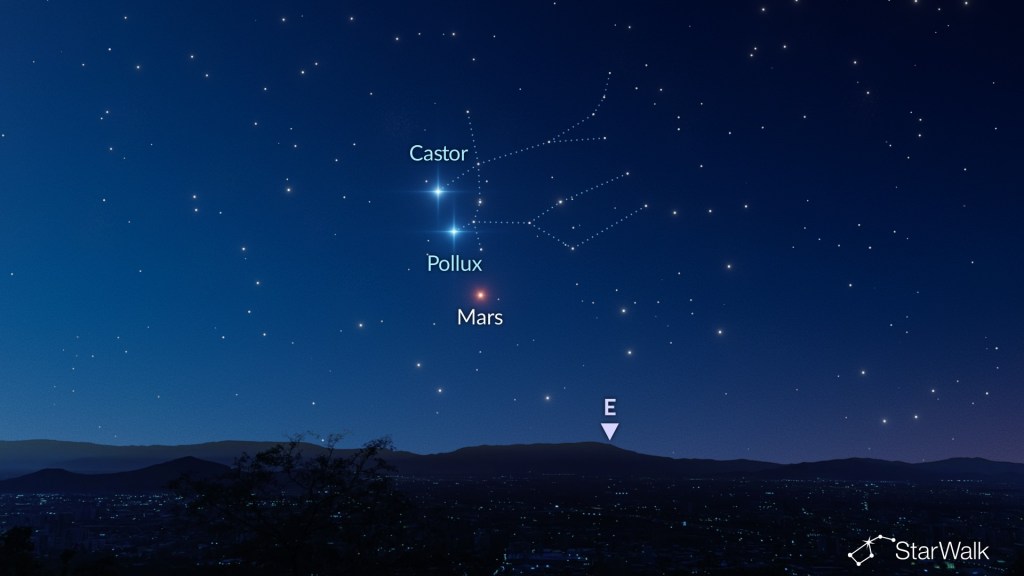
Sky walk

Live link below
Etymology: The Roots of “November”
The word November originates directly from the Latin word novem, meaning “nine.”
In the ancient early Roman calendar—which began in March—November was the ninth month of the year. Even after January and February were added to the beginning of the civil calendar (shifting November to the eleventh month), the original Latin name remained.
* Anglo-Saxon Tradition: Before adopting the Latin name, Old English speakers called this month Blōtmōnaþ, which translates literally to “blood-month” or “month of sacrifice.” This referred to the time of year when Anglo-Saxons slaughtered cattle and stored meat to prepare for the long winter ahead.
Global Weather Patterns in November
November represents a major seasonal transitional period across both hemispheres:
* Northern Hemisphere (Late Autumn to Early Winter): Temperatures drop significantly across North America, Europe, and Asia. It marks the onset of cold snaps, early snowfall, shorter daylight hours, and the final stretch of Atlantic hurricane season.
* Southern Hemisphere (Late Spring to Early Summer): Countries across South America, Southern Africa, Australia, and New Zealand experience warming temperatures, blossoming landscapes, and pleasant, mild conditions.
* Tropics & Asia: November marks the retreat of summer monsoons in parts of South Asia and the Pacific, opening dry and cooler seasonal windows.
Fatality Rates and November: Is It Normal?
Statistically, late autumn and early winter months like November do experience a noticeable rise in mortality rates in temperate northern countries, but this is part of a standard annual seasonal pattern rather than an anomaly.
* Seasonal Winter Spikes: Demographers and public health organizations regularly track seasonal mortality fluctuations. Historically, mortality rates begin climbing late in the autumn and peak during mid-winter.
* Key Causes:
   * Respiratory Illnesses: Cold, dry weather and increased indoor gathering lead to early surges in influenza, respiratory syncytial virus (RSV), and other viral infections.
   * Cardiovascular Strain: Sudden temperature drops cause blood vessels to constrict, elevating blood pressure and increasing heart attack and stroke risks.
   * Shorter Days & Seasonal Stress: Decreased sunlight impacts physical and mental health.
* Contrast with Summer: While extreme summer heatwaves cause acute mortality spikes, winter cold snaps consistently cause a higher baseline volume of excess winter deaths globally each year.
Four Notable Figures Born on November 1st Who Contributed to Humanity
Here are four influential individuals born on November 1st who made significant, positive contributions to human welfare, health, and civil society:
1. Dr. Bernard Kouchner (b. November 1, 1939)
* Who He Is: French physician, politician, and humanitarian activist.
* Contribution to Humanity: He co-founded Médecins Sans Frontières (Doctors Without Borders) in 1971 following the Biafran famine, and later co-founded Médecins du Monde (Doctors of the World). His lifetime work pioneered international humanitarian medical emergency assistance in crisis zones around the globe.
2. Carlos Saavedra Lamas (b. November 1, 1878 – d. May 5, 1959)
* Who He Is: Argentine academic, diplomat, and foreign minister.
* Contribution to Humanity: He was awarded the Nobel Peace Prize in 1936—making him the first Latin American recipient of the award—for drafting the Anti-War Treaty of Non-Aggression and Conciliation and mediating an end to the Chaco War between Paraguay and Bolivia.
3. Margaret Taylor-Burroughs (b. November 1, 1915 – d. March 5, 2010)
* Who She Is: American artist, educator, poet, and cultural activist.
* Contribution to Humanity: She co-founded the DuSable Museum of African American History in Chicago. Her work expanded access to arts education, preserved vital cultural history, and advocated for social justice and prison reform through arts programs.
4. Mitchell Kapor (b. November 1, 1950)
* Who He Is: American software entrepreneur, philanthropist, and public interest advocate.
* Contribution to Humanity: Beyond developing widely accessible early personal computing software, he co-founded the Electronic Frontier Foundation (EFF) in 1990. The EFF works to defend civil liberties, privacy, digital rights, and free expression in the digital age.
The Origin of November
This video offers a quick and clear overview of the etymology and historical context behind why November was named after the Latin word for nine.

YouTube video views will be stored in your YouTube History, and your data will be stored and used by YouTube according to its Terms of Service

as explained in the Epistle of St. Paul’s:

The concept of “groanings and utterances of the Spirit” centers primarily on Romans 8:26–27, where the apostle Paul describes the Holy Spirit interceding for believers with “groanings which cannot be uttered” (or “groans too deep for words”).Different Christian traditions interpret how these groanings function as direct communication with God and how they apply to prayer today.1. Theological Foundations: New and Old TestamentsThe New Testament Anchor (Romans 8:26–27)Paul writes that believers face human limitations (“we do not know what we ought to pray for”). In moments of deep grief, confusion, or spiritual intensity, human language falls short. According to Paul, the Holy Spirit aligns with the believer’s inner heart, taking those wordless burdens directly before God, who “searches hearts and knows the mind of the Spirit”.

Old Testament Precedents

While the doctrine of the indwelling Holy Spirit is distinctly developed in the New Testament, the Old Testament highlights moments where non-verbal cries, groans, and deep emotional utterances serve as direct communication with God:

* Hannah’s Prayer

(1 Samuel 1:12–15): In deep distress, Hannah prayed silently—her lips moved, but no voice was heard. Eli the priest mistook her for being drunk, but Hannah explained she was “pouring out her soul to the Lord.” This is often cited as an Old Testament archetype of deep, wordless communication where God reads the heart rather than vocalized speech.

* The Groaning of Israel

(Exodus 2:23–25): The Israelites groaned under their bondage in Egypt. Scripture notes that “God heard their groaning and remembered his covenant.” The groan itself—unformulated, raw agony—was heard as a direct call to God.

* David’s Psalms:

David repeatedly references silent or groaning prayer, such as in Psalm 38:9: “All my longings lie open before you, Lord; my sighing is not hidden from you.

“2. Interpretations Across Denominational

TraditionsChristian traditions view the nature and expression of these “groanings and utterances” through different lenses:Classical Pentecostal & Charismatic Traditions * Glossolalia (Speaking in Tongues): Many Pentecostal and Charismatic groups equate or closely link the “utterances of the Spirit” with praying in tongues (1 Corinthians 14). They view tongues or “praying in the Spirit” as a direct, Spirit-energized prayer language given to the believer to bypass human intellectual limitations and communicate directly with God. * Vocal Groanings in Intercession: In “travailing prayer”—a practice emphasized in full-gospel and revival traditions—physical groans, sighs, or weeping during intense intercession are viewed as the Holy Spirit physically praying through the believer for urgent, unseen spiritual matters.Reformed & Protestant Evangelical Traditions

* Wordless Internal Intercession:

Historical Protestant theologians (e.g., John Calvin, Charles Spurgeon, Martyn Lloyd-Jones) distinguish Romans 8:26 from speaking in tongues. They view “groanings which cannot be uttered” as non-vocal, deep longings of the human soul prompted by the Spirit. * The Spirit’s Alignment: In this view, when a believer is so burdened that they lack words, the Spirit translates those internal yearnings into perfect alignment with God’s will. The communication is direct because God bypasses human vocabulary to read the heart’s intent shaped by the Spirit.Eastern Orthodox & Catholic Traditions * Hesychasm and Contemplative Prayer: In Eastern Orthodoxy, deep prayer moves beyond articulate concepts into Hesychasm (inner stillness). The “groanings” are understood as the deep, unutterable longing of the heart (nous) seeking union with God (theosis).

* Mystical Prayer:

Catholic contemplative traditions (such as St. John of the Cross or St. Teresa of Ávila) describe stages of prayer where intellectual words vanish, leaving a silent, wordless communion of love and deep spiritual sighing between the soul and God.

3. Practical Application in the Present Day

Across various traditions, believers apply the concept of Spirit-led groanings in several modern prayer contexts: * In Times of Crisis & Trauma: When suffering severe grief, trauma, or exhaustion, articulate prayer can feel impossible. Believers rely on this doctrine as an encouragement that mere sighs, tears, or silence are fully understood by God as complete prayers.

* In Intercessory Prayer:

Intercessors who feel a heavy spiritual weight for a situation they don’t fully understand (e.g., praying for global events or unseen needs) lean on the Spirit to direct the prayer beyond human knowledge.

* Relief from Performance Anxiety in Prayer:

The doctrine reassures believers that effective prayer does not depend on eloquent vocabulary or correct formulas. The Spirit refines and presents the heart’s core intent before God.

Editors note:

May your hearts cry even if silent be answered by intuition or feeling leading to action.And the intervention be in the grace and favor of your tremendous value as a person on this earth 🌍

Clemancy is godly.