You are presumed to be honest and responsible without evidence to the contrary beyond a reasonable doubt… on the balance of probablilties you are justified by 51 % likelyhood.
Life at 600 Meters
700 rivers/ creeks on the trans mountain, expansion., consultation was made to address them.
KDG
Enter from the side of the Kekalui Cafe, 2051 Voght Street, Merritt BC, Canada.
Review
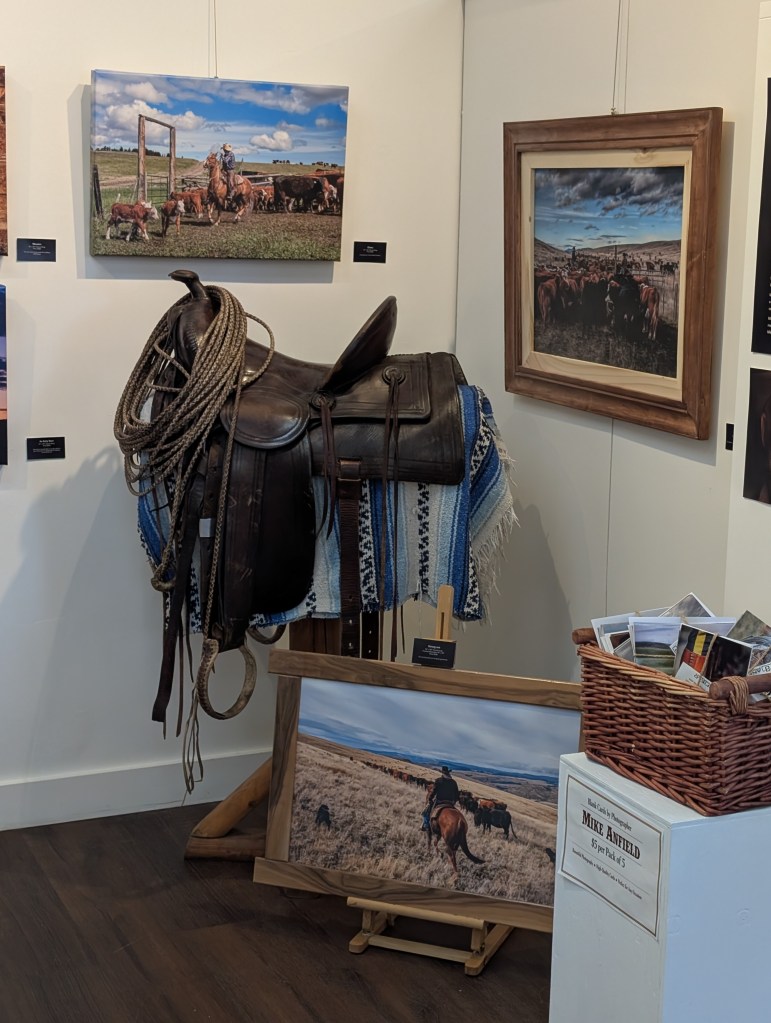
We looked at Mike’s show on Thursday. We’re much impressed with his points of interest and the way he’s captured and done a pretty complete narrative in picture, color and program on the walls of the Nicola Valley community arts council in Merritt BC
When you come to categorizing you know you’re a statistic.
British Columbia is dotted with ghost towns, each a silent monument to a bygone era of industrial ambition. These towns were often born from sudden economic booms, only to be abandoned just as quickly when their primary resource or purpose vanished.Here are at least eight notable ghost towns in British Columbia, categorized by the primary cause of their abandonment.
Category 1: Depletion of Resources (Mining Busts)
This is the most common cause of ghost towns in BC. These boomtowns sprang up around rich deposits of gold, silver, or other minerals. Once the easy-to-mine resources were exhausted, or market prices crashed, the townsfolk packed up and moved on to the next prospect.
1. Barkerville (Cariboo Regional District) *
Cause of Abandonment:
The end of the Cariboo Gold Rush. * History: Barkerville was the literal heart of the Cariboo Gold Rush. Founded in 1862 after Billy Barker struck a legendary amount of gold, it overnight became the largest city north of San Francisco and west of Chicago. At its peak, it was a raucous, bustling city of 5,000 residents with theaters, general stores, saloons, and a large Chinatown. * Decline: As the easy-to-access creek gold dwindled, the population faded. Hydraulic mining continued, but the boomtown era was over by the 1890s.
* Status Today: Barkerville is BC’s most famous ghost town. It has been meticulously restored and operates as a large living-history museum where visitors can experience the 1860s.
2. Sandon (West Kootenay Region)
* Cause of Abandonment:
The silver market crash and the exhaustion of profitable ore. * History: Known as the “Silver City of the Kootenays,” Sandon boomed in the 1890s following the discovery of silver-lead ore. It was notorious for its rapid wealth, featuring over 20 saloons, several brothels, electric streetlights, and two competing railways. Its population reached 5,000 at its height. * Decline: The crash of the silver market in the early 1900s started its decline, which was finalized by dwindling ore deposits and a series of devastating floods. * Status Today: Sandon is in a partially restored state. It features a fascinating collection of vintage trolley buses, the oldest operating hydroelectric plant in western Canada, and several original buildings still standing among the ruins.
3. Kitsault (North Coast Region) *
Cause of Abandonment: The sudden collapse of the molybdenum market.
Recent History:
Kitsault is unique for being a modern ghost town. It was built by the mining company AMAX in 1979 to house workers for a nearby molybdenum mine. It was a state-of-the-art town with a hospital, shopping mall, recreation center, library, and modern houses. Over 1,200 people lived there.
* Decline: The price of molybdenum crashed just 18 months after the town opened. The mine closed in 1982, and the entire population was evacuated by 1983. * Status Today: A private owner bought the entire town. It is eerily preserved, with streetlights still coming on at night and lawns mowed, but with a population of zero, frozen in time from the early 1980s.
4. Phoenix (Boundary Region)
* Cause of Abandonment:
The post-WWI drop in copper prices and mine closure. * History: Phoenix was a massive copper mining town that flourished in the early 1900s. It was known as the highest city in Canada, perched high on a mountain. It had a population of nearly 4,000, its own hockey team that won the provincial championship, an opera house, and a city hall. * Decline: Copper was essential for military supply during World War I. When the war ended, copper prices plummeted. The mine closed in 1919, and the town was abandoned rapidly. Its buildings were dismantled for materials, and the area later suffered from forest fires. * Status Today: Phoenix is a true ghost town; nothing remains of the original structures. Today, the site features a cemetery, interpretive signs, and a large open-pit mine.
5. Granite Creek (Princeton Region)
* Cause of Abandonment:
The collapse of a short-lived platinum and gold rush. * History: Granite Creek had one of the fastest boom-and-bust cycles. Gold and platinum were discovered in the Similkameen River in 1885. Within a year, Granite Creek became the third-largest city in BC. It featured saloons, hotels, and a post office, but its fortune was brief. * Decline: By 1888, the “easy gold” was gone, and the population collapsed as quickly as it had arrived. * Status Today: It is a primitive ghost town with very few standing structures, mostly just foundation stones and a cemetery hidden in the forest.
Category 2:
Disasters and Shifting Industries
Some towns did not run out of resources but were either destroyed by natural disasters or abandoned when the industry itself changed, rendering the town obsolete.
6. Anyox (North Coast Region)
* Cause of Abandonment:
A catastrophic fire and the closure of the smelter. * History: Anyox was once Canada’s largest ghost town. Established in 1911 by Granby Consolidated Mining, Smelting and Power Company, it was a massive company-owned copper mining and smelting operation. The town housed nearly 3,000 residents and had extensive infrastructure, including a large dam, power plants, a smelter, and a coking plant. * Decline: The mine and smelter were already struggling during the Depression. In 1935, a massive forest fire swept through the valley, destroying the town. The smelter closed shortly after, and the town was never rebuilt. * Status Today: Remote and accessible only by boat, Anyox is a vast wasteland of industrial ruins. Visitors can see the skeletal remains of the massive brick smelter, power plants, and concrete structures being reclaimed by the wilderness.
Consolidation of the salmon canning industry. * History: Butedale was a classic example of a “cannery town.” Founded in 1918, it served a large salmon cannery, a logging camp, and a fishing base along the remote Inside Passage. It was a self-contained community built primarily on boardwalks above the water, featuring a general store, bunkhouses, and a hydroelectric plant powered by the nearby Butedale Falls. * Decline: In the 1950s, advancements in transportation and refrigeration allowed salmon to be transported and processed in larger, more central hubs. Small, remote canneries like Butedale became obsolete and closed. * Status Today: Butedale is a derelict ghost town. Decaying wooden structures, the old general store, and the cannery buildings still cling to the shoreline, offering a hauntingly beautiful scene for boaters traveling the coast.Category 3: Shifting InfrastructureIn some cases, the town was built to support a piece of infrastructure, and when that infrastructure was no longer necessary, neither was the town.
8. Brookmere (Similkameen Region)
* Cause of Abandonment:
The closure of the Kettle Valley Railway (KVR). * History: Brookmere was established in the early 1900s as a critical divisional point for the Kettle Valley Railway, a scenic but treacherous mountain rail line. It served as a maintenance hub where crews were changed, engines were serviced, and snowplows were stationed to keep the track over the Coquihalla Pass clear. The town was home to railroad employees and their families. * Decline: The rise of highway trucking and the eventual completion of the Coquihalla Highway in the 1980s made the costly and difficult KVR obsolete. The rail line was officially closed in sections through the 1960s to the 1980s, and the town’s primary purpose disappeared. * Status Today: Brookmere is a small, quiet community. While some residents still live there, the large industrial railway buildings (like the water tower and roundhouse) are long gone, replaced by a few remaining pioneer homes and interpretive signs. The old rail bed is now part of the Trans Canada Trail.
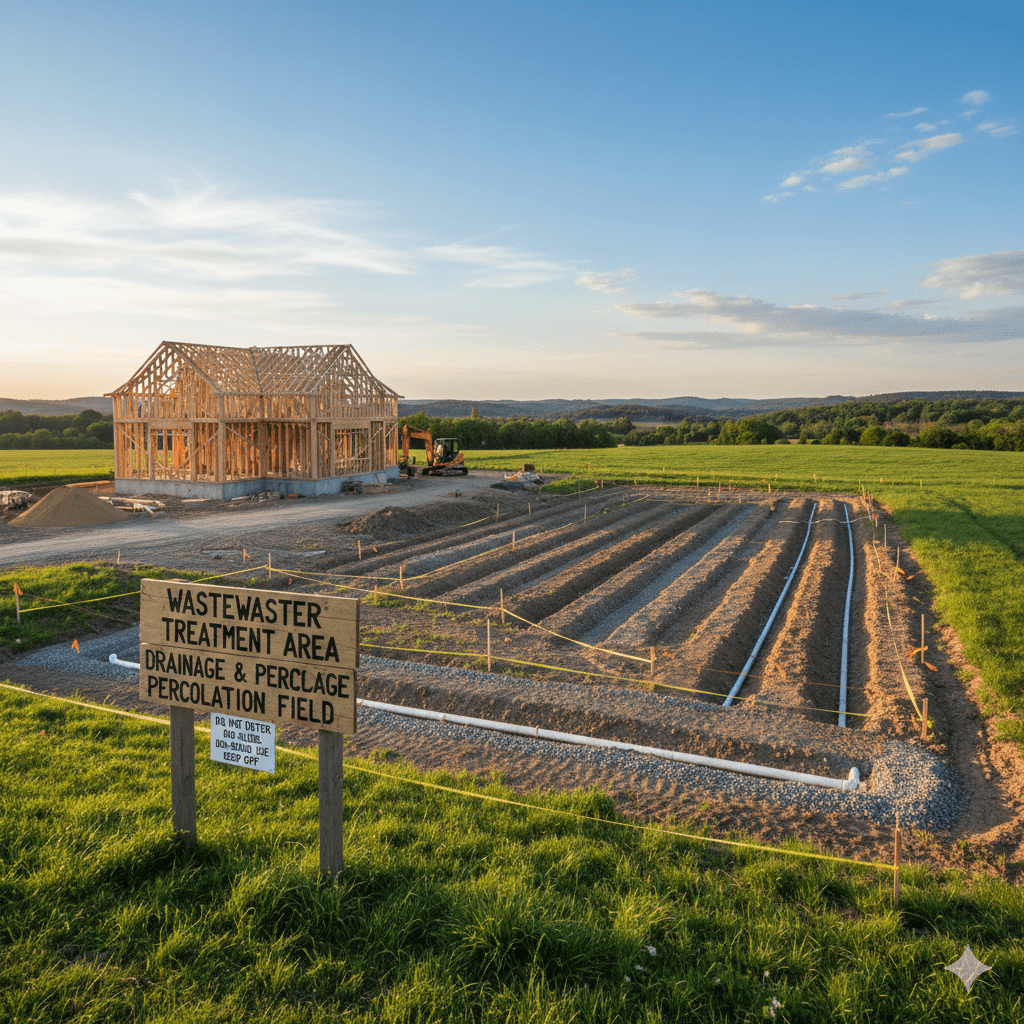
Rural landowners, ones that don’t have access to a sewer system need to rely on percolation and the soils to condition their wastewater.
“Realtors may push to the buyer” the serious need to know “conditions,” paraphrased…
So, a couple of strategies to know the value of your land beforehand or before purchasing it. These can expedite permitting for living space or construction and not make a surprise that you are not able to live with.
This historic building in downtown Marathon, the corner of Quilchena avenue and Vought Street, is iconic to the culture and presence of people of Nicola valley?.
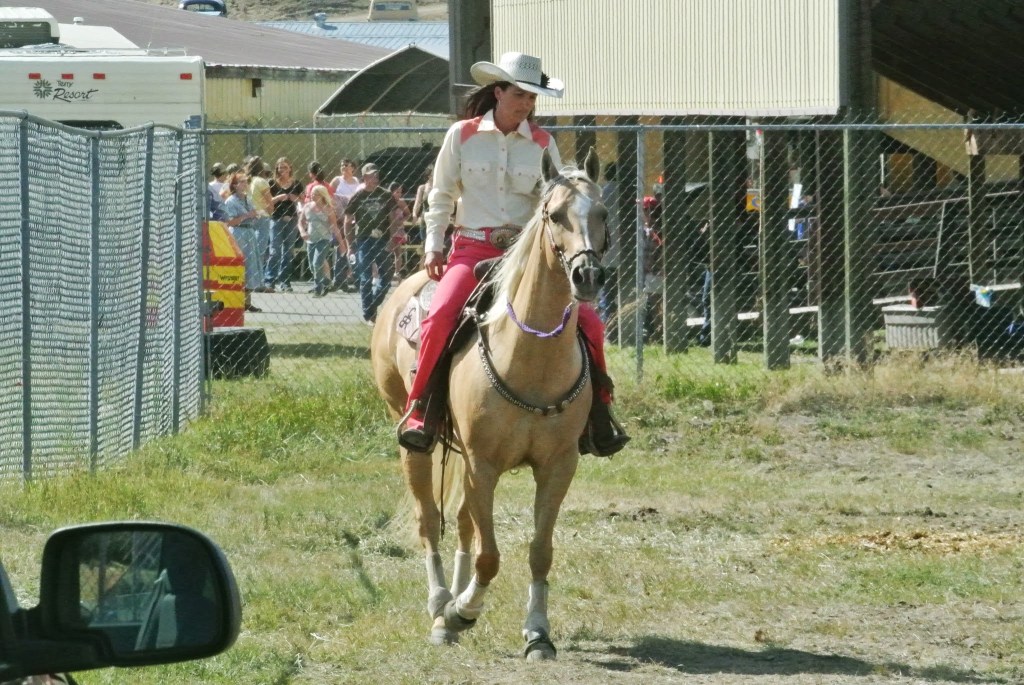
A Cowgirl at a cultural event in Merritt, The Coldwater hotel going back to the beginning of the last century has had a dynamic effect on the culture.
One industry for many years was ranching and has also been passed down from generation to generation and from gender to gender.
Celebrated many times in era hotels such as the Coldwater and the Adelphia. With others joining The fray when a mixed economy bought more virtue to the city.
The significance of 60 seconds can be observed in the context of time management and productivity. In a world where every second counts, dedicating just one minute to focused tasks can lead to substantial progress over time. For instance, if you take 60 seconds each day to set an intention, plan your day, or practice mindfulness, over a month, this simple act totals 30 minutes of mental clarity and focus. This accumulation of seemingly short intervals can significantly enhance overall efficiency, reduce stress, and foster a sense of accomplishment, highlighting that even brief moments can lead to meaningful outcomes when effectively utilized.
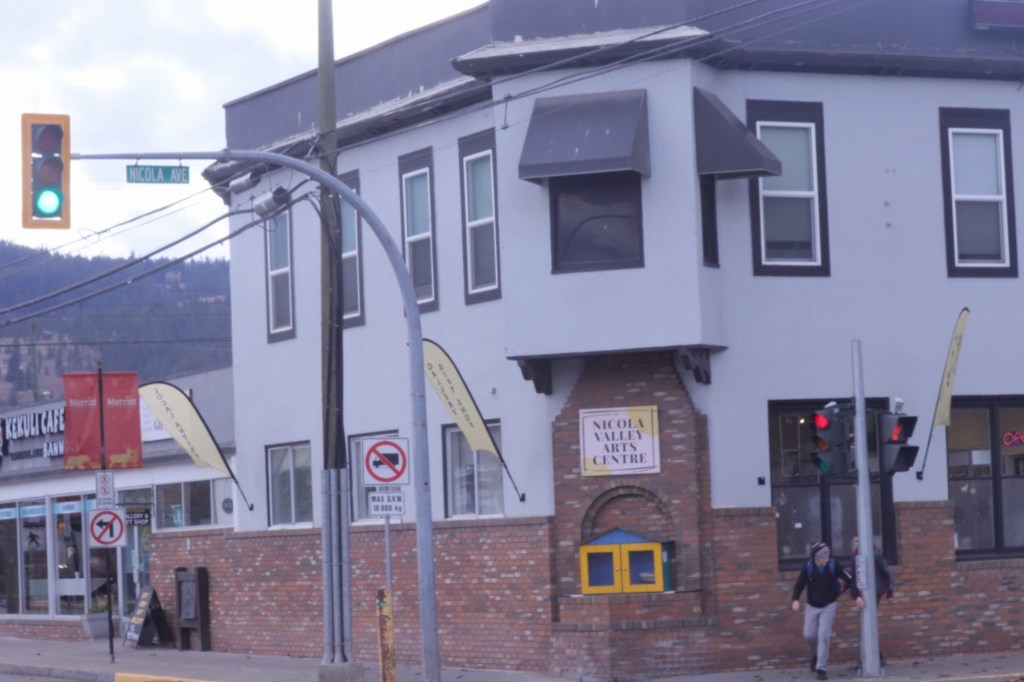
The Nicola Valley Community Arts Council is a non-profit or chartered charitable organization. It is stationed at the corner of Nicola and Voght Street in Merritt, British Columbia. They have some very nice artisan knitted sweaters. These are just waiting for you to come and own them. There is nothing like a soft, warm and comfortable sweater.
The left hand side of a set of medieval armor is the sinister side. The left hand of a left-handed person is the swinster’s side, don’t confuse the two. You may come home to a Lance you didn’t know existed.
Branding
Muddy Evils
Real place
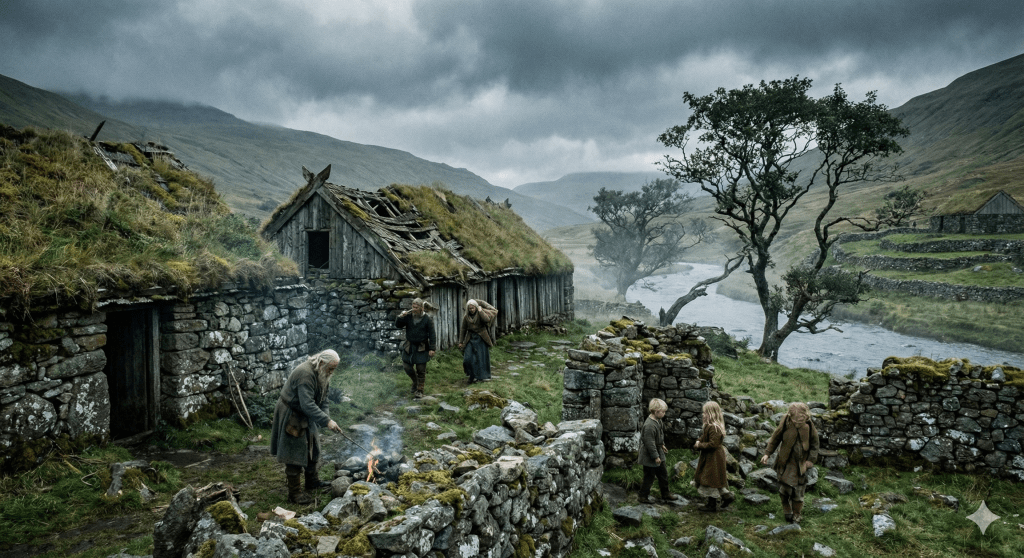
Swinister is a real place, specifically a small settlement (hamlet) in the Shetland Islands of Scotland. While it sounds like a fictional word made to sound creepy, it has a distinct historical and linguistic origin rooted in Old Norse.
Here is a breakdown of what it is, what it means, and the specific atmosphere a town named “Swinister” would evoke.
1. What is it?
Swinister is a hamlet located on the Mainland of Shetland (the largest island in the archipelago). It is best known for a geological feature called the Ayres of Swinister, which is a “triple ayre” (a rare formation of three shingle beaches or sandbars that connect a small island to the mainland, forming a tidal lagoon).
2. What does it mean?
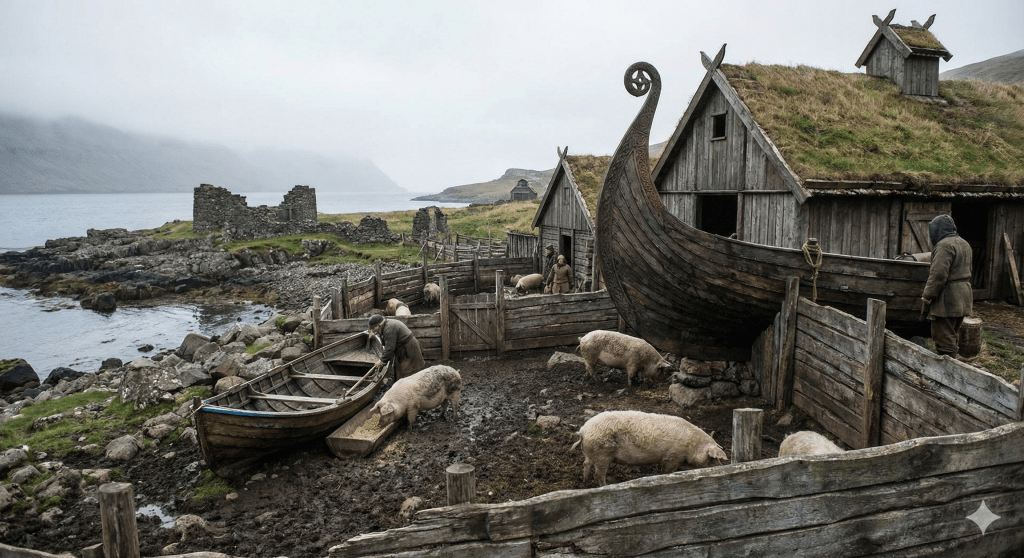
(Etymology)The name comes from Old Norse, the language spoken by the Vikings who settled the islands. It is a compound of two words: * Swin: Derived from either the Old Norse svín (meaning “swine” or “pig”) or the male personal name Sveinn (Sven). * Ister: A corruption of the Old Norse setr, meaning “dwelling,” “homestead,” or “pasture.”Therefore, Swinister literally translates to “Pig Farm” (or “Pig Pasture”) or “Svein’s Homestead.
“3. What would a town named “Swinister” connotate?
If you were writing a story or naming a fictional town “Swinister,” the name does heavy lifting because of its accidental association with modern English words. It carries a dual connotation:A. The “Folk Horror” Connotation (Linguistic)To a modern English speaker unaware of Norse etymology, “Swinister” sounds like a portmanteau of Swine and Sinister. * The Vibe: It sounds unsettling, rural, and perhaps morally corrupt. It evokes imagery of a backwater village with dark secrets, possibly involving gluttony, filth (swine), or ancient, malevolent traditions (sinister).
* The Setting:
Perfect for a Gothic horror story or a murder mystery set in a decaying agricultural community where the locals are hostile to outsiders.B. The “Rugged Northern” Connotation (Historical)To those familiar with Scottish or Nordic geography, the name connotes ancient history and rugged endurance. * The Vibe: Windswept, cold, isolated, and stoic. It suggests a place connected to the sea and the land, where life is hard and determined by the elements. * The Setting: A realistic historical drama or a nature-focused narrative about isolation in the North Sea.
Summary * Real Definition:
A remote hamlet in Shetland, Scotland, famous for a rare three-beach geological formation.
* Literal Meaning:
“Pig Farm” or “Sven’s Farm” (Old Norse).
* Fictional Connotation:
A “sinister” rural village, likely harboring dark secrets or ancient, muddy evils.
Editors Note:
Merciful thoughts to all left hand d or sinister folks over time if they suffered for it, ( more probly a motivator) in the best s mse.
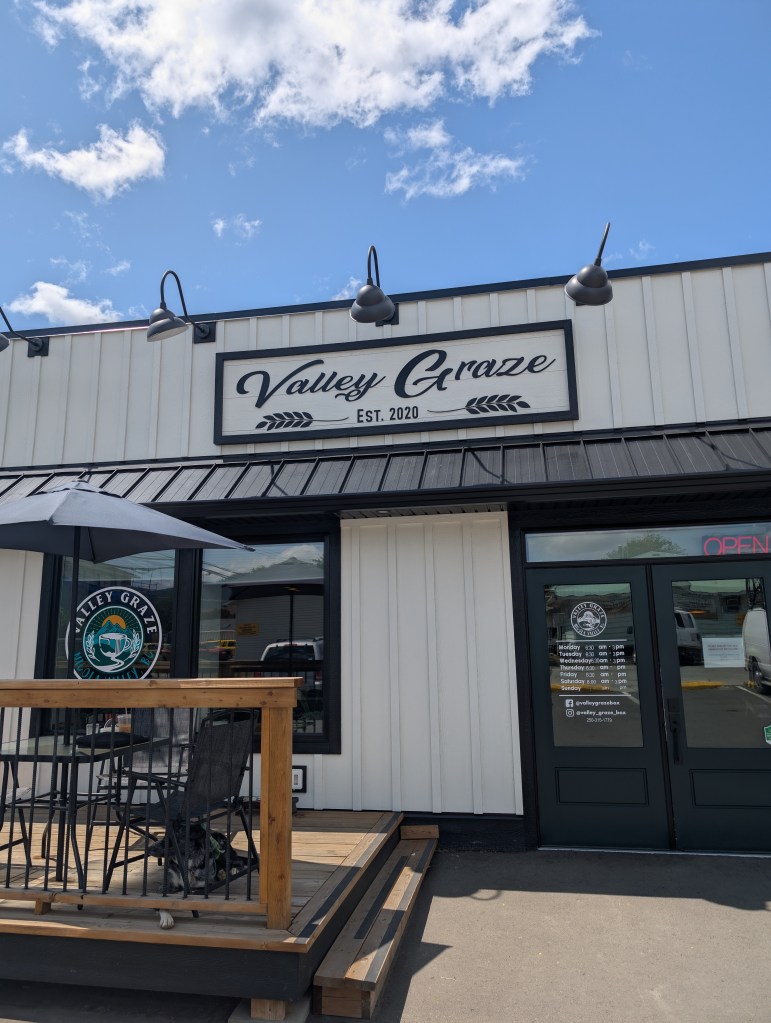
Valley Graze Sundays not open as this established business is exactly that, day off good for them and we…
Valley Graze in Merritt, BC, Canada, is a unique dining experience that blends locally sourced ingredients with a beautiful natural setting. The restaurant emphasizes fresh, seasonal produce and high-quality meats, creating a menu that highlights the flavors of the Nicola Valley. Known for its inviting atmosphere, Valley Graze offers both indoor and outdoor seating, giving guests the opportunity to enjoy their meals surrounded by picturesque views. The establishment focuses on sustainability, supporting local farmers and producers, and often features special events that celebrate the region’s culinary heritage. Whether you’re looking for a casual dining experience or a special occasion, Valley Graze aims to provide a memorable meal for everyone.
Park at the parking lot, nee: old city hall location, off garcia, signage available turn right off Nicola, half block on left, scoot behind the Prommitory building, quiant, great cuisine soft and delicious.
Meet as many of the young entrepreneurs involved as the visit allows…
Merritt BC Canada, The corner of Voght Street and Nicola avenue.
A Brief History
The Nicola Valley Community Arts Council (NVCAC) has been a central force in fostering arts and culture in Merritt, BC, for over four decades.History of the Nicola Valley Community Arts Council * Founding in 1982: The NVCAC was established in 1982 as a non-profit society, with a primary focus on the performing arts. * Launching the Community Concert Series: One of its founding and initial major projects was the Community Concert Series, which brought various musical concerts to Merritt. The Council also fundraised to purchase and maintain a grand piano for community use at the Civic Centre. * Expansion into Visual Arts (2005): In March 2005, the Arts Council moved into the historic Old Courthouse Building. This move allowed them to expand their mandate into the visual arts and open the Courthouse Art Gallery, giving them a permanent home for the first time in many years. * Major Relocation to the Jackson Building (2020): After 15 years, the NVCAC moved in the fall of 2020 to the more visible, downtown Jackson Building (at 2051 Voght Street). This new location, now known as the Nicola Valley Arts Centre, provided a larger, more accessible space for a gallery, an artisan gift shop, and a dedicated program space. * Focus on Community Programming: The NVCAC continues to champion the arts through year-round activities, including a monthly changing art gallery, operating an artisan gift shop featuring local crafts, and hosting various arts classes and workshops for adults and youth. * Public Art Initiatives and
Volunteerism: Who Done It
The Council actively engages in community projects, such as public art installations (like murals) and the Little Free Art Gallery, all powered by a dedicated group of volunteers who are the backbone of the organization.
Please come, we look forward to you in the spring when you break the ground again. And your life spills over into ours and radiant beauty and silent pose, causing us to think that we will not propose any harm come to us or our friends and family, and we will keep the faith until the end.














 Kevin Griffiths
 percypaschal
 The Proprietor Review