You are presumed to be honest and responsible without evidence to the contrary beyond a reasonable doubt… on the balance of probablilties you are justified by 51 % likelyhood.
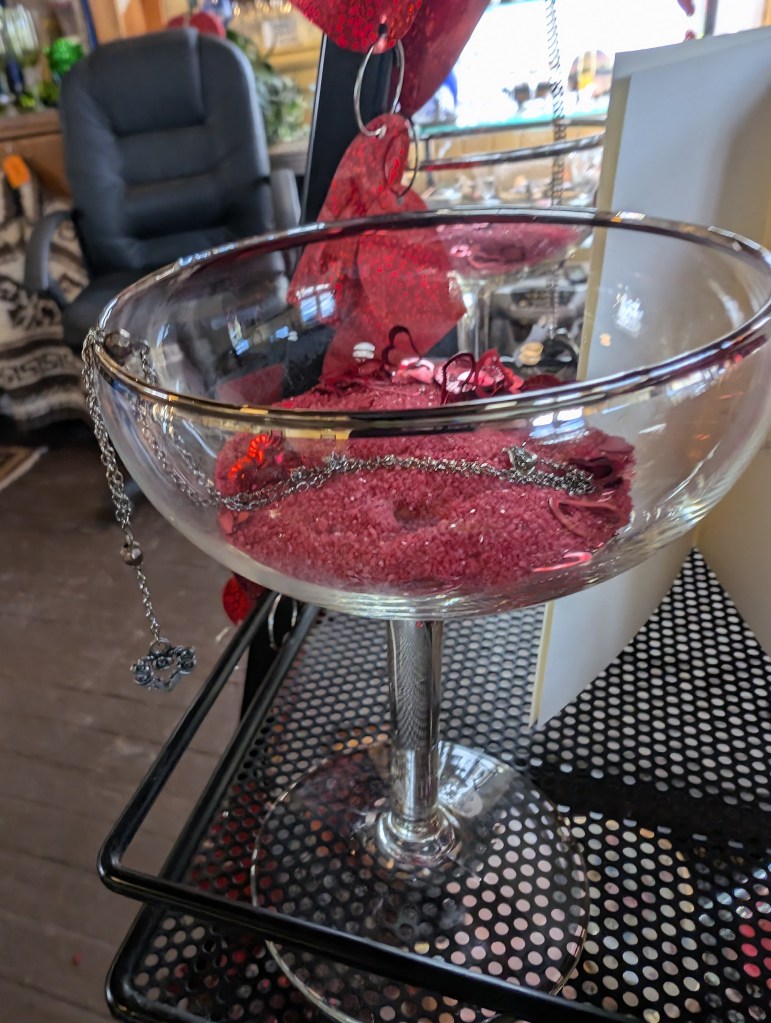
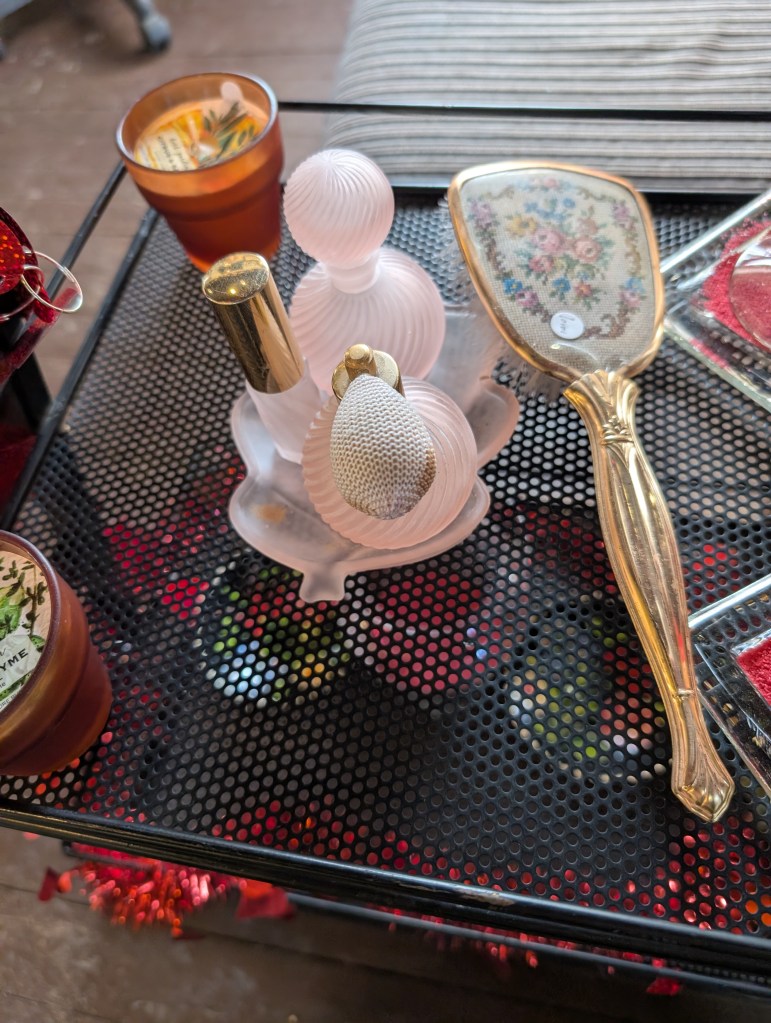
The downtown tourist information center in Merritt, BC has displays set up regularly. This one from January 7th, 2026, may just be a precursor for the next holiday or observance. It’s not generally a holiday. But you know I’m talking about Valentine’s Day.
It’s never too early to plan for something like that. You can also just go visit the Bailey House at 2202 Voght Street in Merritt, BC.
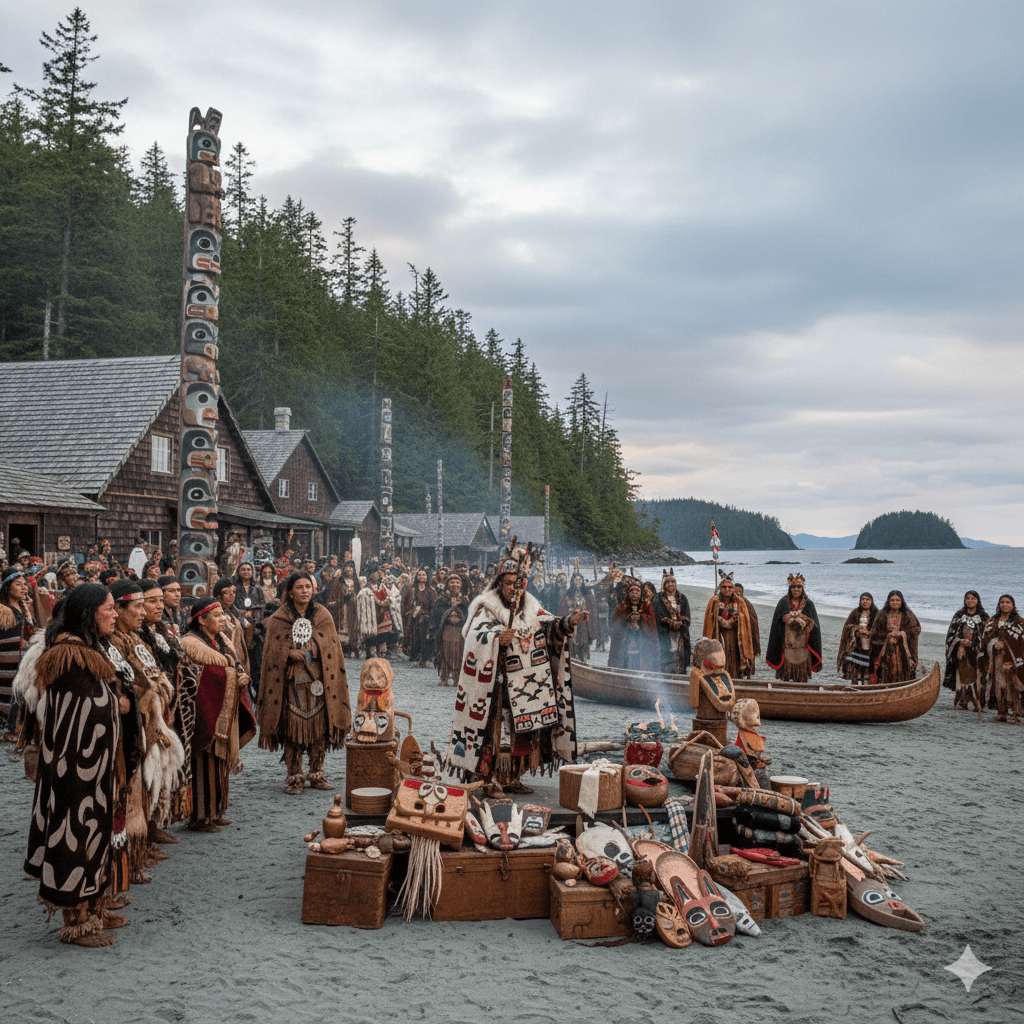
The Indigenous peoples of the Pacific Northwest Coast—including the Haida, Tlingit, Coast Salish, Nuu-chah-nulth, and Kwakwaka’wakw—developed one of the most complex and stratified non-agricultural societies in human history. Their culture was defined by the staggering abundance of the ocean and the towering cedar forests.Pre-Contact PopulationEstimating numbers before European arrival is difficult, but scholars suggest the Pacific Coast was one of the most densely populated areas north of Mexico. * Estimated Population: Between 200,000 and 500,000 people lived along the coast from Alaska to the Columbia River. * Density: Because the salmon runs provided such a reliable, “storable” food source, these groups could live in permanent winter villages rather than wandering as nomads.
Social Structure and Property
Unlike many interior tribes where land was often communal, Coastal First Nations had a highly developed sense of private and lineage-based property.Methods of Keeping Property SeparatedResource ownership was not about “territory” in a vague sense, but about specific functional sites. A high-ranking family didn’t just own a forest; they owned the specific spot where a salmon trap was placed or a particular berry patch. * Boundary Markers: While they didn’t use fences, geographic landmarks (rivers, specific rocks, or mountain peaks) served as clear borders. *
Heraldry:
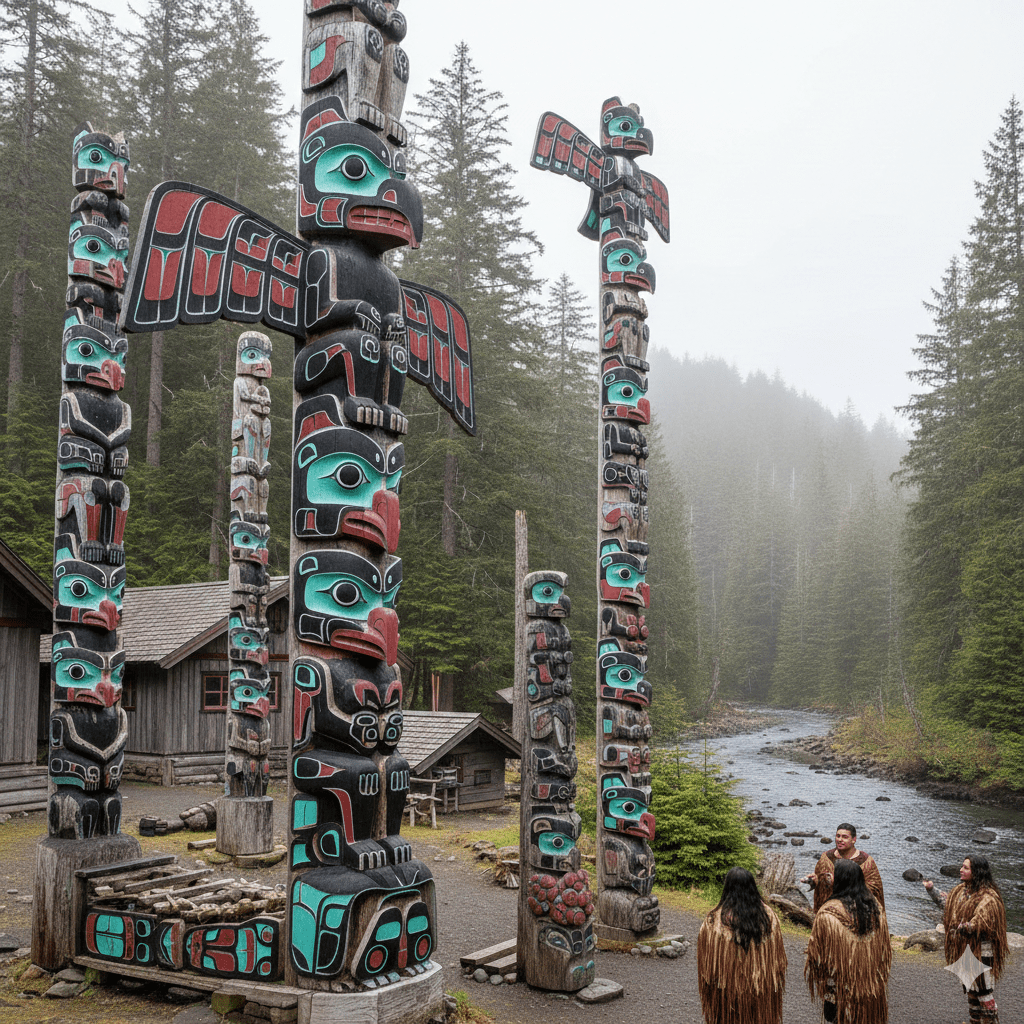
Totem poles and house front paintings acted as “deeds.” By displaying certain crests (like the Raven or Bear), a family publicly asserted their ancestral right to the resources of that area.
* Oral Histories:
At gatherings, “speakers” would recite the lineage and history of a family, effectively renewing their legal claim to their lands and waters in front of witnesses.
Traditions:
The PotlatchThe Potlatch was the heartbeat of coastal culture. It was a massive feast used to mark births, deaths, or the raising of a totem pole.
* Wealth through Giving:
In this culture, status wasn’t measured by how much you had, but by how much you gave away. A chief would give away blankets, copper shields, and food to guests from other tribes. * Legal Validation: By accepting the gifts, the guests were essentially “signing” a contract, acknowledging the host’s new rank or claim to property.Hostilities and WarfareLife on the coast wasn’t always peaceful. The same wealth that allowed for great art also fueled intense competition.
* Motivations:
Warfare was rarely about seizing large swaths of land. Instead, it was about revenge (blood feuds), the acquisition of slaves, and the capture of prestige items or specific resource sites.
* Fortifications:
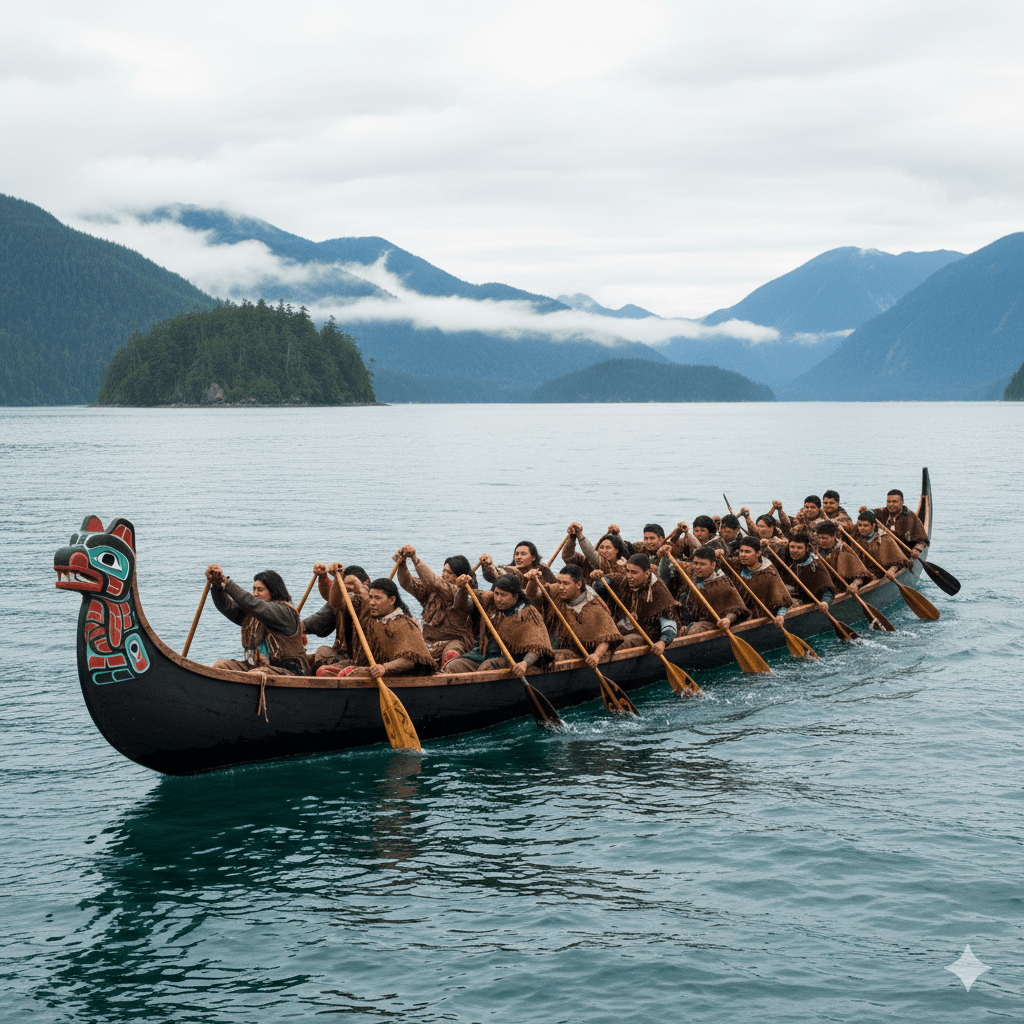
Many villages were built on “defensive sites”—steep bluffs or small islands with palisades—to guard against midnight raids. * The War Canoe: These were the “battleships” of the coast. Carved from a single cedar log, some could hold 50 to 60 warriors. They allowed for high-speed, long-distance raids along the “Inside Passage.”
Art
There are the specific artistic styles of the different coastal groups, such as the distinction between Haida and Coast Salish formline art.
Distinction
To understand the distinction between these groups, it helps to look at their Formline art—the sophisticated mathematical and aesthetic system that defines Pacific Northwest visual culture. While they share similarities, the Haida and Coast Salish represent two very different ends of the artistic and social spectrum.
Haida Art:
The “Northern” Style
The Haida (along with the Tlingit and Tsimshian) developed what is often called the “Classic” Northern style.
It is characterized by bold, interconnected lines and a strict adherence to traditional rules. * The Formline: This is the primary black outline that defines the subject. It flows continuously, varying in thickness to create a sense of tension and fluid movement. * Ovoids and U-Shapes: Almost all Haida art is composed of these two shapes. The Ovoid (a rounded rectangle) usually represents joints, eyes, or heads, while U-shapes represent feathers, ears, or fins. * Symmetry and Complexity: Haida art is often “packed,” meaning every available inch of a box, pole, or mask is filled with secondary and tertiary figures. This reflected their highly stratified social hierarchy—everything had its place.Coast Salish Art: The “Southern” StyleThe Coast Salish (from the area around modern-day Vancouver and Victoria) practiced a style that was historically more minimalist and spiritually focused compared to the bold, heraldic art of the North. * Primary Shapes: Instead of the Ovoid, the Salish used the Trigon, Circle, and Crescent. These shapes were often carved “out” of the wood to create negative space, rather than being painted as bold outlines. * Human-Centric:
Classic style
Southern
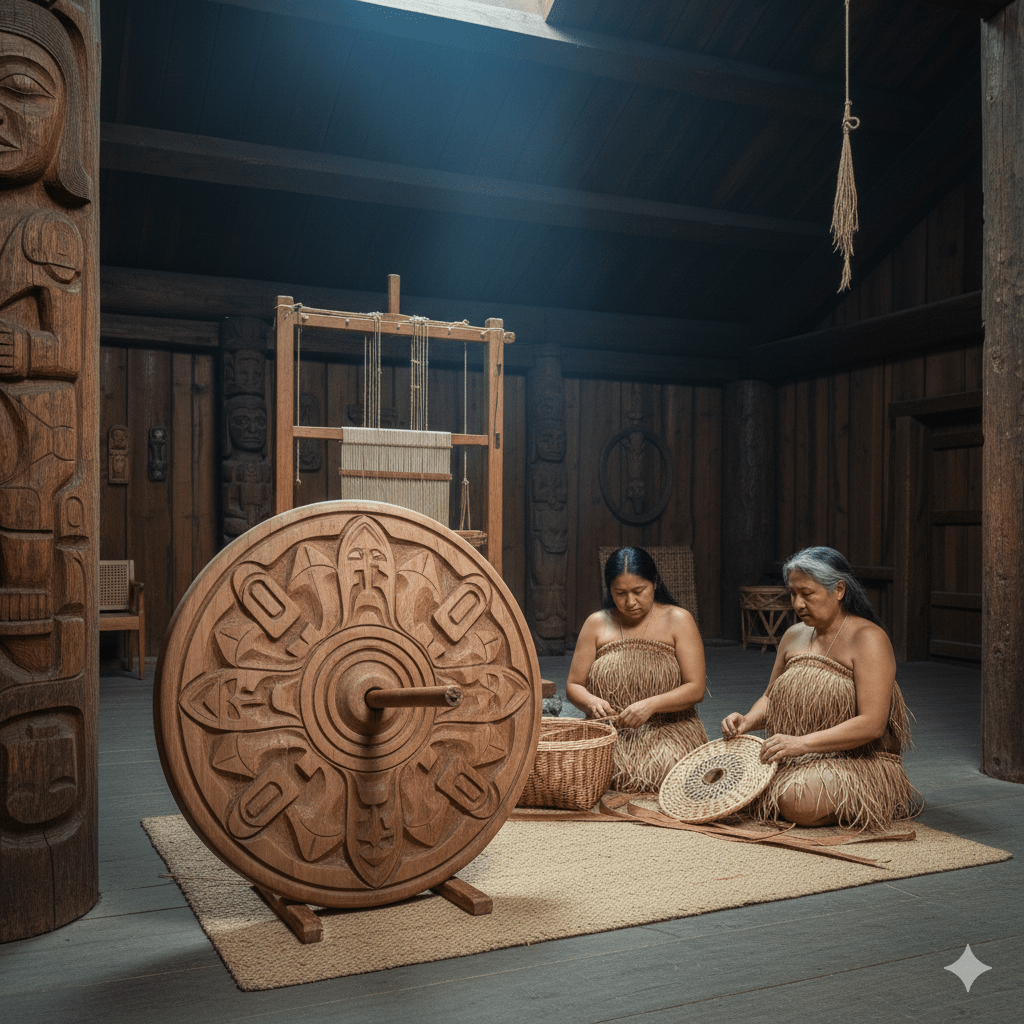
While Northern art focused heavily on crest animals (Ravens, Eagles, Wolves), Coast Salish art frequently featured human figures, often representing ancestors or spirit helpers. * Visionary Purpose: Much of this art was created for private spiritual use or to adorn functional items like spindle whorls (used for weaving) and house posts, rather than the massive public totem poles found further north.
Comparison
Haida (Northern)
Coast Salish (Southern)
The Cedar:
The Foundation of Both:
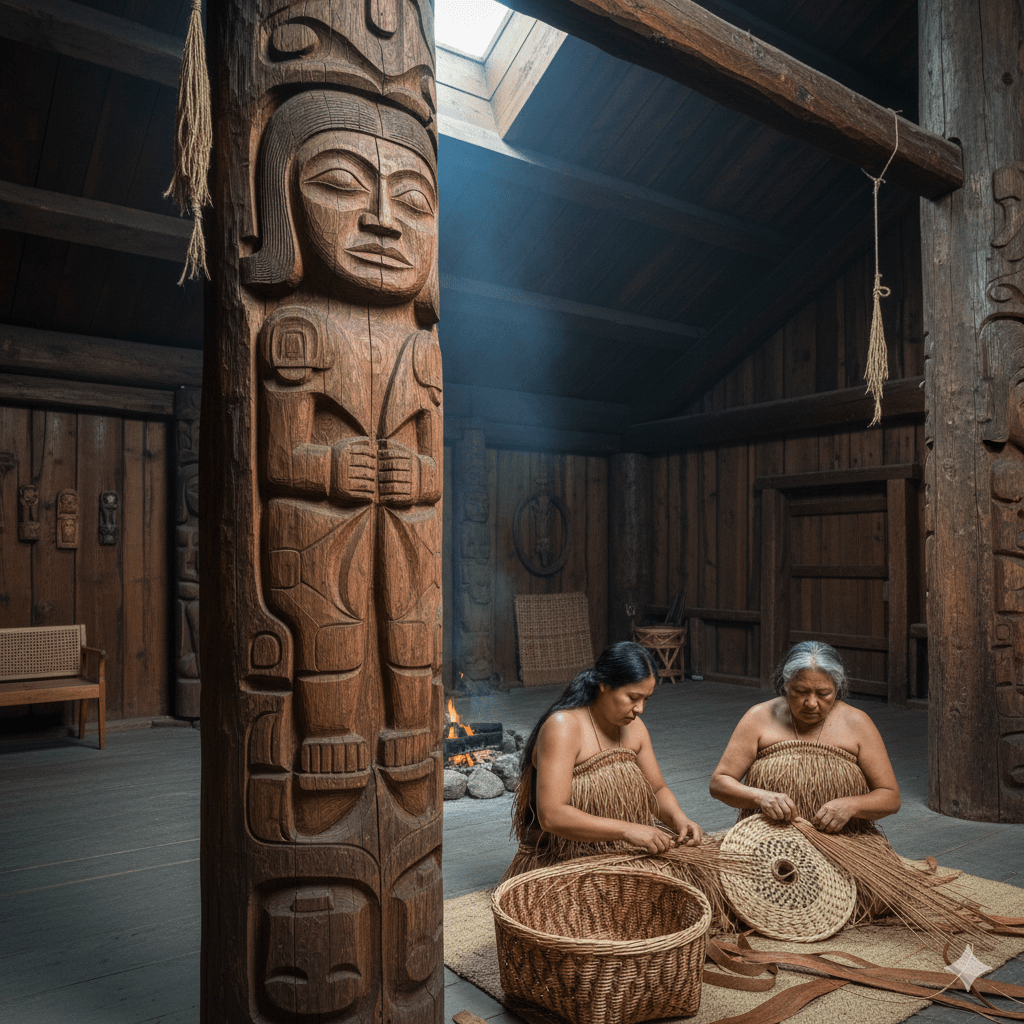
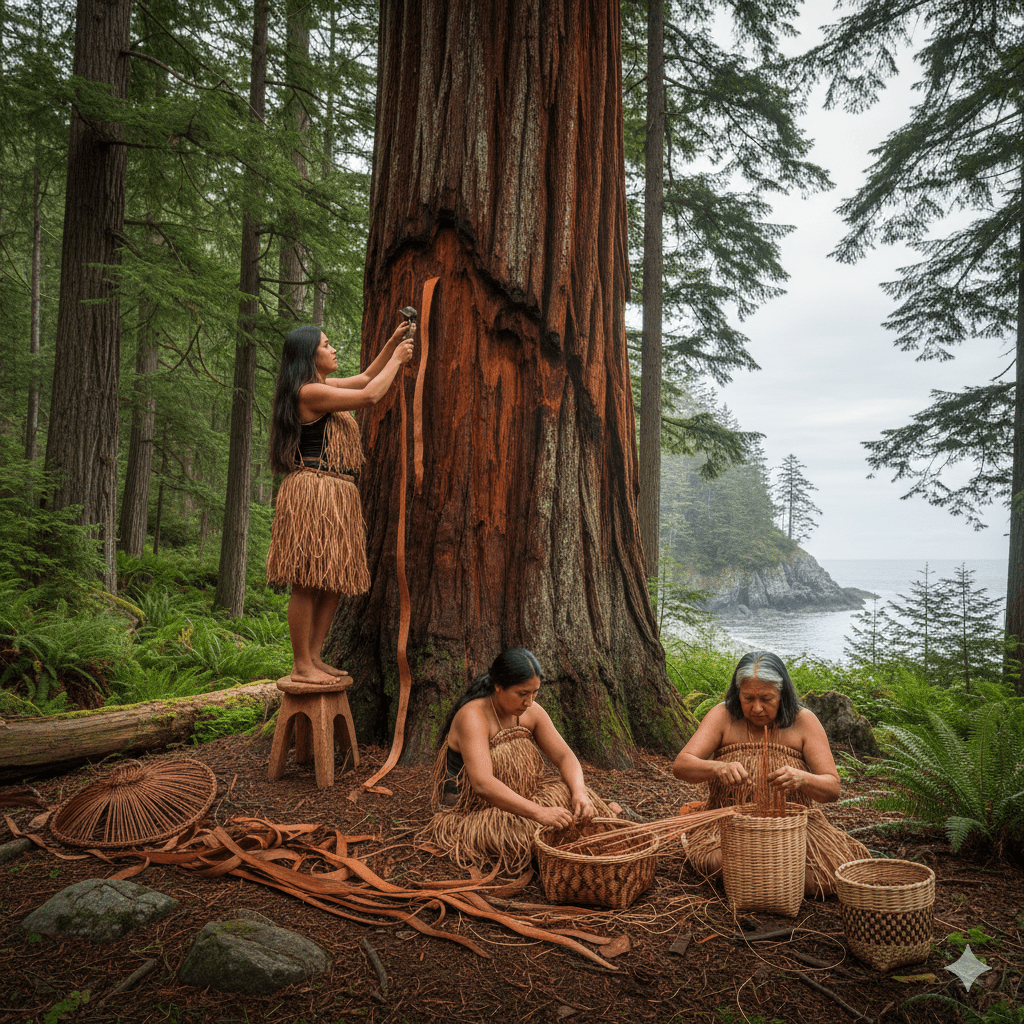
Regardless of the style, the Western Red Cedar was the “Tree of Life” for both groups.
* The Wood:
Rot-resistant and straight-grained, it was split into planks for longhouses or hollowed out for canoes.
* The Bark:
Women would harvest the inner bark in the spring, which was then shredded and woven into water-tight hats, baskets, and even clothing.
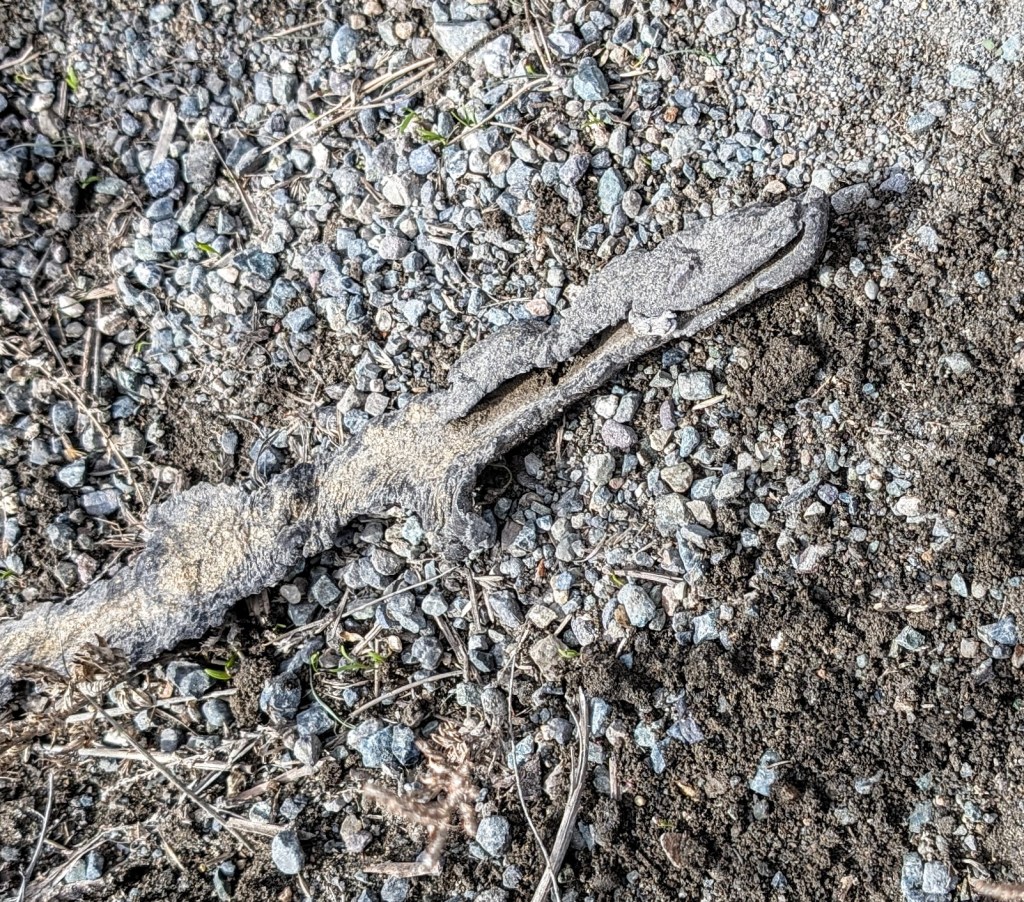
So I was walking down a trail the other day and I saw this thing and I was startled because of the head that looked like it was a alligator or crocodile or something.
Don’t, don’t, be! It turned out to be about a foot and a half long piece of rubber that had come off a tire on the highway, just above it. How’d that face got made on there is a strange one…
Face facts, life is full of mystery and this one is no exception. Anybody got any inputs on it?. Or like experiences?.
Navigating life’s intricate fabric, choices following old paths to the extraordinary, demanding creativity, curiosity, and courage for a truly fulfilling journey.
The Merritt Hockey Junior B team the Centennials are now engaged in Junior A development. Brian Barrett a long time hockey expert in Merritt says the team is back to where it was before the reorganization that saw the half century old team go down to Junior b and change leagues to the Kootenay International Junior Hockey League.
Transformation
Yes, they are! The Merritt Centennials are currently playing in the KIJHL (Kootenay International Junior Hockey League), which is a Junior A league.They made a big move recently, leaving the BCHL (British Columbia Hockey League) after 51 seasons to join the KIJHL as an expansion franchise starting with the 2024-25 season.Current Status (2025-26 Season) *
League: KIJHL (Junior A) * Division: Bill Ohlhausen Division *
Home Ice: Nicola Valley Memorial ArenaAs of January 2026, the Centennials have been playing quite well. They are currently sitting in the middle of the Bill Ohlhausen Division standings with a solid winning record, keeping the long-standing hockey tradition in Merritt alive under their new league affiliation.
Check the public link “schedule” above. For playing dates and results from previous games.
Photo KDG
Editors note: referring to the schedule link above will show place and home with authority:
January 29th is a notable day in the art world, marking the birth of several influential figures ranging from pioneers of American Abstraction to masters of French Impressionism.Here are three artists born on this day:
1. Barnett Newman (1905–1970)
A central figure in Abstract Expressionism, Newman was born in New York City to Polish Jewish immigrants. He is best known for his “zip” paintings—large canvases featuring fields of solid color interrupted by vertical lines. These “zips” were intended to create a sense of scale and a physical, emotional connection between the viewer and the space. * Famous Work: The Stations of the Cross series and Vir Heroicus Sublimis. * Fun Fact: He didn’t find major success until later in life; for years, he worked in his family’s clothing business and as a teacher.
2. Mary Cassatt (1844–1926)
While often associated with France, Cassatt was an American painter born in Pennsylvania. She moved to Paris, where she became the only American artist to officially exhibit with the Impressionists. Her work is celebrated for its intimate, tender depictions of the social and private lives of women, particularly the bond between mothers and children. * Famous Work: The Child’s Bath and Little Girl in a Blue Armchair. * Legacy: Beyond her own painting, she played a massive role in introducing Impressionism to the United States by advising wealthy American collectors.
3. Frederick Delius (1862–1934)
Though primarily a composer, Delius is often described as an “audio impressionist.” Born in England to a German family, his music is renowned for its lush, “painterly” textures that evoke landscapes and nature. His work often mirrors the aesthetic of the visual artists of his time, using harmony and tone color to create vivid atmospheric “pictures.” * Notable Work: Florida Suite and A Village Romeo and Juliet. * Artistic Tie: He lived in the French village of Grez-sur-Loing, a famous colony for painters, which deeply influenced his creative style.Note on Edward Lear: You might also see the name Edward Lear associated with this date; however, while he was a brilliant landscape artist and illustrator, January 29th actually marks the day he passed away in 1888 (he was born in May).
Would you like me to find some images of Barnett Newman’s “zip” paintings or perhaps a classic Cassatt portrait for you?
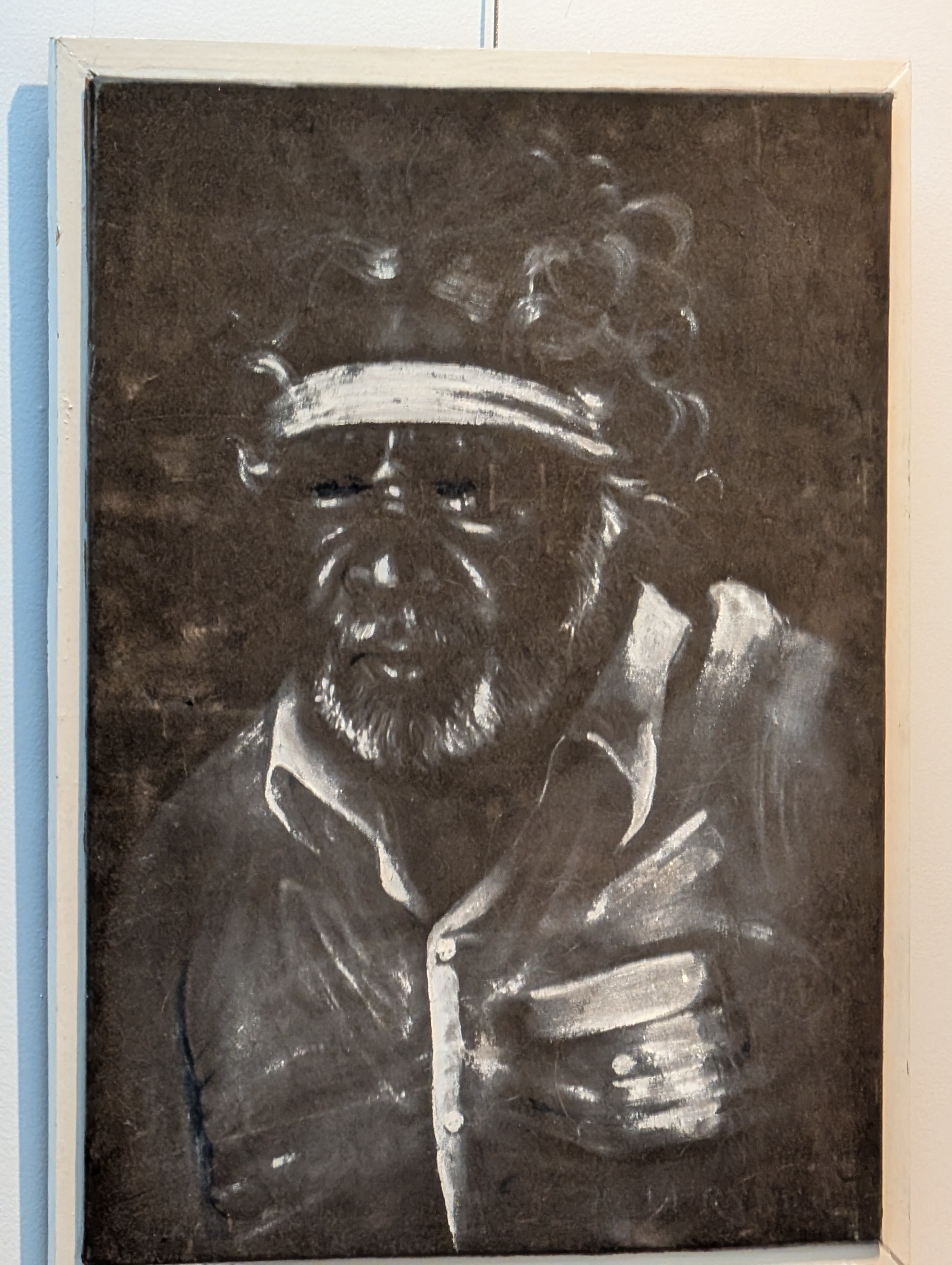
The rediscovered treasures emphasis (Silent Auction) show of the Nicola Valley Community Arts council ends Friday, that gives 2 days to come in and write your final bid on the silent auction of the rediscovered works.
A painting in the Gallery showing corner of Nicola and Voght, Merriitt BC, You never know…
Robin Humphries coming from a luncheon and back to his wares in the working room.
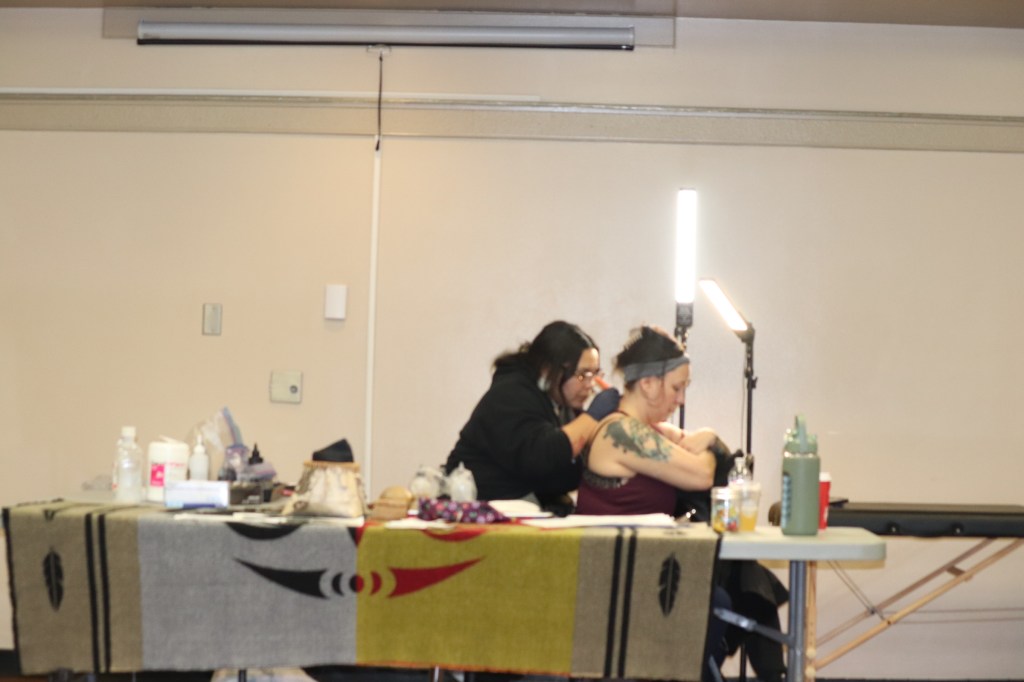
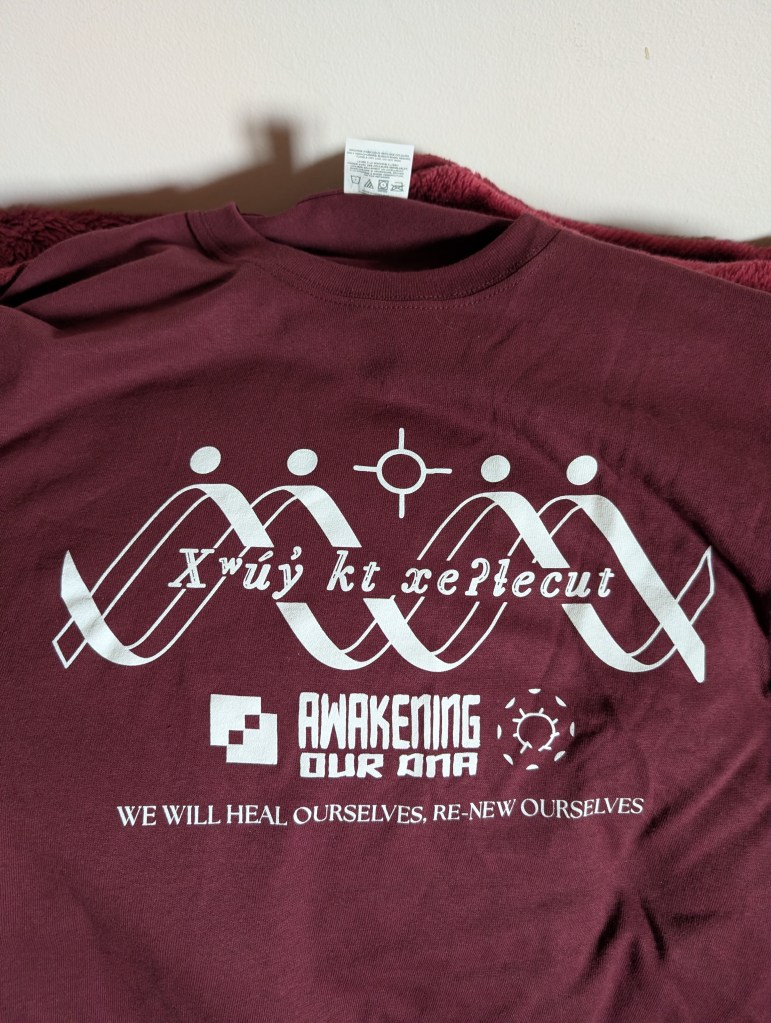
The Merritt Civic center hosted a Cooperative art collective on the weekend. Artists Robin, Humphreys, and others attended. The presentation of their wares was enlightening. The group also has a goal of well-being and restoration.
From the pr, we put these links public links on ad hoc basis, as reporting and journalizing and looking for input comments. Regards. Thank you for your time.













 Kevin Griffiths
 percypaschal
 The Proprietor Review